ResQRinse is the nasal irrigation squeeze bottle that eliminates head-tilting and awkward neck positions. Using proprietary Nasal Lock™ technology, it delivers a comfortable, gag-free sinus cleanse — no more saline dripping down your throat.

Relief From Fall Sneezes
Now sold on Walmart.com. Free shipping on orders $30+. Try ResQRinse today with your everyday purchases.
Shop at WalmartWhy ResQRinse?
Nasal rinsing helps relieve congestion from colds, allergies, sinusitis, hay fever, and environmental pollutants. ResQRinse makes it comfortable enough to become a daily habit.
Nasal Lock™ Technology
Isolates sinuses from the throat using natural choanal occlusion — like inflating a balloon — so saline stays where it belongs.
Learn more →
Drug-Free Relief
Uses premixed saline packets with distilled water. No medications, no preservatives — just a natural cleanse for your nasal passages.
How to rinse →
For Kids Too
ResQRinse for Kids features a comfort nasal tip right-sized for smaller nostril openings, making rinsing gentle and easy for children.
Shop kids' version →
Breath-Controlled Flow
You control the saline flow with your own breath pressure — high volume, low pressure irrigation that's comfortable and effective.
Watch how-to videos →
Better Compliance
Designed to overcome the gagging and discomfort that cause people to abandon traditional neti pots and nasal rinse systems.
Our story →
Complete Kits Available
From the basic ResQRinse Nasal Rinse System ($19.99) to 90-day complete kits, saline packets, cleaning brushes, and Sinoptim Nasal Mist.
Browse all products →Get Started with ResQRinse
Ready to experience a better nasal rinse? Fill out the form below and we'll help you find the right product — or follow the simple steps to begin rinsing today.
Request More Information
How to Use ResQRinse
Fill the Bottle
Fill the ResQRinse squeeze bottle with distilled or previously boiled water and add one premixed saline packet.
Position the Tip
Place the comfort tip gently against one nostril. No head-tilting or awkward neck angles needed.
Squeeze & Breathe
Squeeze the bottle gently while breathing through your mouth. Nasal Lock™ keeps saline in your nasal passages and out of your throat.
Repeat & Clean
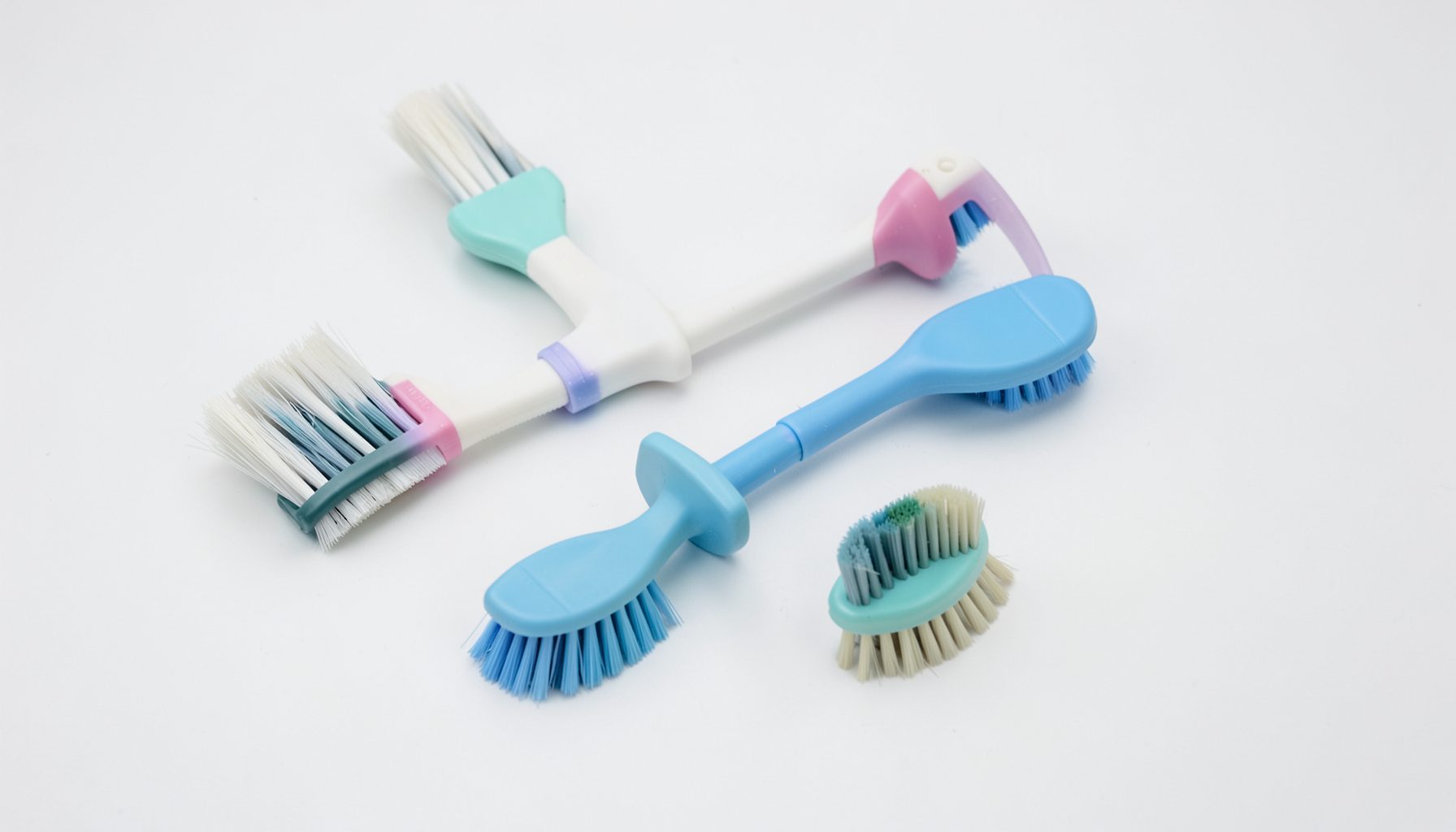
Switch nostrils and repeat. After use, rinse the bottle and let it air dry. Use ResQRinse Premium Cleaning Brushes for thorough cleaning.
Why A Gentle Nasal Rinse Is Better For Children
Children often experience congestion from colds, seasonal allergies, dry air, or irritated nasal passages. A nasal rinse can help wash away mucus, allergens, and other irritants, but a child’s nasal anatomy and comfort level require a more careful approach than an adult routine.
The lower flow rate in a children’s nasal rinse is intentional. It is designed to deliver saline gently while limiting pressure, reducing splashing, and making the process easier for smaller users to tolerate. Comfort matters because a child who feels safe is more likely to use the system correctly.
A properly designed pediatric rinse also supports better control for parents. The goal is a calm, steady stream rather than a forceful burst. Safe water, the correct saline mixture, age-appropriate instructions, and regular cleaning remain essential parts of the process.
Smaller Nasal Passages Need Gentler Pressure
Children have smaller nasal passages than adults, so the same amount of force can feel much stronger to them. A high-pressure stream may create an uncomfortable sensation in the nose, ears, or throat, especially when a child is already congested or has irritated tissue.
Lower flow helps the saline move through the nasal cavity at a manageable pace. Instead of overwhelming the passage with a sudden rush, the rinse can loosen mucus and carry away particles gradually. This supports a more comfortable experience without relying on unnecessary pressure.
A gentle flow rate also gives children time to breathe through the mouth and adjust to the sensation. This is especially helpful for younger children who may tense their faces, pull away, or stop the rinse if the stream feels too intense.
Comfort Encourages Consistent Use
The effectiveness of nasal irrigation depends partly on regular, correct use. If a child associates the rinse with stinging, pressure, or water running too quickly, they may resist future sessions. A lower-flow pediatric system can make the routine feel more predictable and less intimidating.
Parents should explain the process in simple language before starting. Letting the child see the bottle, saline packet, or nasal tip can reduce uncertainty. A relaxed posture, gentle breathing, and an unhurried pace can make the experience easier.
The saline solution should feel comfortable rather than sharply painful. Mild unfamiliarity can occur during the first uses, but persistent burning, ear discomfort, nosebleeds, or significant distress are signs to stop and seek advice from a healthcare professional.
How Flow Rate Affects Nasal Irrigation
Flow rate describes how quickly saline leaves the device. Pressure refers to the force behind that movement. They are related, but they are not exactly the same. A pediatric rinse is generally designed to provide a controlled, lower-volume stream that avoids the sensation of forceful spraying.
The purpose is to distribute saline across the nasal passages while helping loosen thick mucus and rinse away airborne allergens. A slower stream can be easier to control, particularly when a parent is assisting a young child or when the child is learning to use the system independently.
A squeeze bottle still requires appropriate handling. Pressing too hard can increase the stream beyond the intended gentle rate. Parents should follow the device instructions and use light, steady pressure rather than compressing the bottle suddenly.
| Feature | Children’s Nasal Rinse | Adult Nasal Rinse |
|---|---|---|
| Typical flow approach | Gentle, controlled stream | May allow a stronger or faster stream |
| Main design priority | Comfort, tolerance, and easy handling | Efficient irrigation for larger nasal passages |
| Best user support | Often used with parent supervision | Usually managed independently |
| Pressure sensitivity | Smaller passages may react more strongly | Larger passages may tolerate more flow |
| Recommended technique | Slow squeeze and relaxed breathing | Controlled squeeze suited to the device |
| Key safety requirement | Age-appropriate use and close supervision | Correct water, saline, and cleaning practices |
A Lower Flow Does Not Mean Less Relief
Some parents may assume that a slower rinse cannot clean the nose as well as a stronger one. In practice, effective irrigation depends on several factors, including the saline concentration, the volume used, the direction of flow, the condition of the mucus, and how consistently the device is used.
A gentle stream can still contact nasal surfaces and help move secretions toward the opposite nostril or out through the mouth, depending on the child’s position and technique. The process may take a little longer than an adult rinse, but speed is not the only measure of performance.
For a child with significant congestion, saline may first soften dried or thick mucus before it begins to clear. Parents should avoid forcing the rinse when the passage feels completely blocked. Pausing, allowing the saline to work, and trying again gently can be more comfortable than increasing pressure.
Safe Preparation And Device Handling
Only use water that is safe for nasal irrigation, such as distilled or sterile water, or tap water that has been boiled and cooled according to public health guidance. Ordinary untreated tap water is not appropriate for rinsing the nose. Prepare the saline mixture exactly as directed to reduce the risk of burning or irritation.
Use a fresh mixture as instructed and keep saline packets dry and sealed until needed. Proper storage protects the powder from moisture and helps preserve its intended use; these saline storage tips can help families organize packets safely at home.
After each use, empty the bottle, rinse all parts with suitable water, and allow them to dry completely in a clean area. A cleaning brush can help reach interior surfaces, but it should also be washed and dried regularly. Sharing a nasal rinse device can transfer germs, so each child should have their own equipment when possible.
Using A Children’s Rinse Responsibly
A parent or caregiver should supervise younger children throughout the process. The child should lean forward over a sink, keep the mouth open, and avoid tipping the head far backward. A calm, neutral position helps reduce the chance of saline draining into the throat unexpectedly.
Nasal irrigation may be useful during allergy season, a cold, or periods of nasal dryness, but it does not replace medical evaluation. Contact a pediatrician for persistent congestion, repeated nosebleeds, facial swelling, high fever, severe pain, breathing difficulty, or symptoms that continue longer than expected.
Children recovering from nasal or sinus procedures need specific instructions from their surgeon. Timing, solution strength, device type, and flow can vary after treatment, so families should follow the care plan rather than applying general advice; this post-surgery guidance explains why aftercare needs special attention.
Choosing The Right Pediatric System
A children’s nasal rinse should be easy for an adult to hold, simple to assemble, and capable of delivering a controlled stream. Features such as an appropriately sized tip, clear volume markings, comfortable grip, and a design that helps prevent leaks can make the routine easier for both caregiver and child.
ResQRinse children’s systems are designed around gentle use and controlled delivery. Nasal Lock technology is intended to help create a secure fit around the nostril, supporting directed flow and reducing unnecessary mess when the device is positioned correctly. The system should still be used according to its instructions and the child’s age and needs.
Some families may also keep saline packets, a cleaning brush, or a nasal mist for situations when a full rinse is inconvenient. A mist can support light moisture, while irrigation is better suited to flushing mucus and allergens. Selecting the right option depends on the child’s symptoms, tolerance, and healthcare guidance.
Practical Safety Recommendations
- Use a pediatric device for children rather than adapting an adult system with extra pressure.
- Prepare saline with distilled, sterile, or properly boiled and cooled water.
- Apply a slow, steady squeeze and stop if the child experiences pain or ear pressure.
- Clean, rinse, and fully air-dry the device after every use.
- Ask a pediatrician about persistent symptoms, very young children, or post-procedure care.
A lower flow rate gives children a gentler path to the benefits of nasal irrigation. With suitable water, correct saline preparation, patient supervision, and a device built for smaller users, families can create a calmer routine for congestion and allergy relief. Explore ResQRinse children’s nasal rinse systems and related saline products through the brand’s online Walmart and Amazon purchasing options.