ResQRinse is the nasal irrigation squeeze bottle that eliminates head-tilting and awkward neck positions. Using proprietary Nasal Lock™ technology, it delivers a comfortable, gag-free sinus cleanse — no more saline dripping down your throat.

Relief From Fall Sneezes
Now sold on Walmart.com. Free shipping on orders $30+. Try ResQRinse today with your everyday purchases.
Shop at WalmartWhy ResQRinse?
Nasal rinsing helps relieve congestion from colds, allergies, sinusitis, hay fever, and environmental pollutants. ResQRinse makes it comfortable enough to become a daily habit.
Nasal Lock™ Technology
Isolates sinuses from the throat using natural choanal occlusion — like inflating a balloon — so saline stays where it belongs.
Learn more →
Drug-Free Relief
Uses premixed saline packets with distilled water. No medications, no preservatives — just a natural cleanse for your nasal passages.
How to rinse →
For Kids Too
ResQRinse for Kids features a comfort nasal tip right-sized for smaller nostril openings, making rinsing gentle and easy for children.
Shop kids' version →
Breath-Controlled Flow
You control the saline flow with your own breath pressure — high volume, low pressure irrigation that's comfortable and effective.
Watch how-to videos →
Better Compliance
Designed to overcome the gagging and discomfort that cause people to abandon traditional neti pots and nasal rinse systems.
Our story →
Complete Kits Available
From the basic ResQRinse Nasal Rinse System ($19.99) to 90-day complete kits, saline packets, cleaning brushes, and Sinoptim Nasal Mist.
Browse all products →Get Started with ResQRinse
Ready to experience a better nasal rinse? Fill out the form below and we'll help you find the right product — or follow the simple steps to begin rinsing today.
Request More Information
How to Use ResQRinse
Fill the Bottle
Fill the ResQRinse squeeze bottle with distilled or previously boiled water and add one premixed saline packet.
Position the Tip
Place the comfort tip gently against one nostril. No head-tilting or awkward neck angles needed.
Squeeze & Breathe
Squeeze the bottle gently while breathing through your mouth. Nasal Lock™ keeps saline in your nasal passages and out of your throat.
Repeat & Clean
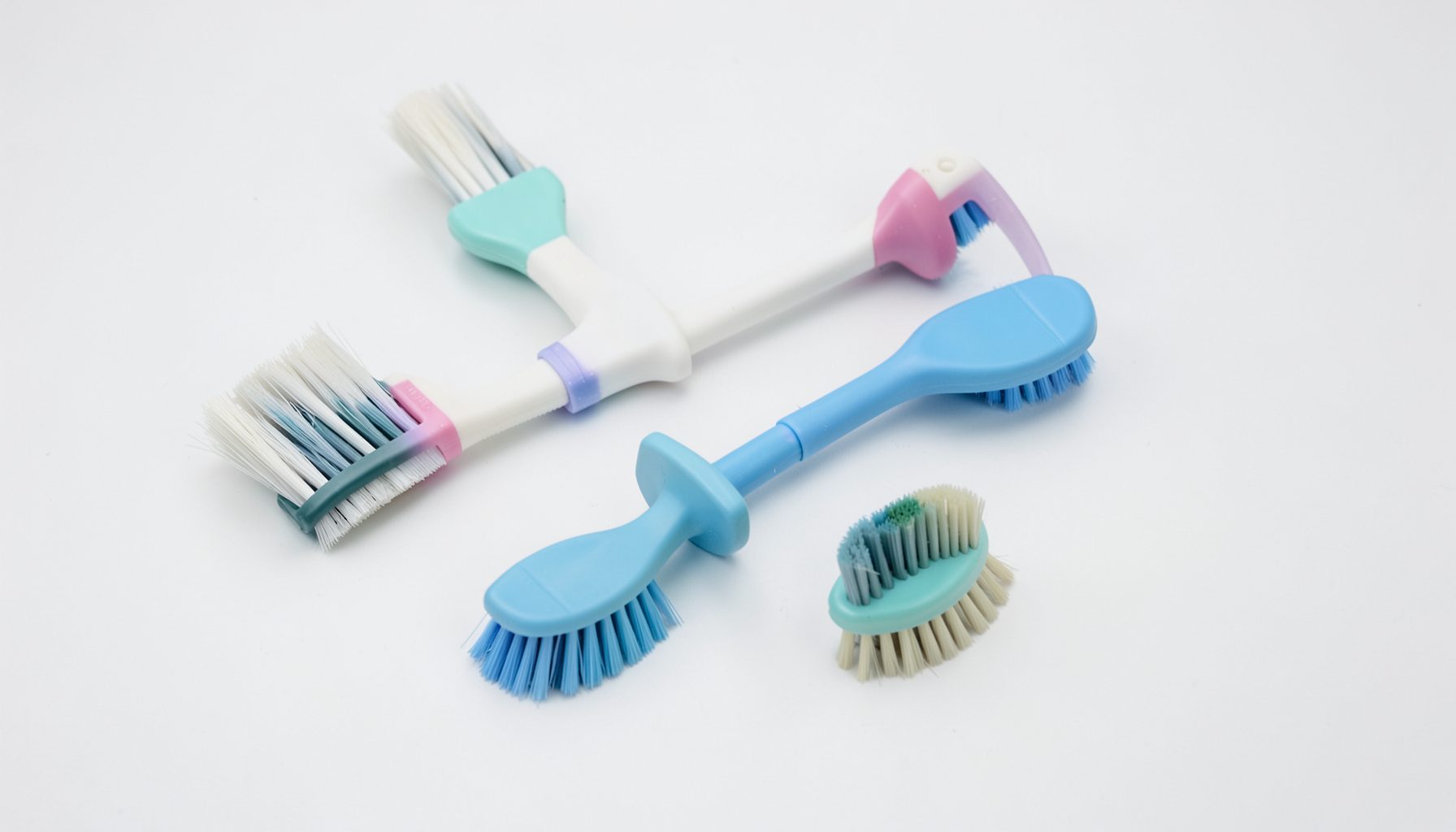
Switch nostrils and repeat. After use, rinse the bottle and let it air dry. Use ResQRinse Premium Cleaning Brushes for thorough cleaning.
How to avoid saline reaching your eyes during a rinse
Nasal irrigation should feel like a gentle flow through the nasal passages, not a spray across your face. When saline reaches the eyes, it can cause stinging, watering and temporary irritation. The problem is usually linked to posture, pressure, a poor bottle seal or an angle that sends fluid towards the front of the nose.
A few small adjustments can make a noticeable difference. Using the correct saline mixture, leaning forward over the basin and allowing the solution to drain freely will help keep the rinse where it belongs. A comfortable squeeze-bottle system can also provide more control than tipping a traditional neti pot.
This is useful for Australians managing congestion during grass-pollen season, dry weather or smoky conditions. Whether you are rinsing in a Sydney bathroom, a Melbourne apartment or while travelling between Perth and Brisbane, a calm setup and careful technique can reduce the chance of saline splashing into your eyes.
Set up the rinse before opening the bottle
Prepare everything before you start so you do not need to reach for a towel or adjust the bottle halfway through the process. Wash your hands, check that the bottle is clean and fill it with the recommended safe water and saline sachet. The water should follow the product instructions; many nasal-rinse guidelines recommend sterile, distilled or previously boiled and cooled water rather than untreated tap water.
A saline solution that is mixed too strongly may sting the nose and eyes if it escapes. Too little salt can also feel uncomfortable. Use a measured packet designed for the bottle instead of estimating salt from the kitchen cupboard. Check the expiry date on the sachet, especially if the kit has been stored in a bathroom, caravan or beach bag during an Australian summer.
Keep a clean face towel nearby, but do not place it where it could knock the bottle over. If you are travelling, spill-proof saline storage can help protect individual packets from moisture and accidental opening.
Lean forward rather than tilting your head back
Stand over a basin and lean your upper body forward. Keep your chin slightly tucked, with your forehead and nose roughly angled towards the sink. This position encourages the solution to travel through the nasal passages and drain out of the opposite nostril or mouth instead of running across the face.
Tilting your head backwards makes it easier for fluid to move towards the throat, eyes or front of the nose. You do not need to look up or twist your neck. A relaxed forward lean is usually more stable and gives you a clear view of the bottle tip and basin.
Turn your head only slightly to one side when rinsing each nostril. A large sideways tilt can make the bottle harder to seal and may direct fluid towards the eye socket. If you feel fluid collecting near an eye, stop squeezing, lower the bottle and allow the solution to drain before restarting.
Create a gentle seal at the nostril
Place the nozzle just inside the nostril without forcing it. The aim is to form a light seal around the opening, not to push the tip deeply into the nose. A loose seal can let saline spray sideways across the cheek, while excessive pressure can cause discomfort and make the flow unpredictable.
Squeeze slowly and steadily. Nasal irrigation does not require a forceful burst. A controlled flow gives the solution time to pass through the nasal cavity and reduces back-pressure. If the bottle feels blocked, remove it, check the nozzle and try again rather than squeezing harder.
ResQRinse systems include Nasal Lock technology to help create a more consistent connection at the nostril. Even with a designed seal, the user still needs to keep the bottle aligned and apply gentle pressure. Children should be supervised, and a smaller children’s system may be easier for them to hold and control.
Keep your eyes relaxed and protected
Closing your eyes during the rinse can make the experience more comfortable, but tightly scrunching the eyelids is not necessary. Facial tension can shift the bottle or change the direction of the flow. Keep your forehead, cheeks and jaw relaxed while breathing through the mouth.
Some people prefer to wear glasses or remove contact lenses before rinsing. Contact lenses can become uncomfortable if saline splashes into the eyes, and removing them eliminates one source of irritation. If a small amount of solution does enter an eye, rinse it with clean water or sterile eyewash and avoid rubbing.
Stop if you experience sharp pain, persistent redness, vision changes or ongoing watering. Mild, brief stinging is different from significant eye irritation. Anyone with recent nasal or eye surgery, regular nosebleeds or a condition affecting the tear ducts should ask a GP, pharmacist or ENT specialist about the safest method.
Let the solution flow at its own pace
Do not try to hurry the rinse by squeezing the bottle repeatedly. Pause if the liquid stops flowing, swallow or spit out any solution that reaches the mouth, and then reset your posture. Nasal congestion can slow the passage, particularly during a cold, allergy flare-up or sinus infection.
If one nostril is completely blocked, forcing fluid through it may increase pressure and encourage leakage around the eyes. Use a gentler flow, try the other side if appropriate and stop if there is pain. Nasal irrigation can ease mucus and congestion for some people, but it is not a substitute for medical care when symptoms are severe or prolonged.
Congestion can be especially bothersome during dusty weather in Adelaide or dry conditions in inland areas. It may also worsen around bushfire smoke or urban air pollution. Rinsing may help remove irritants for some users, while information about smoke sensitivity can provide useful context about nasal symptoms linked with airborne exposure.
Clean the equipment after each session
A clean bottle is easier to use safely and less likely to develop a blocked nozzle or uneven spray. Empty any remaining solution immediately after the rinse. Separate the components according to the manufacturer’s instructions, wash them thoroughly and allow them to air-dry completely before reassembly.
Do not store a damp bottle sealed inside a toiletry bag. Warm, humid conditions in places such as Cairns or coastal New South Wales can encourage moisture to remain inside the components. A drying rack, clean towel or well-ventilated shelf is preferable to a closed cupboard while the parts are still wet.
Inspect the nozzle, cap and bottle regularly for cracks, residue or changes in flexibility. Replace parts when the manufacturer recommends it or if the seal no longer feels reliable. Cleaning brushes can help reach narrow areas, but they should also be washed and dried between uses.
Adjust the routine for children and daily life
Children may find it difficult to hold a bottle steady, lean forward and breathe through the mouth at the same time. An adult should demonstrate the process, keep the flow gentle and stop if the child becomes distressed. A child-sized system and a towel placed across the shoulders can reduce spills without encouraging a rushed technique.
Choose a practical location with good lighting and a stable basin. In a busy household, rinsing before school or after work may be easier when there is time to clean the equipment properly. If you are using saline after a day outdoors in Melbourne’s pollen season or following exposure to dust at a regional property, allow a few minutes rather than treating the rinse as something to do hurriedly.
Some people use nasal irrigation before bed to clear congestion. If blocked nasal passages contribute to noisy breathing, guidance on congestion-related snoring may help explain where a rinse could fit into a broader routine. Persistent snoring, pauses in breathing or daytime sleepiness should be discussed with a healthcare professional.
The most reliable way to prevent saline from reaching your eyes is to combine the right posture with a light nostril seal and slow pressure. Prepare the solution correctly, lean forward, keep the bottle aligned and stop whenever the flow feels uncomfortable. With practice, nasal irrigation should become a controlled, uncomplicated part of managing congestion and nasal irritation.
Explore ResQRinse squeeze-bottle systems, children’s options, saline packets and cleaning accessories through the available online retailers, including Amazon and Walmart where offered. Follow the product instructions carefully, use safe water and speak with an Australian healthcare professional if symptoms persist or the rinse causes pain.