ResQRinse is the nasal irrigation squeeze bottle that eliminates head-tilting and awkward neck positions. Using proprietary Nasal Lock™ technology, it delivers a comfortable, gag-free sinus cleanse — no more saline dripping down your throat.

Relief From Fall Sneezes
Now sold on Walmart.com. Free shipping on orders $30+. Try ResQRinse today with your everyday purchases.
Shop at WalmartWhy ResQRinse?
Nasal rinsing helps relieve congestion from colds, allergies, sinusitis, hay fever, and environmental pollutants. ResQRinse makes it comfortable enough to become a daily habit.
Nasal Lock™ Technology
Isolates sinuses from the throat using natural choanal occlusion — like inflating a balloon — so saline stays where it belongs.
Learn more →
Drug-Free Relief
Uses premixed saline packets with distilled water. No medications, no preservatives — just a natural cleanse for your nasal passages.
How to rinse →
For Kids Too
ResQRinse for Kids features a comfort nasal tip right-sized for smaller nostril openings, making rinsing gentle and easy for children.
Shop kids' version →
Breath-Controlled Flow
You control the saline flow with your own breath pressure — high volume, low pressure irrigation that's comfortable and effective.
Watch how-to videos →
Better Compliance
Designed to overcome the gagging and discomfort that cause people to abandon traditional neti pots and nasal rinse systems.
Our story →
Complete Kits Available
From the basic ResQRinse Nasal Rinse System ($19.99) to 90-day complete kits, saline packets, cleaning brushes, and Sinoptim Nasal Mist.
Browse all products →Get Started with ResQRinse
Ready to experience a better nasal rinse? Fill out the form below and we'll help you find the right product — or follow the simple steps to begin rinsing today.
Request More Information
How to Use ResQRinse
Fill the Bottle
Fill the ResQRinse squeeze bottle with distilled or previously boiled water and add one premixed saline packet.
Position the Tip
Place the comfort tip gently against one nostril. No head-tilting or awkward neck angles needed.
Squeeze & Breathe
Squeeze the bottle gently while breathing through your mouth. Nasal Lock™ keeps saline in your nasal passages and out of your throat.
Repeat & Clean
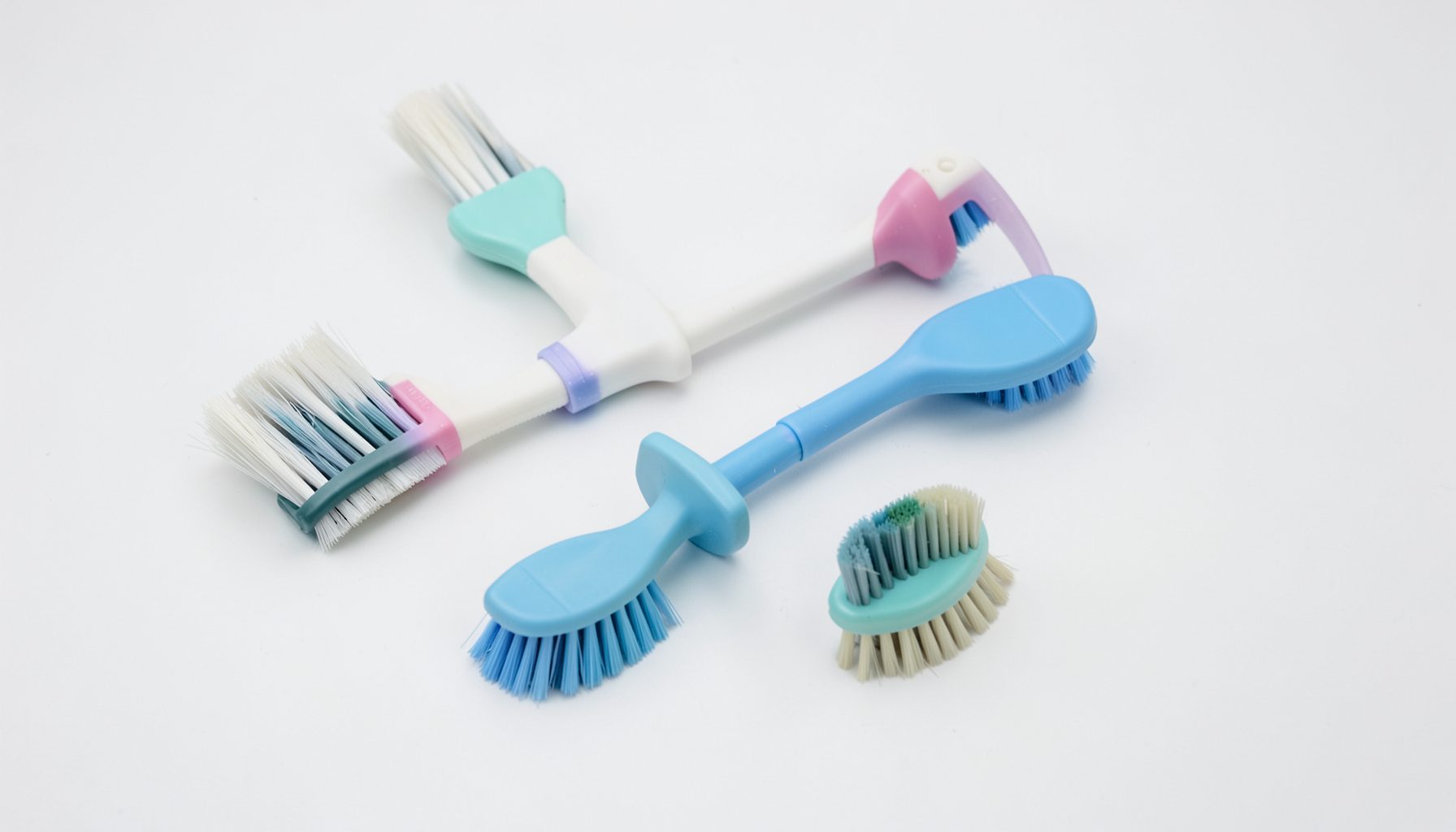
Switch nostrils and repeat. After use, rinse the bottle and let it air dry. Use ResQRinse Premium Cleaning Brushes for thorough cleaning.
Can nasal irrigation reduce snoring caused by congestion
Snoring often becomes louder when the nasal passages are narrowed by a cold, seasonal allergies, sinus irritation, or dry mucus. Air then has more difficulty moving through the nose, encouraging mouth breathing and increasing vibration in the tissues of the throat. Clearing the nose may make nighttime breathing quieter for some people, although it does not address every cause of snoring.
Nasal irrigation uses a saline solution to flush mucus, allergens, and other irritants from the nasal passages. Because it works locally, it can be useful when blocked nasal breathing is contributing to restless sleep or noisy breathing. The effect may be temporary, and results depend on why the snoring occurs in the first place.
A rinse should be viewed as one part of a broader sleep and respiratory routine. Persistent, very loud, or suddenly worsening snoring deserves attention, especially when it occurs with gasping, choking, morning headaches, or significant daytime tiredness.
Why congestion can trigger snoring
When the nasal lining swells, the airway becomes narrower. Colds, allergic rhinitis, sinus pressure, and exposure to dust or smoke can all produce this swelling. Thick secretions may further restrict airflow, making it harder to breathe comfortably through the nose while lying down.
Nasal blockage often leads to mouth breathing. This can dry the mouth and throat and change the way air passes through the upper airway. As relaxed tissues vibrate during sleep, the resulting sound may be more noticeable. In this situation, improving nasal airflow could reduce congestion-related snoring, though it may not eliminate it completely.
The timing of symptoms can provide a useful clue. Snoring that appears during a cold or allergy flare and improves when the nose clears is more likely to have a congestion component. Snoring that occurs every night, regardless of nasal symptoms, may involve other factors such as throat anatomy, sleep position, alcohol use, or obstructive sleep apnea.
How saline rinsing may help
A saline rinse can loosen and remove mucus while washing away pollen, pet dander, and other particles. It may also add moisture to irritated nasal tissue, which can make breathing feel more comfortable. By helping a person breathe through the nose, irrigation may reduce the mouth breathing and airway vibration associated with temporary congestion.
The benefit is generally supportive rather than curative. Irrigation cannot tighten relaxed throat tissue, correct a deviated septum, or resolve sleep apnea. It also does not replace treatment for a significant infection or chronic nasal condition. People may notice relief shortly after rinsing, while others need regular use during allergy season or a respiratory illness.
A delivery system designed to control flow can make the process easier to tolerate. ResQRinse explains how its Nasal Lock technology is intended to support a more comfortable, controlled rinse and help limit solution from flowing toward the throat.
Comparing options for blocked nasal breathing
Different approaches can help with nasal congestion, but they serve different purposes. Saline irrigation physically flushes the passages, while a mist mainly moisturizes the surface. Decongestant sprays may reduce swelling quickly, but some should be used only briefly to avoid rebound congestion. Oral medicines can address allergy symptoms but may cause side effects or be unsuitable for certain people.
The most appropriate choice depends on the cause, duration, and severity of symptoms. A saline rinse is often a gentle first step for mucus and allergen removal, particularly when a person wants a nonmedicated option. It should be used with sterile, distilled, or previously boiled and cooled water according to product directions.
| Option | How it may support breathing | Best suited to | Important considerations |
|---|---|---|---|
| Saline irrigation | Flushes mucus and allergens from the nasal passages | Colds, allergies, thick mucus, and routine nasal hygiene | Use safe water and clean equipment |
| Saline mist | Moisturizes nasal tissue with minimal flow | Dryness and mild irritation | May not remove heavy congestion |
| Decongestant spray | Temporarily shrinks swollen nasal tissue | Short-term severe blockage | Extended use can cause rebound congestion |
| Oral allergy medicine | Reduces certain allergy symptoms throughout the body | Seasonal or environmental allergies | May cause drowsiness or other side effects |
| Humidification | Adds moisture to dry indoor air | Dryness-related irritation | A dirty humidifier can spread microbes |
No single option guarantees quieter sleep. Combining appropriate nasal care with allergen reduction, side sleeping, adequate hydration, and medical guidance when needed may provide a more reliable result than relying on one product alone.
Use a nasal rinse safely
Safe preparation matters because the rinse enters sensitive nasal passages. Use the water type recommended in the instructions, mix the correct amount of saline, and avoid improvising with plain tap water. A solution that is too concentrated may sting, while one that is too weak may feel uncomfortable and fail to provide the intended effect.
Gently blow the nose afterward rather than forcing air or fluid through the passages. Do not irrigate when the nose is completely sealed, when severe ear pressure is present, or when the process causes significant pain. If symptoms worsen after use, stop and seek advice from a healthcare professional.
The container should be rinsed, dried thoroughly, and cleaned as directed after each use. Do not share a nasal irrigation device. Replacement saline packets and cleaning accessories can help maintain a consistent routine, while a child should use a product made for their age and receive appropriate adult supervision.
Choose a routine that fits your symptoms
For congestion linked to allergies, rinsing after outdoor exposure may help remove pollen before bedtime. During a cold, a rinse earlier in the evening can clear accumulated mucus and make it easier to settle down. Some people prefer using irrigation in the morning as well, but frequency should follow the product directions and personal tolerance.
A comfortable fit and predictable flow can influence whether someone uses a rinse consistently. Squeeze-bottle systems, children’s versions, saline packets, brushes, and nasal mist products are available through the ResQRinse product range, allowing households to select equipment that matches their needs and routine.
Rinsing should not be treated as a test of endurance. If burning, ear discomfort, nosebleeds, or worsening pressure develops, reassess the technique and pause use if necessary. Persistent congestion may require evaluation for allergies, structural blockage, chronic sinus disease, or another underlying issue.
Know when snoring needs evaluation
Congestion-related snoring is usually linked to recognizable nasal symptoms, but sound alone cannot identify the cause. A person may have both nasal blockage and a deeper obstruction in the throat. In particular, obstructive sleep apnea can cause repeated pauses in breathing and should not be managed solely with nasal products.
Pay attention to daytime effects and nighttime behavior. Gasping, choking, witnessed breathing pauses, dry mouth, morning headaches, concentration problems, and unusual sleepiness are reasons to speak with a healthcare professional. Children who snore regularly also deserve assessment, especially if they have restless sleep, behavioral changes, or difficulty breathing.
Consumer experiences can explain how people use a product in everyday routines, and the customer testimonials may offer practical context. Personal reports are not medical evidence, however, and a positive experience should not delay evaluation of warning signs.
Build a safer nighttime routine
Small changes can complement nasal irrigation when congestion is contributing to noisy sleep:
- Rinse with saline in the evening according to the device instructions and use safe water.
- Wash bedding regularly and reduce bedroom exposure to dust, smoke, and known allergens.
- Try side sleeping instead of sleeping flat on the back.
- Avoid alcohol close to bedtime, since it can relax upper-airway tissues and worsen snoring.
- Track congestion, snoring, sleep quality, and daytime fatigue to discuss with a clinician if symptoms continue.
Nasal irrigation may reduce snoring when blocked nasal passages are a major contributor. It works best as a comfortable, hygienic way to clear mucus and irritants, not as a universal treatment for nighttime breathing problems.
If congestion is keeping you or someone in your household awake, review the instructions for a suitable saline rinse, establish a consistent evening routine, and seek medical advice when snoring is persistent, severe, or accompanied by breathing pauses.