ResQRinse is the nasal irrigation squeeze bottle that eliminates head-tilting and awkward neck positions. Using proprietary Nasal Lock™ technology, it delivers a comfortable, gag-free sinus cleanse — no more saline dripping down your throat.

Relief From Fall Sneezes
Now sold on Walmart.com. Free shipping on orders $30+. Try ResQRinse today with your everyday purchases.
Shop at WalmartWhy ResQRinse?
Nasal rinsing helps relieve congestion from colds, allergies, sinusitis, hay fever, and environmental pollutants. ResQRinse makes it comfortable enough to become a daily habit.
Nasal Lock™ Technology
Isolates sinuses from the throat using natural choanal occlusion — like inflating a balloon — so saline stays where it belongs.
Learn more →
Drug-Free Relief
Uses premixed saline packets with distilled water. No medications, no preservatives — just a natural cleanse for your nasal passages.
How to rinse →
For Kids Too
ResQRinse for Kids features a comfort nasal tip right-sized for smaller nostril openings, making rinsing gentle and easy for children.
Shop kids' version →
Breath-Controlled Flow
You control the saline flow with your own breath pressure — high volume, low pressure irrigation that's comfortable and effective.
Watch how-to videos →
Better Compliance
Designed to overcome the gagging and discomfort that cause people to abandon traditional neti pots and nasal rinse systems.
Our story →
Complete Kits Available
From the basic ResQRinse Nasal Rinse System ($19.99) to 90-day complete kits, saline packets, cleaning brushes, and Sinoptim Nasal Mist.
Browse all products →Get Started with ResQRinse
Ready to experience a better nasal rinse? Fill out the form below and we'll help you find the right product — or follow the simple steps to begin rinsing today.
Request More Information
How to Use ResQRinse
Fill the Bottle
Fill the ResQRinse squeeze bottle with distilled or previously boiled water and add one premixed saline packet.
Position the Tip
Place the comfort tip gently against one nostril. No head-tilting or awkward neck angles needed.
Squeeze & Breathe
Squeeze the bottle gently while breathing through your mouth. Nasal Lock™ keeps saline in your nasal passages and out of your throat.
Repeat & Clean
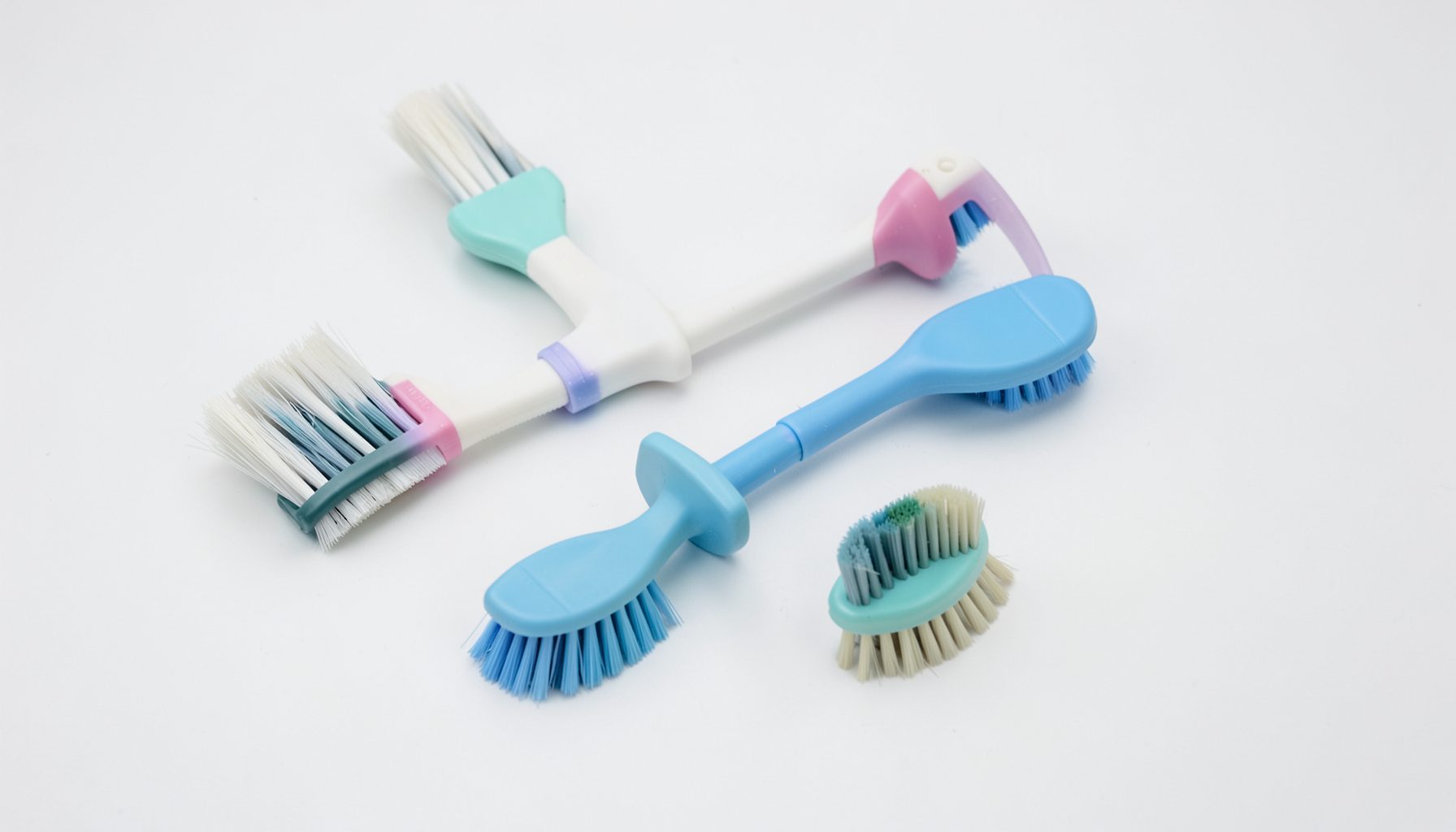
Switch nostrils and repeat. After use, rinse the bottle and let it air dry. Use ResQRinse Premium Cleaning Brushes for thorough cleaning.
Can Nasal Rinse Help With Cigarette Smoke Sensitivity
Cigarette smoke can irritate the nose and upper airways even when exposure is brief. Smoke particles and chemicals may trigger burning, sneezing, congestion, excess mucus, postnasal drip, or a runny nose. People with allergic rhinitis, asthma, chronic sinus problems, or sensitive nasal passages may notice symptoms more intensely.
A nasal rinse may provide temporary comfort by washing mucus, irritants, and airborne particles from the nasal passages. It can support clearer breathing after exposure, but it cannot prevent all effects of secondhand smoke or replace efforts to avoid smoky environments. The most effective protection remains reducing exposure and keeping indoor air smoke-free.
Why Smoke Irritates The Nose
Cigarette smoke contains fine particles and gases that can inflame the delicate lining inside the nose. The irritation may cause the nasal tissues to swell, narrowing the airway and making it harder to breathe comfortably. Smoke can also stimulate mucus production, leaving the nose blocked or constantly dripping.
For some people, smoke acts as a nonallergic rhinitis trigger rather than a traditional allergen. That means symptoms can occur even without an immune response to cigarette ingredients. Burning tobacco may also aggravate existing allergies, sinus inflammation, dry nasal passages, or sensitivity to fragrances and pollution.
The effects may continue after leaving the smoky area because particles can remain on clothing, hair, furniture, and other surfaces. A rinse can help clear material that has entered the nose, while changing clothes, washing the face, and improving ventilation can reduce further contact.
What A Nasal Rinse Can Do
Saline irrigation works by moving a gentle saltwater solution through one nostril and out the other. This flow can loosen thick mucus, flush away small particles, and moisturize irritated tissue. For smoke-related nasal discomfort, these actions may reduce stuffiness, drainage, dryness, and the sensation of something trapped in the nose.
A squeeze-bottle system can provide a controlled stream that reaches more of the nasal passage than a simple spray. ResQRinse products use Nasal Lock technology to help create a comfortable seal around the nostrils, which can make the process easier for people who find traditional neti pots awkward or difficult to position. More information about the company’s design and purpose is available through ResQRinse’s approach.
Relief is usually supportive and temporary. Irrigation does not remove smoke from the lungs, reverse airway inflammation, or make continued exposure safe. It is best understood as one part of a broader comfort routine rather than a treatment that cancels out the health risks of tobacco smoke.
Choosing Safe Saline Irrigation
Use the water recommended in the product instructions. Distilled or sterile water is generally the simplest option for nasal irrigation. Tap water should be boiled and cooled according to public health guidance before use, because untreated water may contain organisms that are unsafe to introduce into the nasal passages.
Premeasured saline packets can make the solution more consistent and comfortable than mixing salt by guesswork. Plain water may sting or feel irritating because it does not match the natural salt balance of nasal tissue. A properly prepared saline solution should feel mild; strong burning, ear pressure, or pain is a reason to stop and reassess the technique.
Clean the bottle and removable parts after each use, allow them to dry fully, and replace them as directed. A cleaning brush can help reach areas where residue collects. Never share a nasal irrigation device, even within the same household.
| Approach | Possible benefit after smoke exposure | Important limitation |
|---|---|---|
| Saline nasal rinse | Flushes mucus and particles while adding moisture | Does not protect the lungs or eliminate exposure |
| Saline nasal mist | Adds light moisture when congestion is mild | Usually provides less flushing than irrigation |
| Moving to clean air | Stops ongoing contact with smoke | May not remove particles already in the nose |
| Air purifier and ventilation | Can reduce indoor airborne pollutants | Cannot make smoking indoors risk-free |
| Decongestant medication | May temporarily reduce swelling for some people | Requires label precautions and is not suitable for everyone |
Using A Rinse Comfortably
Rinse after leaving a smoky setting rather than while actively exposed. Wash your hands, prepare the saline solution, and lean over a sink with your head slightly forward and turned to one side. Keep your mouth open and breathe through it while gently squeezing the bottle.
The flow should pass through the nasal cavity without force. If the solution runs into the throat, adjust your head position and reduce pressure. Mild fullness can occur, but sharp pain, significant ear pressure, nosebleeds, or persistent burning should not be ignored.
People recovering from nasal procedures should follow their clinician’s instructions instead of adopting a general routine. Guidance on technique, timing, and solution strength can vary after surgery, and this resource on nasal rinse after surgery explains why post-procedure care deserves special attention.
Children need age-appropriate equipment and close adult supervision. A children’s rinse system or saline mist may be easier for a young child than a full-strength squeeze bottle. Do not force irrigation when a child is frightened, resisting, or unable to follow breathing instructions.
When Rinsing May Not Be Enough
A nasal rinse may help with irritation in the nose, but symptoms involving the chest require separate attention. Wheezing, shortness of breath, chest tightness, coughing that does not settle, or a drop in exercise tolerance may indicate lower-airway involvement. Anyone with asthma should follow their prescribed action plan and seek medical advice when symptoms are not controlled.
Medical evaluation is also appropriate when congestion lasts for weeks, symptoms repeatedly follow smoke exposure, or there is facial pain, fever, foul-smelling drainage, or one-sided blockage. These signs may suggest infection, significant inflammation, a structural problem, or another condition that irrigation alone cannot address.
Seek urgent care for severe breathing difficulty, blue lips, confusion, swelling of the throat, or rapidly worsening symptoms. Nasal rinsing should never delay emergency treatment.
Building A Smoke-Reduction Routine
The strongest way to reduce cigarette smoke sensitivity is to avoid direct and secondhand exposure. Ask household members to smoke outdoors and away from doors, windows, and ventilation intakes. Keeping vehicles smoke-free is especially important because enclosed spaces allow pollutants to build up quickly.
After unavoidable exposure, spend time in clean air, drink fluids, wash your face, and change smoke-exposed clothing. A saline mist may be convenient for mild dryness during the day, while a full rinse may be more useful when mucus and congestion are prominent. Use products consistently and gently rather than increasing pressure or frequency to chase faster relief.
Consider the following practical habits:
- Keep a properly cleaned nasal rinse system available for occasional post-exposure comfort.
- Use distilled, sterile, or correctly treated water with the recommended saline packets.
- Pair irrigation with smoke avoidance, ventilation, and clean clothing.
- Choose a child-specific product and supervise every use for younger family members.
- Record recurring symptoms and discuss them with a healthcare professional.
A nasal rinse can be a useful response to the nasal effects of cigarette smoke, especially when congestion, mucus, or dryness lingers after exposure. Its benefits are limited to local comfort, so it should work alongside smoke-free spaces and appropriate medical care.
For a gentle place to begin, choose a saline system that fits your routine, follow the preparation instructions carefully, and use it after exposure rather than as permission to remain in smoke. If symptoms extend beyond the nose or continue despite reducing exposure, contact a qualified healthcare professional.