ResQRinse is the nasal irrigation squeeze bottle that eliminates head-tilting and awkward neck positions. Using proprietary Nasal Lock™ technology, it delivers a comfortable, gag-free sinus cleanse — no more saline dripping down your throat.

Relief From Fall Sneezes
Now sold on Walmart.com. Free shipping on orders $30+. Try ResQRinse today with your everyday purchases.
Shop at WalmartWhy ResQRinse?
Nasal rinsing helps relieve congestion from colds, allergies, sinusitis, hay fever, and environmental pollutants. ResQRinse makes it comfortable enough to become a daily habit.
Nasal Lock™ Technology
Isolates sinuses from the throat using natural choanal occlusion — like inflating a balloon — so saline stays where it belongs.
Learn more →
Drug-Free Relief
Uses premixed saline packets with distilled water. No medications, no preservatives — just a natural cleanse for your nasal passages.
How to rinse →
For Kids Too
ResQRinse for Kids features a comfort nasal tip right-sized for smaller nostril openings, making rinsing gentle and easy for children.
Shop kids' version →
Breath-Controlled Flow
You control the saline flow with your own breath pressure — high volume, low pressure irrigation that's comfortable and effective.
Watch how-to videos →
Better Compliance
Designed to overcome the gagging and discomfort that cause people to abandon traditional neti pots and nasal rinse systems.
Our story →
Complete Kits Available
From the basic ResQRinse Nasal Rinse System ($19.99) to 90-day complete kits, saline packets, cleaning brushes, and Sinoptim Nasal Mist.
Browse all products →Get Started with ResQRinse
Ready to experience a better nasal rinse? Fill out the form below and we'll help you find the right product — or follow the simple steps to begin rinsing today.
Request More Information
How to Use ResQRinse
Fill the Bottle
Fill the ResQRinse squeeze bottle with distilled or previously boiled water and add one premixed saline packet.
Position the Tip
Place the comfort tip gently against one nostril. No head-tilting or awkward neck angles needed.
Squeeze & Breathe
Squeeze the bottle gently while breathing through your mouth. Nasal Lock™ keeps saline in your nasal passages and out of your throat.
Repeat & Clean
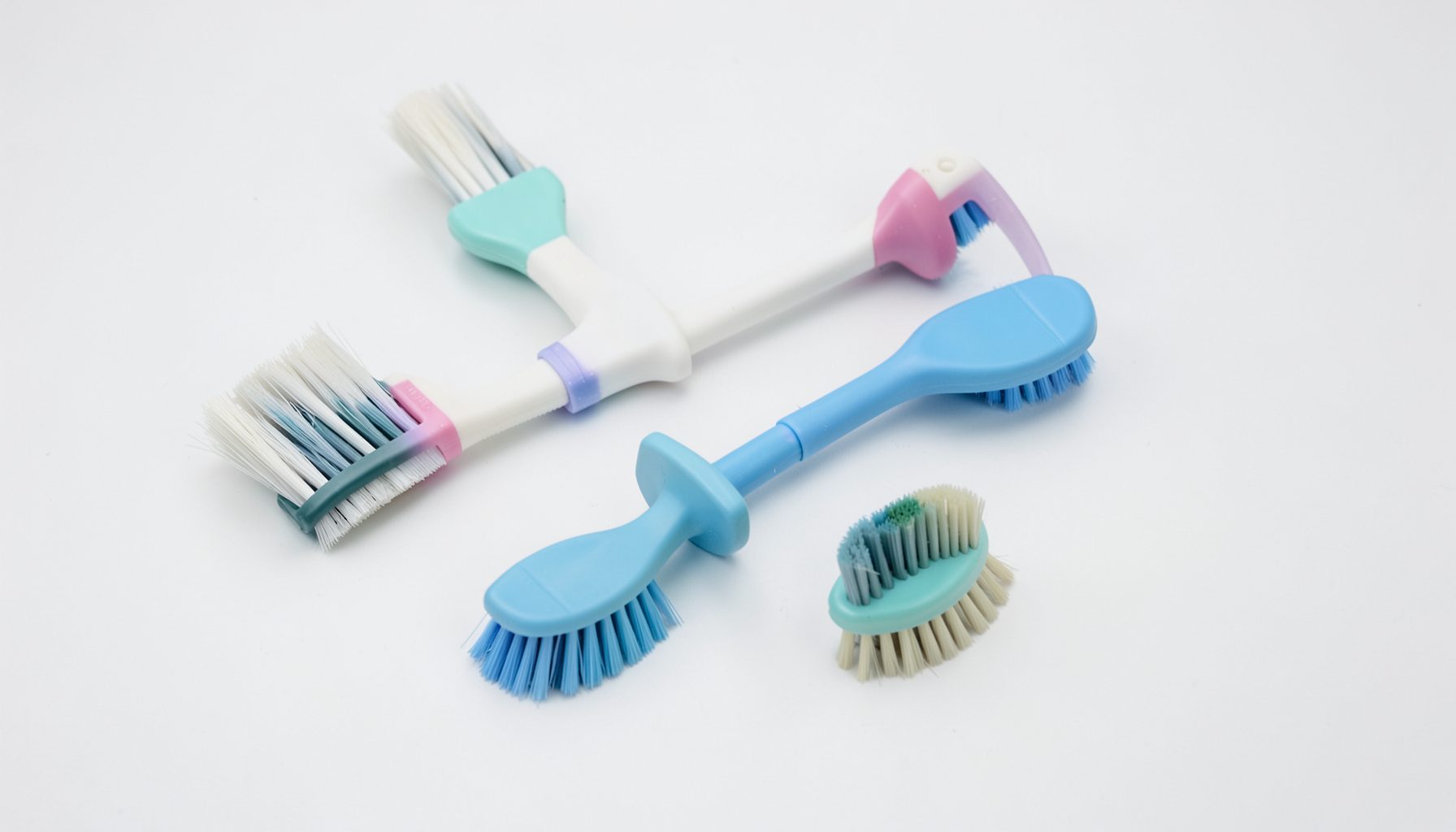
Switch nostrils and repeat. After use, rinse the bottle and let it air dry. Use ResQRinse Premium Cleaning Brushes for thorough cleaning.
Seasonal Nasal Rinsing Tips For Australian Conditions
Nasal congestion does not feel the same throughout the year. In an Australian summer, heat, humidity, swimming pools, air conditioning and airborne dust can irritate the nose. Winter may bring cold air, indoor heating, respiratory infections and thicker mucus. Your saline rinse can remain part of a consistent routine, but small changes to timing, temperature and technique can make it more comfortable.
A squeeze-bottle system such as ResQRinse gives you control over pressure and flow, which is useful when nasal passages are sensitive or blocked. The aim is a gentle wash that helps clear mucus, allergens and irritants without forcing fluid through a painful or completely closed passage.
Seasonal adjustment does not mean using a stronger mixture or rinsing excessively. It means responding to the conditions around you while following safe preparation and cleaning habits. Use distilled, sterile or previously boiled and cooled water, prepare saline according to the packet directions, and stop if you experience sharp pain, persistent bleeding or worsening symptoms.
Summer Congestion And Outdoor Irritants
Australian summers can expose your nose to several irritants in a single day. You might move from dry dust on a suburban footpath to chlorinated pool water, then spend hours in refrigerated air conditioning. Beaches and coastal areas can add salt spray, while inland regions may experience hot winds and airborne particles. These conditions can leave the nasal lining feeling dry, swollen or gritty.
A rinse after outdoor activity may help remove dust, pollen and other particles before they remain in contact with the nasal lining. It is usually best to wait until you are home, have washed your hands and can use clean equipment. A lukewarm solution is often more comfortable than a cold rinse after being outdoors in the heat.
Swimming can be particularly irritating for people who react to pool chemicals. If chlorine exposure is a recurring trigger, read about chlorine sensitivity and consider rinsing after leaving the pool rather than immediately before swimming. Nasal irrigation cannot prevent every reaction, so persistent symptoms deserve advice from a GP or pharmacist.
Winter Air And Thicker Mucus
Winter air can be cold and dry, especially in Canberra, inland New South Wales, regional Victoria and parts of Tasmania. Heated rooms may dry the nose further, while time spent indoors can increase exposure to dust, mould or shared respiratory viruses. Mucus may feel thicker during this period, making a slow, patient rinse more comfortable than a forceful one.
Use a comfortably warm saline solution, never hot water. Before rinsing, gently blow your nose if you can do so without straining. Lean forward over the sink, keep your mouth open and allow the fluid to travel through the nose and out of the other nostril or mouth. If one side is severely blocked, reduce pressure rather than squeezing harder.
Winter colds can cause swelling that makes irrigation feel different from allergy-related congestion. A rinse may help clear mucus, but it does not replace medical care for severe sinus pain, high fever, breathing difficulty or symptoms that continue to worsen. If symptoms last longer than expected, an Australian GP can check for sinusitis, infection or another cause.
Changing Pressure For Comfort
Pressure is the most important technique adjustment between a mildly irritated summer nose and a heavily congested winter nose. Start with a gentle squeeze and increase only as needed. The bottle should create a steady flow, not a sudden blast. If your ears feel full or painful, pause and reduce the pressure at the next attempt.
Position matters as much as force. Bend over the basin, tilt your head slightly forward and turn it to one side. Avoid tipping your head backwards, which can send saline towards the throat. Keep breathing through your mouth and let the liquid drain naturally instead of trying to hold it in.
A squeeze bottle can be easier to control than a traditional neti pot when you need to adjust flow during changing conditions. However, comfort is the guide. A rinse should feel cleansing rather than pressurised, and mild temporary drainage after use is generally more acceptable than ear pain or burning.
Adjusting Timing Around Allergies
Seasonal allergies vary across Australia. Grass pollen can be a major issue in spring and early summer, while some people react to flowering trees, weeds or local environmental changes. In Melbourne and Adelaide, windy days may carry pollen and dust; in Brisbane and northern coastal areas, humidity and mould may be more relevant. Your own symptom pattern is more useful than a fixed calendar.
If outdoor exposure triggers sneezing and a runny nose, rinsing after returning home may wash away particles before bedtime. On high-pollen days, change clothes and shower before sleeping as well. A morning rinse may suit people who wake congested, while an evening rinse can be useful after gardening, sport or time in a park.
Avoid rinsing immediately after using a medicated nasal spray unless a clinician or product instructions say otherwise. Irrigation can wash medication away. If you use both, ask a pharmacist about the correct order and waiting time. Saline rinsing should complement an allergy plan rather than replace prescribed treatment.
Managing Air Conditioning And Indoor Heating
Air conditioning is common through hot Australian summers, from homes in Queensland to offices, shopping centres and long car trips. Cool, moving air can make the nose feel dry even when outdoor humidity is high. Winter heaters can have a similar effect. Spending many hours in climate-controlled spaces may create a cycle of dryness, crusting and congestion.
In these conditions, avoid making the saline more concentrated to chase a stronger sensation. Follow the packet instructions carefully, because excess salt can sting and irritate the nasal lining. A properly mixed isotonic solution is generally a comfortable starting point. If dryness persists, a healthcare professional can advise whether a nasal moisturising product or another approach is appropriate.
Keep your rinse routine practical rather than automatic. You may need it after a long flight, a dusty commute or a day in an air-conditioned workplace, but daily use is not required for everyone. Monitor how your nose responds and reduce frequency if rinsing causes ongoing dryness, irritation or nosebleeds.
Travel, Sport And Family Use
Summer holidays often involve road trips, camping, flights between Australian cities or weekends at the coast. A compact kit can help you maintain a familiar routine without carrying a large collection of supplies. Pack saline sachets, the bottle, cleaning accessories and a sealable bag, while remembering that water safety still applies when travelling. This travel rinse kit guide can help you organise the essentials.
Do not mix saline in advance unless the product instructions specifically allow it. Freshly prepared solution is preferable, and leftover liquid should be discarded. At a campsite or remote location, use commercially sterile or distilled water where available, or boil suitable water and allow it to cool completely before mixing. Bottled water is not automatically sterile, so check the label rather than assuming it is safe for nasal irrigation.
A family may share the same type of system, but each person should have their own bottle or personal components. Children need close supervision, especially when they are learning how to lean forward and breathe through the mouth. Read about sharing a rinse bottle before creating a household routine.
Cleaning And Seasonal Storage
Warm weather can encourage faster bacterial growth if equipment is left damp or poorly ventilated. After each use, empty the bottle, rinse it as directed and allow all parts to air-dry completely. A cleaning brush can help reach internal surfaces, but it should itself be kept clean and replaced when worn. Do not store the bottle closed while it is still wet.
Winter storage has its own problems. A bottle left in a cold bathroom may be uncomfortable to use, while a damp kit in a cupboard can develop odours or contamination. Keep components in a clean, dry place away from direct sunlight and household chemicals. Follow the manufacturer’s instructions for sanitising and replacing parts rather than relying on appearance alone.
Check the bottle, cap and nozzle at the start of each season. Cracks, cloudiness, sticky residue or damaged seals are reasons to replace components. Keeping a spare set of saline sachets and a clean brush on hand can make the routine easier during allergy season, winter colds or an unexpected trip.
Adjusting your rinse technique for different seasons is mostly about comfort, pressure, timing and hygiene. Use a gentle flow in a swollen nose, lukewarm saline in dry conditions, and a post-exposure rinse after pollen, dust, swimming or smoky outdoor air. Choose safe water every time and seek clinical advice when symptoms are severe or unusual.
Explore the ResQRinse range through the brand’s online retail partners, including Amazon and Walmart where available, and choose the bottle, children’s option, saline packets or nasal mist that fits your household routine. A consistent, carefully cleaned system can make seasonal nasal care simpler from a humid Queensland summer to a frosty Canberra morning.