ResQRinse is the nasal irrigation squeeze bottle that eliminates head-tilting and awkward neck positions. Using proprietary Nasal Lock™ technology, it delivers a comfortable, gag-free sinus cleanse — no more saline dripping down your throat.

Relief From Fall Sneezes
Now sold on Walmart.com. Free shipping on orders $30+. Try ResQRinse today with your everyday purchases.
Shop at WalmartWhy ResQRinse?
Nasal rinsing helps relieve congestion from colds, allergies, sinusitis, hay fever, and environmental pollutants. ResQRinse makes it comfortable enough to become a daily habit.
Nasal Lock™ Technology
Isolates sinuses from the throat using natural choanal occlusion — like inflating a balloon — so saline stays where it belongs.
Learn more →
Drug-Free Relief
Uses premixed saline packets with distilled water. No medications, no preservatives — just a natural cleanse for your nasal passages.
How to rinse →
For Kids Too
ResQRinse for Kids features a comfort nasal tip right-sized for smaller nostril openings, making rinsing gentle and easy for children.
Shop kids' version →
Breath-Controlled Flow
You control the saline flow with your own breath pressure — high volume, low pressure irrigation that's comfortable and effective.
Watch how-to videos →
Better Compliance
Designed to overcome the gagging and discomfort that cause people to abandon traditional neti pots and nasal rinse systems.
Our story →
Complete Kits Available
From the basic ResQRinse Nasal Rinse System ($19.99) to 90-day complete kits, saline packets, cleaning brushes, and Sinoptim Nasal Mist.
Browse all products →Get Started with ResQRinse
Ready to experience a better nasal rinse? Fill out the form below and we'll help you find the right product — or follow the simple steps to begin rinsing today.
Request More Information
How to Use ResQRinse
Fill the Bottle
Fill the ResQRinse squeeze bottle with distilled or previously boiled water and add one premixed saline packet.
Position the Tip
Place the comfort tip gently against one nostril. No head-tilting or awkward neck angles needed.
Squeeze & Breathe
Squeeze the bottle gently while breathing through your mouth. Nasal Lock™ keeps saline in your nasal passages and out of your throat.
Repeat & Clean
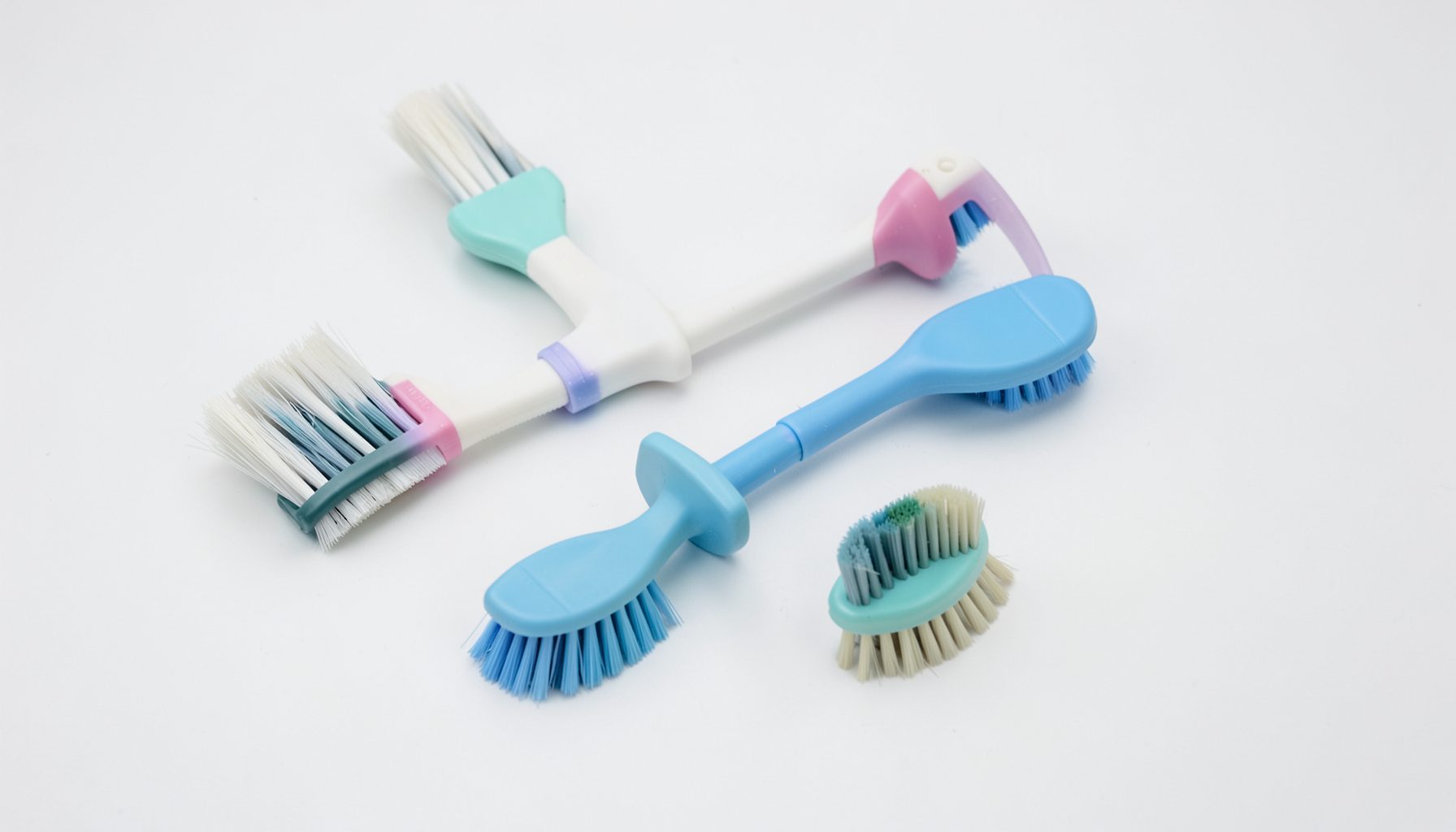
Switch nostrils and repeat. After use, rinse the bottle and let it air dry. Use ResQRinse Premium Cleaning Brushes for thorough cleaning.
Can Nasal Rinse Help With Chlorine Sensitivity
Swimming pools, hot tubs, and heavily chlorinated indoor spaces can leave some people with a burning nose, excess mucus, sneezing, dryness, or a lingering chemical smell. These symptoms may result from irritation of the nasal lining rather than a true chlorine allergy. The strength of the reaction can depend on chlorine levels, ventilation, time spent in the water, and individual sensitivity.
A nasal rinse may help remove residual chlorine compounds, mucus, and other airborne or water-related irritants from the nasal passages. It can provide temporary comfort after swimming, but it does not prevent every reaction or treat serious breathing problems. Understanding what a rinse can and cannot do makes it easier to use one safely.
What Chlorine Exposure Can Do to the Nose
Chlorine is used to disinfect pools, but it can combine with sweat, skin particles, and other organic material to form chloramines. These compounds contribute to the sharp “pool smell” often noticed indoors. Chloramines can irritate the eyes, throat, lungs, and nasal tissues, especially in poorly ventilated facilities.
Nasal symptoms may include stinging, congestion, watery discharge, sneezing, postnasal drip, and dryness. People with allergic rhinitis, asthma, chronic sinus problems, or sensitive airways may notice discomfort sooner than others. A reaction that occurs only during or after pool exposure is often consistent with irritation, although an individual medical assessment is needed to identify the exact cause.
A rinse works mechanically. It can wash away mucus and particles that remain on the nasal lining after exposure. This may reduce the amount of irritant present and help restore a more comfortable sensation, but it does not neutralize chlorine throughout the body or replace treatment for asthma or a significant respiratory reaction.
How Saline Rinsing May Provide Relief
A properly prepared saline solution is designed to match the salt concentration of nasal tissues more closely than plain water. This helps reduce the stinging that can occur when water alone contacts the nasal lining. The flowing solution loosens thick mucus and carries it out through the other nostril or the mouth, depending on positioning.
For pool-related irritation, rinsing soon after leaving the water may help clear residue before it remains on the nasal passages for an extended period. It may also be useful after spending time near an indoor pool where chloramine-rich air causes congestion. Relief varies, and a rinse may be more helpful for surface irritation and mucus than for symptoms driven by an underlying allergy.
A squeeze-bottle system can provide controlled flow and pressure, while features such as ResQRinse Nasal Lock technology are designed to help direct the solution comfortably through the nasal passages. Users should follow the instructions supplied with their specific product rather than forcing fluid when the nose is completely blocked.
When a Rinse Is Not Enough
Nasal irrigation may ease local nasal symptoms, but it cannot treat wheezing, chest tightness, severe coughing, dizziness, or difficulty breathing after chlorine exposure. Those symptoms may indicate a more serious airway response and require prompt medical attention. Anyone with asthma should follow their clinician’s action plan and seek urgent help when prescribed rescue treatment does not provide relief.
A rinse may also be insufficient when symptoms come from seasonal allergies, nasal polyps, infection, or chronic inflammation. Persistent facial pressure, fever, worsening one-sided pain, foul-smelling drainage, repeated nosebleeds, or symptoms that continue away from pool environments should be evaluated by a healthcare professional.
Some people confuse chlorine irritation with infection because congestion and drainage can occur in both situations. The timing of symptoms is useful: irritation often begins during or soon after exposure and improves when the person leaves the environment. Recurrent or prolonged symptoms deserve a broader assessment rather than increasingly frequent rinsing.
Safe Rinsing After Swimming or Irritant Exposure
Water safety is essential. Use distilled or sterile water, or tap water that has been boiled and cooled according to public-health guidance. Untreated tap water can contain organisms that are generally harmless when swallowed but unsafe when introduced into the nasal passages. Do not use pool water, bottled drinking water that is not labeled sterile or distilled, or water from an uncertain source.
Use the saline packets intended for the irrigation device, or prepare a solution only from a medically reliable recipe. Too little salt can sting, while too much may feel harsh and dry. Lukewarm solution is usually more comfortable than very cold or hot water. Never share a nasal rinse bottle, and clean and dry the system after each use as directed.
People new to irrigation can review the brand’s rinse technique videos to see positioning, flow, and cleaning steps. Children should use an age-appropriate system with adult supervision. Stop if rinsing causes intense pain, ear pressure, significant bleeding, or symptoms that worsen instead of easing.
Selecting a Comfortable Nasal Rinse System
Different irrigation designs suit different routines. A squeeze bottle can be convenient after swimming because it is portable and offers a consistent stream. A neti pot provides a gentler gravity-fed flow, while a nasal mist may be preferable for light dryness when a full rinse is unnecessary. The best option is one that can be used correctly, cleaned easily, and tolerated without excessive pressure.
The following comparison can help distinguish the main approaches. Product features vary, so instructions and age recommendations should always be checked before use.
| Option | Best suited for | Potential advantage | Important consideration |
|---|---|---|---|
| Squeeze-bottle rinse | Mucus, congestion, and post-swimming irritation | Controlled flow and portable design | Use gentle pressure and correct positioning |
| Neti pot | Users who prefer gravity-fed irrigation | Simple, low-pressure delivery | Requires steady head positioning |
| Nasal mist | Mild dryness or quick moisture | Convenient and less fluid-intensive | May not remove thick mucus or irritants |
| Saline packets | Consistent solution preparation | Premeasured ingredients | Must be mixed with safe water |
| Children’s rinse system | Supervised pediatric nasal care | Smaller, age-appropriate design | Follow age guidance and never force the rinse |
A complete kit may be practical for people who swim regularly because it can combine the bottle, saline packets, and cleaning accessories. Cleaning brushes are useful for reaching internal surfaces where residue might collect. A well-maintained device is more hygienic and more likely to deliver a predictable experience.
Building a Sensible Post-Pool Routine
Rinse your face and shower after swimming to remove chlorine-containing water from the skin and hair. If nasal irritation is a recurring problem, leave the pool area promptly, choose facilities with good ventilation, and avoid spending additional time near strong chemical odors. Wearing a properly fitted nose clip while swimming may also reduce water entering the nasal passages, although it will not eliminate exposure to the surrounding air.
After a rinse, avoid aggressive nose blowing, which can increase pressure in the ears and sinuses. Gently clear each nostril separately and allow the tissues time to settle. A saline mist can provide additional moisture between full irrigations, particularly in dry indoor environments.
People exposed to multiple airborne irritants may find that the same cleansing routine helps after smoke, dust, or strong fragrances. ResQRinse’s guidance on clearing inhaled irritants explains why gentle saline irrigation can be useful when unwanted particles and mucus collect in the nasal passages. The principle is similar, although chlorine exposure has its own environmental triggers.
Practical Steps for Safer, More Comfortable Use
A rinse is most effective when it becomes a careful, limited part of nasal care rather than an aggressive response to every sensation. Use it when symptoms match surface irritation and follow the product directions closely. Overuse or excessively forceful irrigation can leave the nose feeling dry or sore.
Keep a record of when symptoms occur, such as during indoor swimming, after hot-tub use, or in a facility with a strong chemical odor. This can help identify patterns and provide useful information to a clinician if symptoms persist.
- Use sterile, distilled, or correctly boiled and cooled water every time.
- Mix the solution with the recommended saline packet or a trusted medical formula.
- Rinse gently after exposure, without forcing fluid through a blocked nose.
- Clean, dry, and store the device according to its instructions.
- Seek medical care for breathing difficulty, repeated bleeding, severe pain, fever, or persistent symptoms.
A nasal rinse can be a useful way to wash away mucus and surface irritants after pool exposure, but it should be one part of a broader approach. Choose an appropriately sized ResQRinse system, follow safe-water practices, and use the product as directed to support comfortable nasal care after chlorine exposure.