ResQRinse is the nasal irrigation squeeze bottle that eliminates head-tilting and awkward neck positions. Using proprietary Nasal Lock™ technology, it delivers a comfortable, gag-free sinus cleanse — no more saline dripping down your throat.

Relief From Fall Sneezes
Now sold on Walmart.com. Free shipping on orders $30+. Try ResQRinse today with your everyday purchases.
Shop at WalmartWhy ResQRinse?
Nasal rinsing helps relieve congestion from colds, allergies, sinusitis, hay fever, and environmental pollutants. ResQRinse makes it comfortable enough to become a daily habit.
Nasal Lock™ Technology
Isolates sinuses from the throat using natural choanal occlusion — like inflating a balloon — so saline stays where it belongs.
Learn more →
Drug-Free Relief
Uses premixed saline packets with distilled water. No medications, no preservatives — just a natural cleanse for your nasal passages.
How to rinse →
For Kids Too
ResQRinse for Kids features a comfort nasal tip right-sized for smaller nostril openings, making rinsing gentle and easy for children.
Shop kids' version →
Breath-Controlled Flow
You control the saline flow with your own breath pressure — high volume, low pressure irrigation that's comfortable and effective.
Watch how-to videos →
Better Compliance
Designed to overcome the gagging and discomfort that cause people to abandon traditional neti pots and nasal rinse systems.
Our story →
Complete Kits Available
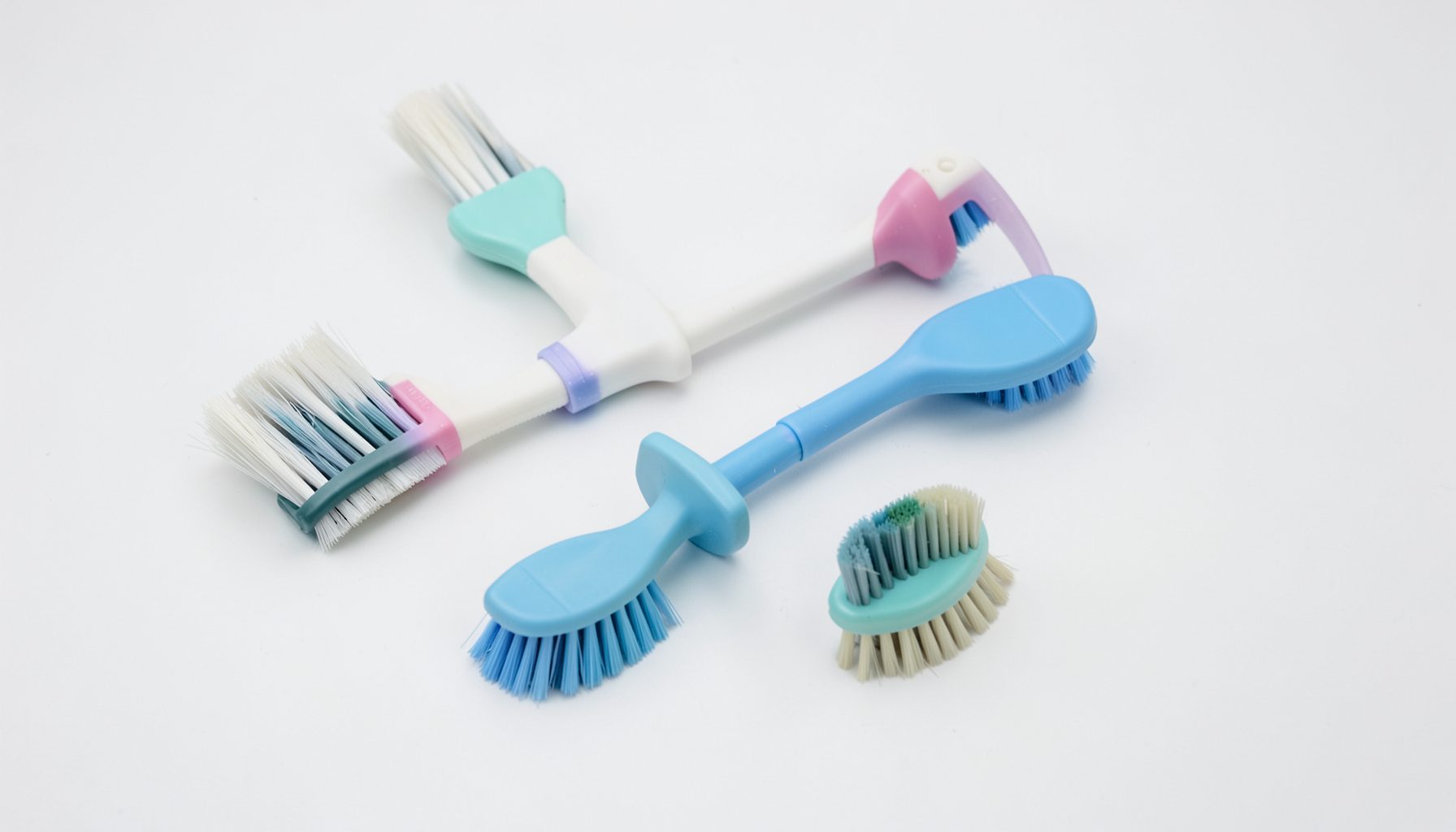
From the basic ResQRinse Nasal Rinse System ($19.99) to 90-day complete kits, saline packets, cleaning brushes, and Sinoptim Nasal Mist.
Browse all products →Get Started with ResQRinse
Ready to experience a better nasal rinse? Fill out the form below and we'll help you find the right product — or follow the simple steps to begin rinsing today.
Request More Information
How to Use ResQRinse
Fill the Bottle
Fill the ResQRinse squeeze bottle with distilled or previously boiled water and add one premixed saline packet.
Position the Tip
Place the comfort tip gently against one nostril. No head-tilting or awkward neck angles needed.
Squeeze & Breathe
Squeeze the bottle gently while breathing through your mouth. Nasal Lock™ keeps saline in your nasal passages and out of your throat.
Repeat & Clean
Switch nostrils and repeat. After use, rinse the bottle and let it air dry. Use ResQRinse Premium Cleaning Brushes for thorough cleaning.
Adjusting your nasal rinse technique for stuffy and runny noses
Australians know the misery of nasal symptoms. From Melbourne's spring pollen count to Perth's summer dust, the nose takes a beating across the continent. Hay fever affects roughly one in five people in Australia, making the country one of the global hotspots for allergic rhinitis. Thunderstorm asthma events in Victoria have also put sinus health in the national conversation, particularly for people who already struggle with wheezy chests during grass pollen peaks.
Many reach for a squeeze bottle or neti pot when symptoms flare, assuming the technique is the same regardless of what is happening inside the nose. In reality, a blocked passage and a streaming one call for quite different approaches. Getting the pressure, head angle, and salinity right for each situation makes the difference between a comfortable rinse and a session that leaves you more congested than before.
This article walks through the practical adjustments that matter most. Whether you are using ResQRinse for the first time or refining a routine you have had for years, the principles below apply across most squeeze-bottle systems available through Australian pharmacies and retailers including Chemist Warehouse and Priceline.
How stuffy and runny noses respond differently to saline
A blocked nose happens because the turbinates inside the nasal passages swell in response to allergens, infection, or dryness. The soft tissue fills with blood and fluid, narrowing the airway and making each breath feel like sucking air through a straw. A runny nose, by contrast, is the body actively flushing the passages with watery mucus, often because an irritant has triggered gland activity in the lining of the sinuses.
Because the underlying problems differ, the goal of rinsing also differs. With congestion, the goal is to shrink swollen tissue, dislodge thick mucus, and reopen the airway. With a runny nose, the mucus is already on the move, and the goal is to clear residual irritants without overwhelming tissue that is already inflamed. The Nasal Lock design used in ResQRinse squeeze bottles helps by creating a steady seal against one nostril, which gives you more control over flow direction in both situations.
Treating both with the same forceful blast tends to backfire. Force on a runny nose can drive fluid into the eustachian tubes, while timid flushing on a blocked nose leaves the mucus sitting in place.
Water temperature, salinity, and the Australian context
Salinity is the first dial to adjust. Isotonic saline, which matches the salt concentration of the body, suits most daily use and feels gentle on sensitive tissue. Hypertonic saline, which is saltier than the body, draws fluid out of swollen passages and tends to work better when the nose feels blocked shut. For a runny nose, isotonic is usually enough, since the goal is gentle cleansing rather than aggressive decongestion.
Water quality matters under Australian conditions. The Therapeutic Goods Administration recommends using sterile, distilled, or filtered water that has been boiled and cooled, particularly in rural areas where bore water or tank water may carry organisms that do not belong inside the sinuses. Pre-measured saline packets take the guesswork out of concentration and pair neatly with most squeeze bottles on the market.
Temperature is the small detail that affects comfort more than people realise. Lukewarm water, close to body temperature, prevents the brief head-rush that cold water causes and reduces the chance of triggering a stinging sensation in already sensitive tissue.
Calibrating squeeze force during congestion
When the nose is blocked, the temptation is to squeeze harder, but the opposite works better. Gentle, sustained pressure lets the saline reach the back of the nasal cavity and the sinuses without slamming into swollen tissue. Begin with a slow squeeze, then maintain steady pressure for the duration of the rinse. If the solution does not flow out of the opposite nostril within a few seconds, pause, breathe through the mouth, and try again with the head angled slightly forward rather than tipped back.
Practising the step by step guide is worthwhile when you have time. Standing over a bathroom basin with the chin tucked toward the chest keeps the soft palate closed and prevents solution from running down the throat.
A blocked nose often responds better to two shorter rinses than one long session. Splitting the volume lets you clear one nostril at a time, which helps when one side is more congested than the other, a common pattern during sleep when people tend to lie on one side.
Softer flow when your nose is already streaming
A runny nose feels like it does not need rinsing, but a gentle session can clear residual pollen, dust, or irritants that are triggering the response. The technique needs to be softer than for a blocked nose, because the passages are already producing fluid and the tissue is often raw.
Use a slower squeeze and aim for an isotonic solution rather than a hypertonic one. The goal is to wash, not to shrink. Tilting the head forward and breathing through the mouth keeps the solution flowing out the lower nostril rather than pooling at the back of the throat. Sessions can be shorter too, since there is less mucus to move.
Pet dander is a common trigger for streaming noses, particularly in homes with cats and dogs. People dealing with animal allergens often find that a gentle rinse shortly after contact helps clear dander before it settles into deeper passages. Many of the same principles used for managing pet allergy symptoms apply to daily runny nose care.
If you rinse after blowing your nose, wait a few minutes so the tissue has settled. Rinsing immediately after blowing can leave it tender and may increase the urge to blow again within minutes.
Timing, breathing, and head position
Most Australians find a morning rinse helpful during spring, because overnight pollen accumulates in the nose and sinuses. An additional rinse after returning home from work or school can clear the day's exposure, especially during high pollen days in cities like Brisbane and Sydney, where counts peak in the early afternoon.
Breathing steadily through the mouth is the part beginners struggle with most. The instinct to breathe through the nose kicks in as soon as solution enters the passage, but doing so can pull liquid toward the throat or sinuses. Practising slow mouth breaths away from the sink helps build the habit before the actual rinse.
Posture also matters. Sitting or standing upright with the head tilted forward keeps the solution moving along the floor of the nasal cavity. Tilting the head back sends solution toward the upper sinuses and the throat, which is uncomfortable and can trigger coughing.
Common technique mistakes that worsen symptoms
Squeezing too hard is the most common error. Forceful irrigation can push fluid into the sinuses faster than it can drain, leaving you feeling waterlogged for an hour afterwards. Always begin with the lightest pressure that produces flow and build up only if needed.
Using cold water is the second. Cold solution triggers a strong sensory response that can leave the nose more congested immediately after rinsing, which discourages people from continuing with what is otherwise a helpful routine.
Skipping cleaning is the third. Squeeze bottles and their tips harbour biofilm if left damp. Rinsing the bottle with sterile water after each use, drying the tip, and replacing the device every few months keeps bacteria from being part of the therapy.
Forgetting to blow gently between rinses is the fourth. Vigorous blowing right after rinsing forces saline back into the sinuses. A soft blow, with the mouth open, clears residual fluid without driving it deeper.
Travelling, working, and Australian lifestyle habits
Australians are mobile, and nasal care needs to move with them. A compact travel kit with a small squeeze bottle, a few saline packets, and a cleaning brush fits easily in a carry-on bag. It is particularly useful on routes that cross climate zones, such as flying from Hobart's cool spring to Brisbane's humid summer, where sudden humidity shifts can trigger congestion.
For people who work outdoors in regional areas, from cattle stations in the Northern Territory to vineyards in South Australia, dust exposure is part of the job. A midday rinse in the workshop or ute can keep symptoms manageable through long shifts.
Across these varied contexts, sinus wellness is part of broader health routines, and many Australians planning longer trips now compare online pharmacy pricing alongside packing their saline supplies, particularly when heading overseas for extended stays where familiar brands may not be available.
Practical adjustments worth keeping in mind
- Match salinity to the symptom: hypertonic for blockage, isotonic for a runny nose
- Use lukewarm, sterile or filtered water rather than cold tap water
- Start with gentle squeeze pressure and build up only as needed
- Rinse in the morning during high pollen seasons and after returning home from outdoor exposure
- Pack a compact kit when travelling so the technique can be maintained away from home
Adjusting the squeeze pressure, the salinity, and the timing of your rinse makes the difference between a session that relieves symptoms and one that adds to the discomfort. Australians dealing with spring hay fever, summer dust, or winter sinus infections can apply the same principles year-round.
Time to put these adjustments into practice. The ResQRinse range is available online through Walmart and Amazon, with squeeze bottles, saline packets, cleaning brushes, and complete kits designed to suit both blocked and runny noses.