ResQRinse is the nasal irrigation squeeze bottle that eliminates head-tilting and awkward neck positions. Using proprietary Nasal Lock™ technology, it delivers a comfortable, gag-free sinus cleanse — no more saline dripping down your throat.

Relief From Fall Sneezes
Now sold on Walmart.com. Free shipping on orders $30+. Try ResQRinse today with your everyday purchases.
Shop at WalmartWhy ResQRinse?
Nasal rinsing helps relieve congestion from colds, allergies, sinusitis, hay fever, and environmental pollutants. ResQRinse makes it comfortable enough to become a daily habit.
Nasal Lock™ Technology
Isolates sinuses from the throat using natural choanal occlusion — like inflating a balloon — so saline stays where it belongs.
Learn more →
Drug-Free Relief
Uses premixed saline packets with distilled water. No medications, no preservatives — just a natural cleanse for your nasal passages.
How to rinse →
For Kids Too
ResQRinse for Kids features a comfort nasal tip right-sized for smaller nostril openings, making rinsing gentle and easy for children.
Shop kids' version →
Breath-Controlled Flow
You control the saline flow with your own breath pressure — high volume, low pressure irrigation that's comfortable and effective.
Watch how-to videos →
Better Compliance
Designed to overcome the gagging and discomfort that cause people to abandon traditional neti pots and nasal rinse systems.
Our story →
Complete Kits Available
From the basic ResQRinse Nasal Rinse System ($19.99) to 90-day complete kits, saline packets, cleaning brushes, and Sinoptim Nasal Mist.
Browse all products →Get Started with ResQRinse
Ready to experience a better nasal rinse? Fill out the form below and we'll help you find the right product — or follow the simple steps to begin rinsing today.
Request More Information
How to Use ResQRinse
Fill the Bottle
Fill the ResQRinse squeeze bottle with distilled or previously boiled water and add one premixed saline packet.
Position the Tip
Place the comfort tip gently against one nostril. No head-tilting or awkward neck angles needed.
Squeeze & Breathe
Squeeze the bottle gently while breathing through your mouth. Nasal Lock™ keeps saline in your nasal passages and out of your throat.
Repeat & Clean
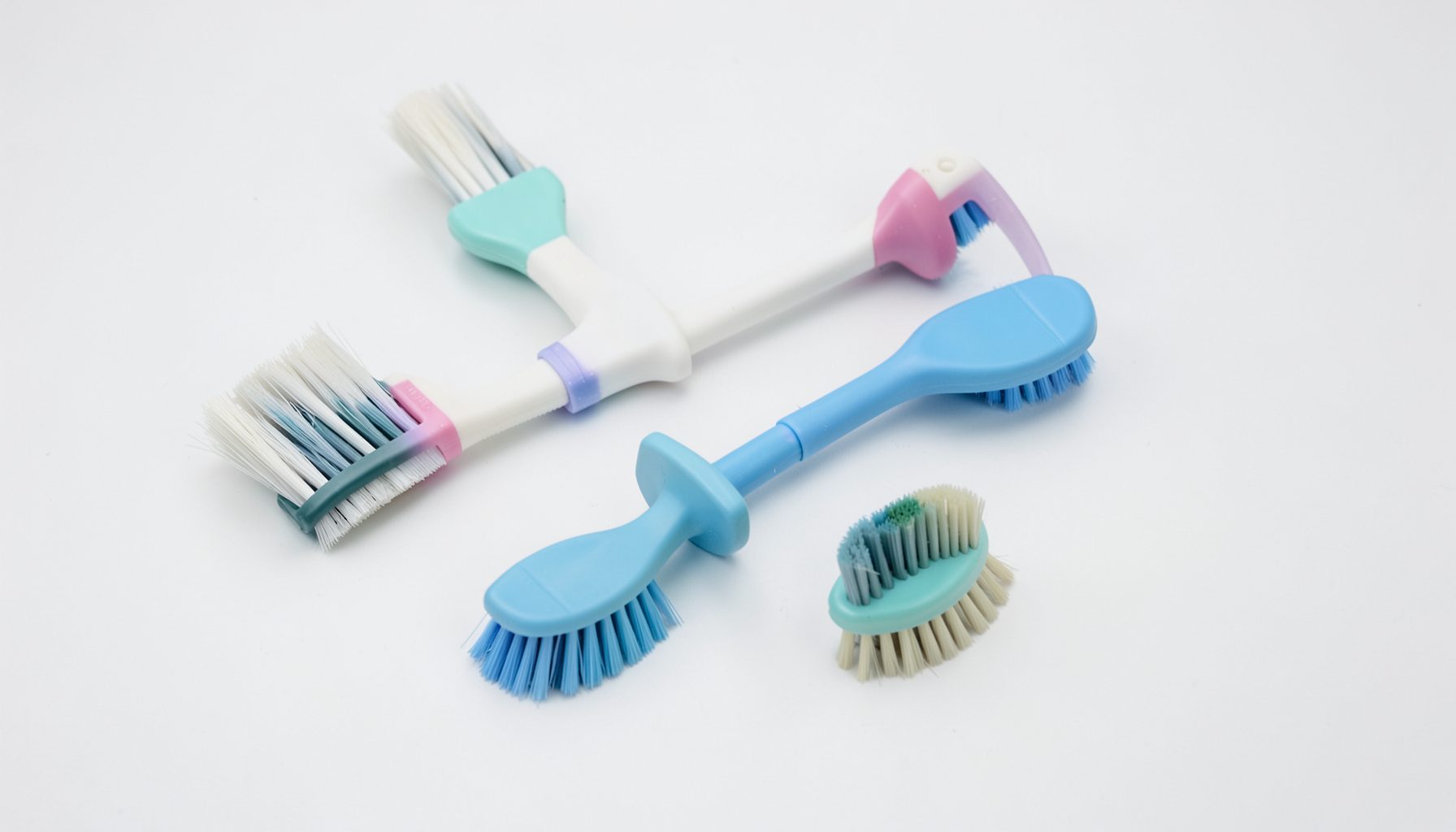
Switch nostrils and repeat. After use, rinse the bottle and let it air dry. Use ResQRinse Premium Cleaning Brushes for thorough cleaning.
How to Rinse Your Nose While Bent Over a Sink
Nasal irrigation can help wash away mucus, pollen, dust, and other irritants when your nose feels blocked or uncomfortable. A sink provides a convenient place to rinse because it catches the solution as it flows through your nasal passages, keeping the process contained and easier to clean up.
The most comfortable technique depends on your posture, the shape of your irrigation device, and the pressure you use. Bending over a sink can work well when you keep your head angled correctly and allow the saline to move gently from one nostril to the other.
A squeeze-bottle system such as ResQRinse is designed to make this process straightforward. Its Nasal Lock technology helps create a comfortable seal around the nostril, while a controlled stream guides saline through the nasal passages without requiring the tipping motion associated with many traditional neti pots.
Prepare The Sink And Your Supplies
Start by clearing enough space around the sink to stand comfortably. You will need your nasal rinse bottle or neti pot, a saline packet or properly prepared saline solution, clean water, and a tissue or towel. Removing clutter helps you maintain your balance and prevents the device from touching potentially dirty surfaces.
Wash your hands before handling the bottle, cap, or nozzle. If you are using a squeeze bottle for the first time that day, check that every component is clean and fully assembled. A brush designed for nasal rinse systems can help clean the inside of narrow bottle openings and the nozzle after use.
Use water labeled distilled or sterile, or tap water that has been boiled and cooled according to public health guidance. Ordinary unboiled tap water may contain organisms that are safe to swallow but unsafe in the nasal passages, so review this explanation of tap water safety before preparing a rinse.
Mix A Comfortable Saline Solution
Fill the bottle with the amount of safe water recommended in the product instructions. Add the correct quantity of premixed saline powder rather than estimating salt from the kitchen. Nasal rinse packets are formulated to create a balanced solution that is less likely to sting than plain water or an overly salty mixture.
Close the bottle securely and shake it until the powder dissolves. The solution should feel lukewarm or close to body temperature. Water that is too hot can irritate the nasal lining, while cold water may feel unpleasant and cause temporary discomfort.
Do not add essential oils, medication, soap, or other ingredients unless a qualified healthcare professional specifically instructs you to do so. If the solution burns sharply, stop and check the water source, packet amount, temperature, and expiration date. Persistent burning may mean the nasal tissue is irritated or that irrigation is not suitable at that time.
Find The Right Bent-Over Position
Stand close to the sink and lean forward from your hips so your face is directly above the basin. Keep your back reasonably comfortable rather than folding sharply at the waist. Open your mouth and breathe through it while rinsing; this helps reduce the urge to inhale through your nose.
Tilt your head slightly to one side, with one nostril higher than the other. Avoid turning your face completely toward the ceiling or pressing your chin tightly to your chest. The goal is to create a clear path through the nasal passages while allowing the used saline to drain into the sink.
Place the nozzle gently against the upper nostril and create a comfortable seal. Do not force it deeply into the nose. Keep your lips parted, relax your jaw, and begin with light pressure. If the solution runs into your throat, adjust your head angle slightly forward or to the side and spit it out rather than swallowing a large amount.
| Feature | Squeeze-Bottle Rinse | Traditional Neti Pot |
|---|---|---|
| Flow control | Pressure can be adjusted during the rinse | Flow depends mainly on head position |
| Posture | Works while leaning over a sink | Requires careful tilting of the head and pot |
| Direction | Saline is guided through the nozzle | Gravity directs the solution |
| Portability | Compact options are easy to pack | Often larger and more rigid |
| Cleaning | Bottle, cap, and nozzle need regular washing | Pot and spout need thorough cleaning |
| Best for | People who prefer adjustable flow | People comfortable with gravity-fed rinsing |
Use Gentle Pressure And Steady Breathing
Once the nozzle is positioned, squeeze the bottle slowly and evenly. Saline should enter one nostril and exit through the other nostril or the mouth. You do not need to empty the entire bottle in one continuous stream. Pause if you need to breathe, reset your posture, or wipe your nose.
Switch sides and repeat the process using the remaining solution. Keep the bottle angled according to its instructions, and avoid squeezing forcefully. Strong pressure can make the rinse uncomfortable and may push fluid toward the ears, especially when the nasal passages are severely swollen.
A mild sensation of fullness, tickling, or fluid in the throat can occur. These feelings usually improve when you lean farther forward, keep your mouth open, or reduce the flow. Stop if you experience significant ear pain, nosebleeding, dizziness, or severe discomfort.
After rinsing, remain bent over the sink for a few seconds and let any remaining fluid drain. Gently blow your nose one side at a time. Blowing too hard can increase pressure in the ears and irritate the nasal lining, so use several light attempts instead of one forceful blow.
Adjust The Technique For Congestion
When both nostrils are highly blocked, saline may not pass through immediately. Begin with a smaller amount and lower pressure. A saline mist can help moisten dry tissue before a full irrigation, although a mist generally does not provide the same flushing action as a larger-volume rinse.
If liquid comes out of the same nostril, check that your head is tilted sideways and that the nozzle is positioned at the entrance rather than pointed straight upward. Small changes in posture often improve the flow. Avoid repeatedly forcing solution through a completely blocked passage.
For children, use an age-appropriate product and provide close adult supervision. A child should be able to remain calm, breathe through the mouth, and follow simple instructions before attempting a rinse. Stop if the child resists strongly or reports pain.
People who are pregnant may often use saline nasal irrigation, but individual medical circumstances matter. Before beginning or changing a routine, review guidance about nasal rinsing during pregnancy and speak with a healthcare professional when symptoms are persistent or severe.
Clean And Store The Rinse Device
Rinse the bottle, cap, and nozzle with safe water after every use, following the manufacturer’s cleaning directions. Separate removable parts so moisture does not remain trapped inside seams or threads. Allow everything to air-dry completely in a clean area before reassembling or storing it.
Do not share a nasal irrigation device, even with family members. Replace parts when they become cracked, cloudy, difficult to clean, or worn. Saline packets should remain sealed until use and should not be used after their expiration date.
Seek medical advice if congestion lasts longer than expected, repeatedly returns, or occurs with high fever, facial swelling, severe facial pain, vision changes, or unusual discharge. Nasal irrigation can support symptom relief, but it does not replace evaluation for an infection or another underlying condition.
Build A Safer Rinse Routine
- Wash your hands and clean the device before each session.
- Use distilled, sterile, or properly boiled and cooled water.
- Mix saline packets exactly as directed and use lukewarm solution.
- Lean forward over the sink, tilt your head sideways, and breathe through your mouth.
- Stop when you feel sharp pain, significant ear pressure, dizziness, or persistent bleeding.
Rinsing once or twice daily may be appropriate for some people during allergy season or a period of congestion, but frequency should match the product directions and your comfort. If your nose feels dry after frequent use, reduce the frequency and ask a healthcare professional whether another approach would be better.
A comfortable routine is easier to maintain when the bottle fits your hand, the nozzle seals gently, and the sink setup allows you to stay relaxed. Preparing the solution carefully and using light pressure matter more than trying to make the rinse flow quickly.
Make Your Next Rinse More Comfortable
A few careful adjustments can turn a messy or uncomfortable experience into a simple part of personal care. Keep your supplies together, prepare the saline with safe water, and use the sink as a stable area where you can focus on posture and breathing.
Explore ResQRinse nasal irrigation systems, saline packets, cleaning brushes, and nasal mist options through the brand’s online shopping channels at Walmart and Amazon. Choose the format that suits your routine, follow the included instructions, and use gentle nasal care to help clear away congestion and everyday irritants.