ResQRinse is the nasal irrigation squeeze bottle that eliminates head-tilting and awkward neck positions. Using proprietary Nasal Lock™ technology, it delivers a comfortable, gag-free sinus cleanse — no more saline dripping down your throat.

Relief From Fall Sneezes
Now sold on Walmart.com. Free shipping on orders $30+. Try ResQRinse today with your everyday purchases.
Shop at WalmartWhy ResQRinse?
Nasal rinsing helps relieve congestion from colds, allergies, sinusitis, hay fever, and environmental pollutants. ResQRinse makes it comfortable enough to become a daily habit.
Nasal Lock™ Technology
Isolates sinuses from the throat using natural choanal occlusion — like inflating a balloon — so saline stays where it belongs.
Learn more →
Drug-Free Relief
Uses premixed saline packets with distilled water. No medications, no preservatives — just a natural cleanse for your nasal passages.
How to rinse →
For Kids Too
ResQRinse for Kids features a comfort nasal tip right-sized for smaller nostril openings, making rinsing gentle and easy for children.
Shop kids' version →
Breath-Controlled Flow
You control the saline flow with your own breath pressure — high volume, low pressure irrigation that's comfortable and effective.
Watch how-to videos →
Better Compliance
Designed to overcome the gagging and discomfort that cause people to abandon traditional neti pots and nasal rinse systems.
Our story →
Complete Kits Available
From the basic ResQRinse Nasal Rinse System ($19.99) to 90-day complete kits, saline packets, cleaning brushes, and Sinoptim Nasal Mist.
Browse all products →Get Started with ResQRinse
Ready to experience a better nasal rinse? Fill out the form below and we'll help you find the right product — or follow the simple steps to begin rinsing today.
Request More Information
How to Use ResQRinse
Fill the Bottle
Fill the ResQRinse squeeze bottle with distilled or previously boiled water and add one premixed saline packet.
Position the Tip
Place the comfort tip gently against one nostril. No head-tilting or awkward neck angles needed.
Squeeze & Breathe
Squeeze the bottle gently while breathing through your mouth. Nasal Lock™ keeps saline in your nasal passages and out of your throat.
Repeat & Clean
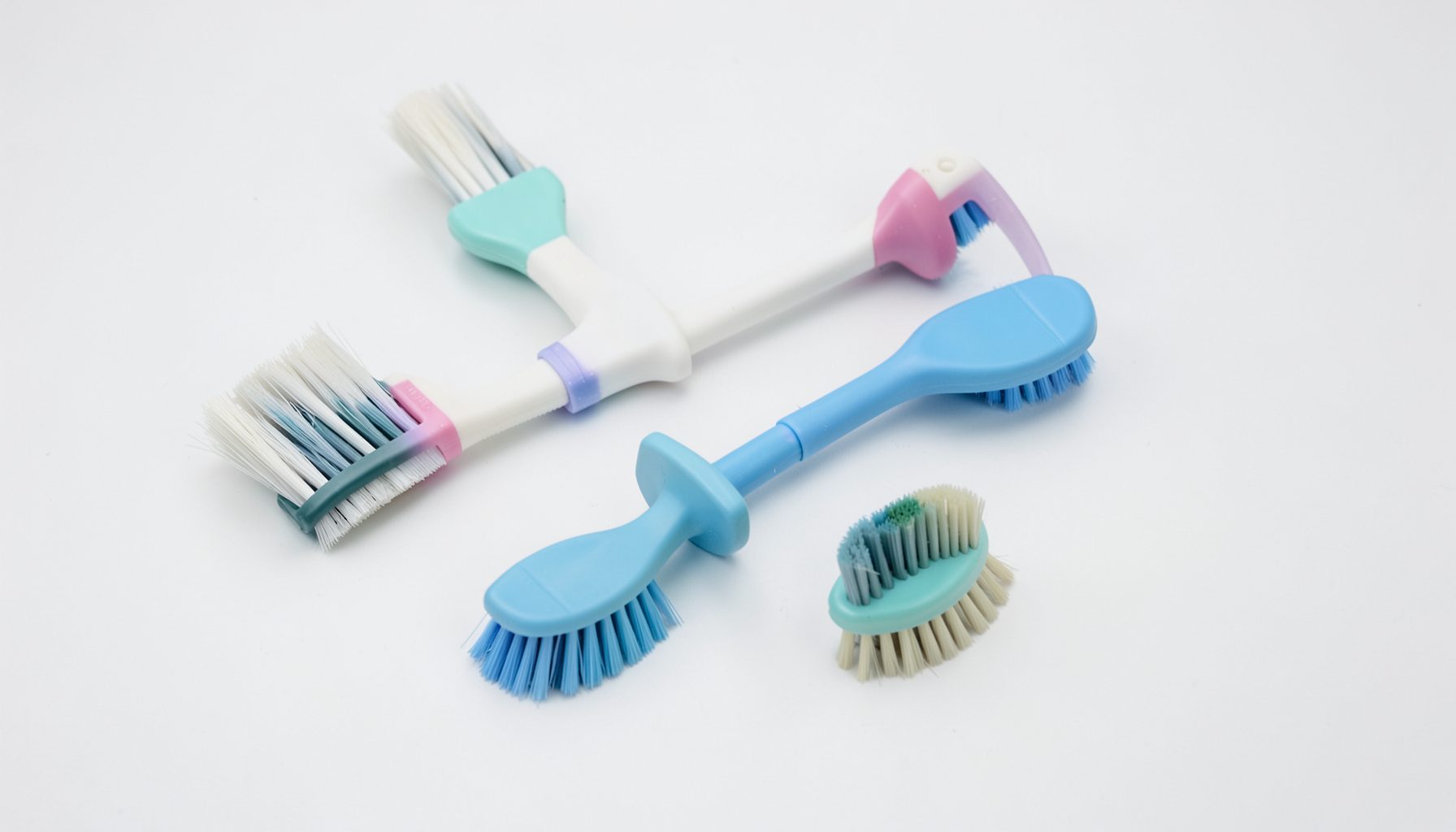
Switch nostrils and repeat. After use, rinse the bottle and let it air dry. Use ResQRinse Premium Cleaning Brushes for thorough cleaning.
Saline Solution Shelf Life and Safe Nasal Rinse Storage
A saline rinse can make congested breathing feel easier, but its freshness depends on how it was prepared, stored, and handled. The answer is different for a sealed saline packet, a bottle of commercially prepared saline, and a solution mixed at home for use in a nasal irrigation bottle.
For most home nasal rinses, the safest practice is to mix only what you plan to use during one session. Freshly prepared solution reduces the time available for contamination and keeps the saline concentration consistent. Any leftover mixture should generally be discarded rather than saved for the next day.
The bottle itself can last much longer than the liquid inside it. With proper cleaning, drying, and regular inspection, a reusable squeeze bottle may remain useful for many sessions. Follow the instructions supplied with your specific system, since materials, closures, and cleaning recommendations can vary.
The Type Of Saline Determines Its Lifespan
A dry saline packet has a long shelf life when it remains sealed, dry, and within its printed expiration date. Once mixed with water, it becomes a solution that should be treated as perishable. Moisture, handling, and contact with the bottle can introduce contaminants that are not present in the unopened packet.
Commercial sterile saline in a sealed container follows the manufacturer’s expiration date. Once opened, its safe-use period depends on the product design and label instructions. A single-use container should not be saved after opening, while a larger container may specify a limited period after first use.
Homemade saline should be prepared with distilled or sterile water, or with tap water that has been boiled and cooled according to public health guidance. Ordinary untreated tap water is not appropriate for nasal irrigation because it may contain organisms that are safe to swallow but unsafe in the nasal passages.
How Long Prepared Rinse Solution Usually Lasts
A freshly mixed nasal rinse is best used immediately. If a product’s instructions permit short-term storage, keep the solution covered in a clean container and use it within the stated time, commonly no longer than 24 hours. Do not assume that refrigeration makes an old mixture safe indefinitely; cold temperatures slow growth but do not eliminate contamination risk.
Discard the solution sooner if it becomes cloudy, develops particles, changes smell, or has been touched by an unwashed hand or used bottle. The same rule applies if the container was left open, stored in a warm place, or shared with another person.
Salt concentration also matters. Too little or too much saline can cause stinging, dryness, or irritation. Using a premeasured packet with the recommended amount of safe water helps maintain a comfortable, balanced rinse. Avoid adding extra salt, baking soda, medication, or essential oils unless a qualified healthcare professional specifically directs you to do so.
Solution Storage At A Glance
The following guidelines help distinguish between product expiration and the shorter period of safe use after preparation or opening.
| Saline product or component | Typical usable period | Storage and safety guidance |
|---|---|---|
| Unopened dry saline packet | Until printed expiration date | Keep sealed, dry, and away from heat |
| Freshly mixed home rinse | Best used immediately | If instructions allow storage, cover and use within the stated limit, usually up to 24 hours |
| Opened commercial saline | Follow product label | Do not exceed the stated after-opening period |
| Leftover solution from a used bottle | Discard after the session | Do not pour it back into a clean container |
| Clean, dry reusable bottle | According to product condition | Replace if cracked, damaged, cloudy, or difficult to clean |
| Nasal mist container | Follow package directions | Keep the nozzle clean and avoid sharing |
These timeframes are practical safety ranges, not a substitute for the directions included with a particular product. When the label gives a shorter period, use the shorter period. If you cannot remember when a solution was mixed or opened, discarding it is the safer choice.
The Bottle Needs Care Too
Many people focus on the saline’s expiration date and overlook the bottle. After each rinse, empty all remaining liquid, separate the parts when the instructions allow, and wash them as directed. Rinse away any saline residue, then place the components in a clean, well-ventilated area to air-dry completely.
A damp, closed bottle can create an environment where microorganisms multiply. Do not store the bottle with water trapped inside, and do not seal it while the interior is still wet. A cleaning brush can help reach narrow areas, but it should also be washed and dried after use.
Inspect the bottle, cap, valve, and nozzle regularly. Replace the system if it develops cracks, leaks, discoloration, a persistent odor, or areas that remain dirty after cleaning. A damaged seal may also affect the flow and comfort of the rinse. ResQRinse explains its nasal irrigation products and care approach on the ResQRinse website, including options designed for comfortable, controlled use.
Choosing A Routine That Prevents Waste
Mixing a full bottle may seem convenient, particularly when congestion lasts for several days. However, preparing a smaller amount for each session makes it easier to use fresh saline and avoid guessing how long a leftover solution has been stored. Use the measuring instructions for the bottle and packet rather than estimating by eye.
Morning use can be practical when mucus and overnight dryness make breathing uncomfortable. A guide to morning congestion relief explains how a squeeze-bottle rinse can fit into that routine. The goal is a consistent, gentle flow rather than forceful pressure.
A nasal rinse should feel comfortable. Stop if there is significant pain, bleeding, ear pressure, or worsening symptoms, and seek medical advice when needed. People with recent nasal surgery, frequent nosebleeds, severe blockage, or ongoing sinus symptoms should ask a healthcare professional whether irrigation is appropriate.
Helping Children Use Saline Safely
Children may need a smaller system, extra supervision, and a slower introduction to the process. An adult should prepare the solution, verify the water source, check the temperature, and make sure the child does not share a bottle with siblings. The child’s product should be cleaned and stored separately.
Keep the explanation simple and let the child become familiar with the bottle before using it. Demonstrating the process, allowing the child to control the pace when appropriate, and stopping when discomfort occurs can build confidence. The child nasal rinse guide offers practical ideas for making the routine less intimidating.
Never leave a young child unsupervised with a saline irrigation device. A child who cannot reliably follow directions may need an adult to perform or closely guide the rinse. Always use the age-appropriate product and follow its instructions rather than adapting an adult bottle.
Simple Habits For Safer Saline Use
A few habits make it easier to keep track of freshness and maintain a clean nasal irrigation routine:
- Mix only the amount needed for the current rinse whenever possible.
- Use distilled, sterile, or properly boiled and cooled water.
- Write the mixing or opening date on any container that the product instructions allow you to store.
- Empty, wash, and air-dry the bottle after every use.
- Discard solution with an uncertain age, unusual appearance, or questionable storage history.
These steps also reduce the chance of confusing the solution’s lifespan with the bottle’s lifespan. A reusable bottle may remain serviceable for an extended period, but that does not make saline left inside it safe to use later. Fresh solution and a thoroughly dry device are separate parts of the same safety routine.
Before using any nasal rinse, check the packet or bottle directions and confirm that the system is intact. When congestion, facial pain, fever, or nasal discharge persists, professional medical advice can help identify whether allergies, infection, structural blockage, or another condition is involved.
Use fresh saline for each session, care for the bottle after every rinse, and replace components when they show wear. Explore ResQRinse products and select a system that fits your household’s routine through the brand’s online store and available retail partners.