ResQRinse is the nasal irrigation squeeze bottle that eliminates head-tilting and awkward neck positions. Using proprietary Nasal Lock™ technology, it delivers a comfortable, gag-free sinus cleanse — no more saline dripping down your throat.

Relief From Fall Sneezes
Now sold on Walmart.com. Free shipping on orders $30+. Try ResQRinse today with your everyday purchases.
Shop at WalmartWhy ResQRinse?
Nasal rinsing helps relieve congestion from colds, allergies, sinusitis, hay fever, and environmental pollutants. ResQRinse makes it comfortable enough to become a daily habit.
Nasal Lock™ Technology
Isolates sinuses from the throat using natural choanal occlusion — like inflating a balloon — so saline stays where it belongs.
Learn more →
Drug-Free Relief
Uses premixed saline packets with distilled water. No medications, no preservatives — just a natural cleanse for your nasal passages.
How to rinse →
For Kids Too
ResQRinse for Kids features a comfort nasal tip right-sized for smaller nostril openings, making rinsing gentle and easy for children.
Shop kids' version →
Breath-Controlled Flow
You control the saline flow with your own breath pressure — high volume, low pressure irrigation that's comfortable and effective.
Watch how-to videos →
Better Compliance
Designed to overcome the gagging and discomfort that cause people to abandon traditional neti pots and nasal rinse systems.
Our story →
Complete Kits Available
From the basic ResQRinse Nasal Rinse System ($19.99) to 90-day complete kits, saline packets, cleaning brushes, and Sinoptim Nasal Mist.
Browse all products →Get Started with ResQRinse
Ready to experience a better nasal rinse? Fill out the form below and we'll help you find the right product — or follow the simple steps to begin rinsing today.
Request More Information
How to Use ResQRinse
Fill the Bottle
Fill the ResQRinse squeeze bottle with distilled or previously boiled water and add one premixed saline packet.
Position the Tip
Place the comfort tip gently against one nostril. No head-tilting or awkward neck angles needed.
Squeeze & Breathe
Squeeze the bottle gently while breathing through your mouth. Nasal Lock™ keeps saline in your nasal passages and out of your throat.
Repeat & Clean
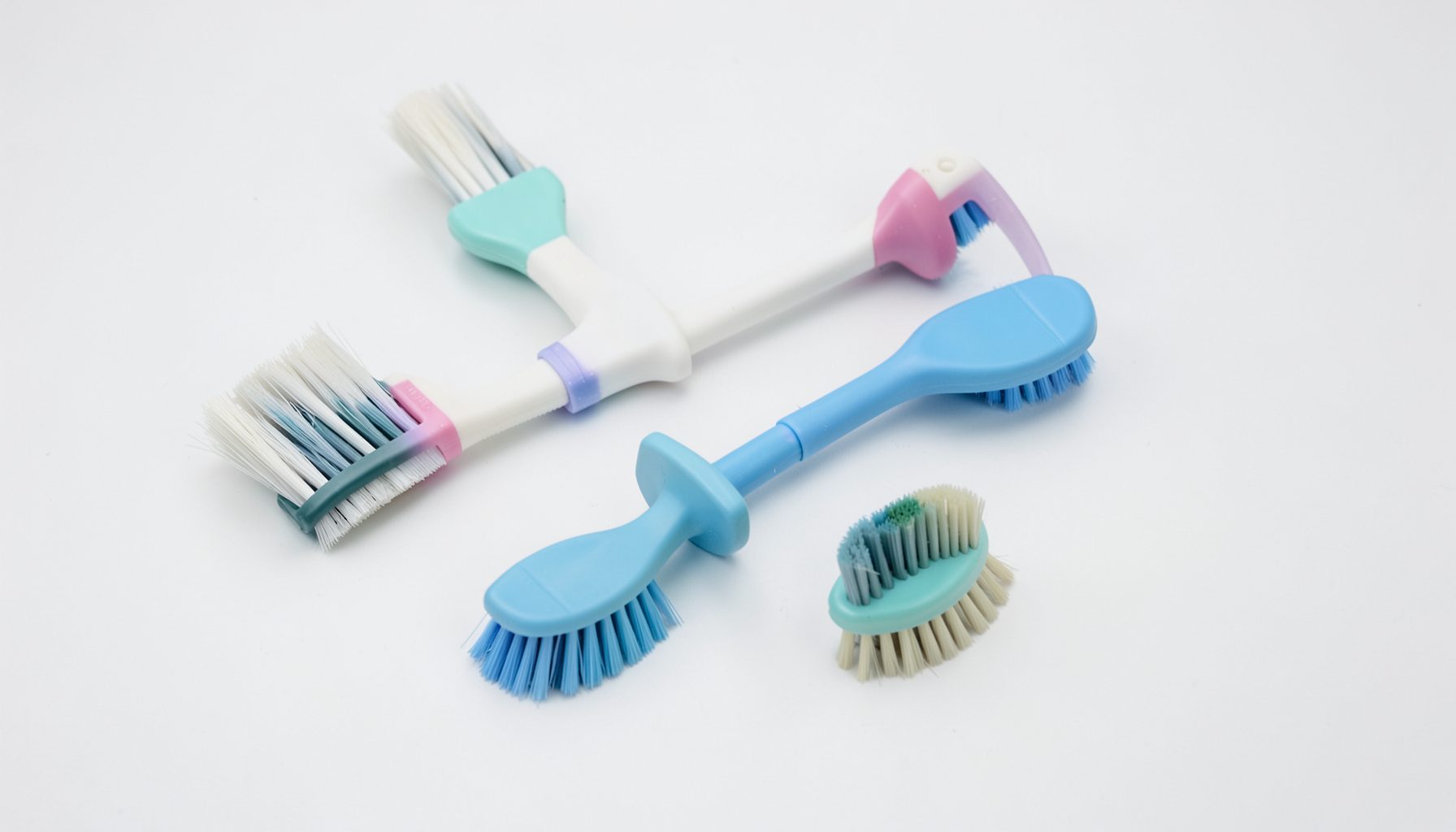
Switch nostrils and repeat. After use, rinse the bottle and let it air dry. Use ResQRinse Premium Cleaning Brushes for thorough cleaning.
How to Adjust Water Temperature for Sensitive Sinuses
Nasal rinsing can loosen mucus, wash away allergens, and ease the feeling of congestion, but temperature has a major effect on comfort. Water that feels too cold may trigger an unpleasant ache or sudden tightening, while water that is too hot can irritate delicate nasal tissue.
For people with allergies, sinus pressure, dryness, or frequent sensitivity, a small temperature adjustment can make the difference between avoiding a rinse and using one consistently. The goal is a gentle, body-temperature solution that flows smoothly without creating a sharp sensation.
A comfortable routine also depends on water quality, saline concentration, pressure, and equipment cleanliness. ResQRinse systems are designed to make nasal irrigation straightforward, but careful preparation remains essential for a soothing experience.
Why Temperature Matters During Nasal Irrigation
The inside of the nose contains sensitive tissue and blood vessels that react quickly to temperature changes. Cold water can feel startling and may cause temporary discomfort, especially when the nasal passages are already inflamed from seasonal allergies or a sinus infection. Very hot water can damage tissue, worsen irritation, or create a burning sensation.
Lukewarm water is generally the most comfortable choice. A solution close to normal body temperature—approximately 98°F to 100°F, or 37°C to 38°C—usually feels mild as it moves through the nasal passages. Some people prefer it slightly cooler or warmer, so the best setting is the one that feels neutral rather than noticeably hot or cold.
Temperature also affects how well saline dissolves. Warm water can help the salt mix evenly, reducing the chance of gritty crystals entering the nose. It should never be used as a substitute for the correct saline packet or measured salt blend, since an improperly balanced solution may sting regardless of temperature.
Find A Comfortable Starting Point
Begin with water that feels lukewarm on clean skin, such as the inside of your wrist. This test can identify obvious heat or chill, although it is not a precise measurement. People with particularly sensitive sinuses may prefer to use a clean kitchen thermometer and aim for approximately 98°F to 100°F.
Avoid guessing based on steam or visible warmth. Water that seems comfortably warm in a cup may feel too hot once it contacts irritated nasal tissue. If the water has been heated, stir it thoroughly and allow it to cool before mixing the saline solution. Unevenly heated water can contain hotter areas that are difficult to detect by touch.
Start at the lower end of the lukewarm range if your nose is inflamed or tender. You can gradually adjust the next rinse by a degree or two. Making small changes is more useful than switching from cold water to very warm water, which can make it difficult to identify what your sinuses actually tolerate.
Prepare Safe Water And Saline
Use distilled, sterile, or previously boiled water that has cooled to a comfortable temperature, following the safety directions supplied with your irrigation system. Do not use untreated tap water unless local health guidance and the product instructions specifically indicate that it is appropriate for nasal rinsing. Safe water is important because the nasal passages connect to areas that should be protected from harmful microorganisms.
Add the recommended saline packet to the correct volume of water. ResQRinse saline packets are intended to provide a measured mixture, which helps reduce the guesswork involved in preparing a balanced rinse. Review the brand’s usage guidance for preparation, bottle handling, and cleaning details before changing your routine.
Mix the solution until the packet is fully dissolved. If you notice grains at the bottom of the bottle, continue swirling gently rather than squeezing immediately. Do not add extra salt to compensate for congestion, since a solution that is too concentrated may cause dryness, stinging, or a raw sensation.
Read The Sensation As You Rinse
The right water temperature should feel almost unnoticeable. A mild sense of warmth is acceptable, but a sharp sting, burning feeling, sudden headache, or strong pressure indicates that something needs to change. Temperature may be the cause, but pressure, salt concentration, a blocked passage, or poor positioning can create similar symptoms.
| What you notice | Possible cause | Temperature adjustment |
|---|---|---|
| Cold shock or aching | Solution is too cool | Warm it slightly toward body temperature |
| Burning or heat | Solution is too warm or too concentrated | Stop, let it cool, and check the saline ratio |
| Mild, neutral flow | Temperature is well tolerated | Keep the same range |
| Stinging with dry passages | Irritation, excess salt, or very warm water | Check the mixture and use a gentler temperature |
| Pressure without burning | Forceful squeezing or blockage | Reduce pressure and do not force the flow |
Squeeze-bottle systems should be used with gentle, controlled pressure. ResQRinse’s Nasal Lock technology is designed to help create a more contained fit, but a secure seal does not mean the bottle should be squeezed forcefully. Let the solution move at a pace that feels manageable, and stop if pressure builds.
If one side is completely blocked, do not push harder to make the rinse pass. Pause, breathe normally, and try again later after congestion has eased. Persistent pain, bleeding, fever, or worsening symptoms should be discussed with a healthcare professional.
Adjust Temperature For Different Situations
During a cold or allergy flare, nasal tissue may be swollen and more reactive than usual. A solution near body temperature is often a good starting point, while a slightly cooler mixture may feel refreshing to some people. If cool water causes aching or makes the nose feel tighter, move back toward neutral warmth.
Dryness calls for extra care. Water that is too hot can strip comfort from already irritated tissue, and an overly salty solution can increase dryness. Make sure the packet-to-water ratio is correct, avoid repeated rinsing beyond the product directions, and consider asking a clinician whether saline irrigation is appropriate for your symptoms.
Children may need closer supervision and a system designed for their age and size. Use only the recommended amount of pressure and confirm that the water is comfortably lukewarm before use. A child who reports burning, pain, dizziness, or ear pressure should stop the rinse rather than trying to continue.
Keep The Routine Gentle And Consistent
Comfort improves when temperature is combined with good technique. Wash your hands, use clean equipment, prepare the solution immediately before use, and follow the manufacturer’s cleaning instructions afterward. A clean bottle and nozzle reduce contamination risks and help preserve a predictable rinsing experience.
Avoid heating the solution directly in a microwave. Microwaves can create hot spots, even when the liquid appears evenly warm. Instead, heat or cool the water in a clean container, stir it well, check the temperature, and then prepare the saline mixture.
The bottle should be replaced or maintained according to its instructions, and brushes should be used where recommended to clean narrow areas. ResQRinse provides several product formats, including squeeze bottles, saline packets, nasal mist, and children’s options, so the setup can be matched to the user’s needs and comfort level. Independent customer experiences may also help explain how different people incorporate nasal care into their routines.
Use These Comfort Checks
A simple process can make temperature adjustments more reliable from one rinse to the next. Keep the following points in mind:
- Aim for lukewarm water close to body temperature, usually about 98°F to 100°F.
- Use distilled, sterile, or properly boiled and cooled water as directed.
- Mix the full saline packet with the specified amount of water.
- Test the solution before use and stop if it burns, causes sharp pain, or creates unusual pressure.
- Clean and dry the irrigation system after every use according to the product instructions.
If symptoms are severe, last longer than expected, or include repeated nosebleeds, facial swelling, high fever, vision changes, or intense headache, seek medical advice. People with recent nasal surgery, significant immune problems, or unusual sinus conditions should ask a healthcare professional about irrigation before beginning.
Temperature adjustment is a small part of nasal care, but it can make a rinse feel calmer and easier to repeat. Prepare a properly balanced solution, bring it to a gentle lukewarm range, use light pressure, and pay attention to how your sinuses respond. For additional preparation and safety details, review the brand’s common questions before choosing your next rinse.