ResQRinse is the nasal irrigation squeeze bottle that eliminates head-tilting and awkward neck positions. Using proprietary Nasal Lock™ technology, it delivers a comfortable, gag-free sinus cleanse — no more saline dripping down your throat.

Relief From Fall Sneezes
Now sold on Walmart.com. Free shipping on orders $30+. Try ResQRinse today with your everyday purchases.
Shop at WalmartWhy ResQRinse?
Nasal rinsing helps relieve congestion from colds, allergies, sinusitis, hay fever, and environmental pollutants. ResQRinse makes it comfortable enough to become a daily habit.
Nasal Lock™ Technology
Isolates sinuses from the throat using natural choanal occlusion — like inflating a balloon — so saline stays where it belongs.
Learn more →
Drug-Free Relief
Uses premixed saline packets with distilled water. No medications, no preservatives — just a natural cleanse for your nasal passages.
How to rinse →
For Kids Too
ResQRinse for Kids features a comfort nasal tip right-sized for smaller nostril openings, making rinsing gentle and easy for children.
Shop kids' version →
Breath-Controlled Flow
You control the saline flow with your own breath pressure — high volume, low pressure irrigation that's comfortable and effective.
Watch how-to videos →
Better Compliance
Designed to overcome the gagging and discomfort that cause people to abandon traditional neti pots and nasal rinse systems.
Our story →
Complete Kits Available
From the basic ResQRinse Nasal Rinse System ($19.99) to 90-day complete kits, saline packets, cleaning brushes, and Sinoptim Nasal Mist.
Browse all products →Get Started with ResQRinse
Ready to experience a better nasal rinse? Fill out the form below and we'll help you find the right product — or follow the simple steps to begin rinsing today.
Request More Information
How to Use ResQRinse
Fill the Bottle
Fill the ResQRinse squeeze bottle with distilled or previously boiled water and add one premixed saline packet.
Position the Tip
Place the comfort tip gently against one nostril. No head-tilting or awkward neck angles needed.
Squeeze & Breathe
Squeeze the bottle gently while breathing through your mouth. Nasal Lock™ keeps saline in your nasal passages and out of your throat.
Repeat & Clean
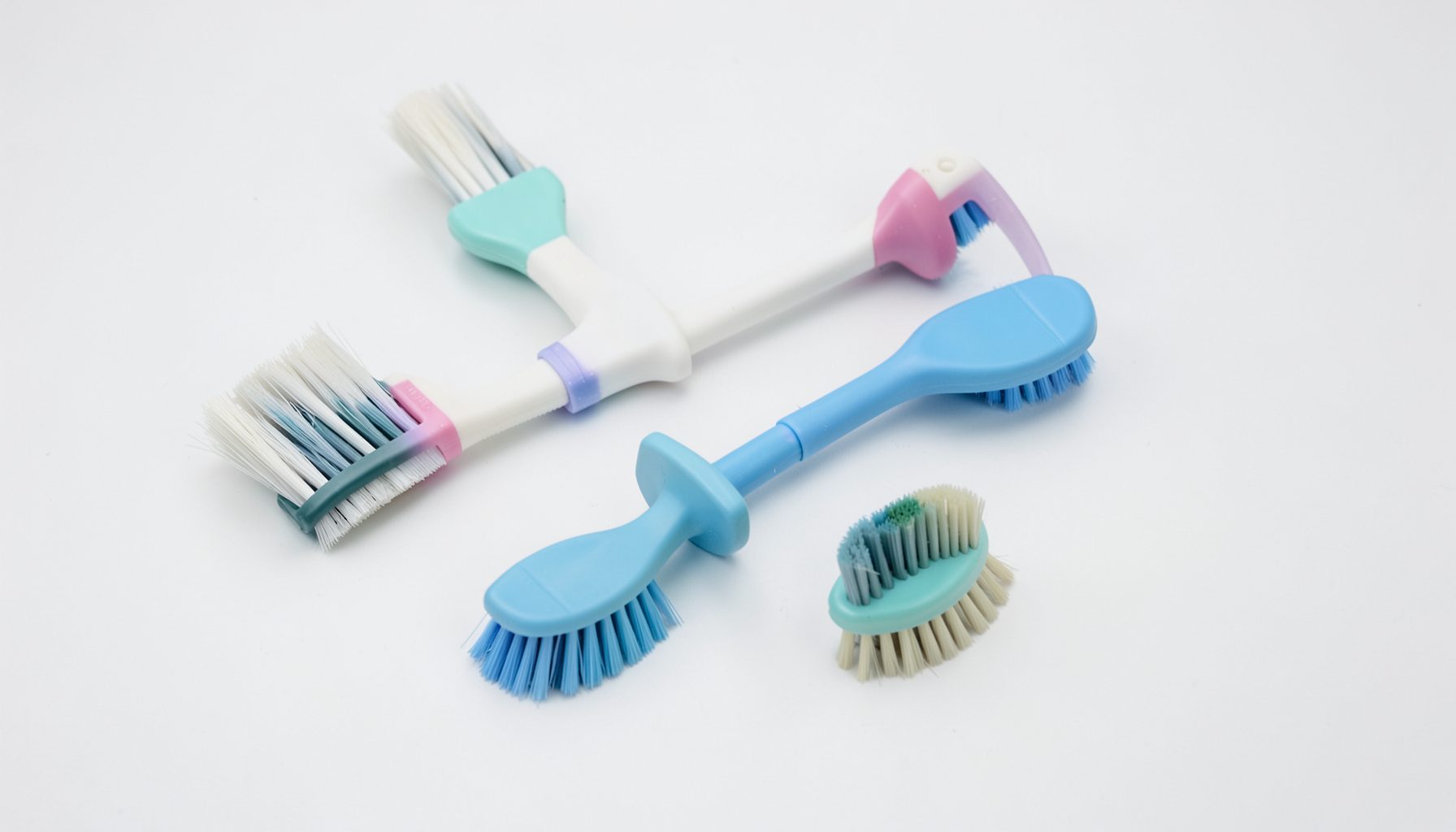
Switch nostrils and repeat. After use, rinse the bottle and let it air dry. Use ResQRinse Premium Cleaning Brushes for thorough cleaning.
Can Nasal Rinse Help Reduce Snoring From Nasal Blockage?
Snoring often begins with restricted airflow through the nose. When congestion from a cold, allergies, sinus irritation, or dry air makes nasal breathing difficult, you may start breathing through your mouth during sleep. This can increase vibration in the tissues at the back of the throat and make nighttime noise more noticeable.
A nasal rinse may help when blocked nasal passages are a significant part of the problem. It washes away mucus, pollen and other irritants while adding moisture to the nasal lining. The effect is usually supportive rather than curative: a rinse can improve nasal airflow, but it cannot treat every cause of snoring, especially obstructive sleep apnoea.
How Nasal Blockage Can Contribute To Snoring
Clear nasal passages allow air to move more smoothly during sleep. Congestion narrows that pathway, so a person may inhale with greater effort or open their mouth to breathe. Mouth breathing can dry the throat and encourage soft tissues to vibrate, producing the familiar sound associated with snoring.
Several everyday triggers can create this pattern. Seasonal pollen, dust, viral infections, changes in temperature and indoor heating may cause swelling inside the nose. In Australia, people in Melbourne and Canberra may notice symptoms during cooler months, while residents of Sydney, Brisbane or Perth can experience allergy-related congestion during different pollen seasons. Nasal anatomy, such as a deviated septum or enlarged turbinates, can also limit airflow.
A rinse is most likely to help when mucus, allergens or mild inflammation are blocking the nasal passages. It is less likely to make a meaningful difference when snoring is mainly caused by relaxed throat muscles, excess tissue, alcohol before bed, sleeping on the back or an underlying sleep disorder.
What A Nasal Rinse Can Do Before Bed
A saline irrigation system uses a salt-water solution to flush unwanted material from the nose. This may loosen thick mucus, remove airborne particles and hydrate irritated tissue. By reducing the feeling of blockage, it may make nasal breathing more comfortable at bedtime and reduce the need to breathe through the mouth.
For some people, the benefit is temporary and most noticeable during periods of hay fever, a cold or sinus congestion. A squeeze-bottle system can provide controlled flow and coverage through both nasal passages. ResQRinse systems use Nasal Lock technology to help create a comfortable seal around the nostrils, which may make the process easier than balancing and tilting a traditional neti pot.
Use the rinse according to the product instructions, usually over a sink and before sleep rather than immediately after lying down. Leaning forward and breathing through the mouth can help the solution pass through the nose without being swallowed. Allow time for remaining fluid to drain, particularly if you are prone to post-nasal drip.
Getting The Saline And Water Balance Right
The solution should be prepared with the correct amount of saline. A mixture that is too weak may sting, while one that is too concentrated can feel harsh and dry. Pre-measured saline packets are useful because they reduce guesswork and help create a consistent isotonic or mildly hypertonic solution.
Water safety is essential. Use sterile or distilled water, or tap water that has been boiled and cooled according to health guidance. Drinking-water quality does not automatically make untreated tap water suitable for nasal irrigation. This precaution applies in Australia, including homes in regional areas and cities such as Adelaide or Darwin, where water treatment, storage and local advisories can vary.
Humidity can also affect comfort. Dry indoor air may leave the nasal lining irritated, while very humid conditions can make congestion feel heavier for some people. The explanation of humidity and nasal rinsing can help you understand why the same routine may feel different in a heated Canberra bedroom compared with a humid Brisbane home.
Using A Rinse For Allergies And Seasonal Congestion
Allergic rhinitis is a common reason for nasal blockage and night-time mouth breathing. A rinse can remove some pollen and airborne particles from the nasal passages after time outdoors. It may be particularly useful after gardening, walking through parks or commuting during a high-pollen period.
Australian pollen exposure is not limited to one national season. Grass pollen can affect parts of southeastern Australia in spring, while local plants, weeds and weather conditions influence symptoms elsewhere. Sydney and Melbourne residents may find that windy days spread irritants more widely, and dust storms can aggravate nasal symptoms in inland and dry regions.
A rinse works best as one part of an allergy-management routine. Showering before bed, washing bedding regularly and keeping windows closed during severe pollen events may reduce exposure. For more information about timing a rinse around seasonal triggers, see this guide to spring tree pollen relief.
When Snoring Needs Medical Attention
Improved nasal airflow does not rule out sleep apnoea. Loud habitual snoring accompanied by pauses in breathing, choking or gasping, morning headaches, dry mouth, poor concentration or significant daytime sleepiness should be assessed by a GP. Sleep apnoea can affect people of any body type and may require a sleep study or specific treatment.
Seek medical advice if congestion lasts for weeks, occurs mainly on one side, causes frequent nosebleeds or comes with facial pain, fever or reduced sense of smell. A clinician can check for chronic rhinosinusitis, nasal polyps, structural obstruction or medication-related congestion. Decongestant nasal sprays, for example, can cause rebound blockage when used for too long.
A rinse should not be used when the nose is completely sealed, if it causes significant ear pressure or after certain nasal procedures unless a health professional has approved it. Children need an age-appropriate system and adult supervision. Australian consumers should follow the supplied instructions and check that any therapeutic product claims and local supply details are appropriate for the Australian market, where health products may be subject to Therapeutic Goods Administration requirements.
Making Nasal Irrigation Part Of A Safe Routine
Clean equipment matters because the bottle and nozzle come into contact with the nose. Rinse the components as directed, let them dry fully and use the supplied cleaning brush where appropriate. Do not share a nasal irrigation bottle, even with family members. Replace parts when they become damaged, cloudy or difficult to clean.
A practical routine may involve using saline irrigation in the evening during allergy season or a short-term cold, followed by gentle nose blowing. Avoid forceful blowing, which can increase pressure around the ears. If burning, bleeding or worsening irritation develops, stop and speak with a healthcare professional.
The goal is comfortable nasal breathing, not aggressive flushing. Some people benefit from daily use for a limited period, while others use a rinse only when congestion appears. Keeping saline packets, a cleaning brush and a suitable bottle together in a complete kit can make consistent use easier, particularly during Australian winter colds or spring allergy peaks.
A nasal rinse may reduce snoring when blocked nasal passages are driving mouth breathing, especially when congestion comes from mucus, pollen or dry irritation. It cannot guarantee quiet sleep and should not delay assessment of symptoms that suggest sleep apnoea. Choose a correctly sized system, prepare the saline safely and use it as directed to support clearer nasal airflow at bedtime.
Explore ResQRinse nasal irrigation systems, children’s options, saline packets and nasal mist through the brand’s online retail partners, including Amazon and Walmart where available. A simple, hygienic rinse routine can help keep congestion under control while you seek medical advice for persistent or disruptive snoring.