ResQRinse is the nasal irrigation squeeze bottle that eliminates head-tilting and awkward neck positions. Using proprietary Nasal Lock™ technology, it delivers a comfortable, gag-free sinus cleanse — no more saline dripping down your throat.

Relief From Fall Sneezes
Now sold on Walmart.com. Free shipping on orders $30+. Try ResQRinse today with your everyday purchases.
Shop at WalmartWhy ResQRinse?
Nasal rinsing helps relieve congestion from colds, allergies, sinusitis, hay fever, and environmental pollutants. ResQRinse makes it comfortable enough to become a daily habit.
Nasal Lock™ Technology
Isolates sinuses from the throat using natural choanal occlusion — like inflating a balloon — so saline stays where it belongs.
Learn more →
Drug-Free Relief
Uses premixed saline packets with distilled water. No medications, no preservatives — just a natural cleanse for your nasal passages.
How to rinse →
For Kids Too
ResQRinse for Kids features a comfort nasal tip right-sized for smaller nostril openings, making rinsing gentle and easy for children.
Shop kids' version →
Breath-Controlled Flow
You control the saline flow with your own breath pressure — high volume, low pressure irrigation that's comfortable and effective.
Watch how-to videos →
Better Compliance
Designed to overcome the gagging and discomfort that cause people to abandon traditional neti pots and nasal rinse systems.
Our story →
Complete Kits Available
From the basic ResQRinse Nasal Rinse System ($19.99) to 90-day complete kits, saline packets, cleaning brushes, and Sinoptim Nasal Mist.
Browse all products →Get Started with ResQRinse
Ready to experience a better nasal rinse? Fill out the form below and we'll help you find the right product — or follow the simple steps to begin rinsing today.
Request More Information
How to Use ResQRinse
Fill the Bottle
Fill the ResQRinse squeeze bottle with distilled or previously boiled water and add one premixed saline packet.
Position the Tip
Place the comfort tip gently against one nostril. No head-tilting or awkward neck angles needed.
Squeeze & Breathe
Squeeze the bottle gently while breathing through your mouth. Nasal Lock™ keeps saline in your nasal passages and out of your throat.
Repeat & Clean
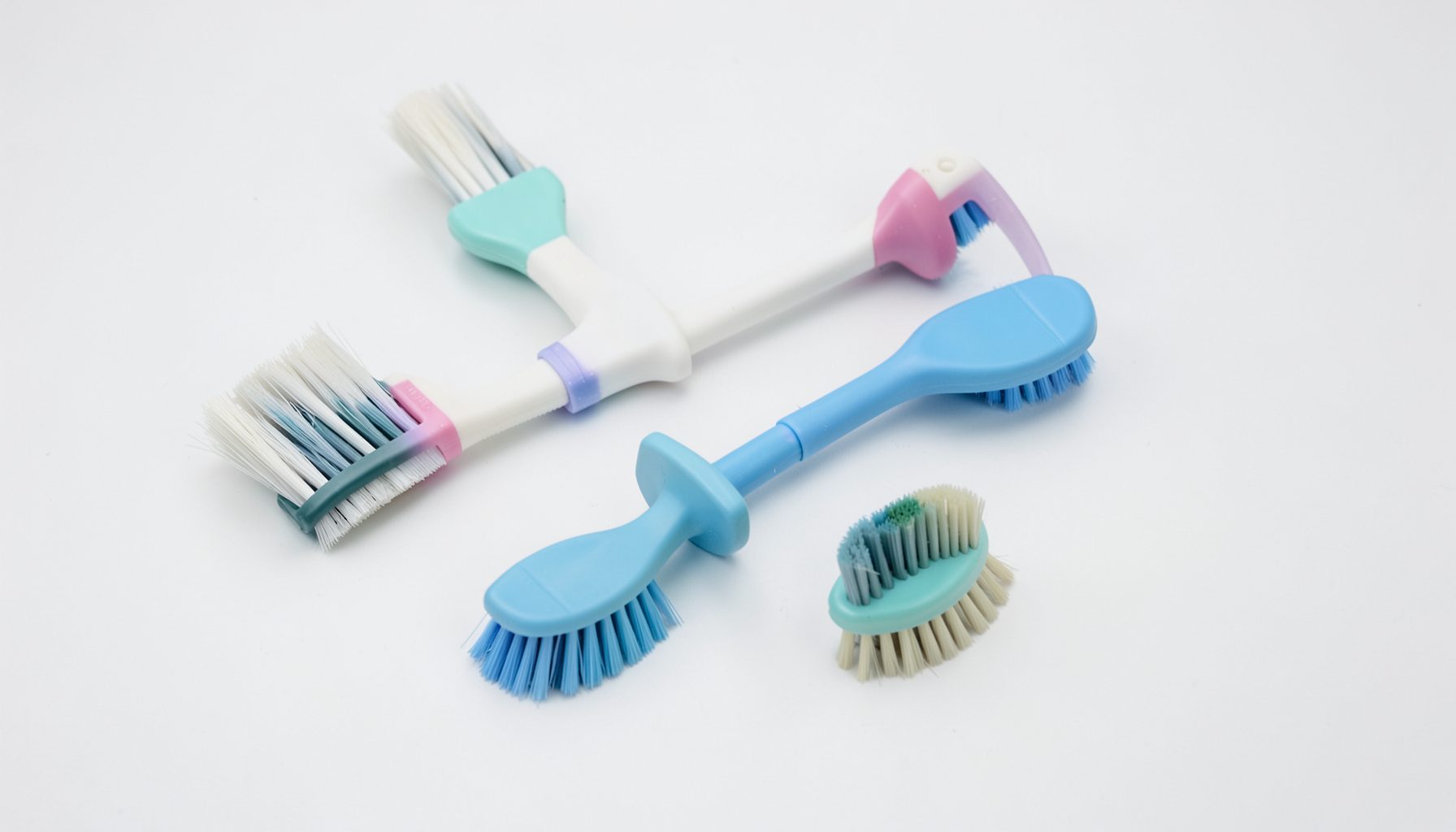
Switch nostrils and repeat. After use, rinse the bottle and let it air dry. Use ResQRinse Premium Cleaning Brushes for thorough cleaning.
How Humidity Shapes Nasal Rinse Comfort and Results
Humidity can change how your nose feels before, during, and after a saline rinse. Dry indoor air may leave nasal tissues irritated and crusted, while very damp conditions can increase exposure to mold, dust mites, and other triggers. These environmental effects may influence how comfortable a rinse feels and how much relief you notice.
A nasal rinse works by allowing a properly prepared saline solution to flow through the nasal passages. It can help wash away mucus, pollen, dust, and other particles. The surrounding air does not determine whether irrigation works, but it can affect mucus thickness, tissue sensitivity, and the likelihood that congestion will return after rinsing.
Understanding the relationship between indoor moisture and nasal care makes it easier to choose a suitable routine. Good water safety, accurate saline mixing, gentle technique, and appropriate humidity control all support a more comfortable experience.
Why Dry Air Can Make Rinsing Feel Different
Low humidity pulls moisture from exposed surfaces, including the lining of the nose. This can contribute to dryness, burning, crusting, and a sensation of blockage. When mucus becomes thick, a rinse may need more time to loosen it, and the first flow of saline may feel sharper than usual.
Dry air is common during winter heating, in heavily air-conditioned rooms, and at high elevations. A person may also experience dry nasal passages after spending hours in an airplane cabin or sleeping near a heat vent. In these situations, saline irrigation can help clear accumulated material, but the tissue may remain sensitive if the room continues to be very dry.
A comfortably warm or room-temperature rinse is often easier to tolerate than a cold solution. The solution should never be hot. If the nose feels sore after rinsing, reducing pressure and checking the saline concentration may be more useful than rinsing more frequently.
How High Humidity Affects Congestion
Higher humidity can keep mucus from becoming overly dry, which may make it easier to clear. However, very humid air can create conditions that support mold growth and dust mites. These common indoor allergens may worsen sneezing, stuffiness, and postnasal drainage in sensitive people.
The ideal indoor humidity range is often considered approximately 30% to 50%, although comfort varies by person, climate, and season. A simple hygrometer can show whether a room is unusually dry or damp. Humidifiers should be cleaned according to the manufacturer’s instructions, since poorly maintained units can disperse microorganisms or mineral residue.
Nasal irrigation does not remove the source of an indoor humidity problem. If symptoms repeatedly worsen in a damp room, inspect for visible mold, musty odors, condensation, or poorly ventilated areas. Environmental control and a consistent rinse routine work together more effectively than relying on either approach alone.
Saline Balance Matters More Than Room Moisture
Humidity can influence comfort, but the saline solution itself has a direct effect on the nasal lining. Packets made for nasal irrigation help provide a measured combination of salt and, in some products, buffering ingredients. Using too little salt may produce a stinging sensation, while an overly concentrated mixture can also feel irritating.
Always follow the instructions supplied with the rinse system and use the recommended amount of water. Tap water should not be used unless it has been treated in a way considered safe for nasal irrigation. Distilled, sterile, or appropriately boiled and cooled water is generally used for this purpose. Water safety is essential regardless of whether the room is humid or dry.
A squeeze-bottle system can help provide a steady flow and controlled pressure. ResQRinse systems use Nasal Lock technology to help create a secure fit during use, which may make it easier to direct saline through the nasal passages without excessive squeezing. Pressure should remain gentle; forceful irrigation can increase discomfort and may push fluid toward areas where it does not belong.
Choosing The Right Rinse Routine
The best timing for a rinse depends on symptoms and daily exposure. Someone dealing with pollen may prefer to rinse after spending time outdoors, while a person affected by dry indoor air may find an evening rinse helpful. Rinsing before bed can clear irritants accumulated during the day, provided the nose has enough time to drain afterward.
Humidity does not mean that every person needs to rinse more often. Excessive irrigation can contribute to irritation if the nasal tissues are already sore. Begin with the product directions, observe how your nose responds, and adjust only within those guidelines. A saline mist may be more suitable between full rinses when the main issue is mild dryness rather than thick mucus.
After rinsing, allow the solution to drain naturally and gently blow the nose if needed. Children may need coaching with this step; guidance on teaching kids can help make the routine calmer and more effective. Never force a child to continue if they are distressed, and use an age-appropriate product under responsible adult supervision.
Comparing Conditions And Adjustments
Different environmental conditions can call for small changes in technique, but the core safety practices remain the same. The following guide can help connect common indoor conditions with likely nasal sensations and practical responses.
| Indoor condition | Possible nasal effect | Helpful adjustment |
|---|---|---|
| Very dry air | Crusting, burning, thick mucus | Check room humidity, use correctly mixed saline, and choose a gentle flow |
| Moderate humidity | More balanced mucus and tissue comfort | Continue the standard product routine |
| Very damp air | More exposure to mold or dust mites | Improve ventilation, check for moisture problems, and rinse after allergen exposure |
| Heated or air-conditioned room | Dryness that returns after rinsing | Move away from direct airflow and consider saline mist for temporary moisture |
| Travel cabin or hotel room | Dryness, pressure changes, and unfamiliar allergens | Pack a compact kit and use safe water prepared according to instructions |
These adjustments should support, rather than replace, proper cleaning. Rinse bottles, caps, nozzles, and brushes need regular care because a warm, damp environment can encourage residue and microbial growth. Let components dry fully between uses when the product instructions permit it, and replace parts according to the manufacturer’s recommendations.
Humidity, Travel, And Seasonal Changes
Travel can expose the nose to rapidly changing conditions. An airplane cabin is typically dry, while a destination may be humid, dusty, or affected by seasonal pollen. A small supply of saline packets and a compact rinse bottle can help maintain a familiar routine without carrying a full bathroom setup. This travel-sized sinus kit can be assembled around the products and water-safety requirements appropriate for the trip.
Seasonal transitions may also change symptoms. Winter can bring heated indoor air and respiratory irritants, while spring and summer may increase pollen exposure. In a humid climate, air conditioning may dry the nose indoors even when outdoor air feels moist. Paying attention to where symptoms occur can reveal whether the main trigger is outdoor humidity, indoor air treatment, allergens, or a combination.
Avoid storing a wet rinse system in a closed bag or cabinet. Travel containers should be emptied, rinsed as directed, and dried before storage. If a bottle develops an odor, visible residue, or damage, stop using it until it has been properly cleaned or replaced.
Practical Habits For Comfortable Irrigation
A few consistent habits can reduce irritation across changing humidity levels:
- Measure indoor moisture with a hygrometer and aim for a comfortable, well-ventilated environment.
- Use distilled, sterile, or properly treated water and mix saline exactly as directed.
- Keep the solution lukewarm or at room temperature, never hot.
- Apply gentle, controlled pressure and stop if sharp pain, ear pressure, or significant bleeding occurs.
- Clean and dry the rinse system regularly, including hard-to-reach areas and removable parts.
People with frequent nosebleeds, recent nasal surgery, severe pain, recurrent ear problems, or unusual discharge should seek medical advice before continuing irrigation. A healthcare professional can help determine whether symptoms are related to allergies, infection, structural concerns, medication effects, or environmental conditions.
Humidity is one part of the nasal comfort equation. Keeping indoor air within a reasonable range may help prevent excessive dryness or allergen buildup, while accurate saline preparation and careful equipment hygiene protect the effectiveness and safety of each rinse.
Build your routine around the conditions you actually experience: monitor the air, prepare each solution correctly, use a gentle flow, and keep your ResQRinse system clean. With these steps, nasal irrigation can remain a practical part of everyday congestion and allergy care through changing seasons and environments.