ResQRinse is the nasal irrigation squeeze bottle that eliminates head-tilting and awkward neck positions. Using proprietary Nasal Lock™ technology, it delivers a comfortable, gag-free sinus cleanse — no more saline dripping down your throat.

Relief From Fall Sneezes
Now sold on Walmart.com. Free shipping on orders $30+. Try ResQRinse today with your everyday purchases.
Shop at WalmartWhy ResQRinse?
Nasal rinsing helps relieve congestion from colds, allergies, sinusitis, hay fever, and environmental pollutants. ResQRinse makes it comfortable enough to become a daily habit.
Nasal Lock™ Technology
Isolates sinuses from the throat using natural choanal occlusion — like inflating a balloon — so saline stays where it belongs.
Learn more →
Drug-Free Relief
Uses premixed saline packets with distilled water. No medications, no preservatives — just a natural cleanse for your nasal passages.
How to rinse →
For Kids Too
ResQRinse for Kids features a comfort nasal tip right-sized for smaller nostril openings, making rinsing gentle and easy for children.
Shop kids' version →
Breath-Controlled Flow
You control the saline flow with your own breath pressure — high volume, low pressure irrigation that's comfortable and effective.
Watch how-to videos →
Better Compliance
Designed to overcome the gagging and discomfort that cause people to abandon traditional neti pots and nasal rinse systems.
Our story →
Complete Kits Available
From the basic ResQRinse Nasal Rinse System ($19.99) to 90-day complete kits, saline packets, cleaning brushes, and Sinoptim Nasal Mist.
Browse all products →Get Started with ResQRinse
Ready to experience a better nasal rinse? Fill out the form below and we'll help you find the right product — or follow the simple steps to begin rinsing today.
Request More Information
How to Use ResQRinse
Fill the Bottle
Fill the ResQRinse squeeze bottle with distilled or previously boiled water and add one premixed saline packet.
Position the Tip
Place the comfort tip gently against one nostril. No head-tilting or awkward neck angles needed.
Squeeze & Breathe
Squeeze the bottle gently while breathing through your mouth. Nasal Lock™ keeps saline in your nasal passages and out of your throat.
Repeat & Clean
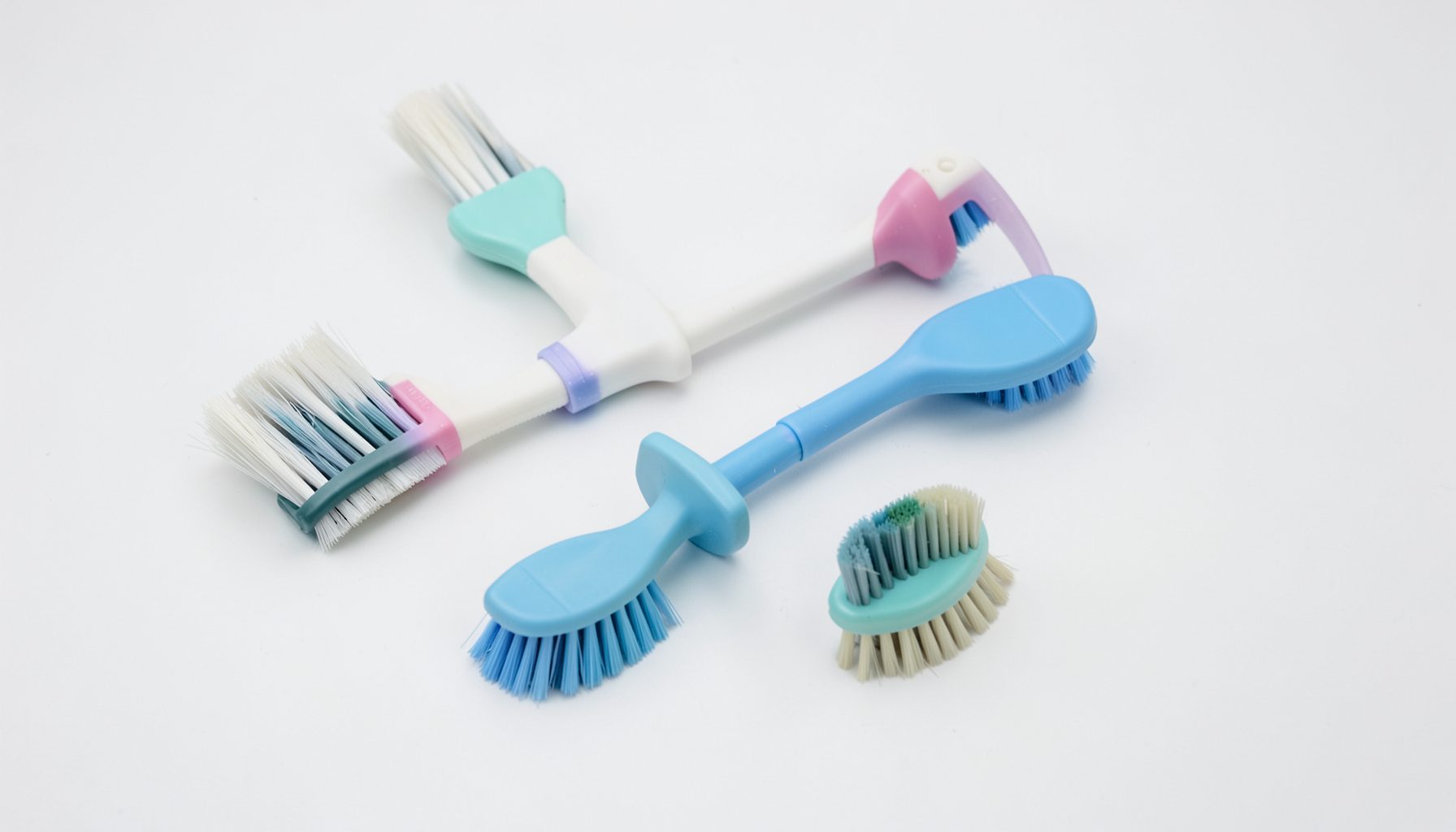
Switch nostrils and repeat. After use, rinse the bottle and let it air dry. Use ResQRinse Premium Cleaning Brushes for thorough cleaning.
Nasal Rinse for Allergy Relief During Spring Tree Pollen Peaks
Spring tree pollen can turn an otherwise pleasant morning into a cycle of sneezing, congestion, itchy eyes, and constant nose blowing. When pollen counts rise, particles settle on the nasal lining and trigger inflammation. The result may be a blocked or runny nose, post-nasal drainage, facial pressure, and difficulty sleeping.
A saline nasal rinse can help wash away pollen and thick mucus while adding moisture to irritated nasal passages. It is a supportive self-care measure rather than a cure for seasonal allergies, but regular use during high-pollen periods may make symptoms easier to manage alongside advice from a healthcare professional.
Timing, technique, and water safety matter. A comfortable rinse should leave the nose feeling clearer, not painful or intensely irritated. Choosing a well-designed squeeze-bottle system and following the preparation instructions can make nasal irrigation easier to include in a spring allergy routine.
Why Tree Pollen Causes So Much Nasal Congestion
Trees release fine pollen that can travel through open windows, clothing, hair, and outdoor surfaces. When someone with seasonal allergic rhinitis inhales these particles, the immune system may release histamine and other inflammatory chemicals. This response can cause swelling inside the nasal passages, increased mucus production, sneezing, and itching.
Pollen exposure is often highest during dry, breezy weather and may affect people even after they come indoors. Mucus can become thick as the nasal lining dries, making it harder to clear allergens naturally. Sleeping with congestion may also encourage mouth breathing, dry throat, and morning discomfort.
A saline rinse works mechanically rather than pharmacologically. The flowing solution can loosen mucus and carry away some of the pollen and other debris resting inside the nose. It does not replace an antihistamine, corticosteroid nasal spray, or prescribed treatment when those are appropriate, but it can complement an allergy management plan.
How Saline Irrigation Supports Allergy Relief
Most nasal rinse solutions use salt mixed with water at a concentration designed to be gentle on nasal tissue. Saline helps moisturize dry passages and may reduce the sensation of stuffiness caused by mucus and swelling. A rinse after outdoor exposure can be especially useful for people who notice symptoms after gardening, walking, mowing, or spending time near flowering trees.
Use the rinse over a sink and breathe through the mouth while the solution flows through one nostril and out the other. A squeeze bottle gives the user control over the flow and pressure. ResQRinse systems use Nasal Lock technology to help create a more comfortable seal around the nostril, which can make the process feel more contained than using a traditional open neti pot.
Some allergy sufferers also experience throat clearing or coughing when mucus drains backward. If that pattern continues, this post-nasal drip guide explains how sinus drainage may contribute to a chronic cough and when further evaluation may be useful.
Choosing A Rinse System For Spring Use
The best nasal irrigation device is one that is easy to prepare, comfortable to hold, and simple to clean after every use. Squeeze bottles are portable and allow users to control the pace of the rinse. A child-sized option may be more suitable for younger users, provided an adult supervises and the product instructions support that age group.
Saline packets can simplify preparation because they provide a measured blend of salts intended for nasal use. Avoid improvising with table salt alone, as the wrong concentration can sting or irritate. Some people prefer a complete kit with the bottle and packets together, while others need replacement packets, cleaning brushes, or a separate nasal mist for times when a full rinse is inconvenient.
A nasal mist does not flush the passages in the same way as an irrigation system. It may be useful for quick moisture during travel or at work, while a larger-volume rinse may be better after prolonged outdoor exposure. Reviewing the available ResQRinse products can help match the format to household needs, travel habits, and comfort preferences.
Compare Options For Pollen-Heavy Days
Different tools serve different purposes during allergy season. A rinse is generally intended to move saline through the nasal passages, while a mist provides lighter moisture. Medication may address the inflammatory allergy response, but it should be selected and used according to medical guidance and product directions.
| Option | Primary purpose | Useful timing | Important consideration |
|---|---|---|---|
| Saline squeeze-bottle rinse | Flushes mucus, pollen, and debris | After outdoor exposure or when congested | Requires safe water, correct mixing, and cleaning |
| Nasal mist | Adds quick moisture | Travel, work, or mild dryness | Does not provide the same flushing action |
| Oral antihistamine | Helps relieve systemic allergy symptoms | According to label or clinician advice | May cause drowsiness or other side effects |
| Corticosteroid nasal spray | Reduces nasal inflammation over time | Regular use when directed | Technique and consistent use affect results |
| Air filtration and closed windows | Reduces indoor pollen exposure | During high-count days | Filters require appropriate maintenance |
A combined approach may be more practical than relying on one method. For example, someone might keep windows closed during peak pollen hours, shower after outdoor activities, rinse the nose in the evening, and use recommended allergy medication as directed. Tracking which measures improve symptoms can help identify a routine that is both effective and sustainable.
Use A Nasal Rinse Safely
Water safety is essential. Use distilled or sterile water, or tap water that has been boiled and cooled according to reliable public health guidance. Do not use untreated tap water in a nasal irrigation device. The saline mixture should be prepared exactly as directed, since overly salty or weak solutions can cause burning and discomfort.
Wash the bottle and removable parts after each use, then allow them to dry completely in a clean place. A cleaning brush can help reach internal surfaces where residue might collect. Do not share a nasal rinse bottle, even among family members, and replace components as recommended by the manufacturer.
- Rinse the device before first use and follow the included preparation instructions.
- Lean over a sink and keep the mouth open while irrigating.
- Stop if you experience sharp pain, significant nosebleeding, ear pressure, or worsening symptoms.
- Avoid forcing fluid through a completely blocked passage.
- Ask a healthcare professional about use after nasal surgery or when treating a young child.
Mild tingling or a brief feeling of fullness may occur, particularly when someone is new to nasal irrigation. Persistent pain, recurrent bleeding, fever, severe facial pain, or symptoms that do not improve deserve medical attention. People with immune system problems or unusual nasal anatomy should seek individualized advice before beginning regular irrigation.
Build A Practical Pollen-Season Routine
Consistency can matter more than using a large amount of saline occasionally. On high-pollen days, rinsing after coming indoors may remove particles before they remain on the nasal lining for hours. An evening rinse can also clear accumulated mucus and help make bedtime more comfortable, provided the user follows safe-water and cleaning practices.
Environmental habits can reinforce the benefit. Keep outdoor clothing away from the bedroom, wash hair after extended time outside, clean pets that spend time outdoors, and monitor local pollen forecasts. Closing windows during peak counts and using air conditioning with clean filters may reduce the number of airborne allergens entering the home.
A rinse should feel like a supportive part of allergy care, not a contest to achieve maximum pressure or frequency. Start gently, learn the correct angle, and give the nose time to adjust. If congestion is driven by infection, structural blockage, medication overuse, or another condition rather than pollen alone, a clinician can help determine the appropriate treatment.
When spring pollen counts climb, a properly prepared saline rinse offers a simple way to clear allergens and mucus from the nose. Pair comfortable technique with safe water, careful device hygiene, and a broader seasonal allergy plan. Explore a suitable ResQRinse system and make nasal care part of the routine before the next high-pollen day arrives.