ResQRinse is the nasal irrigation squeeze bottle that eliminates head-tilting and awkward neck positions. Using proprietary Nasal Lock™ technology, it delivers a comfortable, gag-free sinus cleanse — no more saline dripping down your throat.

Relief From Fall Sneezes
Now sold on Walmart.com. Free shipping on orders $30+. Try ResQRinse today with your everyday purchases.
Shop at WalmartWhy ResQRinse?
Nasal rinsing helps relieve congestion from colds, allergies, sinusitis, hay fever, and environmental pollutants. ResQRinse makes it comfortable enough to become a daily habit.
Nasal Lock™ Technology
Isolates sinuses from the throat using natural choanal occlusion — like inflating a balloon — so saline stays where it belongs.
Learn more →
Drug-Free Relief
Uses premixed saline packets with distilled water. No medications, no preservatives — just a natural cleanse for your nasal passages.
How to rinse →
For Kids Too
ResQRinse for Kids features a comfort nasal tip right-sized for smaller nostril openings, making rinsing gentle and easy for children.
Shop kids' version →
Breath-Controlled Flow
You control the saline flow with your own breath pressure — high volume, low pressure irrigation that's comfortable and effective.
Watch how-to videos →
Better Compliance
Designed to overcome the gagging and discomfort that cause people to abandon traditional neti pots and nasal rinse systems.
Our story →
Complete Kits Available
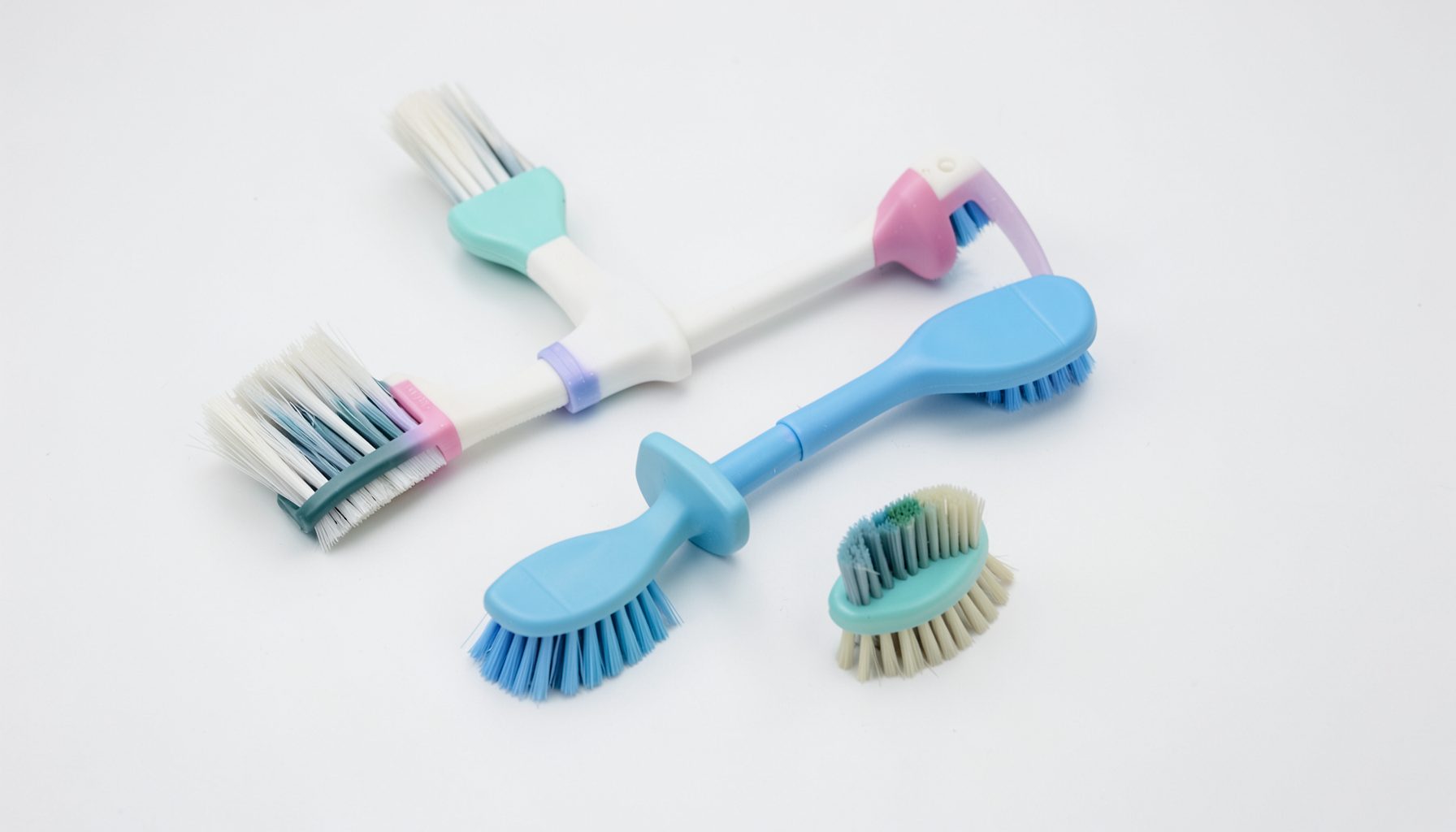
From the basic ResQRinse Nasal Rinse System ($19.99) to 90-day complete kits, saline packets, cleaning brushes, and Sinoptim Nasal Mist.
Browse all products →Get Started with ResQRinse
Ready to experience a better nasal rinse? Fill out the form below and we'll help you find the right product — or follow the simple steps to begin rinsing today.
Request More Information
How to Use ResQRinse
Fill the Bottle
Fill the ResQRinse squeeze bottle with distilled or previously boiled water and add one premixed saline packet.
Position the Tip
Place the comfort tip gently against one nostril. No head-tilting or awkward neck angles needed.
Squeeze & Breathe
Squeeze the bottle gently while breathing through your mouth. Nasal Lock™ keeps saline in your nasal passages and out of your throat.
Repeat & Clean
Switch nostrils and repeat. After use, rinse the bottle and let it air dry. Use ResQRinse Premium Cleaning Brushes for thorough cleaning.
Why Sinus Symptoms Get Worse at Night
A blocked nose can feel manageable during the day and much harder to tolerate after bedtime. Congestion may increase when you lie down, mucus can become difficult to clear, and pressure around the cheeks or forehead may seem more noticeable in a quiet bedroom. For people with seasonal allergies, colds, or recurring sinus irritation, nighttime often brings the clearest reminder that the nasal passages are inflamed.
Several factors can contribute at once. Bedroom dust, pet dander, dry air, reflux, and changes in blood flow may worsen nasal swelling, while sleeping position can prevent normal drainage. Identifying the pattern behind your symptoms makes it easier to choose sensible relief measures instead of treating every episode the same way.
For broader guidance on saline rinsing, nasal hygiene, and congestion care, the sinus care resources from ResQRinse provide practical information for different routines and symptoms.
Why Nights Expose Nasal Irritation
When you lie flat, blood vessels in the lining of the nose can become more engorged. This extra blood flow may narrow the nasal passages, particularly when allergies, a viral infection, or chronic inflammation has already caused swelling. Mucus also tends to move less efficiently without the assistance of an upright posture and regular daytime activity.
The result can be a familiar cycle: one or both nostrils feel blocked, breathing shifts to the mouth, and the throat becomes dry or irritated. Mouth breathing can make sleep less comfortable and may leave you waking with a scratchy throat, unpleasant taste, or increased thirst.
Nighttime symptoms can also feel stronger because there are fewer distractions. Pressure, facial tenderness, and postnasal drip are easier to notice when you are lying still. A symptom that is mild during a busy day may therefore seem much more severe after the lights go out.
Common Triggers After Dark
Allergens are frequent causes of evening nasal congestion. Bedding, pillows, mattresses, carpets, and upholstered furniture can collect dust mites, pollen, and pet dander. If a pet sleeps in the room or windows remain open during a high-pollen period, exposure may continue for several hours while you sleep.
Dry indoor air can thicken nasal mucus and make the lining more sensitive. Heating systems often reduce humidity during colder months, while air conditioning can have a similar effect in warm weather. Fragrances from candles, detergents, room sprays, and essential oils may also irritate the nose, even when they do not cause a classic allergy.
Some people experience more reflux when reclining, which can irritate the throat and contribute to coughing or a sensation of mucus. Alcohol and spicy foods may increase nasal stuffiness in sensitive individuals. If symptoms reliably follow a meal, beverage, or bedroom exposure, tracking that pattern can help identify the trigger. Reading customer experiences may also reveal how different households manage recurring congestion and allergy symptoms.
Position, Air, And Mucus Drainage
Your sleeping position can influence how congestion feels. Lying completely flat may increase pressure and make drainage harder, while gently elevating the head and upper torso can reduce the sensation of blockage for some people. A wedge pillow or raised mattress platform is generally more stable than stacking several soft pillows, which can strain the neck.
Side sleeping may make one nostril feel more obstructed than the other because the lower side can become more congested. Turning to the opposite side may temporarily improve airflow, but persistent one-sided blockage deserves attention, especially if it occurs outside periods of illness or allergy exposure.
A bedroom that is too humid can encourage mold growth, while very dry air can aggravate irritation. A clean humidifier used according to its instructions may help in dry conditions, but it must be emptied and cleaned regularly. Otherwise, it can distribute microorganisms or mineral residue into the air.
| Possible nighttime factor | How it may affect the nose | Helpful first step |
|---|---|---|
| Lying flat | Increases nasal swelling and slows drainage | Elevate the upper body gently |
| Dust mites or pet dander | Triggers allergy-related inflammation | Wash bedding regularly and limit bedroom exposure |
| Dry heated air | Thickens mucus and irritates tissue | Adjust humidity and drink adequate fluids |
| Evening reflux | Irritates the throat and may cause coughing | Avoid lying down soon after eating |
| Thick mucus from a cold | Makes nasal breathing and drainage harder | Use appropriate saline care and rest |
How Saline Rinsing Can Help
Saline irrigation flushes mucus, dust, pollen, and other particles from the nasal passages. It can also add moisture to irritated tissue, which may make breathing more comfortable before bed. A rinse is especially useful when congestion is linked to environmental exposure, such as outdoor pollen, household dust, or chlorine and allergens encountered while swimming. Guidance on a rinse after swimming explains why post-activity nasal care can be useful.
A squeeze-bottle system allows the user to control pressure and volume more directly than a traditional neti pot. ResQRinse products use Nasal Lock technology to help create a comfortable seal around the nostrils while the saline solution passes through the nasal passages. The goal is a controlled, gentle flow rather than forceful pressure.
Water safety is essential. Use distilled or sterile water, or tap water that has been boiled and cooled according to public-health guidance. Prepare the solution with the recommended saline packet rather than plain water, which can sting and irritate nasal tissue. Follow the product instructions, wash the bottle after use, and allow it to dry fully. A cleaning brush can help reach internal surfaces that are difficult to rinse by hand.
Building A Calmer Evening Routine
A consistent routine can reduce the buildup of irritants that makes nighttime breathing difficult. Saline care should be comfortable and unhurried, ideally performed before lying down so the remaining solution and loosened mucus have time to drain. Stop if you experience sharp pain, significant ear pressure, or bleeding.
- Wash your face and change clothes after spending time outdoors during high-pollen periods.
- Keep pets, fragrances, and dusty textiles away from the sleeping area when possible.
- Rinse the nose with correctly prepared saline before bed when mucus or allergens are contributing to congestion.
- Elevate your head slightly if lying flat increases pressure or blockage.
- Clean and dry irrigation equipment after every use.
Children need an age-appropriate system and close adult supervision. ResQRinse offers children’s versions, saline packets, nasal mist, and complete kits designed for different household needs. A nasal mist may be more convenient for light dryness or travel, while irrigation is generally chosen when a fuller rinse is appropriate.
Avoid sharing bottles, and replace or clean components as directed. If a rinse feels uncomfortable every time, review the water temperature, saline concentration, seal, and pressure. A gentle flow should never feel forceful or painful.
When Nighttime Congestion Needs Care
Many episodes of nighttime stuffiness improve as a cold resolves or an allergen is removed. However, persistent or worsening symptoms may point to allergic rhinitis, chronic sinus inflammation, a deviated septum, nasal polyps, reflux, or another condition that needs a tailored evaluation. Recurrent symptoms that interfere with sleep deserve more than repeated short-term fixes.
Seek medical advice for severe facial swelling, vision changes, intense headache, high fever, confusion, neck stiffness, or symptoms that rapidly worsen. Professional guidance is also appropriate when congestion lasts for an unusually long period, repeatedly affects only one side, produces frequent nosebleeds, or comes with significant ear pain.
Before using medicated decongestant sprays, check the label and follow duration limits, since overuse can cause rebound congestion. People with recent nasal surgery, immune problems, or specific ear and sinus conditions should ask a healthcare professional whether irrigation is suitable.
Better nighttime breathing often begins with small changes: controlling bedroom triggers, improving sleep position, keeping indoor air balanced, and clearing the nose safely. Explore the ResQRinse range through Walmart or Amazon, choose the format that fits your routine, and make comfortable nasal care part of your evening preparation.