ResQRinse is the nasal irrigation squeeze bottle that eliminates head-tilting and awkward neck positions. Using proprietary Nasal Lock™ technology, it delivers a comfortable, gag-free sinus cleanse — no more saline dripping down your throat.

Relief From Fall Sneezes
Now sold on Walmart.com. Free shipping on orders $30+. Try ResQRinse today with your everyday purchases.
Shop at WalmartWhy ResQRinse?
Nasal rinsing helps relieve congestion from colds, allergies, sinusitis, hay fever, and environmental pollutants. ResQRinse makes it comfortable enough to become a daily habit.
Nasal Lock™ Technology
Isolates sinuses from the throat using natural choanal occlusion — like inflating a balloon — so saline stays where it belongs.
Learn more →
Drug-Free Relief
Uses premixed saline packets with distilled water. No medications, no preservatives — just a natural cleanse for your nasal passages.
How to rinse →
For Kids Too
ResQRinse for Kids features a comfort nasal tip right-sized for smaller nostril openings, making rinsing gentle and easy for children.
Shop kids' version →
Breath-Controlled Flow
You control the saline flow with your own breath pressure — high volume, low pressure irrigation that's comfortable and effective.
Watch how-to videos →
Better Compliance
Designed to overcome the gagging and discomfort that cause people to abandon traditional neti pots and nasal rinse systems.
Our story →
Complete Kits Available
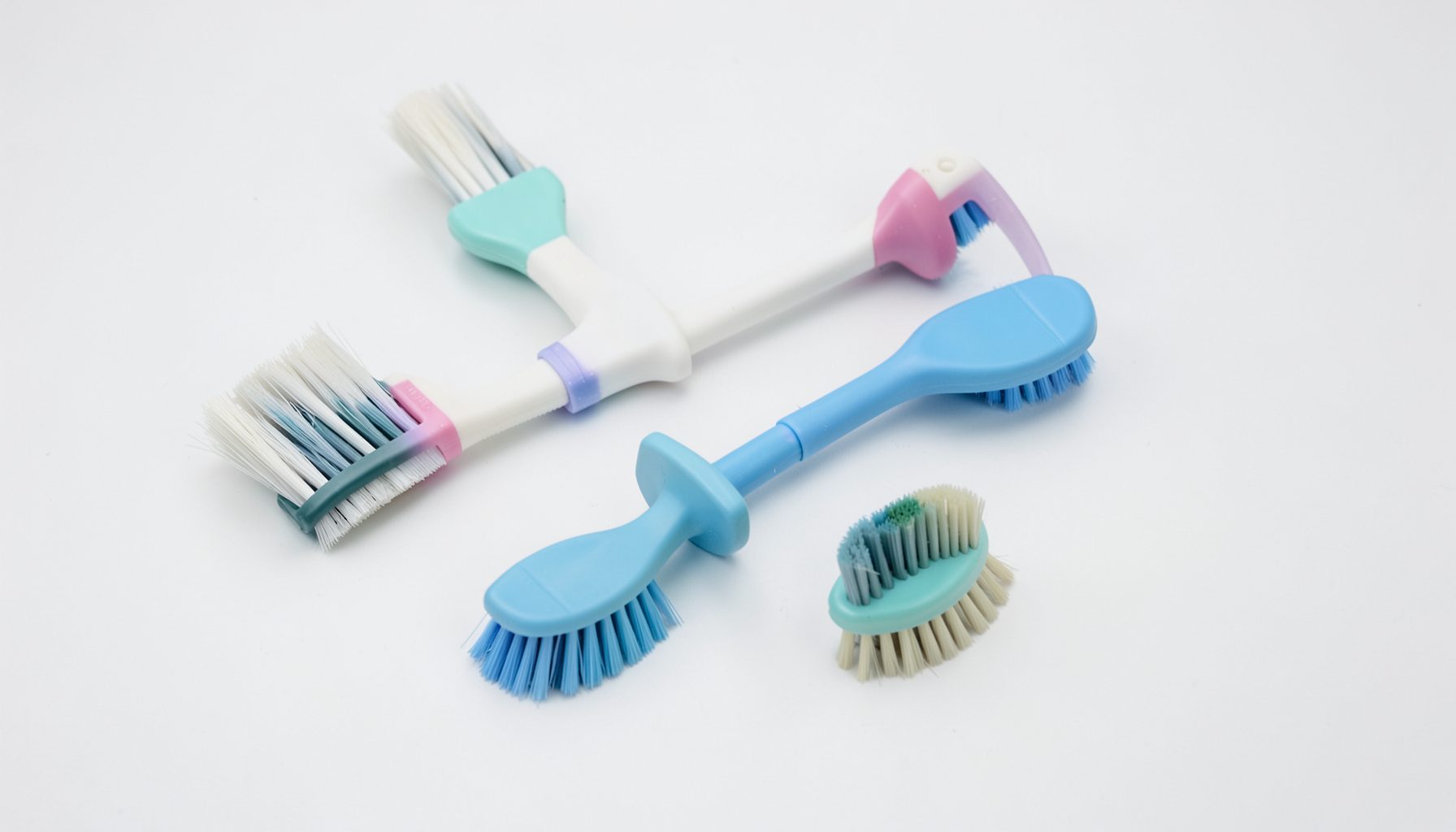
From the basic ResQRinse Nasal Rinse System ($19.99) to 90-day complete kits, saline packets, cleaning brushes, and Sinoptim Nasal Mist.
Browse all products →Get Started with ResQRinse
Ready to experience a better nasal rinse? Fill out the form below and we'll help you find the right product — or follow the simple steps to begin rinsing today.
Request More Information
How to Use ResQRinse
Fill the Bottle
Fill the ResQRinse squeeze bottle with distilled or previously boiled water and add one premixed saline packet.
Position the Tip
Place the comfort tip gently against one nostril. No head-tilting or awkward neck angles needed.
Squeeze & Breathe
Squeeze the bottle gently while breathing through your mouth. Nasal Lock™ keeps saline in your nasal passages and out of your throat.
Repeat & Clean
Switch nostrils and repeat. After use, rinse the bottle and let it air dry. Use ResQRinse Premium Cleaning Brushes for thorough cleaning.
Why rinsing before a nasal spray can improve comfort and delivery
A blocked nose can make a nasal spray feel ineffective, especially when thick mucus, dust or pollen is coating the nasal passages. Saline irrigation helps wash away that build-up first, creating a cleaner surface for a medicated spray to reach the tissue it is intended to treat.
The sequence matters. Rinse gently, allow excess fluid to drain, blow your nose without force, then use the spray according to its instructions. This simple routine can be useful for people managing allergies, sinus congestion or seasonal symptoms in Australia, where pollen, dry weather and bushfire smoke can all irritate the nose.
How mucus can interfere with nasal sprays
Nasal sprays need to contact the lining of the nasal passages. When mucus is thick or the nose is congested, some of the spray may sit on that material instead of spreading across the nasal tissue. A portion can also run straight out or drip into the throat, which can make the dose feel unpleasant and less useful.
A saline rinse loosens mucus and helps remove allergens, dust and other particles. This does not turn a spray into a stronger medicine, and it cannot guarantee greater absorption, but it may create better conditions for the active ingredient to contact the nasal lining. Research and practical guidance on this sequence are discussed in nasal rinse and medication absorption.
The benefit can be especially noticeable when a person has a heavy cold, allergic rhinitis or sinus pressure. In Melbourne and Adelaide, for example, spring pollen can leave the nose persistently irritated, while dry inland air may make secretions thicker and harder to clear.
The right order for a clearer routine
Use the saline rinse before the medicated spray, rather than afterwards. Rinsing after a nasal steroid, antihistamine or decongestant spray may remove some of the medicine before it has had time to work. A pre-spray rinse clears the passage first, so the medicine can be applied to a less obstructed surface.
Start with the irrigation system and use a comfortable flow. Lean over a sink, breathe through your mouth and let the saline travel through the nose without squeezing aggressively. When finished, wait until the immediate dripping settles, then gently blow your nose. There should be no need to forcefully clear every trace of fluid.
Follow the timing and dose on the spray label or the directions given by a doctor or pharmacist. If the nose is completely blocked, painful or bleeding, forcing liquid through it may be uncomfortable. Stop if you experience significant pain, dizziness or ear pressure and seek professional advice.
Safe water and clean equipment matter
Nasal irrigation is safe when the water and device are handled properly. Use sterile or distilled water, or tap water that has been boiled and cooled, as recommended by Australian health authorities. Ordinary tap water should not be used casually for nasal rinsing, even if it is safe to drink, because the nasal passages are more vulnerable to contamination.
Prepare fresh saline using the correct packet and water volume. Water that is too salty can sting, while a weak solution may feel unpleasant or fail to loosen mucus effectively. Do not share a squeeze bottle, nozzle or nasal spray, since sharing can transfer germs between people.
Rinse the bottle after each use and allow it to air-dry fully. Periodic cleaning with the supplied brush can help remove residue from narrow parts of the system. In a busy Sydney household, keeping a dedicated rinse kit in the bathroom and replacing it as directed is an easy way to make the routine consistent.
Choosing a rinse system that feels manageable
A neti pot suits some users, but others prefer a squeeze bottle because it gives more control over the volume and direction of saline. A well-designed nasal lock or similar sealing feature can help the nozzle sit comfortably and reduce leakage around the nostril. Comfort matters because a routine that feels awkward is less likely to be used regularly.
ResQRinse offers nasal irrigation systems for adults, children and different home-care needs, along with saline packets, cleaning brushes and complete kits. A child’s system should be used with an adult’s supervision, and children should be shown how to stay relaxed rather than squeeze too hard.
A saline mist has a different role from a full rinse. Mist can moisturise and refresh the nose during the day, while a larger-volume rinse is generally better suited to washing away mucus and irritants before a medicated spray. Read the product directions so you use the right option for the symptom you are managing.
Using the spray effectively after rinsing
Once the rinse is complete, check that the spray nozzle is clean and primed if the instructions require it. Keep your head slightly forward rather than tipped backwards. Insert the nozzle just inside the nostril and aim it towards the outer wall, away from the nasal septum in the centre.
Breathe in gently as you activate the spray. A strong sniff can pull the medicine into the throat, which may cause an unpleasant taste and reduce how much remains in the nose. Alternate nostrils as directed, and avoid immediately blowing your nose unless the label or clinician tells you to do so.
Different sprays have different purposes. Steroid sprays are often used regularly for allergic or inflammatory symptoms, while decongestant sprays may have strict limits on how many days they should be used. If you are taking other medicines, are pregnant, have recently had nasal surgery or are unsure about the product, ask an Australian pharmacist or GP for advice. Your local chemist can also check whether your technique and timing are suitable.
Making the habit easier during Australian allergy seasons
Nasal symptoms can change with the season and location. Grass pollen, flowering trees and dust may be troublesome around Canberra and regional New South Wales, while humid conditions in Brisbane and tropical Queensland can contribute to a different pattern of congestion. During bushfire periods, smoke particles can further irritate the nose, although a rinse should not be treated as protection from smoke exposure.
A practical routine might be to rinse after arriving home from a high-pollen outdoor day, then use a prescribed spray once the nose has drained. Keep the equipment away from direct sunlight and allow it to dry between uses. If you travel, take enough saline packets and use safe water at your destination rather than relying on an unfamiliar tap.
Technique is easier to learn when you can see the flow and positioning. ResQRinse provides rinse instructions to demonstrate the process, including how to position the bottle and avoid excessive pressure. Practising when symptoms are mild can make the method feel less daunting during a rough allergy day.
Rinsing before a nasal spray is best viewed as preparation, not a replacement for medical treatment. It may clear the path, reduce surface mucus and make the spray more comfortable to use, but persistent blockage, facial pain, fever, frequent nosebleeds or symptoms lasting several weeks deserve medical assessment.
Build the sequence into your routine: prepare safe saline, rinse gently, clean and dry the device, wait for the nose to settle, then apply the spray with calm breathing. Explore the ResQRinse range through the website and choose the system and accessories that suit your household’s needs.