ResQRinse is the nasal irrigation squeeze bottle that eliminates head-tilting and awkward neck positions. Using proprietary Nasal Lock™ technology, it delivers a comfortable, gag-free sinus cleanse — no more saline dripping down your throat.

Relief From Fall Sneezes
Now sold on Walmart.com. Free shipping on orders $30+. Try ResQRinse today with your everyday purchases.
Shop at WalmartWhy ResQRinse?
Nasal rinsing helps relieve congestion from colds, allergies, sinusitis, hay fever, and environmental pollutants. ResQRinse makes it comfortable enough to become a daily habit.
Nasal Lock™ Technology
Isolates sinuses from the throat using natural choanal occlusion — like inflating a balloon — so saline stays where it belongs.
Learn more →
Drug-Free Relief
Uses premixed saline packets with distilled water. No medications, no preservatives — just a natural cleanse for your nasal passages.
How to rinse →
For Kids Too
ResQRinse for Kids features a comfort nasal tip right-sized for smaller nostril openings, making rinsing gentle and easy for children.
Shop kids' version →
Breath-Controlled Flow
You control the saline flow with your own breath pressure — high volume, low pressure irrigation that's comfortable and effective.
Watch how-to videos →
Better Compliance
Designed to overcome the gagging and discomfort that cause people to abandon traditional neti pots and nasal rinse systems.
Our story →
Complete Kits Available
From the basic ResQRinse Nasal Rinse System ($19.99) to 90-day complete kits, saline packets, cleaning brushes, and Sinoptim Nasal Mist.
Browse all products →Get Started with ResQRinse
Ready to experience a better nasal rinse? Fill out the form below and we'll help you find the right product — or follow the simple steps to begin rinsing today.
Request More Information
How to Use ResQRinse
Fill the Bottle
Fill the ResQRinse squeeze bottle with distilled or previously boiled water and add one premixed saline packet.
Position the Tip
Place the comfort tip gently against one nostril. No head-tilting or awkward neck angles needed.
Squeeze & Breathe
Squeeze the bottle gently while breathing through your mouth. Nasal Lock™ keeps saline in your nasal passages and out of your throat.
Repeat & Clean
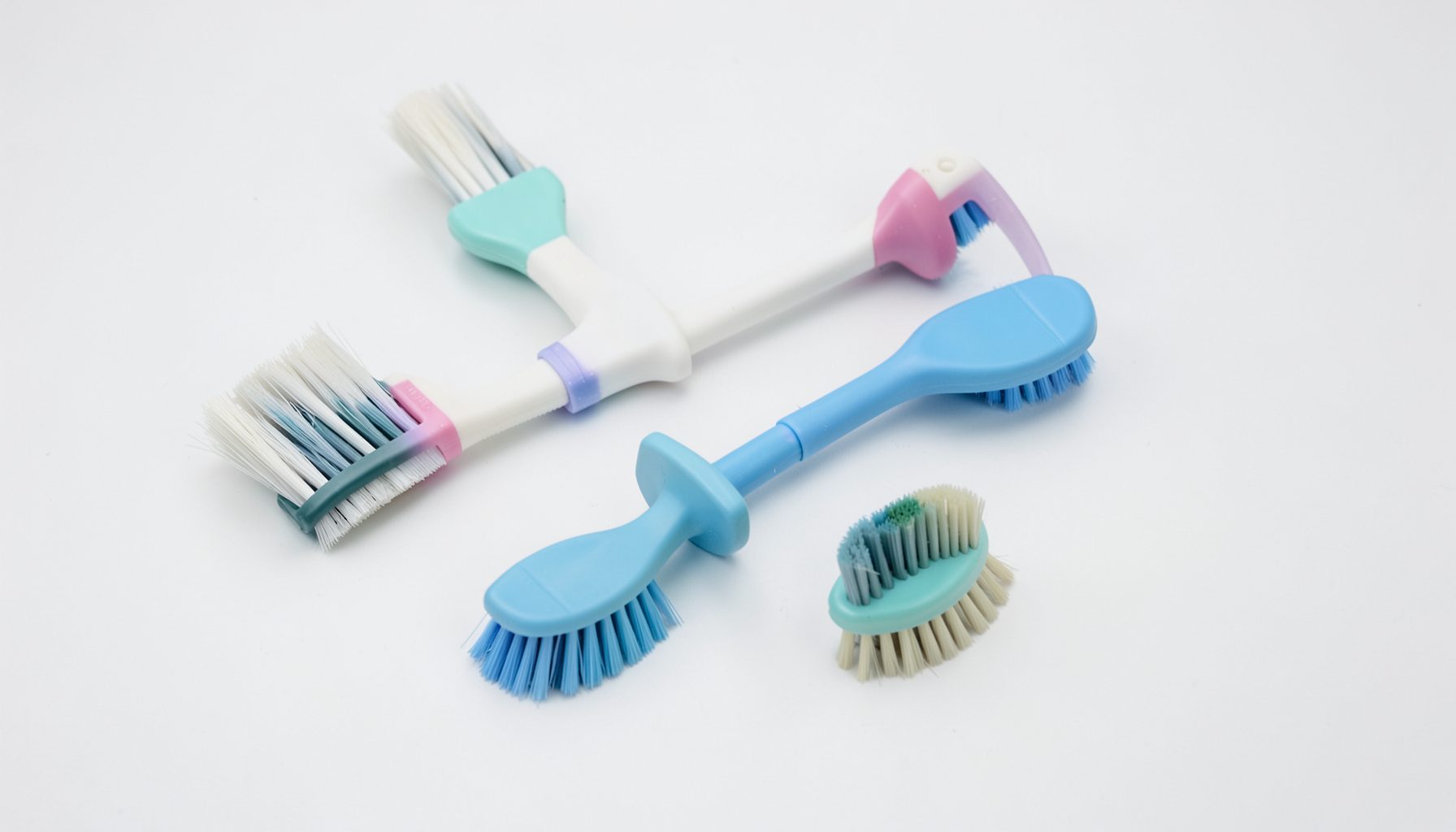
Switch nostrils and repeat. After use, rinse the bottle and let it air dry. Use ResQRinse Premium Cleaning Brushes for thorough cleaning.
How nasal rinsing affects sinus medication absorption
Nasal irrigation can change the environment in which sinus medicines work. By flushing mucus, allergens, crusts, and inflammatory debris from the nasal passages, a saline rinse may help a later-applied spray reach more of the tissue it is intended to treat. The effect depends on the medication, the condition being managed, and the order in which products are used.
This does not mean that rinsing automatically increases the amount of medicine entering the bloodstream. Most nasal sprays are designed to act locally inside the nose, and their effectiveness depends more on clean, accessible tissue and correct application than on maximizing systemic absorption. A rinse can support that process, but it can also wash medication away if used afterward.
A comfortable squeeze-bottle system, such as those offered by ResQRinse, is intended to make regular nasal hygiene easier. Safe water preparation, proper device cleaning, and following the medicine label remain essential parts of the routine.
How saline irrigation changes the nasal environment
Congestion creates a physical barrier between a nasal spray and the lining of the nose. Thick mucus can trap some of the medicine near the nostrils, while swelling may narrow the passage and prevent an even coating. Saline irrigation loosens and removes this material, potentially giving a topical corticosteroid, antihistamine, or decongestant spray better access to the nasal mucosa.
A rinse may also improve mucociliary clearance. This is the natural process by which tiny hair-like structures move mucus toward the throat. When the mucus layer is overloaded by pollen, dust, infection-related secretions, or dry crusts, the nose may clear particles less efficiently. Saline helps hydrate the surface and dilute unwanted material, creating more favorable conditions for a medication applied afterward.
The way water enters and exits the nasal passages matters. ResQRinse explains its Nasal Lock design as a feature intended to help direct the flow through the nose while reducing uncomfortable runoff. A controlled flow can make it easier to rinse thoroughly without using excessive pressure.
Why the order of products matters
Using a medicated nasal spray immediately before irrigation can reduce its benefit. The rinse may dilute or remove medicine that has not had enough time to interact with the nasal lining. This is especially relevant for topical treatments that depend on repeated local application, including steroid sprays prescribed for allergic rhinitis or chronic nasal inflammation.
For many people, rinsing first and applying the medicine afterward is the more logical sequence. The rinse clears the passage, and the spray can then be directed toward the appropriate area. However, the ideal interval may vary by product. Some labels specify whether the nose should be gently blown, allowed to drain, or left alone for a certain period before another treatment.
A nasal rinse does not replace a prescribed medication. It can relieve mucus and congestion while supporting delivery of a topical product, but it does not provide the anti-inflammatory, antihistamine, antibiotic, or decongestant action of that medicine. Anyone using several nasal products should review the order with a pharmacist or clinician.
What absorption means for different medicines
The phrase “medication absorption” can refer to two different outcomes. Local absorption means the active ingredient passes into the nasal tissue where it is supposed to work. Systemic absorption means it enters the bloodstream and affects the body more broadly. Nasal irrigation may improve local contact for some sprays, but it should not be viewed as a method for increasing whole-body drug absorption.
For intranasal corticosteroids, a clean nasal surface and consistent technique are generally more important than trying to intensify absorption. Pointing the nozzle slightly away from the nasal septum, avoiding forceful sniffing, and using the prescribed amount can reduce runoff and improve distribution. A rinse beforehand may help when mucus or congestion interferes with application.
Decongestant sprays deserve particular caution. Products containing ingredients such as oxymetazoline are usually intended for short-term use because frequent or prolonged use can cause rebound congestion. Rinsing before application does not remove this risk. Oral antihistamines, antibiotics, and other systemic medicines are absorbed through the digestive tract or other routes, so nasal irrigation generally has little direct effect on their absorption.
Comparing common routines
The best sequence depends on whether the product is intended to coat the nose, treat a specific infection, or relieve symptoms temporarily. The following comparison describes common principles rather than replacing the directions supplied with a particular medication.
| Routine | Likely effect on topical medication | Main consideration |
|---|---|---|
| Rinse, then apply nasal spray | May improve access to nasal tissue and reduce mucus interference | Follow the product’s waiting and application instructions |
| Apply spray, then rinse immediately | May remove or dilute the medicine | Usually an unsuitable sequence unless specifically directed |
| Use oral medicine with a nasal rinse | Usually little direct effect on absorption | Continue the medicine as prescribed |
| Rinse without medication | Helps loosen mucus and allergens | Does not provide drug treatment for inflammation or infection |
| Combine several nasal products | May improve symptom coverage in some cases | Confirm order, spacing, and compatibility with a clinician |
A person with a heavily blocked nose may find that a rinse makes a later spray feel more effective because less of the dose runs back out. That perceived improvement can reflect better contact rather than a higher blood concentration. Keeping these concepts separate helps prevent overuse or unsafe dose changes.
Safe use protects the treatment routine
Water safety is one of the most important parts of nasal irrigation. Use distilled or sterile water, or tap water that has been boiled and cooled according to public health guidance. Ordinary untreated tap water can contain organisms that are safe to drink but unsafe to introduce into the nasal passages. Saline packets should be mixed according to the instructions so the solution is comfortable and appropriately balanced.
Clean the bottle, cap, nozzle, and any supplied brush after use. Allow components to dry fully before storing them. Sharing a nasal rinse device can spread contamination, so each person should have a device intended for individual use. Replace parts when they become damaged, cloudy, or difficult to clean.
Pressure should remain gentle and controlled. Stop if there is sharp pain, significant ear pressure, repeated nosebleeding, or worsening symptoms. People with recent nasal surgery, frequent nosebleeds, structural blockage, immune problems, or severe ear disease should ask a healthcare professional whether irrigation is appropriate.
Reliable usage guidance can help users avoid common mistakes. ResQRinse’s sinus care articles cover practical topics such as nasal rinsing, congestion, and device use, but product labels and professional medical advice should guide medication-specific decisions.
Practical ways to coordinate rinsing and medicine
A consistent routine is usually more useful than trying to maximize the amount of medicine absorbed. These steps can help organize nasal hygiene and topical treatment:
- Rinse before a medicated nasal spray when the product instructions do not say otherwise.
- Let the solution drain, then gently clear the nose without forceful blowing.
- Apply the exact prescribed or labeled dose using the recommended nozzle direction.
- Keep a suitable interval between nasal products when a pharmacist or clinician advises one.
- Monitor for irritation, nosebleeds, palpitations, worsening congestion, or other unexpected effects.
The spray should be aimed into the nasal passage rather than directly at the septum, the delicate wall between the nostrils. Excessive sniffing can pull liquid into the throat, while too little inhalation may leave the product near the entrance. Demonstration by a pharmacist or healthcare professional can make technique easier to learn.
If symptoms are caused by allergies, combining allergen avoidance with saline irrigation may reduce the amount of mucus present before medication is used. If symptoms suggest bacterial infection, recurrent sinus disease, or another condition requiring assessment, rinsing should remain supportive care rather than the sole treatment.
When professional guidance is important
Medication instructions can differ substantially. A nasal steroid, antihistamine, decongestant, antibiotic solution, and moisturizing mist may each have different directions for timing and frequency. Some products should not be combined without professional advice, and some are inappropriate for young children or people with particular medical conditions.
Seek medical guidance for symptoms that are severe, persistent, one-sided, associated with high fever, or accompanied by swelling around the eyes or changes in vision. A clinician can determine whether the problem is allergy-related, infectious, structural, medication-related, or something that needs urgent attention.
For everyday congestion and allergy care, a well-maintained rinse system may help clear the nasal passages before a topical medicine is applied. Use it as part of a measured routine: prepare safe saline, rinse gently, follow the medication label, and avoid changing doses based on how clear the nose feels.
Explore a nasal irrigation system that fits your household’s needs, then use it consistently and safely alongside appropriate sinus medication. ResQRinse products, including saline packets and child-focused options, are available through the brand’s online retail partners for people building a practical nasal care routine.