ResQRinse is the nasal irrigation squeeze bottle that eliminates head-tilting and awkward neck positions. Using proprietary Nasal Lock™ technology, it delivers a comfortable, gag-free sinus cleanse — no more saline dripping down your throat.

Relief From Fall Sneezes
Now sold on Walmart.com. Free shipping on orders $30+. Try ResQRinse today with your everyday purchases.
Shop at WalmartWhy ResQRinse?
Nasal rinsing helps relieve congestion from colds, allergies, sinusitis, hay fever, and environmental pollutants. ResQRinse makes it comfortable enough to become a daily habit.
Nasal Lock™ Technology
Isolates sinuses from the throat using natural choanal occlusion — like inflating a balloon — so saline stays where it belongs.
Learn more →
Drug-Free Relief
Uses premixed saline packets with distilled water. No medications, no preservatives — just a natural cleanse for your nasal passages.
How to rinse →
For Kids Too
ResQRinse for Kids features a comfort nasal tip right-sized for smaller nostril openings, making rinsing gentle and easy for children.
Shop kids' version →
Breath-Controlled Flow
You control the saline flow with your own breath pressure — high volume, low pressure irrigation that's comfortable and effective.
Watch how-to videos →
Better Compliance
Designed to overcome the gagging and discomfort that cause people to abandon traditional neti pots and nasal rinse systems.
Our story →
Complete Kits Available
From the basic ResQRinse Nasal Rinse System ($19.99) to 90-day complete kits, saline packets, cleaning brushes, and Sinoptim Nasal Mist.
Browse all products →Get Started with ResQRinse
Ready to experience a better nasal rinse? Fill out the form below and we'll help you find the right product — or follow the simple steps to begin rinsing today.
Request More Information
How to Use ResQRinse
Fill the Bottle
Fill the ResQRinse squeeze bottle with distilled or previously boiled water and add one premixed saline packet.
Position the Tip
Place the comfort tip gently against one nostril. No head-tilting or awkward neck angles needed.
Squeeze & Breathe
Squeeze the bottle gently while breathing through your mouth. Nasal Lock™ keeps saline in your nasal passages and out of your throat.
Repeat & Clean
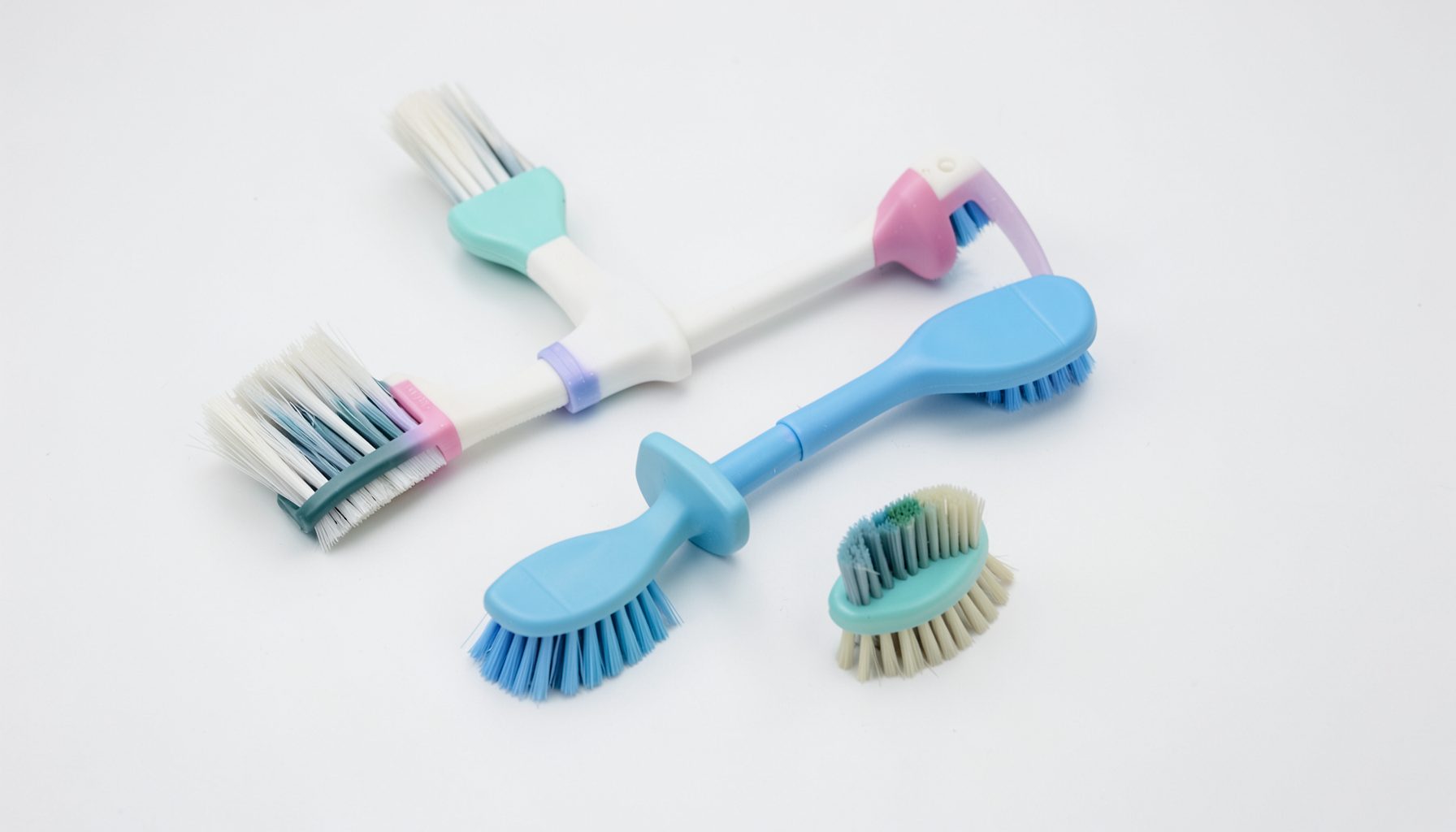
Switch nostrils and repeat. After use, rinse the bottle and let it air dry. Use ResQRinse Premium Cleaning Brushes for thorough cleaning.
Why you should rinse after mowing the lawn during high pollen season
Grass pollen can turn a routine weekend chore into an assault on the nose and eyes. Cutting flowering grass releases pollen from seed heads, and a breeze can carry it towards a mower, a washing line or an open front door. Australians who call this reaction “hay fever” often notice it most after lawn work, when symptoms seem to arrive with the first wave of clippings.
Rinsing after mowing the lawn during high pollen season can be a sensible part of a broader cleanup routine. A sterile saline rinse may wash away loose particles and mucus, soothe an irritated nose and make breathing feel easier. It does not prevent an allergic response, and it works best alongside sensible avoidance, allergy treatment recommended by a clinician and a clean home environment.
Timing and exposure differ across Australia, so there is no single mowing day that suits everyone. Melbourne and Canberra often experience a sharp spring grass-pollen period, Sydney’s warmer coastal climate can stretch it, and Brisbane’s subtropical lawns may keep symptoms going for much of the year. In Australian parlance, the resulting hay fever is a familiar seasonal complaint, especially when a blocked nose follows every lawn session.
Pollen gets worse after the grass is cut
Grass does not need to look dusty for pollen to be a problem. Mowing shakes pollen from flowering stems and seed heads, sends fine fragments into the air and can push previously settled particles from the lawn towards your face. Windy mornings are often the worst, especially in Melbourne’s changeable spring and Canberra’s dry, breezy weeks. Sneezing, a blocked nose, watery eyes or throat irritation may follow soon after the mower starts.
Clippings can also carry pollen indoors on shoes, mower decks and damp grass caught in clothing. If you sit on a couch or car seat straight after mowing, those particles travel further than you realise. A well-fitted mask, sunglasses and keeping washing lines away from the lawn reduce exposure, but a nasal rinse clears some of the pollen already reaching your face rather than pretending you never encountered it.
Online marketplaces make it easy to compare a squeeze bottle, children’s system, saline packets and complete kit. ResQRinse products are sold through Amazon and Walmart, so check Australian delivery, GST-inclusive pricing and the seller’s identity before paying. The same reading rule applies outside health care: a page explaining why some customers choose one brand provides marketing context, not independent proof, so use the manufacturer’s instructions for any health product.
What a saline rinse can realistically do
Saline irrigation gives the nose a gentle wash rather than another forceful nose-blowing session. Sterile, isotonic fluid can loosen mucus and rinse out some newly deposited pollen, reducing blockage and irritation for many users. The effect is usually comfort rather than cure: pollen already attached to the nasal lining can still trigger immune reactions, so prescribed nasal sprays or antihistamines may still be needed.
ResQRinse uses squeeze bottles rather than relying only on gravity as a traditional neti pot does. Users can regulate the pace of the saline, which can be useful when the neck feels stiff or the nose is already congested. Its Nasal Lock technology is part of the bottle design, so follow the supplied positioning and pressure instructions instead of copying a technique from another irrigation system.
Customer feedback can help set expectations about setup, flow and comfort. Published customer testimonials offer useful anecdotes, but personal experiences are not controlled clinical evidence and should not replace the directions or advice from a healthcare professional. Results can also vary according to pollen exposure, existing allergies and how consistently the device is used.
Keep water sterile and equipment clean
Water safety is the most important part of nasal irrigation. Use sterile water, distilled water or water that has been boiled and cooled according to current health guidance. The saline packets supplied with a nasal rinse system should be prepared exactly as directed, and untreated tap water should never be poured straight into the nose. Using fresh solution for each rinse also prevents bacteria from multiplying in a bottle.
Give each person a separate device and never share an open container, mouthpiece or used saline solution. Saliva can transfer pathogens, and damp equipment creates opportunities for contamination. ResQRinse’s guidance on avoiding shared saline containers explains why bottles and solution should remain personal.
Use the system as directed: lean forward, position the nozzle comfortably, squeeze gently and allow fluid to drain naturally. Stop if you develop pain, marked bleeding or dizziness. Clean and air-dry the components after every use, using the supplied brush where appropriate. Parents should choose an age-appropriate children’s system and supervise the entire process.
A simple lawn-day routine
The most useful approach is a repeatable sequence rather than an extra task performed whenever symptoms become severe. Give yourself a few minutes after coming indoors to remove pollen from your clothes and face before settling into the house.
After mowing
- Leave outdoor clothes and shoes by the door and wash them before they spread pollen through the home.
- Wash your hands and face, then shower to remove pollen caught in your hair or on your skin.
- Irrigate your nose soon afterwards using fresh saline and clean equipment.
- Keep windows closed while grass is being cut and whenever the breeze carries pollen indoors.
During the cleanup
- Use a clean bottle each time and let every part dry completely after washing.
- Blow your nose gently between rinses rather than forcing air against an already irritated lining.
- Avoid rubbing your eyes, and use a cool compress if they become itchy or swollen.
- Ask a pharmacist about suitable allergy treatment if symptoms continue despite rinsing.
The routine can be adjusted to suit your day. Pollen exposure may be strongest during the morning mowing period, so rinsing straight after a shower can fit neatly into the morning routine. If symptoms build later, follow the product directions rather than increasing the saline strength or rinsing excessively. Children should never be left to manage an irrigation bottle alone, even if they have used it before.
Know when symptoms need medical attention
A nasal rinse is symptom care, not a diagnosis. See a general practitioner if you develop fever, persistent facial pain, one-sided blockage, frequent nosebleeds or symptoms lasting around ten days. If you begin improving and then suddenly become worse, medical review is also sensible because the cause may be sinusitis or another problem rather than pollen alone.
Pollen can set off asthma as well as hay fever. Follow your asthma action plan and do not delay prescribed reliever medication. Difficulty speaking in full sentences, blue lips, severe wheezing or breathlessness at rest requires urgent medical help. A rinse may ease nasal symptoms, but it cannot treat an acute asthma attack or replace emergency treatment.
Pregnancy adds another reason to check before starting a new routine. Read the advice about nasal rinse during pregnancy, then speak with a doctor or pharmacist about your symptoms and any additional medicines. Sterile preparation, clean equipment and the correct technique remain essential throughout pregnancy.
Make the post-mow cleanup simple enough to repeat by keeping your rinse bottle, sterile packets and a clean towel together. Choose the ResQRinse format that suits your household, from a squeeze-bottle system or children’s version to saline packets, brushes or a complete kit. The range is available for online purchase through Amazon and Walmart, so compare the current Australian listing, delivery cost and included accessories before making nasal irrigation part of your next lawn day.