ResQRinse is the nasal irrigation squeeze bottle that eliminates head-tilting and awkward neck positions. Using proprietary Nasal Lock™ technology, it delivers a comfortable, gag-free sinus cleanse — no more saline dripping down your throat.

Relief From Fall Sneezes
Now sold on Walmart.com. Free shipping on orders $30+. Try ResQRinse today with your everyday purchases.
Shop at WalmartWhy ResQRinse?
Nasal rinsing helps relieve congestion from colds, allergies, sinusitis, hay fever, and environmental pollutants. ResQRinse makes it comfortable enough to become a daily habit.
Nasal Lock™ Technology
Isolates sinuses from the throat using natural choanal occlusion — like inflating a balloon — so saline stays where it belongs.
Learn more →
Drug-Free Relief
Uses premixed saline packets with distilled water. No medications, no preservatives — just a natural cleanse for your nasal passages.
How to rinse →
For Kids Too
ResQRinse for Kids features a comfort nasal tip right-sized for smaller nostril openings, making rinsing gentle and easy for children.
Shop kids' version →
Breath-Controlled Flow
You control the saline flow with your own breath pressure — high volume, low pressure irrigation that's comfortable and effective.
Watch how-to videos →
Better Compliance
Designed to overcome the gagging and discomfort that cause people to abandon traditional neti pots and nasal rinse systems.
Our story →
Complete Kits Available
From the basic ResQRinse Nasal Rinse System ($19.99) to 90-day complete kits, saline packets, cleaning brushes, and Sinoptim Nasal Mist.
Browse all products →Get Started with ResQRinse
Ready to experience a better nasal rinse? Fill out the form below and we'll help you find the right product — or follow the simple steps to begin rinsing today.
Request More Information
How to Use ResQRinse
Fill the Bottle
Fill the ResQRinse squeeze bottle with distilled or previously boiled water and add one premixed saline packet.
Position the Tip
Place the comfort tip gently against one nostril. No head-tilting or awkward neck angles needed.
Squeeze & Breathe
Squeeze the bottle gently while breathing through your mouth. Nasal Lock™ keeps saline in your nasal passages and out of your throat.
Repeat & Clean
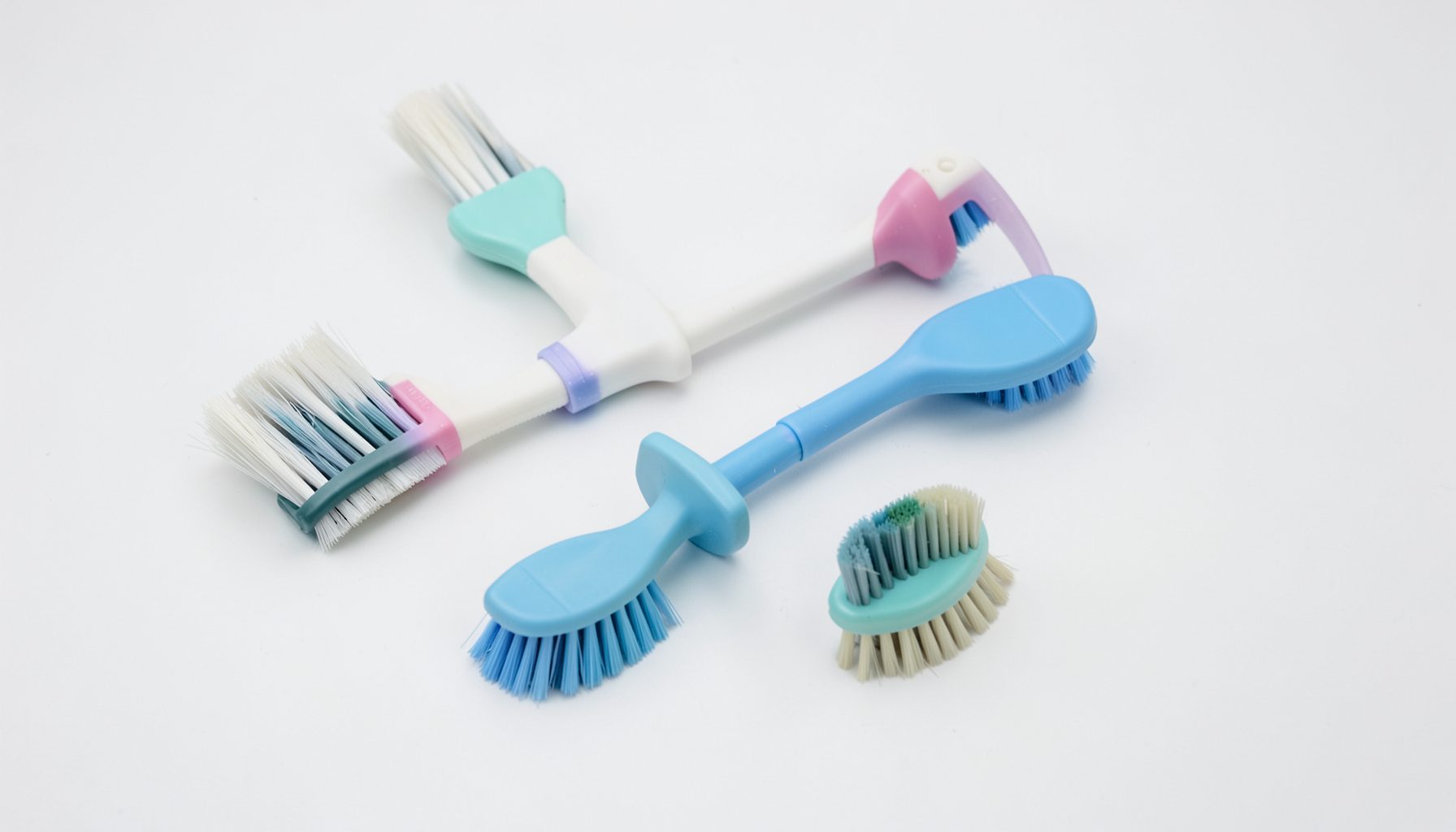
Switch nostrils and repeat. After use, rinse the bottle and let it air dry. Use ResQRinse Premium Cleaning Brushes for thorough cleaning.
Can You Use Nasal Rinse While Pregnant?
Pregnancy can bring unexpected nasal symptoms, including stuffiness, sneezing, postnasal drip, and thicker mucus. Hormonal changes may cause swollen nasal passages even when you do not have a cold or seasonal allergies. This condition is often called pregnancy rhinitis, and it can make sleeping and breathing comfortably more difficult.
A saline nasal rinse is generally considered a non-drug option because it uses salt water to wash mucus, allergens, and irritants from the nasal passages. Since the solution works locally and does not typically enter the bloodstream in meaningful amounts, many pregnant people use nasal irrigation for temporary relief. Still, your individual health history matters, so a healthcare professional should guide you if symptoms are severe, unusual, or persistent.
Safe technique is essential. The water source, saline concentration, device hygiene, and frequency of use all affect the experience. A properly prepared rinse may soothe congestion, while an improperly prepared one can irritate the nose or introduce harmful organisms.
Why Pregnancy Can Cause Nasal Congestion
During pregnancy, increased blood flow and hormonal changes can cause the lining of the nose to swell. This may lead to a blocked or runny nose without an infection. Symptoms can begin at different stages of pregnancy and may continue until delivery or for a short period afterward.
Allergies, a cold, sinus inflammation, dry air, and exposure to smoke or dust can also contribute. Nasal irrigation may help flush away pollen, pet dander, thick mucus, and other irritants. It does not cure the underlying cause, but it can make breathing more comfortable and reduce the feeling of nasal pressure.
A rinse may be especially useful before bedtime or after outdoor exposure. Gentle saline moisture can also help when the nose feels dry or irritated from indoor heating, air conditioning, or frequent blowing.
Is Saline Irrigation Usually Safe?
For many pregnant adults, a plain saline rinse is a reasonable self-care measure when used as directed. Saline contains salt and water rather than a decongestant medication, so it avoids some concerns associated with frequent use of medicated nasal sprays or oral decongestants. However, “natural” does not automatically mean appropriate for every person or every situation.
Use a commercially prepared saline packet whenever possible, following the product instructions. Do not add essential oils, herbal extracts, antiseptics, or medication to the rinse unless your obstetrician, midwife, or another qualified clinician specifically tells you to do so. These ingredients may irritate delicate tissue or have effects that have not been evaluated for pregnancy.
People with recurrent nosebleeds, recent nasal surgery, severe nasal blockage, or conditions affecting the immune system should obtain medical advice before beginning irrigation. If you are unsure whether your symptoms are caused by allergies, infection, or pregnancy-related congestion, professional guidance can help you choose the safest approach.
Choosing Water And Equipment Carefully
The most important safety rule is to use distilled, sterile, or previously boiled water that has cooled to a lukewarm temperature. Ordinary tap water may contain microorganisms that are safe to swallow but unsafe in the nasal passages. Filtered water is not always equivalent to distilled or sterile water, so check the filter’s specifications before relying on it.
Wash your hands before preparing the rinse. Mix the saline packet with the recommended amount of water rather than making the solution stronger or weaker. A solution that is too salty can sting and dry the nose; one that is too dilute may feel uncomfortable and fail to match the natural salt balance of nasal tissue.
A squeeze bottle can provide controlled flow and may be easier to handle than a traditional neti pot. Features such as Nasal Lock technology are designed to help create a comfortable seal around the nostril and reduce mess during use. Whatever device you select, it should be intended for nasal irrigation and kept in good condition.
How To Rinse Comfortably During Pregnancy
Lean over a sink and tilt your head slightly to one side, keeping your mouth open so you can breathe. Place the nozzle gently at the entrance of the upper nostril without forcing it inside. Use light, steady pressure and allow the saline to flow through the nasal passage and out of the other nostril or mouth.
If the solution runs toward your throat, spit it out rather than swallowing large amounts. Avoid squeezing forcefully, since high pressure may cause discomfort or push fluid toward the ears. Blow your nose gently afterward to clear remaining solution, and do not immediately lie flat if fluid continues to drain.
Start with one rinse when symptoms require it and follow the device’s instructions regarding frequency. Some people benefit from daily irrigation during allergy season, while others need it only occasionally. Stop if you experience significant pain, ear pressure, repeated bleeding, or worsening symptoms.
| Consideration | Safer practice during pregnancy | Avoid |
|---|---|---|
| Water | Distilled, sterile, or boiled and cooled water | Untreated tap or questionable water |
| Solution | Commercial saline packets mixed as directed | Homemade mixtures with inaccurate measurements |
| Temperature | Lukewarm or close to body temperature | Very hot or ice-cold water |
| Pressure | Gentle, controlled flow | Forceful squeezing |
| Device care | Rinse, dry, and clean according to instructions | Sharing or storing it damp |
| Added ingredients | Plain saline unless a clinician advises otherwise | Essential oils, antiseptics, or unapproved medicines |
Cleaning A Nasal Rinse Device
Rinse the bottle or pot after every use with safe water, then allow each part to air-dry completely. Moisture left inside a closed device can encourage microbial growth. Follow the manufacturer’s cleaning directions, including any instructions for using a cleaning brush or replacing worn components.
Do not share a nasal irrigation device with family members, even if everyone has similar symptoms. A personal device reduces the chance of transferring germs. Replace the bottle, nozzle, or other parts if they become cracked, cloudy, difficult to clean, or past their recommended service life.
Pregnancy can make you more attentive to infection prevention, and that caution is appropriate here. Product instructions and nasal care updates can provide useful reminders about cleaning routines, saline preparation, and device use.
When To Contact A Healthcare Professional
A nasal rinse may ease ordinary congestion, but it should not delay care for symptoms that suggest a more serious problem. Contact your maternity care provider if you have a high fever, severe facial pain, swelling around the eyes, foul-smelling discharge, significant shortness of breath, or symptoms that continue to worsen.
Call promptly if congestion is accompanied by wheezing, chest tightness, difficulty breathing, or a suspected allergic reaction. Repeated nosebleeds, severe headaches, dizziness, or persistent ear pain also deserve medical evaluation. A clinician can determine whether you need testing or a pregnancy-compatible treatment.
Ask before using medicated decongestant sprays, oral cold remedies, antihistamines, or combination products. Some may be suitable in certain circumstances, but the right choice depends on your trimester, blood pressure, medical history, and other medications.
Simple Habits For Ongoing Nasal Comfort
A saline rinse works best as part of a broader routine rather than as the only response to congestion. Consider these practical measures:
- Keep bedroom air comfortably humid, while cleaning the humidifier regularly.
- Drink enough fluids to help keep mucus from becoming overly thick.
- Sleep with your head slightly elevated if postnasal drip is disturbing rest.
- Reduce exposure to smoke, strong fragrances, dust, and known allergy triggers.
- Use the rinse gently and only as often as the product instructions or clinician recommends.
If congestion is mild, saline mist may provide moisture without the larger volume of a full irrigation. A rinse can be more useful when mucus is thick or allergens are difficult to remove. Select the format that feels manageable and does not cause pressure or irritation.
Nasal irrigation is usually compatible with pregnancy when it involves plain saline, safe water, clean equipment, and gentle technique. It can support easier breathing without exposing you to unnecessary medication, but it is still sensible to discuss recurring or severe symptoms with your healthcare provider.
Choose a pregnancy-conscious routine, prepare each rinse carefully, and use a comfortable system that fits your daily needs. With the right precautions, saline nasal care can become a simple way to manage congestion while you focus on your health and your growing baby.