ResQRinse is the nasal irrigation squeeze bottle that eliminates head-tilting and awkward neck positions. Using proprietary Nasal Lock™ technology, it delivers a comfortable, gag-free sinus cleanse — no more saline dripping down your throat.

Relief From Fall Sneezes
Now sold on Walmart.com. Free shipping on orders $30+. Try ResQRinse today with your everyday purchases.
Shop at WalmartWhy ResQRinse?
Nasal rinsing helps relieve congestion from colds, allergies, sinusitis, hay fever, and environmental pollutants. ResQRinse makes it comfortable enough to become a daily habit.
Nasal Lock™ Technology
Isolates sinuses from the throat using natural choanal occlusion — like inflating a balloon — so saline stays where it belongs.
Learn more →
Drug-Free Relief
Uses premixed saline packets with distilled water. No medications, no preservatives — just a natural cleanse for your nasal passages.
How to rinse →
For Kids Too
ResQRinse for Kids features a comfort nasal tip right-sized for smaller nostril openings, making rinsing gentle and easy for children.
Shop kids' version →
Breath-Controlled Flow
You control the saline flow with your own breath pressure — high volume, low pressure irrigation that's comfortable and effective.
Watch how-to videos →
Better Compliance
Designed to overcome the gagging and discomfort that cause people to abandon traditional neti pots and nasal rinse systems.
Our story →
Complete Kits Available
From the basic ResQRinse Nasal Rinse System ($19.99) to 90-day complete kits, saline packets, cleaning brushes, and Sinoptim Nasal Mist.
Browse all products →Get Started with ResQRinse
Ready to experience a better nasal rinse? Fill out the form below and we'll help you find the right product — or follow the simple steps to begin rinsing today.
Request More Information
How to Use ResQRinse
Fill the Bottle
Fill the ResQRinse squeeze bottle with distilled or previously boiled water and add one premixed saline packet.
Position the Tip
Place the comfort tip gently against one nostril. No head-tilting or awkward neck angles needed.
Squeeze & Breathe
Squeeze the bottle gently while breathing through your mouth. Nasal Lock™ keeps saline in your nasal passages and out of your throat.
Repeat & Clean
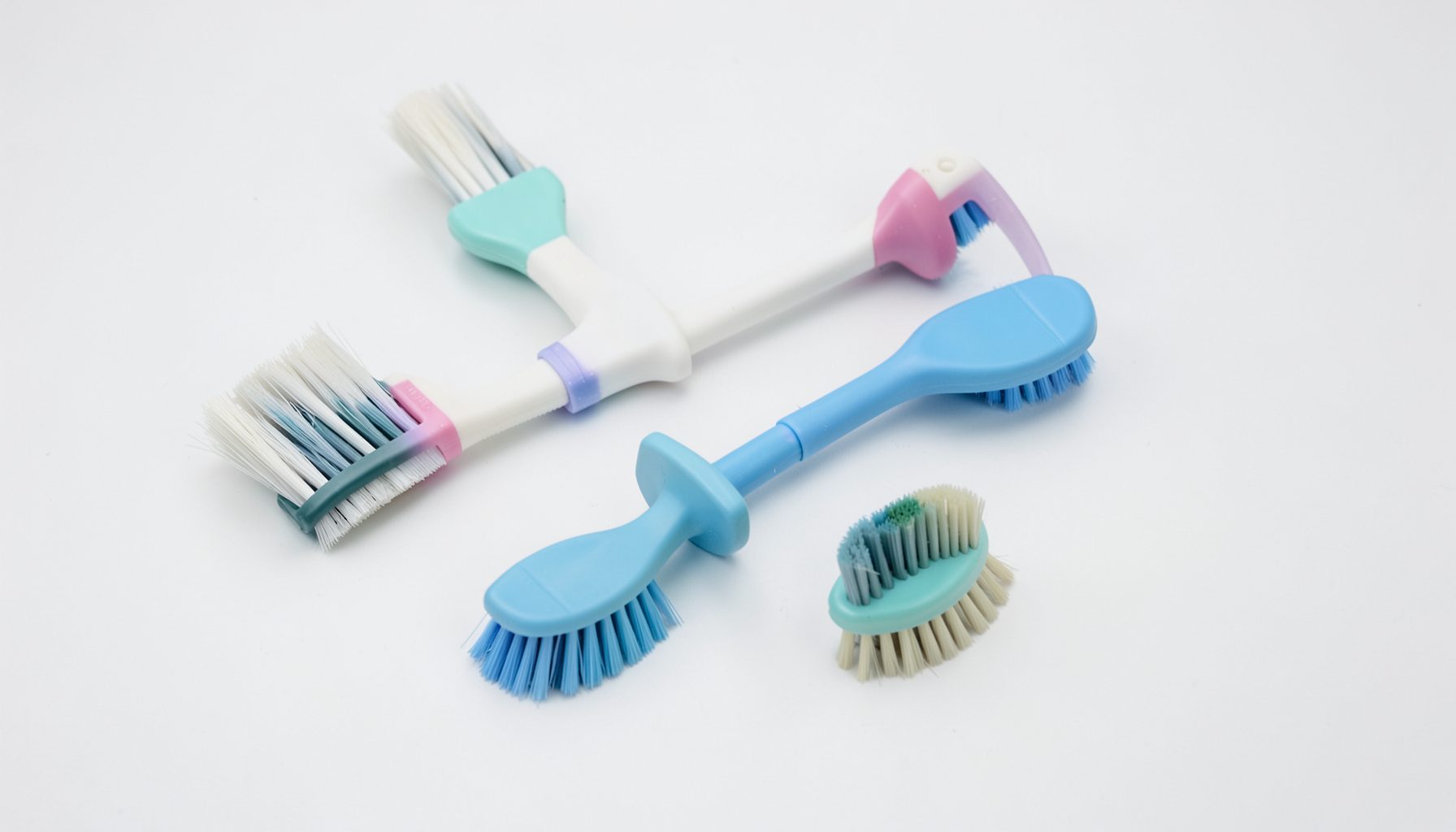
Switch nostrils and repeat. After use, rinse the bottle and let it air dry. Use ResQRinse Premium Cleaning Brushes for thorough cleaning.
Excessive sinus rinse pressure and its hidden dangers
Nasal irrigation has earned its place in Australian bathrooms for good reason. From Darwin to Hobart, millions of people reach for a rinse bottle to flush away pollen, dust, and the daily build-up of urban pollutants. The technique feels simple: tilt, squeeze, breathe, repeat. Yet one variable quietly determines whether your rinse feels soothing or sends you reaching for a tissue in discomfort. That variable is pressure.
Many Australians new to nasal cleansing assume that a forceful stream will deliver a deeper clean. The opposite is often true. Your sinus membranes are delicate tissues lined with a thin layer of mucus that traps pathogens and particulates. A squeeze that feels vigorous in your hand may translate to a blast against sensitive tissue, leaving the lining inflamed and the very symptoms you hoped to relieve made worse.
Australia has one of the highest rates of allergic rhinitis in the world, with studies suggesting that around one in five adults experience persistent hay fever. Add the spring ryegrass surges across Melbourne and Canberra, the coastal moulds of Sydney's eastern suburbs, and the dry dust stirred up in Perth during summer, and it is easy to see why so many turn to rinsing. The goal is comfort, though, not endurance. A rinse that stings or triggers a pressure headache has crossed the line from helpful to harmful.
Fortunately, mastering gentle pressure does not require medical training. With the right bottle design and a few small adjustments to your technique, a daily rinse can become the soothing ritual it was meant to be.
The anatomy of a gentle rinse
The sinuses are air-filled pockets connected to your nasal cavity by narrow passages. A healthy rinse relies on gravity and a mild, steady flow to move saline through these passages and out the other nostril. The mucosa inside each sinus produces mucus continuously, and tiny hair-like structures called cilia sweep that mucus toward the throat where it can be swallowed and neutralised.
When the saline enters at a low, even flow, it moistens dried mucus, loosens allergens, and supports ciliary movement. Pressure barely registers against the walls. In fact, many users describe the sensation as cool and refreshing rather than forceful. A well-designed squeeze bottle regulates this flow through internal valves or channels, preventing sudden surges even if your hand tightens mid-rinse.
This gentle approach matters most in the upper sinuses and around the Eustachian tubes near your ears. A blast of liquid forced upward can travel further than intended, creating that uncomfortable full-ear sensation swimmers know well. Slowing down keeps the saline where it belongs and reduces the risk of pushing contaminants into areas that were not prepared for them.
What happens when you squeeze too hard
Cranking up the pressure does not flush out more gunk; it inflames the very tissue you are trying to help. The nasal mucosa is rich in blood vessels and nerve endings. A sudden jet can cause micro-abrasions, leaving the lining raw and reactive. You may notice stinging, a burning sensation, or even a small amount of blood-tinged mucus on the tissue afterwards.
Over time, repeated high-pressure rinses can alter the natural balance of the nasal environment. Chronic inflammation makes the passages more sensitive to triggers like pet dander or eucalyptus pollen, both common irritants across Australian homes. Some users develop a rebound congestion pattern, where the rinse itself becomes the reason their nose feels blocked an hour later.
There is also the ear risk. Excessive force can open the Eustachian tubes too widely, allowing saline to reach the middle ear. This may lead to temporary muffled hearing or, in rare cases, contribute to an outer ear infection. The Therapeutic Goods Administration of Australia advises consumers to follow manufacturer guidelines precisely for these reasons, and gentle flow sits at the heart of every reputable saline rinse system on the local market.
Telling pressure irritation apart from allergy symptoms
It helps to know what your body is telling you. Allergy congestion tends to develop gradually and often comes with itching in the roof of the mouth, watery eyes, or a scratchy throat. Pressure-related irritation shows up differently. It appears soon after a rinse, may be one-sided if you favoured one nostril, and often includes tenderness across the bridge of the nose or in the cheeks.
If you find yourself sneezing repeatedly in the minutes after rinsing, or your nose runs more than it did before you started, the flow was likely too aggressive. A proper rinse should leave you feeling clearer within a few minutes, not reaching for another tissue. Logging how you feel after each session for a week can reveal patterns, particularly during high-pollen stretches like Melbourne's October peak or Sydney's spring nor-easters.
When irritation persists beyond a day, or you develop a fever or coloured discharge, it is wise to see a GP. Pharmacies such as Chemist Warehouse stock saline sachets and can offer guidance, but they are no substitute for medical review when symptoms suggest infection rather than simple irritation.
Adjusting pressure for Australian conditions
The environment shapes the rinse. Australia's climate is famously variable, and what works in Hobart's cool winters may feel different during a Brisbane summer. In humid subtropical Queensland, the sinuses often feel congested because the air itself is heavy with moisture. A gentler flow helps because the mucus is already loose; aggressive pressure simply spreads it around.
By contrast, Perth and Adelaide experience dry, dusty summers where the nasal lining can crack and crust. Here, a slow, sustained rinse rehydrates the tissue without scraping it. The same applies after a bushfire event, when smoke particles coat the upper airways. During the fire seasons of recent years, ENT specialists across New South Wales and Victoria noted a spike in sinus complaints, and gentle rinsing became a frontline recommendation for clearing fine ash from the nasal passages.
Travel matters too. Moving between coastal and inland regions, or jetting off to Bali, exposes your sinuses to new levels of humidity and airborne irritants. ResQRinse bottles are designed to deliver a controlled flow regardless of altitude, which is helpful for Australians who frequently fly for work or leisure, and the complete rinse kit range includes options tuned to different sensitivities and climates.
Teaching children and sensitive users to rinse safely
Children, older adults, and anyone recovering from nasal surgery need an even softer approach. A child's sinus passages are narrower and more delicate, which is why paediatric systems use lower flow rates and gentler tips. Teaching kids to rinse should start with demonstration rather than instruction, allowing them to see the technique before they try it themselves. Parents who want a deeper explanation can read the children's lower flow rate guide before introducing a rinse routine at home.
For sensitive users, breathing out gently through the mouth during the rinse reduces the chance of pressure building up behind the nose. Tilting the head at the correct angle, roughly forty-five degrees rather than fully back or forward, allows gravity to do most of the work. If you feel any resistance or stinging, stop, blow your nose softly, and try again with a lighter grip on the bottle.
Consistency beats intensity. A short, gentle rinse performed daily keeps the mucosa healthy and responsive. Crank up the pressure and you trade long-term comfort for a momentary sense of deep cleaning that simply does not deliver. Within a couple of weeks, most users find their sinuses feel clearer, their allergies bother them less, and the rinse itself becomes a small moment of calm in a busy day.
A properly designed bottle takes the guesswork out of flow control, so the only habit you need to build is the rinse itself. For the latest product news, seasonal tips, and Australian availability updates, check the product news page and discover how a gentler approach can make a lasting difference to your sinus health.