ResQRinse is the nasal irrigation squeeze bottle that eliminates head-tilting and awkward neck positions. Using proprietary Nasal Lock™ technology, it delivers a comfortable, gag-free sinus cleanse — no more saline dripping down your throat.

Relief From Fall Sneezes
Now sold on Walmart.com. Free shipping on orders $30+. Try ResQRinse today with your everyday purchases.
Shop at WalmartWhy ResQRinse?
Nasal rinsing helps relieve congestion from colds, allergies, sinusitis, hay fever, and environmental pollutants. ResQRinse makes it comfortable enough to become a daily habit.
Nasal Lock™ Technology
Isolates sinuses from the throat using natural choanal occlusion — like inflating a balloon — so saline stays where it belongs.
Learn more →
Drug-Free Relief
Uses premixed saline packets with distilled water. No medications, no preservatives — just a natural cleanse for your nasal passages.
How to rinse →
For Kids Too
ResQRinse for Kids features a comfort nasal tip right-sized for smaller nostril openings, making rinsing gentle and easy for children.
Shop kids' version →
Breath-Controlled Flow
You control the saline flow with your own breath pressure — high volume, low pressure irrigation that's comfortable and effective.
Watch how-to videos →
Better Compliance
Designed to overcome the gagging and discomfort that cause people to abandon traditional neti pots and nasal rinse systems.
Our story →
Complete Kits Available
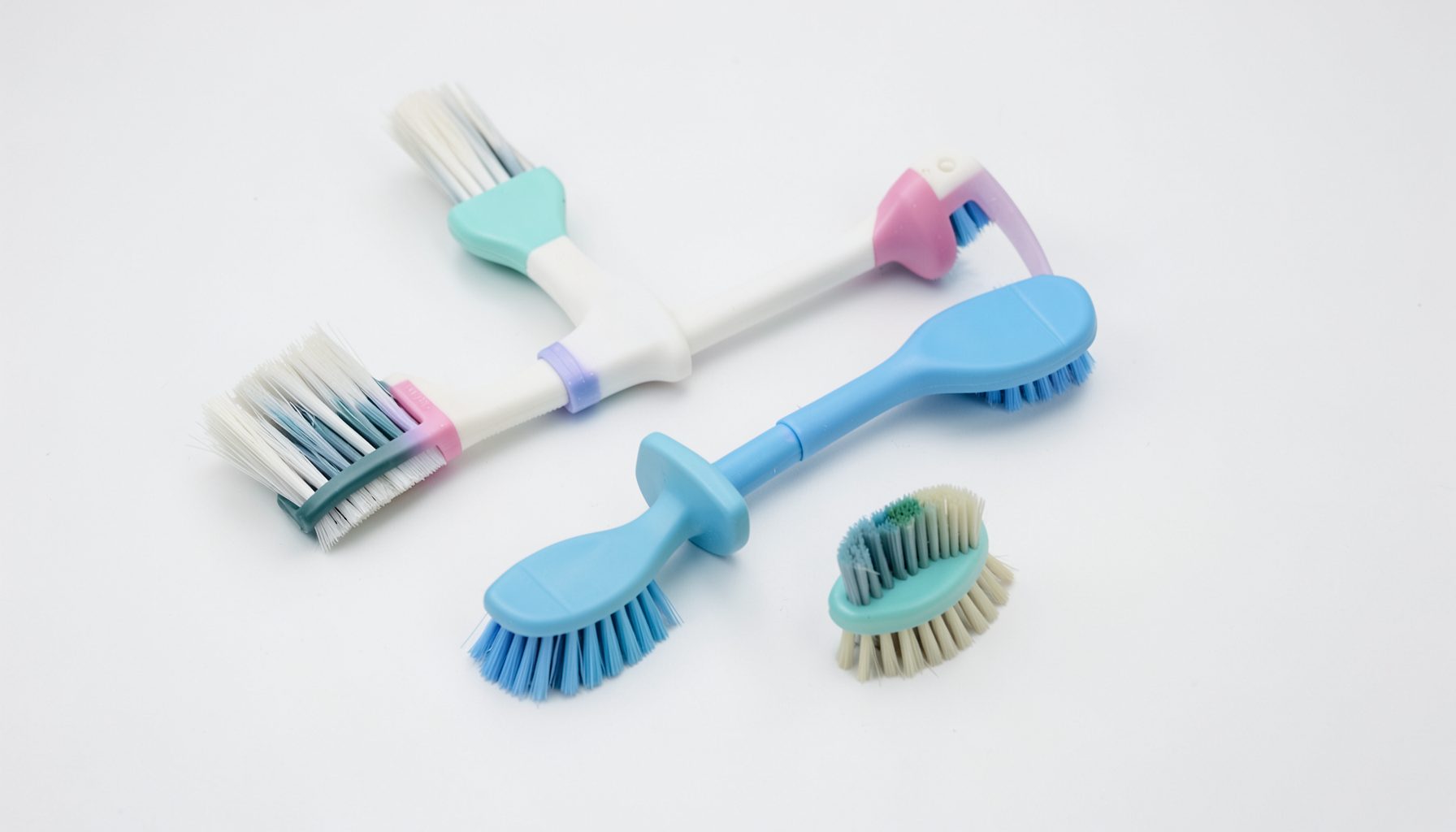
From the basic ResQRinse Nasal Rinse System ($19.99) to 90-day complete kits, saline packets, cleaning brushes, and Sinoptim Nasal Mist.
Browse all products →Get Started with ResQRinse
Ready to experience a better nasal rinse? Fill out the form below and we'll help you find the right product — or follow the simple steps to begin rinsing today.
Request More Information
How to Use ResQRinse
Fill the Bottle
Fill the ResQRinse squeeze bottle with distilled or previously boiled water and add one premixed saline packet.
Position the Tip
Place the comfort tip gently against one nostril. No head-tilting or awkward neck angles needed.
Squeeze & Breathe
Squeeze the bottle gently while breathing through your mouth. Nasal Lock™ keeps saline in your nasal passages and out of your throat.
Repeat & Clean
Switch nostrils and repeat. After use, rinse the bottle and let it air dry. Use ResQRinse Premium Cleaning Brushes for thorough cleaning.
Why ENT Specialists Often Recommend Squeeze Bottle Nasal Irrigation
Specialist rooms from Sydney's Inner West to Perth's coastal suburbs are seeing the same pattern every spring and autumn: long waits for sinus appointments, repeat prescriptions for antihistamines, and a steady stream of patients asking whether there is anything they can do at home to take pressure off their blocked nasal passages. Many of those conversations end with the same recommendation - a saline nasal rinse delivered through a squeeze bottle rather than a ceramic neti pot.
For Australians dealing with ryegrass pollen in Victoria's agricultural zones, dust storms rolling through inland New South Wales, or the mould spores that thrive along the humid Queensland coast, the mechanics of how the rinse is delivered matters almost as much as the solution inside. Otolaryngologists - ear, nose and throat specialists commonly shortened to "ENTs" in Australian waiting rooms - frequently point patients toward delivery systems that put the user in charge of pressure and flow.
Controlled Pressure That Suits Sensitive Sinus Passages
A squeeze bottle lets the user decide exactly how firm or gentle each squeeze feels, an advantage that matters a great deal for anyone who has been told they have delicate sinus mucosa after surgery. Neti pots rely on gravity, which means the flow depends entirely on how high you hold the vessel, the angle of the head, and the patience of the person using it. With a bottle, even a child being walked through their first rinse can feel the difference between a soft pulse of saline and a more assertive flush.
ENT surgeons in Melbourne's private hospitals often recommend that patients start with a very gentle pressure in the week after functional endoscopic sinus surgery, then progressively increase the strength as healing allows. People who want a step-by-step progression can find an adult rinse pressure guide designed for clinical recovery, which mirrors what many specialists ask patients to do before they return to a normal routine.
The ability to dial pressure up or down is also helpful for older Australians whose grip strength varies day to day, and for tradies who only have a few minutes between work sites to manage a blocked nose before a long drive along the M1 or out to a regional depot.
Cleaner Between Uses Than Open-Container Systems
Hygiene matters when you are introducing any fluid into the upper airway, and Australian pharmacists at chemists like Chemist Warehouse and Priceline tend to field a lot of questions about keeping rinse bottles mould-free. Neti pots, while charming on the bathroom shelf, are open at the top and hard to scrub inside, which makes biofilm a recurring issue in households that rinse daily.
A typical squeeze rinse bottle unscrews, opens wide, and accepts a small brush. That structural difference is the single biggest reason ENT clinics recommend the format for anyone with a compromised immune system, recent sinus surgery, or chronic rhinosinusitis. The Australian climate - warm and humid up the east coast, dry and dusty through the Murray-Darling basin - makes daily rinsing a habit for many households, and that habit only stays safe if the container can be properly cleaned after every use.
Suited to Australian Lifestyles and Climate
From the tropical humidity of Cairns to the dry desert chill of Alice Springs in winter, Australia's climates create a remarkable range of sinus triggers. In the southern states, the ryegrass pollen season is long enough that some people rinse their nasal passages twice a day from October through January. Brisbane residents have learned to do a quick morning rinse when wattle is peaking, while Adelaide locals with sinus complaints often blame the northerly winds that sweep down out of the Adelaide Hills.
People who travel frequently for work - FIFO workers heading out to the Pilbara or down to the Hunter Valley, for instance - appreciate that a squeeze bottle packs flat in a kit bag and is far less likely to leak than a neti pot with a spout. The rigours of regional travel in the bush, where dust and pollen can be relentless, have made saline rinses a fixture in many rural first-aid kits, alongside the eucalyptus inhalers that still sit in plenty of medicine cabinets from Broome to Hobart.
Reduced Risk of Ear Discomfort Compared to Gravity Pots
Anyone who has had sinus surgery in Australia will be told by their ENT to avoid forcing fluid up the eustachian tubes, because that pathway leads straight toward the middle ear. Gravity-fed pots can cause the solution to sit briefly behind the soft palate before draining, and at the wrong angle, a small amount can sneak toward the ear and leave a gurgling feeling that lingers for an hour.
A well-designed squeeze bottle directs the stream along the floor of the nasal cavity and out the opposite nostril, mimicking the kind of slow, deliberate flow that registrars in teaching hospitals coach junior doctors to look for during simulation training. Patients who get that direction right tend to report fewer popping sensations, less post-rinse ear pressure, and quicker drying of the passages before they head out the door for the morning commute. If you ever feel discomfort during or after rinsing, slowing down, adjusting head position, and reducing squeeze pressure are usually enough to fix it. Those who want a gentler option on sensitive days can fall back on a fine nasal mist spray to keep the lining moist between deeper rinses.
How ResQRinse Compares to a Traditional Neti Pot
Neti pots have been around for centuries and still have a place in homes across Melbourne's bayside suburbs and Adelaide's leafy foothills, but the modern squeeze format has steadily won favour in clinical settings. Specialist clinics at Sydney's Royal Prince Alfred and Brisbane's Princess Alexandra routinely hand patients a printed recommendation that points toward bottle-based systems rather than ceramic pots.
The ResQRinse system, which you can read more about on the brand's company page, combines a soft-touch bottle with the patented Nasal Lock cap, which keeps the rinse solution contained during a squeeze and releases it only when the seal is gently broken against the nasal opening. That detail is what many ENTs in Australia cite when they hand over a sample in the consult room: it reduces splashing, keeps benchtops clean, and reassures parents who are teaching kids to rinse for the first time.
Recommendations From Specialists and Pharmacists
Both ENT specialists and Australian pharmacists tend to share the same practical advice when introducing a rinse routine at home:
- Start with a pre-mixed saline sachet rather than table salt, which can contain iodine or anti-caking agents that sting sensitive tissue.
- Lean forward over a sink with the mouth open and breathe through the mouth throughout the rinse to keep the soft palate lifted.
- Increase squeeze pressure gradually, working up from a gentle drip to a steadier stream over a week or two.
- Wash the bottle, cap and tip with warm water after every use, and run a bottle brush through the spout at least once a week.
- Replace the bottle every three to six months, or sooner if any cloudiness appears inside that warm water and soap cannot shift.
- Avoid rinsing within an hour of bedtime if you are prone to post-nasal drip, so the sinuses have time to drain while you are upright.
- Talk to your GP or ENT before starting daily rinsing if you have had recent sinus surgery, a deviated septum repair, or recurrent ear infections.
Anyone keen to broaden their reading on related health advice can browse additional wellness commentary before settling on a routine that suits their own household.
For Australians who have spent years relying on antihistamines alone to manage sinus pressure, switching to a routine that includes a bottle-based nasal rinse is often the small change that finally shifts the balance. Take a look at the kits available through Australian pharmacies, Walmart, Amazon, or the brand's direct online store, read the cleaning guidance, and make this the season a blocked nose stops calling the shots.