ResQRinse is the nasal irrigation squeeze bottle that eliminates head-tilting and awkward neck positions. Using proprietary Nasal Lock™ technology, it delivers a comfortable, gag-free sinus cleanse — no more saline dripping down your throat.

Relief From Fall Sneezes
Now sold on Walmart.com. Free shipping on orders $30+. Try ResQRinse today with your everyday purchases.
Shop at WalmartWhy ResQRinse?
Nasal rinsing helps relieve congestion from colds, allergies, sinusitis, hay fever, and environmental pollutants. ResQRinse makes it comfortable enough to become a daily habit.
Nasal Lock™ Technology
Isolates sinuses from the throat using natural choanal occlusion — like inflating a balloon — so saline stays where it belongs.
Learn more →
Drug-Free Relief
Uses premixed saline packets with distilled water. No medications, no preservatives — just a natural cleanse for your nasal passages.
How to rinse →
For Kids Too
ResQRinse for Kids features a comfort nasal tip right-sized for smaller nostril openings, making rinsing gentle and easy for children.
Shop kids' version →
Breath-Controlled Flow
You control the saline flow with your own breath pressure — high volume, low pressure irrigation that's comfortable and effective.
Watch how-to videos →
Better Compliance
Designed to overcome the gagging and discomfort that cause people to abandon traditional neti pots and nasal rinse systems.
Our story →
Complete Kits Available
From the basic ResQRinse Nasal Rinse System ($19.99) to 90-day complete kits, saline packets, cleaning brushes, and Sinoptim Nasal Mist.
Browse all products →Get Started with ResQRinse
Ready to experience a better nasal rinse? Fill out the form below and we'll help you find the right product — or follow the simple steps to begin rinsing today.
Request More Information
How to Use ResQRinse
Fill the Bottle
Fill the ResQRinse squeeze bottle with distilled or previously boiled water and add one premixed saline packet.
Position the Tip
Place the comfort tip gently against one nostril. No head-tilting or awkward neck angles needed.
Squeeze & Breathe
Squeeze the bottle gently while breathing through your mouth. Nasal Lock™ keeps saline in your nasal passages and out of your throat.
Repeat & Clean
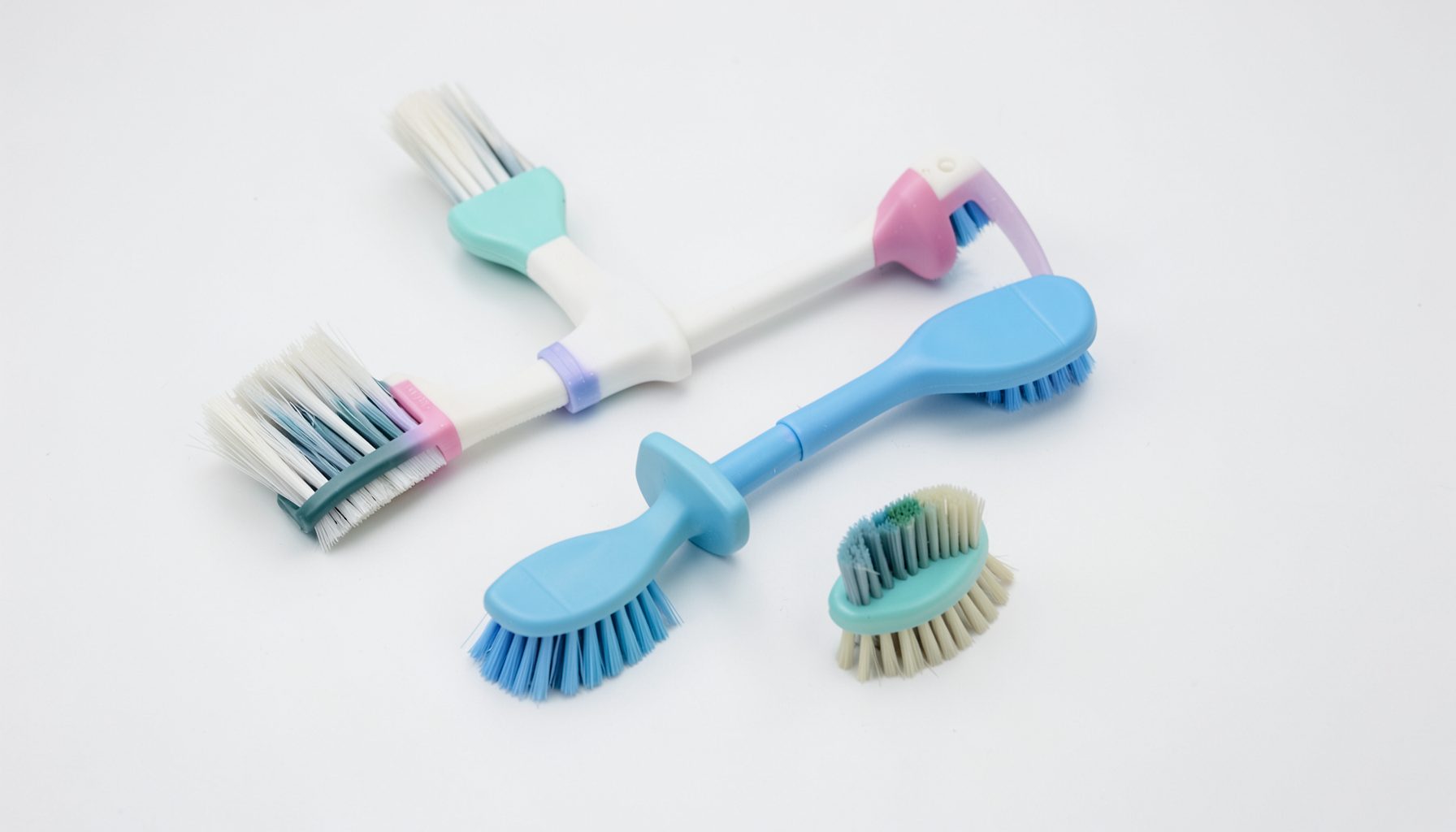
Switch nostrils and repeat. After use, rinse the bottle and let it air dry. Use ResQRinse Premium Cleaning Brushes for thorough cleaning.
How to Gradually Increase Rinse Pressure for Adults
Nasal irrigation can loosen mucus, wash away allergens, and moisturize irritated nasal passages. For many adults, the most comfortable experience comes from starting with gentle pressure and increasing the flow only when the nose feels ready. A stronger stream is not automatically a more effective one.
Squeeze-bottle systems give users direct control over the speed and pressure of the saline rinse. That control is useful, but it also means technique matters. The aim is a steady, comfortable flow through one nostril and out the other, without forcing fluid against resistance.
A gradual approach can make nasal rinsing easier for people who are new to it, recovering from congestion, or switching from a traditional neti pot. It also creates a repeatable routine that supports comfort rather than making pressure the main goal.
Why Pressure Matters During Nasal Irrigation
Pressure determines how quickly saline moves through the nasal passages. Too little pressure may fail to carry away thick mucus, while too much can create discomfort in the nose, ears, throat, or sinuses. The ideal level varies with nasal swelling, anatomy, congestion, and personal tolerance.
Adults should think of pressure as adjustable flow, not force. A gentle squeeze often provides enough movement for routine cleansing. When mucus is thick or the nose is partially blocked, a modest increase may help, but only if the saline continues to pass freely.
Nasal Lock technology, used in some squeeze-bottle systems, is designed to help create a controlled seal around the nostril. A secure seal can reduce leakage and make it easier to use a light, consistent squeeze instead of compensating with excessive pressure.
Prepare Before Increasing Flow
Use the saline concentration and water type specified in the product instructions. Distilled, sterile, or appropriately treated water is generally recommended for nasal rinsing; ordinary tap water should not be used unless it has been treated according to reliable public-health guidance. Water that is too hot or too cold can also make the process unpleasant.
Check that the bottle, cap, and nozzle are clean before use. Wash your hands, prepare the solution accurately, and lean over a sink. Keep your mouth open and breathe through it while rinsing. This helps reduce the sensation of pressure and gives the fluid a clear route through the nasal passages.
Your posture affects how the rinse feels. Tilt your head slightly forward and turn it to one side rather than leaning backward. Keep the bottle pointed toward the back of the head, not directly upward. If the first gentle squeeze causes sharp pain, intense ear pressure, or immediate blockage, do not increase the force.
Use a Gradual Pressure Ladder
Begin with the lowest squeeze that produces a continuous stream. The first session may require only light finger pressure. Let the saline flow for several seconds, then release the bottle and allow the remaining fluid to drain. There is no need to empty the entire bottle quickly.
If the flow feels smooth and there is no pain, increase pressure slightly during a later rinse. A useful progression is light pressure for the first few sessions, moderate pressure when the nose is comfortable, and a firm but controlled squeeze only when needed for thicker congestion. Leave at least one session between changes so you can assess how your nose and ears respond.
Do not chase a stronger sensation. A rinse that feels forceful may be irritating even if it clears mucus quickly. ResQRinse provides instructional rinse videos that can help demonstrate positioning, bottle handling, and a controlled flow. Follow the directions for your specific device because nozzle design and bottle flexibility differ.
| Pressure level | What it should feel like | When it may be useful | What to do |
|---|---|---|---|
| Light | A gentle, steady stream with minimal sensation | First use, dry nasal passages, mild symptoms | Maintain the flow and focus on posture |
| Moderate | Noticeable movement without pain or ear fullness | Routine cleansing or moderate congestion | Use briefly and keep the squeeze controlled |
| Firm but controlled | Stronger flow that remains comfortable and unobstructed | Thick mucus when lighter flow is insufficient | Apply only briefly and stop if resistance develops |
| Excessive | Pain, burning, ear pressure, choking, or fluid forced into the throat | Not an appropriate target | Release pressure and reassess technique |
Respond to Your Body’s Signals
Mild awareness of fluid moving through the nose is normal. A small amount of saline reaching the throat can also happen, especially if the head position changes. Spit it out if needed and adjust your posture. The experience should remain manageable rather than painful.
Stop the rinse if you feel sharp facial pain, significant ear pressure, dizziness, bleeding, severe burning, or difficulty breathing. Do not try to overcome a blocked passage by squeezing harder. Pressure against swelling or obstruction may make symptoms worse and can drive fluid toward areas that should not be pressurized.
A small amount of irritation may occur when the saline is mixed incorrectly or when the nasal lining is already very dry. Recheck the packet-to-water ratio and temperature before the next use. Persistent pain, repeated nosebleeds, fever, worsening symptoms, or symptoms after recent nasal or sinus surgery should be evaluated by a healthcare professional.
People with frequent ear infections, significant structural blockage, immune problems, or complex sinus disease should ask a clinician whether nasal irrigation is appropriate. Children require age-appropriate products and supervision; an adult system should not simply be adapted for them.
Build Skills Before Building Pressure
Increasing rinse pressure works best when other parts of the technique are stable. Use the same posture, saline preparation, and breathing pattern for several sessions. This makes it easier to identify whether a change in pressure actually improves comfort or clearance.
A squeeze bottle and a neti pot deliver saline differently. A bottle allows active control over flow, while a pot relies more on gravity and head position. Neither requires aggressive pressure. Choose the method that you can use consistently and comfortably, then learn its specific instructions.
For additional nasal-care information, the ResQRinse nasal health blog can provide practical context about saline rinsing, congestion, and product use. Product directions should remain the primary guide for filling, positioning, rinsing, and cleaning the bottle.
Follow a Simple Pressure Routine
A repeatable routine can prevent accidental over-squeezing. Before every use, check the nozzle, prepare fresh saline, and test the bottle with a light squeeze. During the rinse, pause if the flow stops instead of immediately applying more force. A blocked nozzle, poor seal, or swollen passage may be the real reason for reduced flow.
Afterward, allow the nose to drain naturally. Blow gently, one nostril at a time, rather than forcefully expelling leftover fluid. Rinse and dry the device according to the manufacturer’s instructions. Cleaning brushes, replacement saline packets, and complete kits can make regular maintenance easier when used as directed.
Keep these recommendations in mind:
- Start with the lightest pressure that creates a steady stream.
- Increase flow in small steps across separate sessions, not all at once.
- Stop immediately if you notice pain, ear fullness, dizziness, or bleeding.
- Keep your mouth open and your head slightly forward during the rinse.
- Use safe water, the correct saline ratio, and a clean, fully dry device.
Make Comfort the Measure
The best pressure level is the one that clears or moisturizes the nasal passages without causing pain, ear symptoms, or lingering irritation. Some days, light pressure may be enough; during heavier congestion, a brief moderate squeeze may feel better. Your setting can change with allergies, colds, dryness, and inflammation.
Use the device consistently according to its instructions, monitor how your symptoms respond, and review ResQRinse product updates when you need current information. If rinsing remains uncomfortable despite careful technique, pause the routine and seek professional advice rather than increasing pressure further. Begin gently, progress slowly, and make a comfortable, controlled rinse the standard for every session.