ResQRinse is the nasal irrigation squeeze bottle that eliminates head-tilting and awkward neck positions. Using proprietary Nasal Lock™ technology, it delivers a comfortable, gag-free sinus cleanse — no more saline dripping down your throat.

Relief From Fall Sneezes
Now sold on Walmart.com. Free shipping on orders $30+. Try ResQRinse today with your everyday purchases.
Shop at WalmartWhy ResQRinse?
Nasal rinsing helps relieve congestion from colds, allergies, sinusitis, hay fever, and environmental pollutants. ResQRinse makes it comfortable enough to become a daily habit.
Nasal Lock™ Technology
Isolates sinuses from the throat using natural choanal occlusion — like inflating a balloon — so saline stays where it belongs.
Learn more →
Drug-Free Relief
Uses premixed saline packets with distilled water. No medications, no preservatives — just a natural cleanse for your nasal passages.
How to rinse →
For Kids Too
ResQRinse for Kids features a comfort nasal tip right-sized for smaller nostril openings, making rinsing gentle and easy for children.
Shop kids' version →
Breath-Controlled Flow
You control the saline flow with your own breath pressure — high volume, low pressure irrigation that's comfortable and effective.
Watch how-to videos →
Better Compliance
Designed to overcome the gagging and discomfort that cause people to abandon traditional neti pots and nasal rinse systems.
Our story →
Complete Kits Available
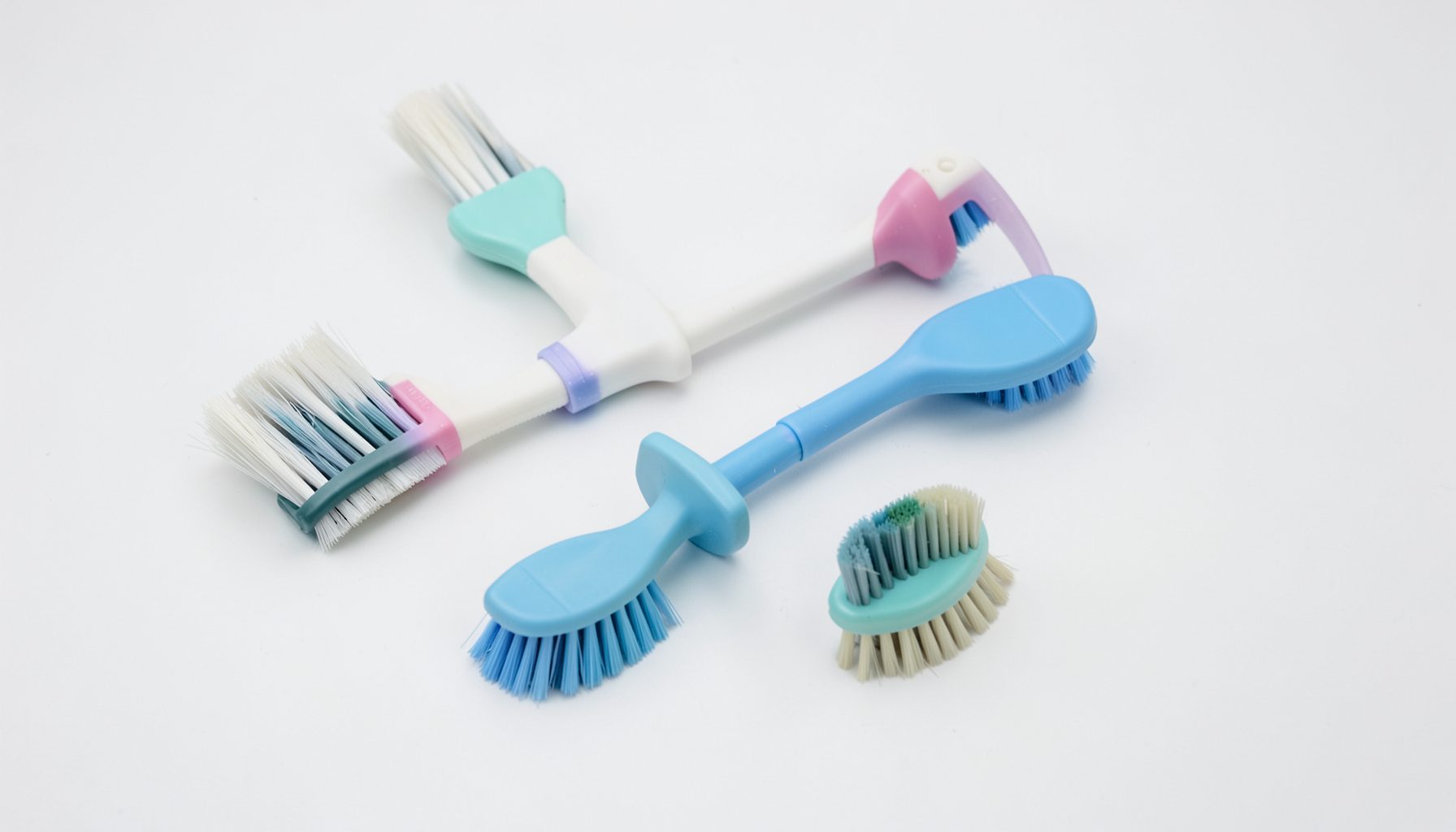
From the basic ResQRinse Nasal Rinse System ($19.99) to 90-day complete kits, saline packets, cleaning brushes, and Sinoptim Nasal Mist.
Browse all products →Get Started with ResQRinse
Ready to experience a better nasal rinse? Fill out the form below and we'll help you find the right product — or follow the simple steps to begin rinsing today.
Request More Information
How to Use ResQRinse
Fill the Bottle
Fill the ResQRinse squeeze bottle with distilled or previously boiled water and add one premixed saline packet.
Position the Tip
Place the comfort tip gently against one nostril. No head-tilting or awkward neck angles needed.
Squeeze & Breathe
Squeeze the bottle gently while breathing through your mouth. Nasal Lock™ keeps saline in your nasal passages and out of your throat.
Repeat & Clean
Switch nostrils and repeat. After use, rinse the bottle and let it air dry. Use ResQRinse Premium Cleaning Brushes for thorough cleaning.
A Cleaner Way To Compare Nasal Rinse Designs
Nasal irrigation can loosen mucus, rinse away allergens, and moisturize irritated nasal passages. Yet the experience depends heavily on the device. A traditional neti pot relies on gravity and an open spout, while a squeeze bottle gives the user more control over the direction, speed, and volume of saline flow.
Why squeeze bottle design reduces mess compared to neti pots comes down to containment and control. The bottle holds the solution in a closed vessel, the nozzle fits more directly at the nostril, and gentle hand pressure helps guide the rinse through the nasal passages instead of allowing it to spill across the face.
That design can make nasal rinsing easier to manage at the sink, especially for first-time users, children, or anyone who finds it difficult to coordinate head position with a gravity-fed device. The right technique still matters, but the container does more of the work.
How gravity-fed rinsing creates spills
A neti pot has a reservoir with a long, open spout. To use it, the person generally leans over a sink, turns the head to one side, and raises the pot so saline enters one nostril and exits through the other. The method can be effective, but it requires careful positioning throughout the rinse.
Small changes in head angle may send saline toward the back of the throat, over the upper lip, or down the cheek. Moving the pot too quickly can interrupt the stream, while lifting it too high can increase the flow beyond what feels comfortable. The open spout also leaves more room for liquid to drip before it reaches the nostril.
A neti pot may be especially awkward when the user has limited neck mobility, balance concerns, or trouble judging the correct angle. Children often need close supervision because they may tilt the container abruptly or lose their position before the rinse is finished.
How a squeeze bottle contains the rinse
A squeeze bottle keeps the saline inside a flexible container until pressure is applied. This makes it easier to start and stop the rinse with a simple hand movement. Instead of continuously raising and lowering a vessel, the user can hold the bottle in a stable position and apply gentle pressure as needed.
The nozzle also creates a more direct path into the nostril. A comfortable seal around the opening helps limit side leakage, while the bottle’s shape gives the user a steady grip. ResQRinse describes this guided approach through its ResQRinse approach, including the role of its Nasal Lock technology in supporting a secure, controlled rinse.
The result is less dependence on perfect head positioning. The user still leans forward over a sink, but the squeeze mechanism helps regulate the stream and reduces the chance of saline running down the outside of the nose. When pressure is released, flow can stop quickly, which is useful when adjusting posture or taking a breath.
Why controlled pressure improves comfort
Mess and comfort are closely related. A fast, uncontrolled stream can cause splashing, throat drainage, or a sudden sensation of pressure. With a squeeze bottle, the user can begin with light pressure and increase it only if the flow feels comfortable. This gradual approach is often easier for people who are new to nasal irrigation.
The bottle design also supports a repeatable routine. Users can learn how much pressure works for them, how far to lean forward, and when to pause. Consistency matters because nasal rinsing is more manageable when each session follows a familiar pattern rather than requiring a new balancing act every time.
A good rinse should feel like a gentle wash rather than forceful flushing. If pain, ear pressure, persistent bleeding, or significant discomfort occurs, the user should stop and seek medical guidance. Nasal irrigation is also safest when prepared with distilled, sterile, or previously boiled and cooled water, following the product instructions.
| Feature | Squeeze bottle system | Traditional neti pot |
|---|---|---|
| Flow control | Hand pressure starts, slows, or stops the stream | Flow depends mainly on tilting and gravity |
| Spill prevention | Nozzle and bottle help direct saline into the nostril | Open spout requires careful alignment |
| Positioning | Forward lean with a relatively stable grip | Head angle and pot angle must be coordinated |
| Portability | Compact, capped container is easy to pack | Larger vessel may be less convenient to transport |
| Learning curve | Pressure can be adjusted during use | User must quickly learn the right tilt |
| Cleaning needs | Bottle, nozzle, and accessories require regular cleaning | Pot and spout require thorough washing and drying |
A cleaner routine at the sink
Before rinsing, prepare the saline solution according to the packet or system instructions. Washing hands and checking that the bottle and nozzle are clean can help keep the process hygienic. Standing over a sink or using the shower can contain any unavoidable drips, but the goal is to keep the bottle close to the face so the stream has less distance to travel.
Lean forward rather than tipping the head far backward. Place the nozzle gently at one nostril, keep the mouth open for easier breathing, and squeeze slowly. Allow the solution to pass through naturally, then release pressure before removing the nozzle. Switching sides can be done without changing the entire body position.
Afterward, allow the nose to drain and gently blow it if needed. Avoid forceful blowing immediately after a rinse, since that may create uncomfortable pressure. A bottle with a cap, cleaning brush, or dedicated drying area can also help keep the routine tidy between uses.
Situations where the design can help
People managing seasonal allergies may appreciate a nasal rinse that is quick to control when congestion changes from day to day. A squeeze bottle can deliver saline while reducing the drips that make some users reluctant to rinse before work, bedtime, or outdoor activities. The same control can be useful for people dealing with dry indoor air or temporary nasal irritation.
Pregnancy can bring nasal congestion and hormonal rhinitis, making comfort and ease of use especially important. Anyone considering a nasal rinse during pregnancy should follow medical advice and use safe water and properly prepared saline. ResQRinse provides a specific pregnancy nasal rinse guide for readers seeking more context about this situation.
Children may also benefit from a smaller bottle designed for their hands, provided an adult supervises the process. A stable grip and predictable flow can make the experience less intimidating than using a large open vessel. Children should never be pressured to continue if they are distressed, and parents should follow pediatric guidance when symptoms are persistent or severe.
Choosing and using the system wisely
A squeeze bottle is not automatically mess-free. Overfilling, squeezing too hard, placing the nozzle too deeply, or rinsing without leaning over a sink can still create spills. The advantage is that these variables are easier to adjust because the flow can be controlled during the session.
Look for a system that fits the intended user, has clear preparation instructions, and can be disassembled for cleaning. Saline packets should dissolve fully, and the bottle and nozzle should be cleaned and dried as directed. Replacing worn parts can help maintain a comfortable seal and reliable flow.
For users comparing a squeeze bottle with a neti pot, demonstrations can make the difference easier to understand. ResQRinse shares rinse demonstration videos showing how the system is positioned and used, which may be helpful before the first session.
Practical habits for less mess
- Prepare the correct saline concentration with distilled, sterile, or boiled and cooled water.
- Lean forward over a sink and keep the mouth open while rinsing.
- Start with gentle pressure instead of forcing a strong stream.
- Clean, rinse, and dry the bottle and nozzle after every use as directed.
- Stop if rinsing causes pain, strong ear pressure, repeated bleeding, or unusual symptoms.
A squeeze bottle’s main advantage is simple: it puts flow control in the user’s hand. The contained reservoir, direct nozzle, and adjustable pressure can reduce splashing and make nasal irrigation feel more predictable than a gravity-fed pot. Explore a ResQRinse kit or saline option through the brand’s available retail channels, and use the instructions to build a cleaner, more comfortable rinse routine.