ResQRinse is the nasal irrigation squeeze bottle that eliminates head-tilting and awkward neck positions. Using proprietary Nasal Lock™ technology, it delivers a comfortable, gag-free sinus cleanse — no more saline dripping down your throat.

Relief From Fall Sneezes
Now sold on Walmart.com. Free shipping on orders $30+. Try ResQRinse today with your everyday purchases.
Shop at WalmartWhy ResQRinse?
Nasal rinsing helps relieve congestion from colds, allergies, sinusitis, hay fever, and environmental pollutants. ResQRinse makes it comfortable enough to become a daily habit.
Nasal Lock™ Technology
Isolates sinuses from the throat using natural choanal occlusion — like inflating a balloon — so saline stays where it belongs.
Learn more →
Drug-Free Relief
Uses premixed saline packets with distilled water. No medications, no preservatives — just a natural cleanse for your nasal passages.
How to rinse →
For Kids Too
ResQRinse for Kids features a comfort nasal tip right-sized for smaller nostril openings, making rinsing gentle and easy for children.
Shop kids' version →
Breath-Controlled Flow
You control the saline flow with your own breath pressure — high volume, low pressure irrigation that's comfortable and effective.
Watch how-to videos →
Better Compliance
Designed to overcome the gagging and discomfort that cause people to abandon traditional neti pots and nasal rinse systems.
Our story →
Complete Kits Available
From the basic ResQRinse Nasal Rinse System ($19.99) to 90-day complete kits, saline packets, cleaning brushes, and Sinoptim Nasal Mist.
Browse all products →Get Started with ResQRinse
Ready to experience a better nasal rinse? Fill out the form below and we'll help you find the right product — or follow the simple steps to begin rinsing today.
Request More Information
How to Use ResQRinse
Fill the Bottle
Fill the ResQRinse squeeze bottle with distilled or previously boiled water and add one premixed saline packet.
Position the Tip
Place the comfort tip gently against one nostril. No head-tilting or awkward neck angles needed.
Squeeze & Breathe
Squeeze the bottle gently while breathing through your mouth. Nasal Lock™ keeps saline in your nasal passages and out of your throat.
Repeat & Clean
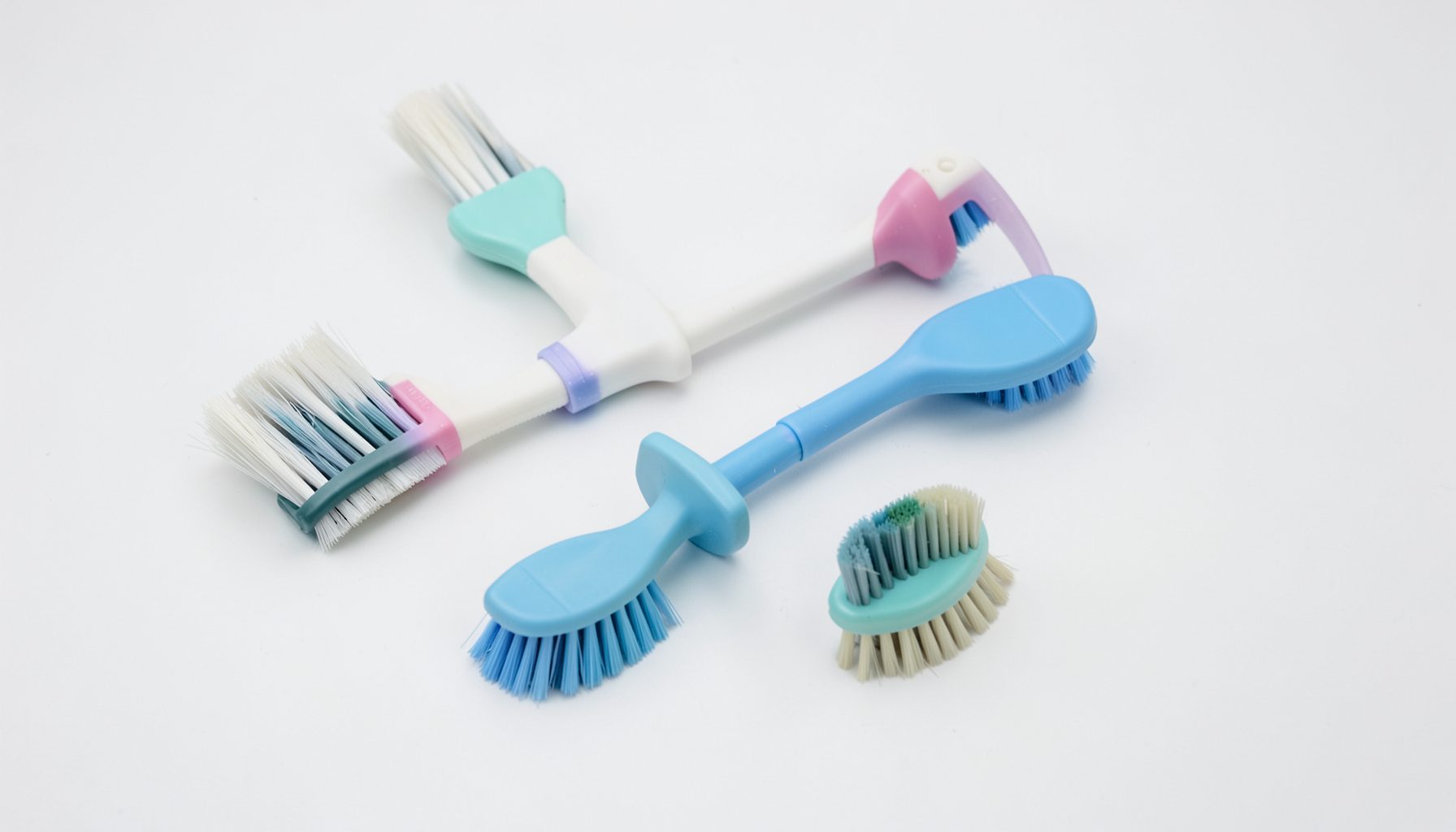
Switch nostrils and repeat. After use, rinse the bottle and let it air dry. Use ResQRinse Premium Cleaning Brushes for thorough cleaning.
Why some people rinse twice a day during allergy season
Seasonal allergies can make the nose feel blocked, itchy, dry or constantly runny. In Australia, symptoms may become more noticeable during spring when grass, tree and weed pollen levels rise, although people with sensitivities can experience trouble at other times of year as well. Smoke, dust and changing weather can add to the irritation.
Nasal irrigation uses a saline solution to wash mucus, allergens and other particles from the nasal passages. Some people find that rinsing once daily is enough, while others prefer a morning and evening routine when exposure is high. The right frequency depends on symptoms, the type of rinse system, water safety and advice from a healthcare professional.
Twice-daily rinsing is generally about managing exposure rather than treating the underlying allergy. It may help clear pollen after time outdoors and reduce the build-up of mucus before sleep. A gentle, consistent method matters more than rinsing as often as possible.
How pollen and irritants affect the nose
When an allergic person breathes in pollen, the immune system can release chemicals that cause inflammation. The lining of the nose may swell, producing congestion, sneezing, itching and watery discharge. Mucus can also become thicker, which makes it harder for the nose to clear particles naturally.
In Australian cities such as Melbourne, Canberra and Adelaide, spring grass pollen can be a significant concern for some residents. Sydney and Brisbane may bring a mixture of grass, weed and tree pollen, while dry conditions, bushfire smoke or wind-blown dust can irritate the nose independently of an allergy. Local pollen levels vary, so symptoms may change from one day to the next.
A saline rinse can physically remove some of these unwanted particles from the nasal passages. This is different from an antihistamine, corticosteroid spray or other allergy medicine, because irrigation works by cleansing and moisturising rather than altering the body’s allergic response. People who use medication should follow the directions provided by their doctor or pharmacist.
Why morning and evening can be useful
A morning rinse may clear mucus and allergens that collected overnight. It can be particularly appealing after sleeping with windows open or spending the previous afternoon outside. Clearing the nose before work, school or commuting may also make breathing feel more comfortable during the day, although individual results vary.
An evening rinse serves a different practical purpose. It can wash away pollen, dust and other airborne particles picked up on clothing, hair and skin during the day. Some people choose to shower and rinse their nose after gardening, sport or outdoor exercise, especially during high-pollen periods. Rinsing before bed may reduce the feeling of nasal blockage that interferes with sleep.
Timing is not a strict rule. A useful guide to daily routines is this explanation of the best time to rinse, which can help people fit irrigation around work, exercise, medication and sleep. If rinsing causes discomfort, nosebleeds or worsening symptoms, reduce use and seek medical advice.
What makes twice-daily rinsing comfortable
Comfort starts with the saline solution. Plain tap water can sting and may not be suitable for nasal irrigation because it can contain microorganisms that are unsafe to introduce into the nose. Use sterile or distilled water, or tap water that has been boiled and cooled according to trusted Australian health guidance and the product instructions. Prepared saline packets can make the concentration easier to measure.
The temperature should be comfortably lukewarm, never hot. A solution that is too strong may feel harsh, while one that is too weak can also cause stinging. Following the packet directions helps create an appropriate mixture. If someone has recently had nasal surgery, frequent nosebleeds, severe blockage or an active ear problem, professional advice should come before starting or increasing irrigation.
The delivery system also affects the experience. A squeeze bottle can offer controlled flow and may be easier for some users than a traditional neti pot. ResQRinse describes its Nasal Lock technology as a design feature intended to support a secure, comfortable fit during use. Regardless of the device, never force fluid through a completely blocked passage.
Keeping the routine hygienic
The bottle or irrigation device should be washed after every use according to its instructions and allowed to dry fully. A damp, closed container can encourage microbial growth. Some systems include cleaning brushes or replaceable parts to help reach internal surfaces, but accessories do not replace regular washing and drying.
Saline packets should be stored in a dry place and used before their expiry date. Do not share a nasal rinse bottle, even within a family. Children need an age-appropriate product and supervision, particularly when learning how to position the device and spit out fluid safely.
Australian consumers should also consider product information and local regulatory context. Therapeutic goods and health-related claims in Australia are overseen through the Therapeutic Goods Administration, while purchases are covered by Australian Consumer Law. These frameworks do not remove the need to follow the manufacturer’s directions, check water preparation requirements and seek care when symptoms are persistent or severe. When ordering from international online marketplaces such as Amazon or Walmart, check the seller, instructions, shipping conditions and whether the product is suitable for use in Australia.
When twice a day may be too much
More frequent irrigation is not automatically better. Some people develop dryness, irritation or a blocked sensation if they rinse too often, use an overly concentrated solution or apply too much pressure. The nose may also feel temporarily unusual while a person is learning the technique. A once-daily routine, or occasional use after heavy exposure, may be enough for many people.
Stop and obtain medical advice if rinsing produces repeated nosebleeds, significant pain, fever, facial swelling, severe headache or worsening symptoms. Persistent congestion can have causes other than seasonal allergy, including infection, nasal polyps, structural problems or sensitivity to irritants. Breathing difficulty or a serious allergic reaction requires urgent medical care rather than home nasal irrigation.
A pharmacist or general practitioner can help decide whether irrigation belongs alongside an allergy plan. This may include reducing exposure by keeping windows closed during high-pollen periods, changing clothes after outdoor activities, using air filtration and taking prescribed or recommended medication. In Australia, people concerned about thunderstorm asthma should also follow local health alerts and have an agreed action plan if advised by a clinician.
Making a simple seasonal plan
A practical routine begins with identifying the times and places that trigger symptoms. Someone who cycles through grass-heavy parks in Canberra may prefer a rinse after returning home, while a gardener in Perth or a runner in Melbourne may use one after outdoor activity and another before bed. Keeping a brief symptom record can reveal whether morning, evening or exposure-based rinsing is most helpful.
Prepare the correct water and saline before starting, and keep the device clean and dry. Lean over a sink, breathe through the mouth and use a gentle flow. The solution should pass through one nostril and drain from the other or from the mouth, depending on the device and technique. Do not share equipment, and replace worn or damaged parts.
Families can make the routine easier by choosing a child-sized system where appropriate and storing saline packets with other health supplies. Anyone unsure about technique, water preparation or suitable frequency can review the manufacturer’s common rinse questions or speak with a pharmacist. A nasal rinse should feel manageable, not painful or forced.
If seasonal congestion is affecting your sleep, work or outdoor activities, consider whether a morning-and-evening saline routine could fit your needs. Choose a suitable irrigation system, use safe water, follow the instructions carefully and monitor how your nose responds. ResQRinse products, including complete kits, children’s options, saline packets and nasal mist, can be explored through the brand’s online purchasing channels, including Amazon and Walmart where available.