ResQRinse is the nasal irrigation squeeze bottle that eliminates head-tilting and awkward neck positions. Using proprietary Nasal Lock™ technology, it delivers a comfortable, gag-free sinus cleanse — no more saline dripping down your throat.

Relief From Fall Sneezes
Now sold on Walmart.com. Free shipping on orders $30+. Try ResQRinse today with your everyday purchases.
Shop at WalmartWhy ResQRinse?
Nasal rinsing helps relieve congestion from colds, allergies, sinusitis, hay fever, and environmental pollutants. ResQRinse makes it comfortable enough to become a daily habit.
Nasal Lock™ Technology
Isolates sinuses from the throat using natural choanal occlusion — like inflating a balloon — so saline stays where it belongs.
Learn more →
Drug-Free Relief
Uses premixed saline packets with distilled water. No medications, no preservatives — just a natural cleanse for your nasal passages.
How to rinse →
For Kids Too
ResQRinse for Kids features a comfort nasal tip right-sized for smaller nostril openings, making rinsing gentle and easy for children.
Shop kids' version →
Breath-Controlled Flow
You control the saline flow with your own breath pressure — high volume, low pressure irrigation that's comfortable and effective.
Watch how-to videos →
Better Compliance
Designed to overcome the gagging and discomfort that cause people to abandon traditional neti pots and nasal rinse systems.
Our story →
Complete Kits Available
From the basic ResQRinse Nasal Rinse System ($19.99) to 90-day complete kits, saline packets, cleaning brushes, and Sinoptim Nasal Mist.
Browse all products →Get Started with ResQRinse
Ready to experience a better nasal rinse? Fill out the form below and we'll help you find the right product — or follow the simple steps to begin rinsing today.
Request More Information
How to Use ResQRinse
Fill the Bottle
Fill the ResQRinse squeeze bottle with distilled or previously boiled water and add one premixed saline packet.
Position the Tip
Place the comfort tip gently against one nostril. No head-tilting or awkward neck angles needed.
Squeeze & Breathe
Squeeze the bottle gently while breathing through your mouth. Nasal Lock™ keeps saline in your nasal passages and out of your throat.
Repeat & Clean
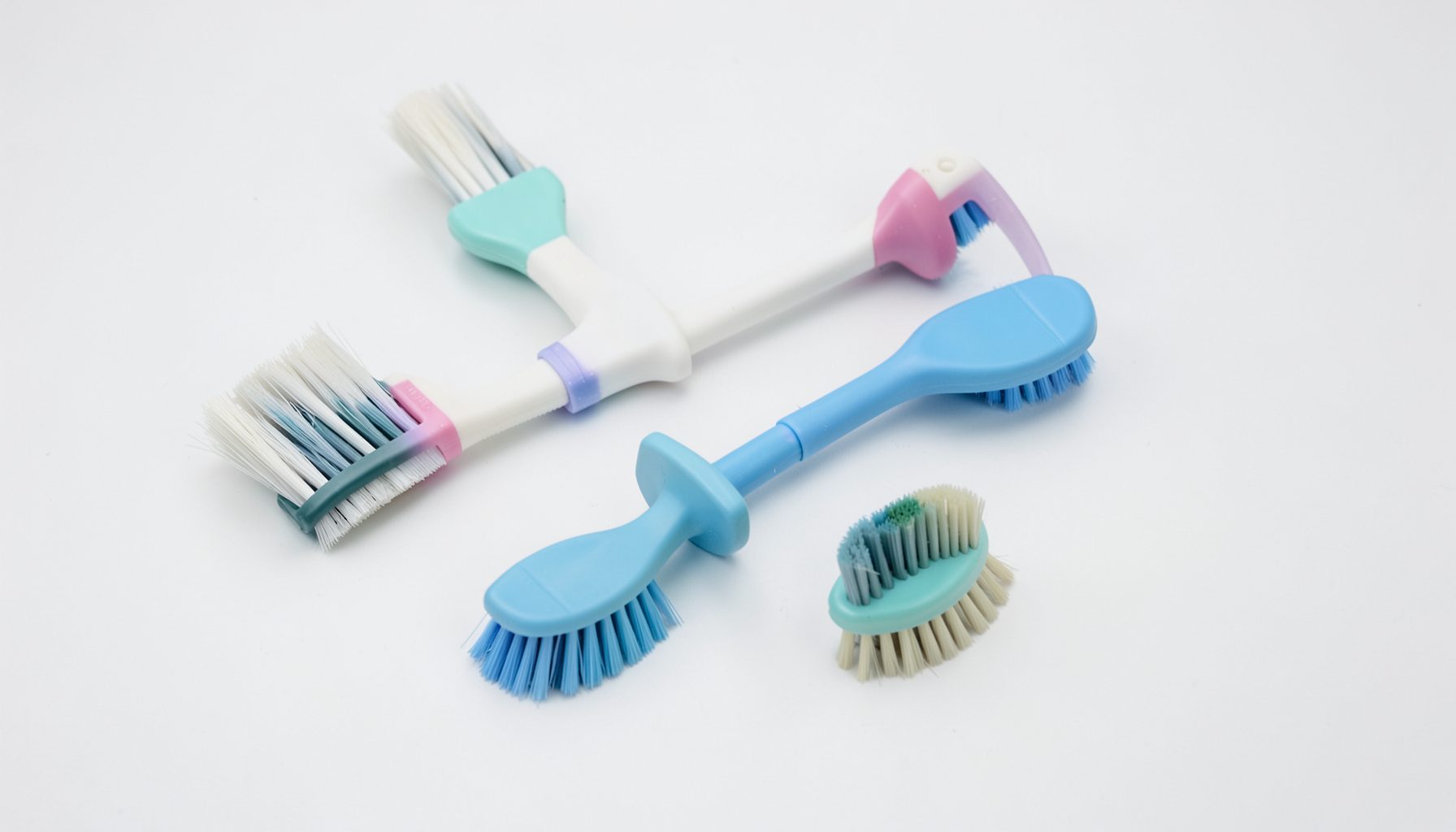
Switch nostrils and repeat. After use, rinse the bottle and let it air dry. Use ResQRinse Premium Cleaning Brushes for thorough cleaning.
Why consistent rinsing beats occasional flushing
Nasal congestion rarely follows a convenient schedule. Seasonal allergies, indoor dust, dry air, colds, and sinus irritation can create a cycle in which the nose feels blocked, swollen, or coated with thick mucus. A single forceful flush may provide temporary relief, but it does little to support a routine that keeps nasal passages clearer over time.
Consistent nasal irrigation works differently. It gives saline time to loosen mucus, wash away airborne irritants, and moisturize tissues before buildup becomes difficult to clear. Used correctly with safe water and a clean device, a regular rinse can become a practical part of daily nasal care.
The goal is not to rinse as often or as forcefully as possible. The goal is to choose a comfortable schedule, use the right technique, and continue it long enough to make congestion management more predictable.
Why occasional flushing falls short
An occasional flush often happens when symptoms have already peaked. By then, mucus may be thick, nasal tissues may be swollen, and allergens may have remained in contact with the lining of the nose for hours. A rinse can still help clear the passage, but the experience may feel less comfortable and the benefits may fade quickly.
This pattern can also encourage people to treat nasal irrigation as an emergency measure rather than routine hygiene. They may stop once breathing improves, then wait until congestion returns. The result is an inconsistent cycle of buildup and relief instead of steady support for the nasal passages.
Regular rinsing takes a preventive approach. A gentle saline wash can remove particles before they accumulate, soften secretions before they become stubborn, and help maintain moisture during dry conditions. These effects are most useful when they are repeated according to personal needs and product directions.
What a steady saline rinse does
Nasal irrigation moves saline solution through one nostril and out the other, carrying loosened mucus and unwanted material with it. Saline is designed to be compatible with nasal tissues when mixed correctly, so it can cleanse without relying on harsh ingredients or excessive pressure.
The process may also help reduce the sensation of dryness. Heating systems, air conditioning, winter weather, smoke, and dust can all make nasal passages feel irritated. A properly prepared rinse adds moisture while clearing the material that may be contributing to discomfort.
Consistency matters because nasal symptoms can have several overlapping causes. Someone with pollen allergies may need more regular rinsing during a high-pollen season, while a person dealing with dry indoor air may prefer a routine focused on evening comfort. Rinsing is not a cure for every nasal condition, but it can be a useful supportive habit alongside guidance from a healthcare professional.
Frequency should match your symptoms
There is no universal schedule that suits every person. Some users may prefer a daily rinse during allergy season, while others may use irrigation several times per week or when exposure to dust and irritants is likely. Product instructions and advice from a clinician should guide frequency, especially for children or people with ongoing medical concerns.
A regular routine should feel manageable rather than burdensome. If a rinse causes sharp pain, persistent ear pressure, nosebleeds, or worsening symptoms, stop and seek medical advice. Nasal irrigation should be gentle; increasing pressure does not make the process more effective.
People with ear tubes, a history of ear problems, recent nasal surgery, or unusual nasal anatomy should receive individualized guidance before beginning. Information about nasal rinsing and ear tubes can provide useful background, but personal medical advice remains important when ear symptoms are involved.
| Consideration | Occasional flushing | Consistent rinsing |
|---|---|---|
| Timing | Usually begins after congestion becomes severe | Can be scheduled around symptoms or likely irritant exposure |
| Mucus | Often addresses thicker, established buildup | Helps loosen and clear secretions regularly |
| Comfort | May require more effort when the nose is blocked | Gentle, repeated use may feel easier to manage |
| Allergy support | Used after symptoms appear | Can help wash away pollen and other particles |
| Habit formation | Easy to forget between episodes | Becomes part of a predictable care routine |
| Maintenance | Device may sit unused for long periods | Cleaning and preparation become regular habits |
Technique makes consistency easier
A comfortable device can make the difference between a routine that lasts and one that is abandoned. Squeeze-bottle systems allow users to control the flow and pressure, while features such as Nasal Lock technology are designed to support a more contained, comfortable rinse. The best choice is one that feels easy to hold, clean, and use correctly.
Water safety is essential. Use distilled, sterile, or previously boiled and cooled water as directed by the product instructions. Do not use untreated tap water for nasal irrigation. Prepare saline with the correct amount of water and an appropriate packet or formula so the solution is comfortable and properly balanced.
For people who prefer prepared portions, saline packet guidance explains why measured packets can make preparation more consistent than estimating salt at home. A correctly mixed solution can reduce guesswork and make it easier to repeat the routine.
After each use, empty remaining solution and clean the bottle or pot according to the manufacturer’s directions. Allow components to dry fully. A cleaning brush can help reach areas where moisture or residue may remain, supporting better device hygiene between rinses.
Build a routine around real life
The easiest time to rinse is usually the time you can repeat. Morning irrigation may clear overnight mucus before work or school. Evening use may wash away pollen and dust collected during the day. Some people may find a rinse helpful after outdoor activities, house cleaning, travel, or exposure to dry air.
Linking nasal irrigation to an existing habit can improve follow-through. Keeping the device with other personal-care items, preparing safe water in advance, or setting a regular reminder can reduce the number of decisions involved. The routine should be simple enough to continue during busy weeks.
Children need extra attention to comfort, supervision, and age-appropriate equipment. A child should not be pressured to continue through pain or fear. A pediatric version, a calm explanation, and guidance from a healthcare professional can help families approach nasal care in a reassuring way.
Practical habits for reliable relief
A consistent approach does not require a complicated schedule. These habits can make regular nasal irrigation safer and easier to maintain:
- Choose a repeatable time of day that fits your symptoms and schedule.
- Use distilled, sterile, or boiled-and-cooled water and measure saline accurately.
- Keep pressure gentle, breathe through your mouth, and stop if pain or significant ear pressure develops.
- Wash and dry the irrigation device after every use, replacing parts as directed.
- Adjust your routine during allergy season or increased irritant exposure, while following product and medical guidance.
Consistency also means paying attention to patterns. Note when congestion appears, what triggers it, and how your nose feels after rinsing. This can help you recognize whether symptoms are linked to pollen, dust, dry air, illness, or another factor. Persistent blockage, facial pain, fever, repeated nosebleeds, or symptoms that interfere with sleep deserve medical evaluation rather than continued self-treatment alone.
A well-designed kit can remove practical barriers. Comparing bottle sizes, child-friendly options, saline supplies, cleaning accessories, and nasal mist products through the ResQRinse product range can help households choose equipment that matches their needs. Having the necessary supplies available makes it less likely that a useful routine will be interrupted.
The value of regular nasal irrigation comes from small, repeated actions: clearing irritants, loosening mucus, adding moisture, and maintaining clean equipment. Occasional flushing may offer a quick reset, but a steady routine is more likely to support comfortable day-to-day nasal care.
Choose a rinse system that feels manageable, prepare each saline solution safely, and make nasal irrigation part of a predictable schedule. With the right technique and appropriate medical guidance, consistent rinsing can become a simple step toward clearer, more comfortable breathing.