ResQRinse is the nasal irrigation squeeze bottle that eliminates head-tilting and awkward neck positions. Using proprietary Nasal Lock™ technology, it delivers a comfortable, gag-free sinus cleanse — no more saline dripping down your throat.

Relief From Fall Sneezes
Now sold on Walmart.com. Free shipping on orders $30+. Try ResQRinse today with your everyday purchases.
Shop at WalmartWhy ResQRinse?
Nasal rinsing helps relieve congestion from colds, allergies, sinusitis, hay fever, and environmental pollutants. ResQRinse makes it comfortable enough to become a daily habit.
Nasal Lock™ Technology
Isolates sinuses from the throat using natural choanal occlusion — like inflating a balloon — so saline stays where it belongs.
Learn more →
Drug-Free Relief
Uses premixed saline packets with distilled water. No medications, no preservatives — just a natural cleanse for your nasal passages.
How to rinse →
For Kids Too
ResQRinse for Kids features a comfort nasal tip right-sized for smaller nostril openings, making rinsing gentle and easy for children.
Shop kids' version →
Breath-Controlled Flow
You control the saline flow with your own breath pressure — high volume, low pressure irrigation that's comfortable and effective.
Watch how-to videos →
Better Compliance
Designed to overcome the gagging and discomfort that cause people to abandon traditional neti pots and nasal rinse systems.
Our story →
Complete Kits Available
From the basic ResQRinse Nasal Rinse System ($19.99) to 90-day complete kits, saline packets, cleaning brushes, and Sinoptim Nasal Mist.
Browse all products →Get Started with ResQRinse
Ready to experience a better nasal rinse? Fill out the form below and we'll help you find the right product — or follow the simple steps to begin rinsing today.
Request More Information
How to Use ResQRinse
Fill the Bottle
Fill the ResQRinse squeeze bottle with distilled or previously boiled water and add one premixed saline packet.
Position the Tip
Place the comfort tip gently against one nostril. No head-tilting or awkward neck angles needed.
Squeeze & Breathe
Squeeze the bottle gently while breathing through your mouth. Nasal Lock™ keeps saline in your nasal passages and out of your throat.
Repeat & Clean
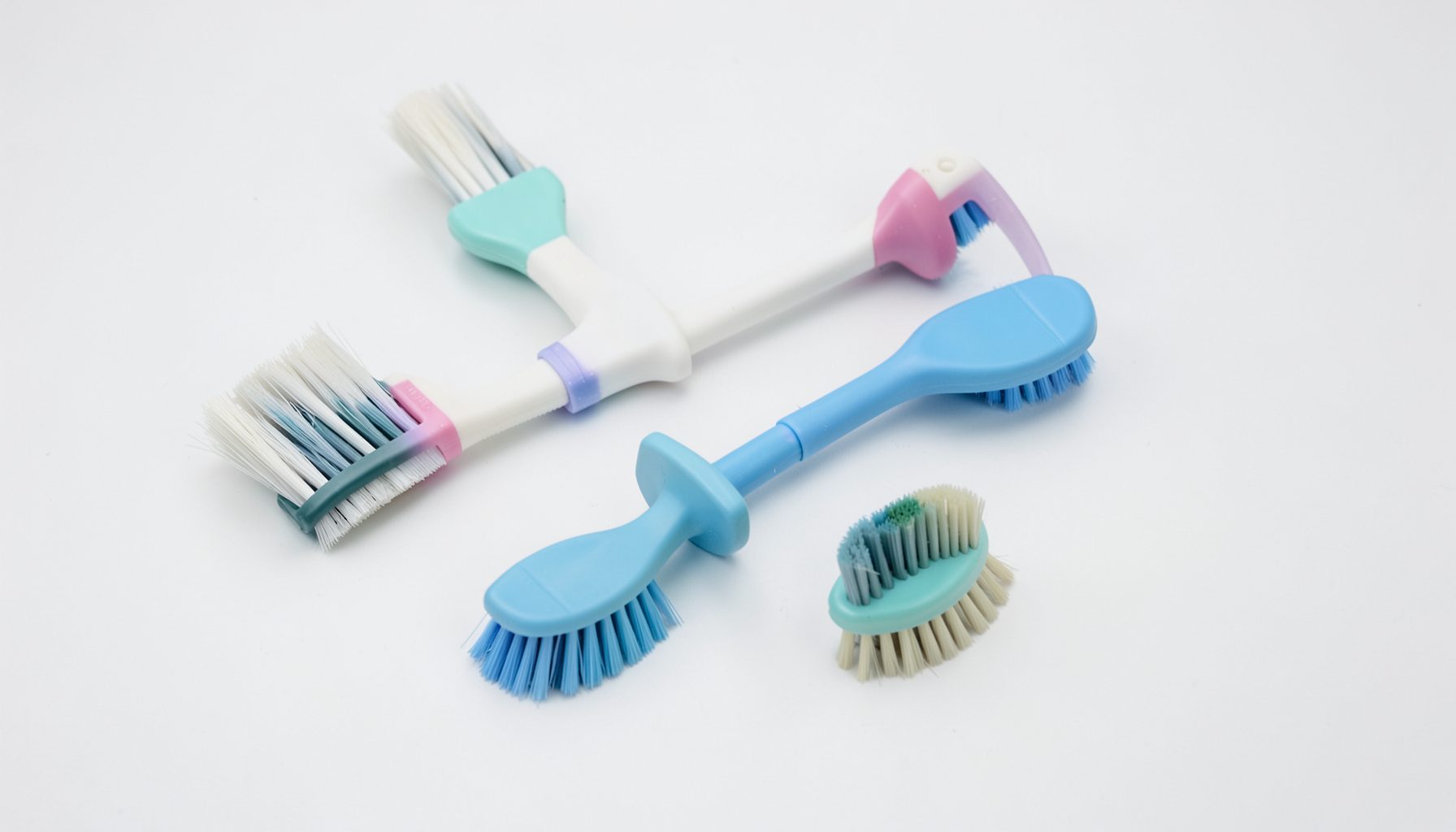
Switch nostrils and repeat. After use, rinse the bottle and let it air dry. Use ResQRinse Premium Cleaning Brushes for thorough cleaning.
Why a Steady Squeeze Technique Improves Rinsing Results
Nasal irrigation works by guiding a saline solution through the nasal passages to loosen mucus, wash away allergens, and support clearer breathing. The quality of that rinse depends on more than the solution itself. How the bottle is held, how firmly it is squeezed, and how consistently the flow is maintained can affect comfort and coverage.
A controlled squeeze creates a smooth stream rather than a sudden burst. This makes it easier for the saline to move through one nostril and drain from the other without creating unnecessary pressure. With practice, a steady technique can make nasal rinsing feel more predictable and easier to include in a daily wellness routine.
ResQRinse systems are designed to support this approach with an ergonomic squeeze bottle and Nasal Lock technology. Used according to the product instructions, the system can help direct saline comfortably while giving the user control over the pace of the rinse.
How Flow Control Affects Nasal Irrigation
A nasal rinse needs enough flow to carry saline through the nasal passages, but forceful pumping is rarely helpful. A hard, sudden squeeze may feel startling, cause liquid to spill from the mouth, or make a person tense the muscles around the nose and throat. Tension can make the process feel more difficult and may encourage the user to stop before completing the rinse.
A steady squeeze produces a more even stream. This allows the user to notice how the solution is moving and adjust gradually if the flow feels too strong or too weak. Smooth pressure also supports a calmer breathing pattern, which is especially useful for people who are new to saline irrigation.
The goal is not to empty the bottle as quickly as possible. Effective rinsing comes from consistent contact with the nasal passages and comfortable technique. A slower, controlled application can provide better coverage than several abrupt bursts.
Finding A Comfortable Squeeze Rhythm
Begin by leaning over a sink and tilting the head slightly forward and to one side. Keep the mouth open and breathe through it while placing the nozzle securely at the nostril. The bottle should be held upright enough to maintain a continuous flow, following the specific instructions supplied with the system.
Squeeze gradually until saline begins to travel through the nasal passage. Once the stream starts, maintain similar pressure instead of repeatedly releasing and compressing the bottle. If the flow slows, increase pressure gently rather than snapping into a harder squeeze. Small adjustments are easier to control and tend to feel more comfortable.
A useful rhythm is steady pressure, relaxed breathing, and a brief pause when needed. There is no benefit to pushing through discomfort. Stop, reset the head position, check the seal, and resume with less pressure if the rinse feels harsh or causes significant irritation.
Why A Secure Seal Supports Better Results
A secure but gentle seal around the nostril helps keep saline moving through the intended path. If the nozzle is held loosely, fluid may leak around the opening, making it tempting to squeeze harder. That extra force can create a mess without improving the rinse.
Nasal Lock technology is intended to help support a comfortable seal during use. The user should still avoid pushing the nozzle deeply into the nose. A stable position at the nostril entrance, combined with a gradual squeeze, is usually more useful than trying to create pressure by forcing the applicator inward.
Body position matters as well. Leaning forward helps prevent saline from running toward the throat, while a slight head tilt can encourage drainage through the opposite nostril. If the solution repeatedly flows into the throat, adjust posture and reduce squeeze pressure rather than applying more force.
| Technique Factor | Less Effective Approach | Steadier Approach | Likely Benefit |
|---|---|---|---|
| Squeeze pressure | Sudden, forceful bursts | Gradual and consistent compression | Greater comfort and control |
| Nozzle placement | Loose contact or deep insertion | Gentle, stable placement at the nostril | Less leakage and irritation |
| Head position | Upright or tilted backward | Leaning forward with a slight side tilt | Easier drainage |
| Breathing | Holding the breath | Relaxed breathing through the mouth | Less tension |
| Bottle use | Repeated starts and stops | Continuous flow with brief pauses | More even rinsing |
| Adjustment | Increasing force when uncomfortable | Resetting posture and reducing pressure | Safer, calmer technique |
Common Habits That Reduce Comfort
One frequent mistake is squeezing the bottle before the nozzle is positioned. This can waste saline and lead to an uneven start. Place the nozzle first, create a gentle seal, and then begin compressing the bottle slowly. Preparing the bottle and posture before starting can make the entire process smoother.
Another issue is trying to rinse while standing completely upright. In that position, saline may drain toward the throat or spill over the lips. A forward lean gives the solution a clearer exit path. Keeping a towel nearby can also reduce concern about small amounts of dripping, which helps the user stay relaxed.
Using water that is not appropriate for nasal irrigation is a separate safety concern. Follow the product directions and use distilled, sterile, or previously boiled and cooled water as recommended by public health guidance. Prepare the saline mixture accurately, since a solution that is too concentrated or too dilute may sting.
Clean and dry the bottle after each use according to the manufacturer’s instructions. Residual moisture can support unwanted microbial growth. A cleaning brush may help reach internal surfaces, while replacement parts and saline packets should be used as directed.
Adjusting The Method For Children
Children may need extra time to become comfortable with nasal rinsing. A calm demonstration, simple language, and a predictable routine can reduce resistance. The adult should control the bottle and use a very gentle squeeze, paying close attention to the child’s posture and reaction.
A child should not be pressured to continue through pain, fear, ear discomfort, or significant coughing. Pause the rinse and reassess the position, seal, and flow. Age, coordination, nasal symptoms, and medical history all affect whether a child is ready for a particular irrigation system.
Parents looking for age-specific guidance can review children’s nasal rinse tips before introducing the routine. The article explains ways to make the process more approachable and offers practical considerations for getting started.
Recognizing When To Pause
Mild awareness of saline moving through the nose is common, particularly during the first few uses. A brief tickling sensation, minor dripping, or the need to adjust head position does not necessarily mean the technique is failing. Slowing the squeeze and relaxing the face can often improve the experience.
Sharp pain, persistent burning, nosebleeds, ear pressure, or worsening symptoms are reasons to stop. Recheck the water, saline concentration, equipment, and technique before trying again. People with recent nasal surgery, frequent nosebleeds, structural nasal concerns, or certain ear conditions should ask a healthcare professional whether irrigation is appropriate.
A steady squeeze should feel controlled rather than strenuous. If the bottle requires excessive force to produce flow, inspect the nozzle and confirm that the saline mixture is prepared correctly. Equipment should be clean, intact, and used only as described in its instructions.
Building A Reliable Rinsing Routine
Consistency becomes easier when the rinse is connected to an existing habit, such as an evening shower or morning hygiene routine. Set out the clean bottle, saline packet, and appropriate water beforehand. Removing small preparation steps can make it less likely that the user will rush or skip important safety measures.
The best technique may vary with congestion. During a particularly blocked episode, begin with lighter pressure and allow time for the saline to soften mucus. Never force a blocked passage open with a powerful squeeze. If one side does not allow comfortable flow, stop and seek medical guidance when symptoms persist.
- Lean forward over a sink and keep the mouth open.
- Position the nozzle gently before beginning the squeeze.
- Apply gradual pressure and maintain a smooth flow.
- Pause if there is pain, strong pressure, or persistent irritation.
- Rinse, clean, and dry the equipment after use.
A steady squeeze technique improves rinsing results because it combines adequate saline movement with better control. It limits unnecessary pressure, supports a secure seal, and gives the user time to respond to changing sensations. Over time, this measured approach can make nasal irrigation more comfortable and dependable.
Explore a properly sized nasal rinse system, prepare the saline with suitable water, and practice the controlled rhythm described above. With careful use and regular cleaning, a simple squeeze bottle can become a practical part of congestion and allergy care.