ResQRinse is the nasal irrigation squeeze bottle that eliminates head-tilting and awkward neck positions. Using proprietary Nasal Lock™ technology, it delivers a comfortable, gag-free sinus cleanse — no more saline dripping down your throat.

Relief From Fall Sneezes
Now sold on Walmart.com. Free shipping on orders $30+. Try ResQRinse today with your everyday purchases.
Shop at WalmartWhy ResQRinse?
Nasal rinsing helps relieve congestion from colds, allergies, sinusitis, hay fever, and environmental pollutants. ResQRinse makes it comfortable enough to become a daily habit.
Nasal Lock™ Technology
Isolates sinuses from the throat using natural choanal occlusion — like inflating a balloon — so saline stays where it belongs.
Learn more →
Drug-Free Relief
Uses premixed saline packets with distilled water. No medications, no preservatives — just a natural cleanse for your nasal passages.
How to rinse →
For Kids Too
ResQRinse for Kids features a comfort nasal tip right-sized for smaller nostril openings, making rinsing gentle and easy for children.
Shop kids' version →
Breath-Controlled Flow
You control the saline flow with your own breath pressure — high volume, low pressure irrigation that's comfortable and effective.
Watch how-to videos →
Better Compliance
Designed to overcome the gagging and discomfort that cause people to abandon traditional neti pots and nasal rinse systems.
Our story →
Complete Kits Available
From the basic ResQRinse Nasal Rinse System ($19.99) to 90-day complete kits, saline packets, cleaning brushes, and Sinoptim Nasal Mist.
Browse all products →Get Started with ResQRinse
Ready to experience a better nasal rinse? Fill out the form below and we'll help you find the right product — or follow the simple steps to begin rinsing today.
Request More Information
How to Use ResQRinse
Fill the Bottle
Fill the ResQRinse squeeze bottle with distilled or previously boiled water and add one premixed saline packet.
Position the Tip
Place the comfort tip gently against one nostril. No head-tilting or awkward neck angles needed.
Squeeze & Breathe
Squeeze the bottle gently while breathing through your mouth. Nasal Lock™ keeps saline in your nasal passages and out of your throat.
Repeat & Clean
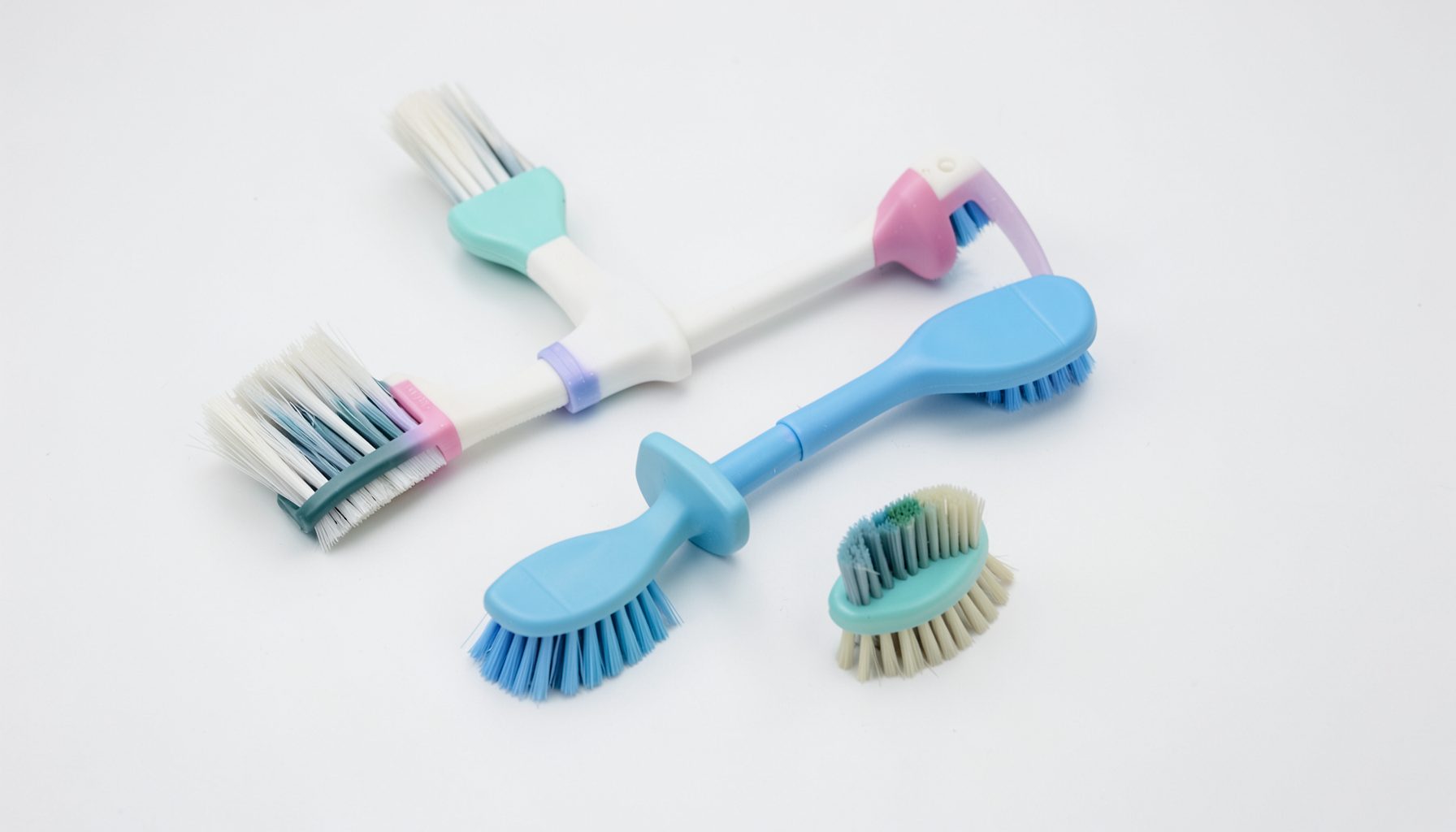
Switch nostrils and repeat. After use, rinse the bottle and let it air dry. Use ResQRinse Premium Cleaning Brushes for thorough cleaning.
Why a squeeze bottle is easier for children than a bulb syringe
Nasal congestion can make a child miserable, especially during an Australian pollen season, a winter cold or a spell of dry weather. Blocked noses affect sleep, eating and concentration, while younger children may struggle to blow their nose effectively. Parents often look for a simple nasal cleansing method that feels manageable at home.
A bulb syringe and a squeeze-bottle nasal rinse may look similar, but they work in different ways. A bulb syringe is mainly designed to suction mucus from the nostrils. A squeeze bottle delivers saline solution through the nose, helping loosen and wash away mucus, allergens and irritants.
For many families, the squeeze bottle is easier to control, less fiddly and more suitable for a repeatable saline rinse routine. The right technique, child-sized equipment and safe water preparation still matter, particularly when caring for children in homes from Sydney to Perth.
Suction and rinsing serve different purposes
A bulb syringe removes material by creating suction. This can be useful for a baby who cannot blow their nose, particularly when visible mucus is close to the nostril opening. However, the parent must position the tip carefully, squeeze the bulb before insertion and release it gently. Too much pressure or repeated suction may irritate delicate nasal tissue.
A squeeze bottle uses a different approach. Saline flows into one nostril and out through the other nostril or mouth, carrying loosened mucus with it. This makes it useful when congestion is thick, widespread or associated with dust and pollen. The process supports nasal irrigation rather than simply extracting a small amount of discharge.
Children also tend to respond better when they understand what will happen. A gentle, steady rinse can feel more predictable than the sudden pulling sensation created by a bulb syringe. Parents can demonstrate the bottle with water outside the bathroom first, helping the child become familiar with the grip and movement.
Better control for small hands and parents
A squeeze bottle gives the adult direct control over the volume and speed of the saline stream. A light squeeze produces a gentler flow, while a slightly firmer squeeze can help clear heavier congestion. This feedback is useful when a child moves, coughs or feels uncertain during the rinse.
Bulb syringes can be awkward because the parent has to coordinate suction, positioning and the child’s head angle at the same time. Their soft tips may also be difficult to keep in place without pressing against the nostril. A bottle with an appropriately shaped nozzle can provide a more stable contact point without requiring strong suction.
Some children can gradually learn to hold a child-sized bottle themselves, although an adult should supervise and control the rinse. Families comparing bottle capacities can use this guide to choose the right size, since a smaller bottle is often easier for a preschooler to grip and less intimidating at first.
Nasal Lock technology can reduce mess
One common concern with nasal rinsing is leakage around the nostril. If the fit is poor, saline may run down the child’s face or drip onto clothing, making the process unpleasant. A design that creates a more secure seal can help direct the solution through the nasal passage instead of allowing it to escape immediately.
ResQRinse products feature Nasal Lock technology, which is designed to support a comfortable connection between the nozzle and the nostril. The parent can hold the bottle steadily while applying gradual pressure. This may make the experience feel tidier and easier to repeat than using a bulb syringe that depends on suction and a small, flexible tip.
The child should lean over a basin or the bathroom sink, breathe through the mouth and avoid swallowing large amounts of saline. A towel nearby helps keep the routine calm. Families who prefer to see the method before trying it can watch the rinse demonstration videos with their child.
A calmer routine for colds and allergies
Children in Melbourne and Canberra may deal with seasonal grass pollen, while families in Brisbane or the Gold Coast may notice symptoms linked to humidity, mould or airborne irritants. In inland areas, dust can be a recurring issue. A saline rinse can help wash away particles after outdoor play, provided it is appropriate for the child and used according to the product instructions.
A bulb syringe is usually most helpful for occasional mucus removal. It is less convenient when a child has ongoing nasal stuffiness, because suction does not rinse the nasal passages or remove irritants that have settled further inside. A squeeze bottle can become part of a consistent routine after school, before bed or during a cold.
The routine should remain comfortable rather than forceful. Stop if the child experiences significant pain, bleeding, marked ear pressure or distress. Children with recurrent sinus problems, ear conditions, facial abnormalities or breathing difficulties should be assessed by a doctor before starting regular nasal irrigation.
Safe water and cleaning are essential
Only use the water recommended by the product instructions. For nasal irrigation in Australia, that generally means sterile or distilled water, or tap water that has been boiled and allowed to cool. Ordinary water straight from the tap is not automatically suitable for putting through the nose, even if it is safe to drink. This is especially important when travelling, camping or visiting regional areas where water treatment may differ.
Use the correct saline mixture rather than plain water, which can sting and irritate the nasal lining. Pre-measured saline packets help maintain an appropriate concentration and reduce guesswork. A fresh solution should be prepared when required, and leftover liquid should not be stored for another use.
Clean the bottle and nozzle after every rinse, allow components to dry fully and follow the manufacturer’s instructions for disassembly. A cleaning brush can help reach internal surfaces. The Therapeutic Goods Administration regulates many health products supplied in Australia, but families should still read the label, check age guidance and buy from a reputable seller rather than assuming every nasal device has the same standards.
Choosing a child-friendly setup
The most suitable system depends on the child’s age, nasal symptoms and willingness to participate. A younger child may need a smaller bottle, a slower introduction and complete adult assistance. An older child may be able to stand over the sink, follow breathing instructions and take part in cleaning, while still requiring supervision.
Look for a comfortable nozzle, easy-to-squeeze material, clear instructions and saline packets that are simple to measure. A complete kit may be more convenient than assembling separate pieces. Nasal mist can also be useful when a child needs gentle moisture but is not ready for a full rinse, although it does not provide the same flushing action.
Online shoppers in Australia may encounter products through international marketplaces such as Amazon or Walmart, so check delivery conditions, included accessories, currency and whether the instructions match local use. Read genuine parent testimonials, but treat personal experiences as useful context rather than medical proof. The same caution is sensible when reviewing unrelated online health products such as Canadian Viagra: verify the seller, ingredients, claims and regulatory information before purchasing.
A child’s nasal symptoms may also have several causes, and internet advice cannot replace professional assessment. General wellness reading, including information about hormonal balance, should not be used to diagnose congestion or decide whether a child needs treatment.
A squeeze bottle is often easier for children because it provides a controlled saline flow instead of relying on suction, gives the parent better handling, and can make nasal irrigation more consistent. Introduce it slowly, choose a size that fits the child, use safe water and saline, and keep the process gentle. Explore the ResQRinse range to find a supervised, child-appropriate option for clearer, more comfortable breathing at home.