ResQRinse is the nasal irrigation squeeze bottle that eliminates head-tilting and awkward neck positions. Using proprietary Nasal Lock™ technology, it delivers a comfortable, gag-free sinus cleanse — no more saline dripping down your throat.

Relief From Fall Sneezes
Now sold on Walmart.com. Free shipping on orders $30+. Try ResQRinse today with your everyday purchases.
Shop at WalmartWhy ResQRinse?
Nasal rinsing helps relieve congestion from colds, allergies, sinusitis, hay fever, and environmental pollutants. ResQRinse makes it comfortable enough to become a daily habit.
Nasal Lock™ Technology
Isolates sinuses from the throat using natural choanal occlusion — like inflating a balloon — so saline stays where it belongs.
Learn more →
Drug-Free Relief
Uses premixed saline packets with distilled water. No medications, no preservatives — just a natural cleanse for your nasal passages.
How to rinse →
For Kids Too
ResQRinse for Kids features a comfort nasal tip right-sized for smaller nostril openings, making rinsing gentle and easy for children.
Shop kids' version →
Breath-Controlled Flow
You control the saline flow with your own breath pressure — high volume, low pressure irrigation that's comfortable and effective.
Watch how-to videos →
Better Compliance
Designed to overcome the gagging and discomfort that cause people to abandon traditional neti pots and nasal rinse systems.
Our story →
Complete Kits Available
From the basic ResQRinse Nasal Rinse System ($19.99) to 90-day complete kits, saline packets, cleaning brushes, and Sinoptim Nasal Mist.
Browse all products →Get Started with ResQRinse
Ready to experience a better nasal rinse? Fill out the form below and we'll help you find the right product — or follow the simple steps to begin rinsing today.
Request More Information
How to Use ResQRinse
Fill the Bottle
Fill the ResQRinse squeeze bottle with distilled or previously boiled water and add one premixed saline packet.
Position the Tip
Place the comfort tip gently against one nostril. No head-tilting or awkward neck angles needed.
Squeeze & Breathe
Squeeze the bottle gently while breathing through your mouth. Nasal Lock™ keeps saline in your nasal passages and out of your throat.
Repeat & Clean
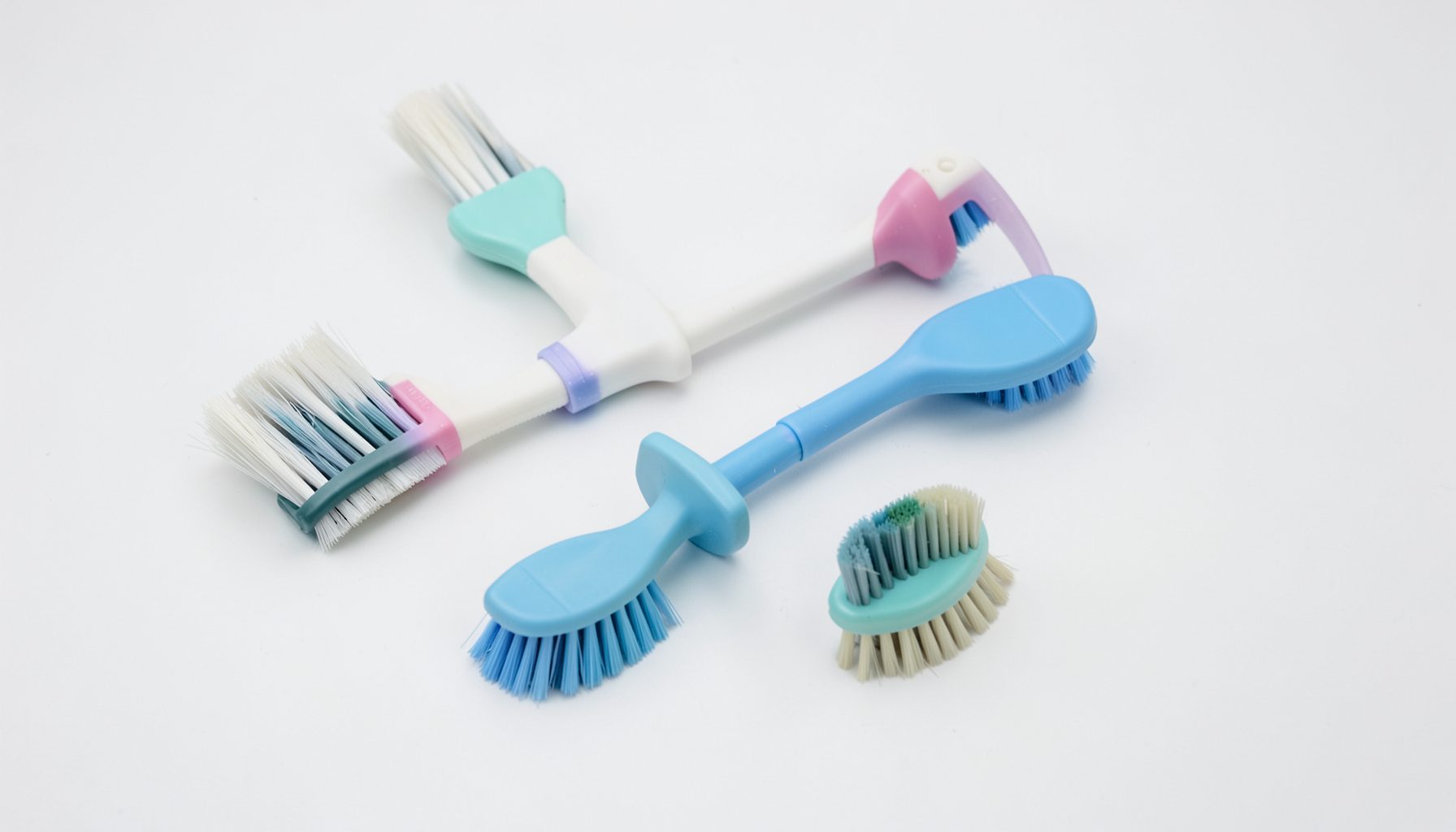
Switch nostrils and repeat. After use, rinse the bottle and let it air dry. Use ResQRinse Premium Cleaning Brushes for thorough cleaning.
Why A Cleaner Bottle Reduces Reinfection Risk
Nasal irrigation can wash away mucus, allergens, dust, and other irritants that contribute to congestion. For many people, a squeeze-bottle rinse becomes part of a daily routine during allergy season, a cold, or a period of sinus discomfort. The bottle itself, however, deserves as much attention as the saline solution inside it.
A damp, poorly cleaned nasal rinse bottle can collect residue and support the survival of unwanted microorganisms. Using the same contaminated equipment repeatedly may reintroduce germs into the nose, especially when the bottle is shared, stored wet, or handled without clean hands. That is why a cleaner bottle reduces risk of reinfections and helps make nasal care more hygienic.
Good equipment care does not require a complicated process. Safe water, careful washing, complete drying, and regular replacement of worn parts can reduce contamination between uses. These habits support comfortable nasal rinsing while protecting the purpose of the routine: clearing the nasal passages rather than adding new irritants.
Why Bottle Hygiene Matters
Every rinse bottle comes into contact with saline, mucus, and the hands of the person using it. Small amounts of fluid can remain around the cap, nozzle, threads, or internal walls after the bottle is emptied. If those areas stay wet, they create an environment where bacteria and other microorganisms may persist.
A bottle that looks clean may still contain residue in places that are difficult to see. A cloudy film, unpleasant odor, or sticky surface is a clear sign that cleaning is overdue, but contamination can begin before any visible warning appears. Rinsing the bottle quickly and leaving it on a counter may remove some residue without fully cleaning the parts that touch the solution or nose.
Repeated exposure to contaminated equipment can complicate recovery from nasal symptoms. It may contribute to renewed irritation, prolong discomfort, or make it harder to tell whether congestion is caused by an illness, allergies, dryness, or poor equipment hygiene. Cleaning cannot prevent every infection, but it removes one avoidable source of exposure.
Moisture, Residue, And Germ Growth
Warmth and moisture are central concerns after nasal irrigation. A closed or partially closed bottle traps droplets inside, while leftover saline and mucus provide material that can cling to interior surfaces. Placing a wet bottle in a cabinet or travel bag slows evaporation and may encourage microbial growth.
Drying is therefore part of cleaning, not an optional finishing step. After washing, separate the bottle, cap, nozzle, and other removable components when the product design allows it. Shake out excess water, place the parts in a clean, well-ventilated area, and allow them to dry fully before reassembly.
Water quality matters as well. Tap water can contain organisms that are generally harmless when swallowed but unsafe when introduced into the nasal passages. The safe rinsing water guidance explains why distilled, sterile, or properly boiled and cooled water is recommended for nasal irrigation. Clean equipment and safe water work together; either one is incomplete without the other.
A Practical Cleaning Routine
Start by washing your hands before preparing saline or handling the rinse bottle. Follow the manufacturer’s instructions for cleaning, since materials and construction can vary. In general, empty any remaining solution immediately after use, then wash the bottle and detachable parts with warm water and mild dish soap if the instructions permit it.
Use a suitable cleaning brush to reach the interior and narrow areas around the cap or nozzle. Scrubbing should be thorough but gentle enough to avoid scratching plastic or damaging seals. Scratches and worn surfaces can create additional places for residue to collect, while damaged components may affect the bottle’s flow or fit.
Rinse away all soap, then leave the pieces open to air-dry. Do not store the bottle while it is still damp. Avoid sharing a nasal rinse bottle, even among family members, because each person may carry different germs and have different health needs. Replace the bottle, nozzle, or other components according to the manufacturer’s directions, or sooner if they become cracked, discolored, difficult to clean, or deformed.
Care Differences Across Nasal Rinse Options
Different irrigation tools have different cleaning demands. A squeeze bottle may have several removable parts and a narrow nozzle, while a neti pot often has a wider opening but still requires careful washing and drying. Nasal mist containers may be designed for a different type of use and should be maintained according to their specific instructions rather than treated like a refillable rinse bottle.
ResQRinse systems use a squeeze-bottle format designed for controlled delivery, and the brand’s Nasal Lock technology is intended to help create a comfortable seal during use. A secure fit can reduce mess, but it does not replace cleaning. Any component that contacts saline or the nose should be included in the hygiene routine.
| Equipment feature | Potential hygiene concern | Helpful care habit |
|---|---|---|
| Narrow nozzle | Residue can remain in a small opening | Clean the nozzle carefully and inspect it often |
| Flexible bottle | Interior moisture may be difficult to see | Leave it open and fully dry before storage |
| Removable cap | Threads and seals can trap saline | Disassemble and wash each compatible part |
| Cleaning brush | The brush itself can retain moisture | Rinse it, air-dry it, and replace it when worn |
| Shared equipment | Germs can pass between users | Assign one bottle to each person |
Helping Children Build Better Habits
Children may squeeze too forcefully, touch the nozzle, or put clean parts on an unclean surface. They may also forget to empty and dry the bottle after use. Adult supervision helps ensure that the solution is prepared safely, the bottle is used correctly, and every component is cleaned afterward.
A child-friendly routine should be simple and consistent. Keep the bottle, saline packets, and cleaning supplies together in a clean area. Teach children to wash their hands, avoid touching the nozzle, and tell an adult if the bottle smells unusual, looks damaged, or no longer works normally.
When a child is learning, the child squeeze-bottle guide can help caregivers explain positioning, gentle pressure, and the steps involved. Making the process predictable can reduce resistance and make post-use cleaning easier to remember.
Signs It Is Time To Replace Equipment
Cleaning preserves a nasal rinse bottle, but no plastic component lasts forever. Look for cracks, cloudiness, deep scratches, loose fittings, distorted seals, or a nozzle that cannot be cleaned properly. A persistent odor after washing may also indicate that residue has accumulated in a place the cleaning routine cannot reach.
Replacement is especially important when the bottle has been used during an illness, dropped onto a dirty surface, or stored wet for an extended period. Follow the product’s replacement guidance, since the recommended schedule depends on the design, materials, and frequency of use.
A fresh bottle will not compensate for unsafe saline preparation or poor hand hygiene. Use a new saline packet or the amount recommended for the system, prepare it with the appropriate water, and discard leftover solution rather than saving it for the next rinse. These small decisions reduce the chance that a clean container becomes contaminated again.
A Simple Hygiene Checklist
Building the same steps into every rinse makes equipment care easier to maintain:
- Wash hands before preparing saline and handling the bottle.
- Use distilled, sterile, or properly boiled and cooled water as directed.
- Empty leftover solution immediately after the rinse.
- Wash compatible parts, including the cap, nozzle, and bottle interior.
- Air-dry every component completely before putting it away.
- Keep bottles personal, and replace damaged or persistently odorous parts.
The routine should be practical enough to follow when someone is tired, congested, or caring for a child. Keeping a cleaning brush nearby and storing the bottle in an open, clean location can remove common obstacles. If a person develops severe pain, fever, worsening symptoms, or symptoms that do not improve, medical advice is appropriate because equipment hygiene is only one part of nasal and sinus care.
A cleaner nasal rinse bottle supports the basic goal of irrigation: delivering a prepared saline solution through a clean system. Explore ResQRinse nasal systems and make bottle cleaning, safe water, and complete drying part of every rinse routine.