ResQRinse is the nasal irrigation squeeze bottle that eliminates head-tilting and awkward neck positions. Using proprietary Nasal Lock™ technology, it delivers a comfortable, gag-free sinus cleanse — no more saline dripping down your throat.

Relief From Fall Sneezes
Now sold on Walmart.com. Free shipping on orders $30+. Try ResQRinse today with your everyday purchases.
Shop at WalmartWhy ResQRinse?
Nasal rinsing helps relieve congestion from colds, allergies, sinusitis, hay fever, and environmental pollutants. ResQRinse makes it comfortable enough to become a daily habit.
Nasal Lock™ Technology
Isolates sinuses from the throat using natural choanal occlusion — like inflating a balloon — so saline stays where it belongs.
Learn more →
Drug-Free Relief
Uses premixed saline packets with distilled water. No medications, no preservatives — just a natural cleanse for your nasal passages.
How to rinse →
For Kids Too
ResQRinse for Kids features a comfort nasal tip right-sized for smaller nostril openings, making rinsing gentle and easy for children.
Shop kids' version →
Breath-Controlled Flow
You control the saline flow with your own breath pressure — high volume, low pressure irrigation that's comfortable and effective.
Watch how-to videos →
Better Compliance
Designed to overcome the gagging and discomfort that cause people to abandon traditional neti pots and nasal rinse systems.
Our story →
Complete Kits Available
From the basic ResQRinse Nasal Rinse System ($19.99) to 90-day complete kits, saline packets, cleaning brushes, and Sinoptim Nasal Mist.
Browse all products →Get Started with ResQRinse
Ready to experience a better nasal rinse? Fill out the form below and we'll help you find the right product — or follow the simple steps to begin rinsing today.
Request More Information
How to Use ResQRinse
Fill the Bottle
Fill the ResQRinse squeeze bottle with distilled or previously boiled water and add one premixed saline packet.
Position the Tip
Place the comfort tip gently against one nostril. No head-tilting or awkward neck angles needed.
Squeeze & Breathe
Squeeze the bottle gently while breathing through your mouth. Nasal Lock™ keeps saline in your nasal passages and out of your throat.
Repeat & Clean
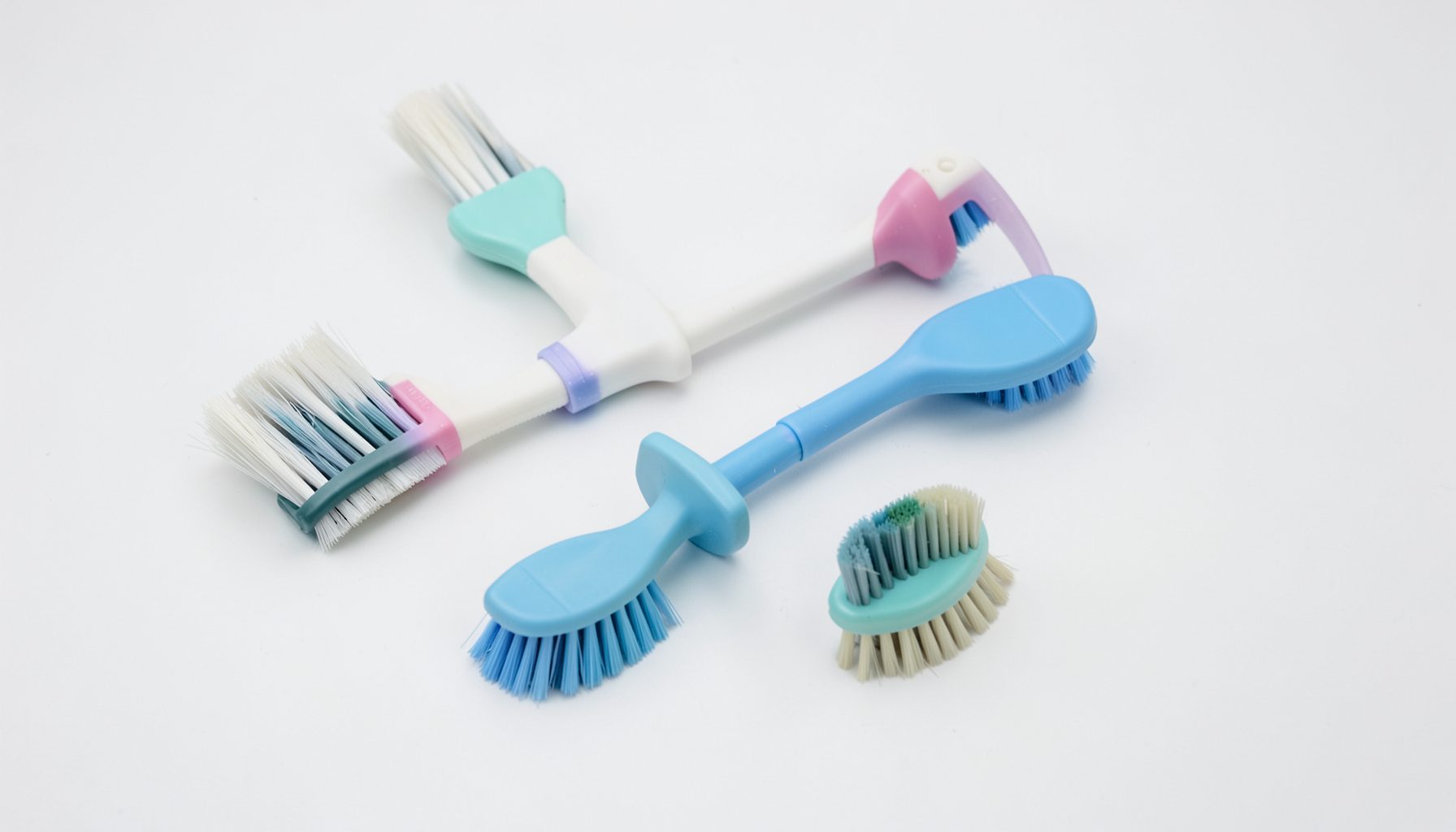
Switch nostrils and repeat. After use, rinse the bottle and let it air dry. Use ResQRinse Premium Cleaning Brushes for thorough cleaning.
Smart tips for nasal irrigation when flying with carry-on only
Australian travellers know the drill: a quick dash through domestic security, a hop across the Tasman, or a long-haul to Bali, and sinuses often pay the price. Cabin air is notoriously dry, pressure swings during ascent and descent can leave ears and noses feeling blocked, and recycled air on planes tends to circulate every bug going around the terminal. A small squeeze-bottle nasal rinse tucked into your carry-on can make the difference between arriving fresh and spending your first holiday day hunting down a chemist.
Whether you're a frequent flyer chasing winter sun in Cairns, a FIFO worker heading out to a remote Pilbara site, or a family road-tripping up the coast, a compact nasal irrigation routine is one of the easiest self-care habits to maintain on the road. The trick is knowing what fits inside airport rules, how to keep things hygienic between flights, and when to rinse for the best relief.
Know Australia's carry-on liquid rules before you pack
The Department of Home Affairs and the Civil Aviation Safety Authority both follow the standard international rule: liquids, gels, aerosols, and pastes in carry-on bags must be in containers of 100 millilitres or less, and all containers need to fit inside a single clear, resealable bag no larger than one litre. Pre-mixed saline sprays and small bottles of rinse solution can pass through screening easily, but anything over 100 ml will be confiscated at the gate.
A squeeze-bottle system with a refillable chamber gives you a clever workaround. Empty the bottle when you leave home, then fill it from a larger saline supply once you're through security, using tap water from the airport bubbler or a purchased bottle. The cleaning brush and spare saline packets can travel in your bag without issue because they're dry, and most airport security staff won't blink at a small medical accessory. If you carry a letter from your GP or a copy of the product page on your phone, it can speed things along if a screener has questions.
Pick the right bottle for overhead-bin life
Not every rinse bottle is built for the rigours of a cabin. The squeeze bottles sold by ResQRinse are sized to slip into a side pocket of your backpack or handbag, which is ideal when you're trying to keep your liquids bag accessible during a screening. A flat-bottomed bottle also stands upright in the seat-back pocket without spilling when the cabin tilts.
Look for a bottle with a soft, food-grade silicone body rather than rigid plastic. Soft bottles compress easily under cabin pressure changes, so you won't get that alarming pop of a sealed container expanding mid-flight. A wide-mouth opening is another bonus — it makes it quicker to refill at a hotel bathroom tap, and easier to rinse out the inside at the end of the trip before you head home.
Pack saline packets the smart way
Saline packets are light, friendly to Australian Border Force screening, and surprisingly easy to misplace if you just toss them loose into a toiletry pouch. Slide them into a small zip-lock or a dedicated mesh pocket inside your carry-on, ideally in the same pouch as your toothbrush and toothpaste so they don't get left behind in a hotel bathroom.
Travellers flying within Australia often overlook the fact that tap water quality varies from town to town. In major cities like Sydney, Melbourne, Brisbane, and Perth, mains water is safe for nasal rinsing, but in regional areas and remote stations it's worth using bottled or filtered water instead. The same goes if you're heading overseas — even Bali's hotel tap water can carry microbes that don't belong in your sinuses. A few extra saline packets only weigh a couple of grams and save you from improvising with salty hotel shampoo.
Keep your gear clean between stops
Multi-stop itineraries are where shortcuts start to bite. If you're bouncing between Brisbane, Adelaide, and a country town for a wedding, your bottle will collect biofilm in the crevices around the nozzle faster than you'd expect. A small cleaning brush, packed dry in a zip-lock, takes about thirty seconds to run through the spout and the chamber each evening.
Hotels and short-term rentals across Australia have improved their hygiene game in recent years, but shared Airbnb bathrooms can still harbour mould around the sink. Give your bottle a quick rinse under the hot tap after every use, shake out the excess, and leave the cap off so the inside can air-dry. A drop of white vinegar in the rinse water once a week helps keep mineral build-up at bay, especially if you're staying somewhere with hard bore water out in rural NSW or outback Queensland.
Prep for dry cabin air and pressure changes
Aircraft cabins typically sit at around 10 to 15 percent humidity, which is drier than the Australian outback on a hot day. That dryness thickens the mucus in your sinuses and makes you more vulnerable to nosebleeds and congestion on landing. Rinsing once before takeoff and again about an hour before descent keeps the membranes hydrated and helps your ears equalise more comfortably.
For long flights over twelve hours — say, Perth to London or Sydney to Los Angeles — a midday rinse in the lavatory can prevent the stuffy-headed feeling that often hits halfway across the Indian Ocean. If you're using a nasal mist bottle, spritz a few times during the flight rather than waiting until you land. Cabin pressure drops fastest in the final thirty minutes of descent, so a final rinse as the wheels come down can clear the eustachian tubes and cut that dreaded blocked-ear feeling.
Adjust your routine for Aussie conditions
Australian seasons run opposite to the northern hemisphere, which catches out plenty of travellers booking Christmas trips to Asia. If you're flying out of Melbourne or Hobart in July, the cold dry air plus cabin dryness is a double whammy for anyone prone to sinusitis. A rinse the morning of the flight, plus a saline mist during transit, helps protect against the cracking and bleeding that winter flyers often complain about.
Summer brings its own challenges, particularly for families heading to tropical north Queensland or up to Darwin for the school holidays. Air-conditioning in airports and shopping centres runs cold, and the swing between outdoor humidity and indoor chill can trigger rhinitis. Travelling with a children's version of the squeeze bottle — sized for smaller hands and gentler pressure — means little ones can keep up the same routine without complaining, and parents don't have to wrestle a full-sized bottle at 30,000 feet.
Keep your gear secure through every screening
Carry-on inspections happen at almost every Australian airport, including domestic transfers, and the rules around medical devices are applied consistently. Pack your rinse system near the top of your bag so it's easy to lift out and show the screener if asked. Keep it separate from any liquids over 100 ml so there's no confusion, and have your phone ready with the product science page loaded in case anyone wants a quick explanation of what's in the bottle.
For international trips, Australia's biosecurity rules are strict about anything that could carry soil, seeds, or organic matter. A dry saline packet is fine, but a used bottle with traces of uncleaned residue could raise an eyebrow with a sniffer dog or a biosecurity officer on arrival. Give everything a thorough clean and dry before you re-enter the country, and you'll sail through the green channel without a hassle.
Ready to upgrade your travel kit? The full range at the official ResQRinse site makes it simple to compare squeeze bottles, kids' kits, mist sprays, and replacement saline packets in one place, with shipping available through Walmart and Amazon so Aussie customers can stock up before a trip without leaving the loungeroom.