ResQRinse is the nasal irrigation squeeze bottle that eliminates head-tilting and awkward neck positions. Using proprietary Nasal Lock™ technology, it delivers a comfortable, gag-free sinus cleanse — no more saline dripping down your throat.

Relief From Fall Sneezes
Now sold on Walmart.com. Free shipping on orders $30+. Try ResQRinse today with your everyday purchases.
Shop at WalmartWhy ResQRinse?
Nasal rinsing helps relieve congestion from colds, allergies, sinusitis, hay fever, and environmental pollutants. ResQRinse makes it comfortable enough to become a daily habit.
Nasal Lock™ Technology
Isolates sinuses from the throat using natural choanal occlusion — like inflating a balloon — so saline stays where it belongs.
Learn more →
Drug-Free Relief
Uses premixed saline packets with distilled water. No medications, no preservatives — just a natural cleanse for your nasal passages.
How to rinse →
For Kids Too
ResQRinse for Kids features a comfort nasal tip right-sized for smaller nostril openings, making rinsing gentle and easy for children.
Shop kids' version →
Breath-Controlled Flow
You control the saline flow with your own breath pressure — high volume, low pressure irrigation that's comfortable and effective.
Watch how-to videos →
Better Compliance
Designed to overcome the gagging and discomfort that cause people to abandon traditional neti pots and nasal rinse systems.
Our story →
Complete Kits Available
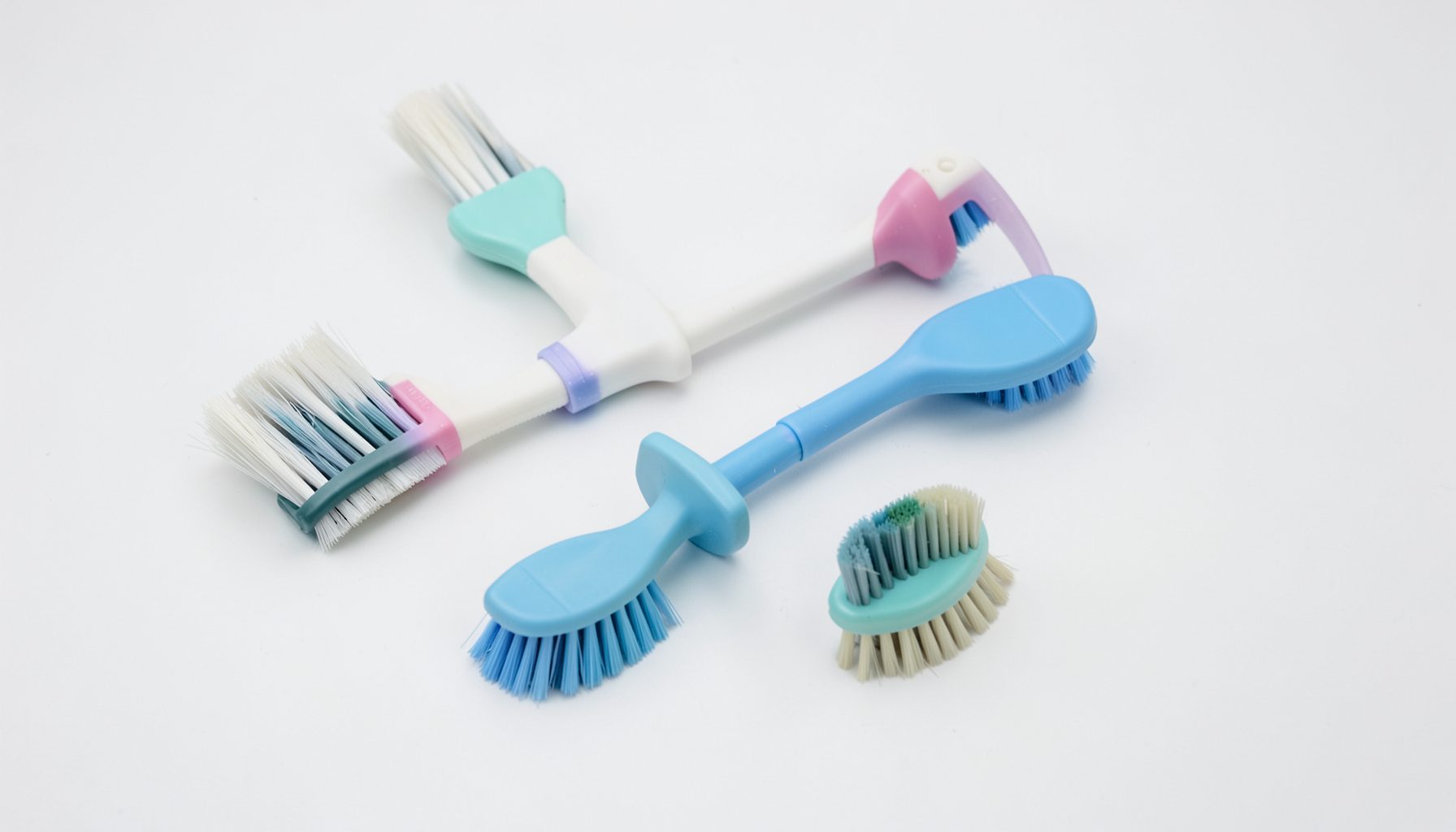
From the basic ResQRinse Nasal Rinse System ($19.99) to 90-day complete kits, saline packets, cleaning brushes, and Sinoptim Nasal Mist.
Browse all products →Get Started with ResQRinse
Ready to experience a better nasal rinse? Fill out the form below and we'll help you find the right product — or follow the simple steps to begin rinsing today.
Request More Information
How to Use ResQRinse
Fill the Bottle
Fill the ResQRinse squeeze bottle with distilled or previously boiled water and add one premixed saline packet.
Position the Tip
Place the comfort tip gently against one nostril. No head-tilting or awkward neck angles needed.
Squeeze & Breathe
Squeeze the bottle gently while breathing through your mouth. Nasal Lock™ keeps saline in your nasal passages and out of your throat.
Repeat & Clean
Switch nostrils and repeat. After use, rinse the bottle and let it air dry. Use ResQRinse Premium Cleaning Brushes for thorough cleaning.
The Role of Temperature in Nasal Rinse Comfort
Nasal irrigation can help wash away mucus, allergens, dust, and other irritants, but the temperature of the solution strongly affects how comfortable the process feels. Water that is too cold may create a sharp, startling sensation, while water that is too hot can irritate delicate nasal tissue.
A well-prepared rinse should feel close to body temperature: comfortably lukewarm rather than noticeably hot or cold. This small detail can make it easier to relax, breathe steadily, and complete a gentle saline rinse without unnecessary discomfort.
Temperature is only one part of the experience. Water safety, correct saline concentration, suitable pressure, and a clean irrigation device all matter. When these elements work together, a squeeze-bottle system can offer a more predictable alternative to improvised rinsing methods.
Why Temperature Matters During Nasal Irrigation
The inside of the nose contains sensitive tissue and a dense network of blood vessels. Sudden exposure to very cold or hot liquid can trigger stinging, pressure, watery eyes, or an uncomfortable reflex to stop. A solution near body temperature is generally easier for the nasal passages to accept.
Cold saline is not automatically dangerous, but it may feel harsh, especially when the nose is already inflamed by allergies, a cold, dry air, or sinus congestion. Some people also notice a temporary headache-like sensation when chilled fluid moves through the nasal cavity.
Hot water presents a more serious concern. Nasal tissue can be irritated or burned by liquid that feels only moderately hot on the hand. Test the solution carefully, and never use water that could cause discomfort on the skin. Warmth should be mild and soothing, never intense.
Finding A Comfortable Saline Temperature
A practical target is lukewarm water, approximately room temperature to body temperature. Many users find a range around 95–100°F, or 35–38°C, comfortable, but personal sensitivity varies. The solution should feel neutral or gently warm when tested against the inside of the wrist.
Avoid judging temperature by the bottle alone. Plastic can feel cool even when the liquid inside is comfortable, and steam or a warm container can make water seem safer than it is. Swirl the prepared saline, test a small amount, and adjust before beginning the rinse.
If the solution feels cold, allow it to stand briefly at room temperature or mix it with appropriately prepared warmer water. If it feels too warm, wait until it cools. Never microwave water in a plastic irrigation bottle, since uneven heating can create dangerously hot spots.
A comfortable temperature should support a slow, relaxed flow. ResQRinse’s instructional videos can help demonstrate positioning and technique, which are just as important as temperature when reducing pressure and splashing.
Water Safety Comes Before Warmth
Temperature does not make unsafe water suitable for nasal use. Use distilled or sterile water, or tap water that has been boiled and then cooled according to public health guidance. Ordinary untreated tap water can contain microorganisms that are safe to swallow but unsafe in the nasal passages.
Prepare only the amount needed for the rinse, and follow the instructions supplied with the saline packets or device. Using too much or too little salt can cause burning, dryness, or a sensation that the rinse is not moving comfortably. Premeasured packets help maintain a consistent saline concentration.
Clean and dry the bottle, cap, and nozzle after every use. A cleaning brush can help reach internal surfaces where moisture and residue may remain. Replace components according to the manufacturer’s instructions, especially if plastic becomes cloudy, cracked, or difficult to clean.
A clean device and properly prepared water create a better foundation for comfort than temperature adjustments alone. If a bottle has been stored in a cold location, let it return to a suitable temperature before adding water and saline.
| Solution condition | How it may feel | Practical response |
|---|---|---|
| Very cold | Sharp, startling, or headache-like sensation | Allow it to warm gradually to lukewarm |
| Room temperature | Often neutral and acceptable | Use if comfortable and water is safely prepared |
| Lukewarm | Usually gentle and soothing | A common starting point for nasal irrigation |
| Hot | Burning, stinging, or irritating | Stop and cool the solution before use |
| Incorrect salt concentration | Burning, dryness, or pressure | Prepare a fresh solution using the correct packet |
Temperature And Different Nasal Symptoms
People with seasonal allergies may have swollen, reactive nasal tissue. For them, a temperature close to body temperature can make rinsing feel less intrusive while helping remove pollen and other airborne particles. A very cold rinse may increase the sensation of nasal tightness, even if it does not worsen the underlying allergy.
During a cold, thick mucus can make irrigation feel more forceful. Warm, safe saline may help the rinse feel smoother, but it should not be hot or used to try to “melt” congestion. Let the saline and gentle flow do the work, without squeezing aggressively.
Dryness is another reason to pay attention to temperature. Hot water may strip comfort from already irritated tissue, while overly concentrated saline can create additional stinging. A properly mixed isotonic solution at a mild temperature is often easier to tolerate than a hotter or saltier preparation.
Temperature preferences can also change from day to day. If a previously comfortable rinse suddenly feels painful, check the water temperature, saline ratio, bottle cleanliness, and squeeze pressure before assuming the product is unsuitable.
How Device Design Supports Comfort
A squeeze-bottle irrigation system gives the user more control over the speed and volume of the rinse. Gentle pressure can help limit the sudden sensation sometimes associated with pouring methods. ResQRinse’s Nasal Lock technology is designed to support a secure fit, helping direct saline through the nasal passages when the bottle is positioned as instructed.
A neti pot and a squeeze bottle can both deliver saline, but they feel different in use. A pot relies more on gravity and head positioning, while a bottle allows gradual pressure from the hand. Neither method removes the need for safe water, correct saline, and careful cleaning.
The bottle should be held comfortably, with the head angled according to the product directions. Breathe through the mouth and avoid trying to force fluid through a blocked passage. If the solution does not flow easily, pause rather than increasing pressure.
Comfort also depends on the environment. A warm, humid bathroom may make a rinse feel easier than a cold, dry room, but the solution itself should still be tested. Afterward, allow the nose to drain naturally and blow gently rather than forcefully.
Adjusting Your Routine Without Overdoing It
More rinsing is not always better. Excessive frequency, high pressure, or overly strong saline may contribute to dryness and irritation. The appropriate routine depends on the reason for use, the product instructions, and guidance from a healthcare professional when symptoms are persistent or severe.
If a rinse leaves the nose feeling raw, first review the basics: use safe water, measure saline accurately, choose lukewarm fluid, and reduce the squeeze pressure. A fresh solution and a clean bottle are preferable to repeatedly reheating or reusing a mixture.
Pay attention to ongoing warning signs. The over-rinsing warning explains symptoms that may indicate your routine needs to be reduced or reviewed. Stop if you experience significant pain, repeated bleeding, worsening irritation, or another concerning reaction.
Seek medical advice for severe facial pain, high fever, swelling around the eyes, symptoms that worsen, or congestion that does not improve. Nasal irrigation can support symptom relief, but it does not replace evaluation when an infection or another condition may require treatment.
A Simple Temperature Check Before Each Rinse
A consistent preparation habit can make nasal irrigation more comfortable and easier to repeat. Rather than guessing, take a few seconds to inspect the water, confirm the saline amount, and test the solution before placing the nozzle at the nose.
Use these steps as a quick pre-rinse check:
- Prepare distilled, sterile, or properly boiled and cooled water.
- Mix the correct saline packet thoroughly until dissolved.
- Test the solution on the wrist; aim for neutral or gently lukewarm.
- Use light, controlled pressure and stop if the flow causes pain.
- Rinse, clean, and air-dry the bottle and its parts after use.
Keep the system away from extreme temperatures and direct heat. If the water has been refrigerated, allow it to warm naturally. If it has been warmed, make sure the entire solution is evenly mixed and comfortable before use.
A calm routine is often more effective than trying to make the rinse unusually warm. Temperature should remove a source of distraction, allowing attention to remain on safe positioning, gentle flow, and comfortable breathing. Product updates and care information are also available through brand news.
When saline feels too cold or too hot, pause and correct it rather than pushing through discomfort. Prepare a fresh, safely sourced solution at a mild lukewarm temperature, use gentle pressure, and follow the instructions for your ResQRinse system. With these simple habits, nasal irrigation can become a steadier part of congestion and allergy care.