ResQRinse is the nasal irrigation squeeze bottle that eliminates head-tilting and awkward neck positions. Using proprietary Nasal Lock™ technology, it delivers a comfortable, gag-free sinus cleanse — no more saline dripping down your throat.

Relief From Fall Sneezes
Now sold on Walmart.com. Free shipping on orders $30+. Try ResQRinse today with your everyday purchases.
Shop at WalmartWhy ResQRinse?
Nasal rinsing helps relieve congestion from colds, allergies, sinusitis, hay fever, and environmental pollutants. ResQRinse makes it comfortable enough to become a daily habit.
Nasal Lock™ Technology
Isolates sinuses from the throat using natural choanal occlusion — like inflating a balloon — so saline stays where it belongs.
Learn more →
Drug-Free Relief
Uses premixed saline packets with distilled water. No medications, no preservatives — just a natural cleanse for your nasal passages.
How to rinse →
For Kids Too
ResQRinse for Kids features a comfort nasal tip right-sized for smaller nostril openings, making rinsing gentle and easy for children.
Shop kids' version →
Breath-Controlled Flow
You control the saline flow with your own breath pressure — high volume, low pressure irrigation that's comfortable and effective.
Watch how-to videos →
Better Compliance
Designed to overcome the gagging and discomfort that cause people to abandon traditional neti pots and nasal rinse systems.
Our story →
Complete Kits Available
From the basic ResQRinse Nasal Rinse System ($19.99) to 90-day complete kits, saline packets, cleaning brushes, and Sinoptim Nasal Mist.
Browse all products →Get Started with ResQRinse
Ready to experience a better nasal rinse? Fill out the form below and we'll help you find the right product — or follow the simple steps to begin rinsing today.
Request More Information
How to Use ResQRinse
Fill the Bottle
Fill the ResQRinse squeeze bottle with distilled or previously boiled water and add one premixed saline packet.
Position the Tip
Place the comfort tip gently against one nostril. No head-tilting or awkward neck angles needed.
Squeeze & Breathe
Squeeze the bottle gently while breathing through your mouth. Nasal Lock™ keeps saline in your nasal passages and out of your throat.
Repeat & Clean
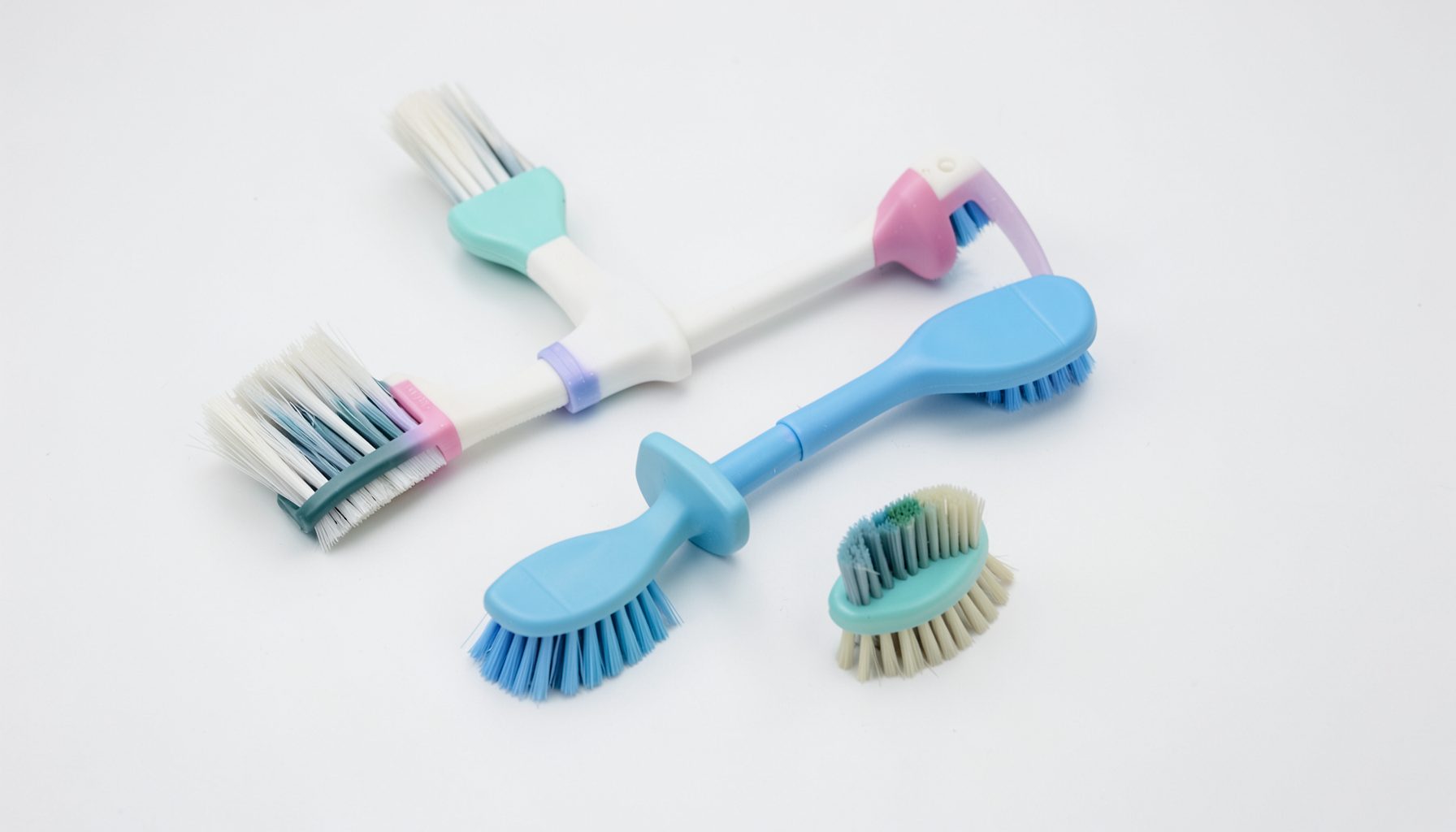
Switch nostrils and repeat. After use, rinse the bottle and let it air dry. Use ResQRinse Premium Cleaning Brushes for thorough cleaning.
Nasal Rinsing for Sinus Odor and Infection-Related Bad Breath
A bad smell that seems to come from the back of the nose can be miserable, particularly when the nose feels blocked or pressure builds around the eyes and cheeks. The effect of nasal rinsing on sinus odor or bad breath from infection depends on the underlying cause. Saline irrigation may clear stagnant mucus and crusting, but it cannot repair tooth decay, reflux or another source of halitosis. Learn more about Bengkung Untuk Ibu Kembar Adakah Perlu Saiz Atau Rekaan Khas.
Sinus infections can be viral or bacterial. During an infection, thick mucus can collect in the nasal passages and become trapped, while inflamed tissues produce more discharge. Bacteria can alter the smell of this material, and postnasal drip may carry it into the throat. The resulting odour can resemble ordinary bad breath, although the problem begins farther back in the nose.
In Australian homes, a blocked nose or troublesome sinus is a familiar complaint, especially during Sydney’s spring pollen season or in humid coastal conditions where mucus stays thick. Nasal mist may provide light moisturising, but a saline rinse offers a more thorough wash of the nasal passages. It is designed to remove mucus, allergens and trapped debris without relying on strong fragrances or medicated additives.
Rinsing works best as part of a sensible routine rather than as a substitute for medical care. Persistent odour, pain or discharge needs assessment because the source may be an ongoing infection, dental disease, inflamed tonsils, dry mouth or reflux. A rinse can support comfort and nasal clearance, while a clinician determines whether anything further is required.
Why infection-related breath develops
Odour associated with infected sinuses usually begins with reduced airflow and drainage. Mucus sits in narrow passages, loses moisture and mixes with inflammatory cells and microbes. As it thickens or crusts, it can create an unpleasant smell that lingers at the back of the nose and throat. The smell may become especially noticeable after waking, when secretions have remained in place overnight.
Most persistent bad breath, medically called halitosis, originates in the mouth. Tongue coating, gum disease, infected teeth and poorly cleaned dentures are common causes. Tonsil stones, tobacco, alcohol, reflux and medicines that dry the mouth can also contribute. Because these problems produce similar symptoms, judging the source by smell alone is unreliable.
A dentist can investigate oral causes, while a general practitioner can assess the nose, throat and lungs. This distinction matters because washing the nasal passages will not remove bacteria beneath the gums or treat a dental abscess. It may reduce nasal odour, but it will not resolve every type of infection-related breath.
What nasal rinsing changes
Saline irrigation flushes the nasal cavities with a sterile salt solution. It loosens dried mucus, washes out allergens and helps the nose clear itself more naturally. As a result, breathing may feel easier and postnasal drainage may decrease. Reduced crusting can also remove one source of the stale smell associated with a blocked nose.
Clinical guidance commonly includes saline irrigation as an adjunct in managing rhinosinusitis and allergy-related congestion. It is particularly useful when thick mucus is difficult to clear. For sinus odour, the benefit is generally indirect: clearing stagnant material may reduce the smell, while the nasal passages become less obstructed and less likely to retain infected discharge.
A ready-made complete saline rinse kit can make the routine more convenient. Saline packets provide measured powder for fresh solution, while reusable bottles need careful cleaning. Nasal rinsing does not replace antibiotics when a clinician has prescribed them, and it should not be expected to cure a dental, tonsil or reflux problem.
How to rinse safely at home
Use only sterile or distilled water, or water that has been boiled and cooled according to current health guidance and the product instructions. Never use water straight from a hot kettle, and do not add essential oils, household salt or decongestant drops unless the manufacturer specifically approves them. Commercial saline packets should be mixed exactly as directed without extra salt.
Start by washing your hands and cleaning the bottle or device. Lean over a sink, insert the nozzle gently and keep your mouth open so you can breathe comfortably. Squeeze or pour slowly, allowing fluid to drain from one nostril before changing sides. Stop if there is pain, bleeding or forceful resistance. The goal is a gentle wash, not maximum pressure.
Children need an age-appropriate device and close adult supervision. A child’s version of a squeeze-bottle system may be easier to handle, but children should never be forced to rinse if they resist or cannot breathe calmly. Follow the stated age guidance, and ask a paediatrician for advice when a child has recurrent sinus problems, unusual discharge or difficulty breathing.
After use, empty the device, wash it with suitable cleaning solution and let it air-dry completely. Replace a damaged bottle and avoid sharing nozzles. For a visual check of the technique, the brand’s demonstration videos show how squeeze bottles, packets and accessories fit into a regular routine.
When to see a health professional
Arrange an appointment when symptoms persist for around ten days without improvement, worsen after initially settling down, or come with significant facial pain, fever or thick discharge. A GP can examine the ears, nose and throat, review relevant allergies and decide whether imaging, prescription treatment or an ENT referral is appropriate. Medicare rebates may apply for eligible consultations, and a GP can explain any likely costs.
Repeated episodes deserve a broader review rather than repeated rinsing alone. This recurring sinus infection guide explains several common reasons symptoms may return, including untreated inflammation, allergies, nasal polyps and structural drainage problems. Dental review may also be needed if the smell mainly comes from the mouth.
Seek urgent medical care for swelling around an eye, changes in vision, severe headache, confusion, a stiff neck or difficulty breathing. Call 000 for breathing difficulty, confusion or neurological symptoms. Foul-smelling one-sided discharge, particularly in a child, also deserves prompt assessment because it can occasionally indicate a retained foreign object. Seek dental care for oral pain, swollen gums or a bad taste that persists despite good oral hygiene.
Choosing a system that suits you
The most practical system is one you will use consistently and clean correctly. Squeeze-bottle rinses are often easier for beginners to regulate than traditional neti pots, while children’s bottles, cleaning brushes and complete kits cover different household needs. ResQRinse markets its Nasal Lock technology as a way to control the flow and improve comfort. Compare bottle capacity, ease of cleaning, replacement costs and included accessories rather than choosing only by price.
Comfort depends on correct fit and technique. A nozzle should feel comfortable without being forced into the nostril, and the bottle should provide enough solution for the intended routine. The same attention to individual requirements appears in this [sizing guide for twins], where fit and ease of use influence the choice between standard and tailored options. Children, adults and people with sensitive passages may all need different sizes or handling methods.
A chemist can advise on general device care and suitable saline products, although stock varies between stores. ResQRinse also lists stockists through Amazon and Walmart, but Australian shoppers should check the seller, delivery charges and return terms because an overseas listing may not ship locally. Avoid buying unlabelled irrigation equipment or solution containing added chemicals that have not been tested for nasal use.
Build a routine that targets the cause
A practical routine starts by identifying whether the main problem is congestion, crusting, postnasal drip or an unpleasant taste coming from the mouth. Prepare fresh solution, use a clean device and follow the recommended frequency rather than rinsing excessively. Excessive irrigation can cause irritation and may worsen dryness, particularly in people who already have sensitive nasal passages.
Track symptoms for several days, including congestion, facial pressure, discharge, snoring and changes in breath odour. Improvement in nasal symptoms while the smell remains may point towards an oral or reflux-related cause. Likewise, a rinse may ease congestion without treating a recurrent infection, so persistent symptoms should be discussed with a GP rather than managed indefinitely at home.
Choose a comfortable, cleanable rinse system and safe saline, begin at the labelled frequency, and book a GP or dental appointment if sinus odour, facial pain or congestion persists or returns.