ResQRinse is the nasal irrigation squeeze bottle that eliminates head-tilting and awkward neck positions. Using proprietary Nasal Lock™ technology, it delivers a comfortable, gag-free sinus cleanse — no more saline dripping down your throat.

Relief From Fall Sneezes
Now sold on Walmart.com. Free shipping on orders $30+. Try ResQRinse today with your everyday purchases.
Shop at WalmartWhy ResQRinse?
Nasal rinsing helps relieve congestion from colds, allergies, sinusitis, hay fever, and environmental pollutants. ResQRinse makes it comfortable enough to become a daily habit.
Nasal Lock™ Technology
Isolates sinuses from the throat using natural choanal occlusion — like inflating a balloon — so saline stays where it belongs.
Learn more →
Drug-Free Relief
Uses premixed saline packets with distilled water. No medications, no preservatives — just a natural cleanse for your nasal passages.
How to rinse →
For Kids Too
ResQRinse for Kids features a comfort nasal tip right-sized for smaller nostril openings, making rinsing gentle and easy for children.
Shop kids' version →
Breath-Controlled Flow
You control the saline flow with your own breath pressure — high volume, low pressure irrigation that's comfortable and effective.
Watch how-to videos →
Better Compliance
Designed to overcome the gagging and discomfort that cause people to abandon traditional neti pots and nasal rinse systems.
Our story →
Complete Kits Available
From the basic ResQRinse Nasal Rinse System ($19.99) to 90-day complete kits, saline packets, cleaning brushes, and Sinoptim Nasal Mist.
Browse all products →Get Started with ResQRinse
Ready to experience a better nasal rinse? Fill out the form below and we'll help you find the right product — or follow the simple steps to begin rinsing today.
Request More Information
How to Use ResQRinse
Fill the Bottle
Fill the ResQRinse squeeze bottle with distilled or previously boiled water and add one premixed saline packet.
Position the Tip
Place the comfort tip gently against one nostril. No head-tilting or awkward neck angles needed.
Squeeze & Breathe
Squeeze the bottle gently while breathing through your mouth. Nasal Lock™ keeps saline in your nasal passages and out of your throat.
Repeat & Clean
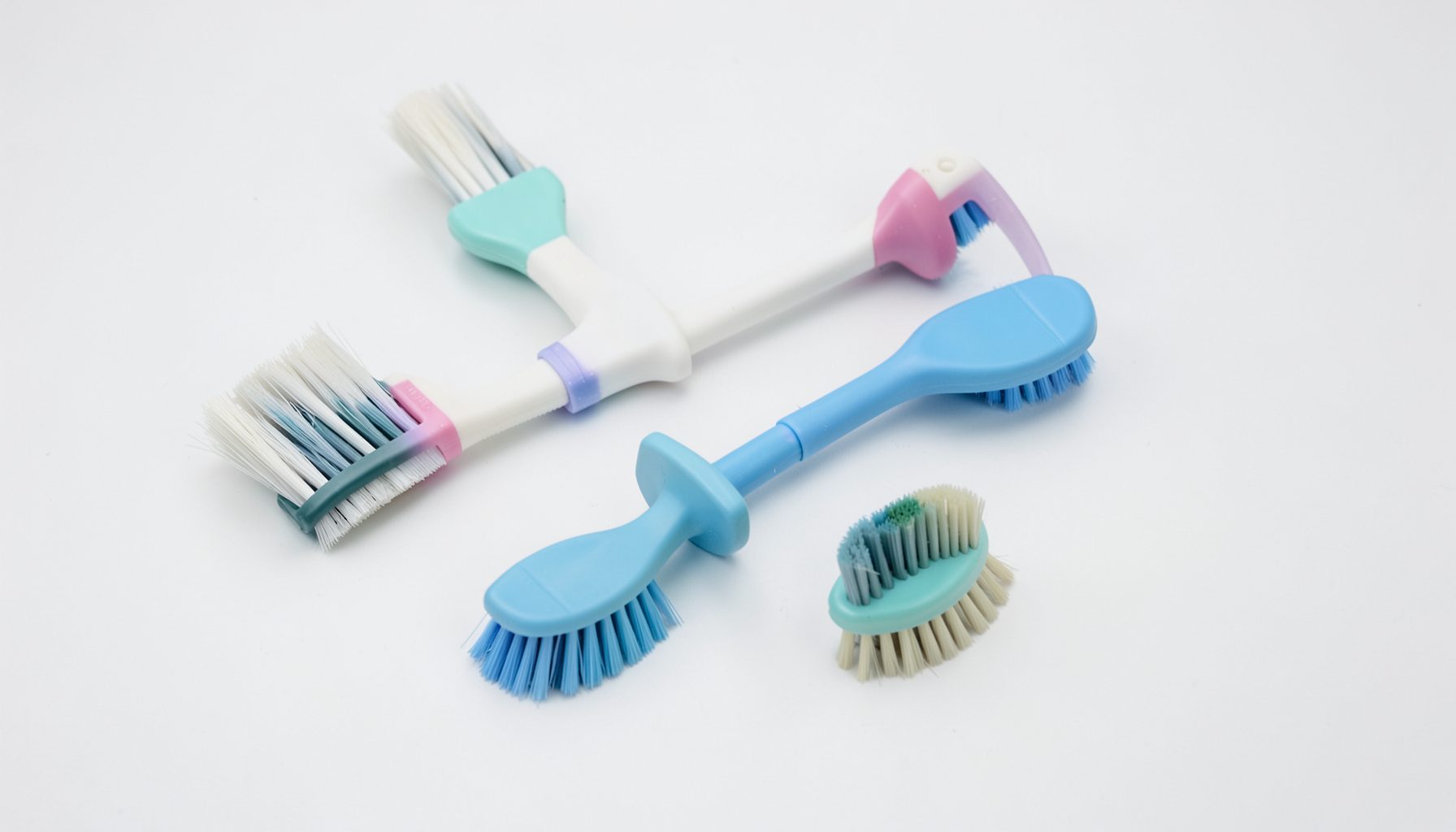
Switch nostrils and repeat. After use, rinse the bottle and let it air dry. Use ResQRinse Premium Cleaning Brushes for thorough cleaning.
Isotonic vs Hypertonic Saline for Nasal Congestion
Nasal congestion can make breathing, sleeping, and concentrating difficult. Saline irrigation helps wash away mucus, allergens, dust, and other irritants while adding moisture to the nasal passages. The concentration of salt in the rinse affects how it feels and how it may influence swelling.
Isotonic and hypertonic saline are the two most common options for nasal rinsing. Both can support clearer nasal passages, but they are suited to slightly different needs. Understanding the distinction makes it easier to choose a rinse that feels comfortable and fits your symptoms.
Saline irrigation is generally different from medicated nasal sprays because it works through cleansing and hydration rather than a drug-based decongestant effect. When used correctly with safe water and clean equipment, it can be a useful part of a congestion-care routine.
What saline concentration means
Isotonic saline has a salt concentration close to that of the body’s natural fluids, commonly around 0.9% sodium chloride. Because it has a similar concentration to the tissues inside the nose, it usually feels mild and well tolerated. Many people use isotonic saline for regular nasal hygiene, seasonal allergies, dryness, or light congestion.
Hypertonic saline contains more salt than the body’s natural fluids. Commercial products may use concentrations above 0.9%, such as 2% or 3%, though the precise formulation varies. The higher salt level creates an osmotic effect: it can draw some excess water out of swollen nasal tissue, potentially helping reduce stuffiness.
A solution with less salt than body fluids is called hypotonic saline. It may feel gentle in some situations, but isotonic formulations are more commonly chosen for routine nasal irrigation because they balance comfort and cleansing effectively.
How each solution may relieve congestion
Isotonic saline primarily rinses the nasal cavity. It can loosen thick mucus, remove pollen and airborne particles, and relieve the dryness that contributes to crusting or irritation. Since it is relatively gentle, it is often a practical starting point for frequent use and for people who are sensitive to nasal products.
Hypertonic saline may provide a stronger decongesting sensation when nasal tissue is particularly swollen. The osmotic action can help pull fluid away from the lining of the nose, creating more space for airflow. Some people notice a more pronounced improvement with hypertonic rinses during allergy flare-ups, colds, or sinus pressure.
The trade-off is comfort. A hypertonic rinse can cause temporary stinging, burning, dryness, or a feeling of tightness, especially if the nasal lining is already irritated. A stronger solution is not automatically better, and individual response matters more than the concentration alone.
Choosing a solution for your symptoms
Isotonic saline is usually a sensible choice for daily or frequent nasal care. It may suit people managing mild congestion, environmental allergies, dry indoor air, post-exercise dryness, or routine exposure to dust. It is also often preferable when a child or adult is new to nasal irrigation and needs to become comfortable with the process.
Hypertonic saline may be worth considering when swelling is the dominant problem and an isotonic rinse does not provide enough relief. Some users choose it for short periods during a cold or an allergy episode. If burning persists, the nose becomes more irritated, or symptoms worsen, switching back to isotonic saline may be appropriate.
People with recurring sinus symptoms, recent nasal surgery, frequent nosebleeds, or significant nasal obstruction should follow advice from a healthcare professional. Children may also need a child-sized system and age-appropriate instructions. Nasal irrigation should never be forced through a completely blocked passage because uncomfortable pressure can result.
Safe and comfortable nasal irrigation
Water safety is essential. Use distilled or sterile water, or tap water that has been boiled and cooled according to public health guidance. Do not use untreated water from a faucet, well, lake, or stream for nasal irrigation. The saline packet or measured salt mixture should be prepared exactly as directed so the concentration remains consistent.
Good technique can make either type of solution more comfortable. Lean over a sink, breathe through the mouth, and allow the rinse to flow gently through one nostril and out the other when the system is designed for that method. Avoid squeezing aggressively. If you experience ear pressure, pause and reduce the force or consult a clinician before continuing.
The device also needs regular care. Rinse the bottle or nasal irrigation system after use and let it dry fully. A clean bottle is an important part of a safer routine; these cleaning practices can help reduce contamination and the chance of reintroducing unwanted microbes.
Comparing the two saline options
The best choice depends on the balance between symptom relief and nasal comfort. Isotonic saline is usually more forgiving for repeated use, while hypertonic saline may be useful when tissue swelling is prominent. Both solutions can clear mucus and allergens when used with a suitable irrigation device.
| Feature | Isotonic saline | Hypertonic saline |
|---|---|---|
| Salt concentration | Approximately 0.9% | Higher than 0.9% |
| Main action | Cleanses, moisturizes, and loosens mucus | Cleanses and may draw fluid from swollen tissue |
| Typical comfort | Mild and familiar for many users | May sting or feel drying |
| Common situations | Daily care, dryness, mild congestion, allergies | More noticeable swelling or short-term congestion |
| Frequency | Often suitable for regular use when tolerated | May be better used selectively, depending on comfort |
| Best starting point | New users and sensitive nasal passages | Users who need stronger decongesting support |
| Important limitation | May feel less powerful during severe swelling | Can irritate already inflamed or dry tissue |
The table offers general guidance rather than a treatment rule. Nasal symptoms can have several causes, including viral infections, allergic rhinitis, structural blockage, and chronic sinus disease. If congestion lasts longer than expected, repeatedly returns, or occurs with facial pain, fever, vision changes, or bloody discharge, medical evaluation is warranted.
Making saline rinsing part of a routine
Consistency often matters more than choosing the strongest formulation. A gentle isotonic rinse used properly may provide better overall support than a hypertonic rinse that causes discomfort and is quickly abandoned. Start with the solution that feels manageable, then observe how your nose responds over the following uses.
A squeeze-bottle system can offer controlled flow and a straightforward alternative to a traditional neti pot. Features designed to help direct the rinse may make the process easier, but every device still requires safe water, correct preparation, and thorough cleaning. Follow the instructions supplied with the specific product rather than improvising pressure or salt measurements.
Helpful habits include:
- Use only distilled, sterile, or properly boiled and cooled water.
- Prepare saline with the recommended packet or accurately measured ingredients.
- Begin with isotonic saline if you are sensitive, new to irrigation, or using it regularly.
- Consider hypertonic saline for short-term swelling only if it feels comfortable and suits your healthcare guidance.
- Clean, rinse, and air-dry the irrigation device after every use.
A saline rinse can complement other congestion measures, such as reducing exposure to known allergens, using a humidifier in dry conditions, or following a clinician’s plan for allergy treatment. It should not replace medical care when symptoms are severe, persistent, or unusual.
Finding the right nasal rinse is usually a matter of matching concentration, frequency, and technique to your symptoms. Explore ResQRinse nasal care to find saline irrigation systems and accessories designed for comfortable, practical use at home.