ResQRinse is the nasal irrigation squeeze bottle that eliminates head-tilting and awkward neck positions. Using proprietary Nasal Lock™ technology, it delivers a comfortable, gag-free sinus cleanse — no more saline dripping down your throat.

Relief From Fall Sneezes
Now sold on Walmart.com. Free shipping on orders $30+. Try ResQRinse today with your everyday purchases.
Shop at WalmartWhy ResQRinse?
Nasal rinsing helps relieve congestion from colds, allergies, sinusitis, hay fever, and environmental pollutants. ResQRinse makes it comfortable enough to become a daily habit.
Nasal Lock™ Technology
Isolates sinuses from the throat using natural choanal occlusion — like inflating a balloon — so saline stays where it belongs.
Learn more →
Drug-Free Relief
Uses premixed saline packets with distilled water. No medications, no preservatives — just a natural cleanse for your nasal passages.
How to rinse →
For Kids Too
ResQRinse for Kids features a comfort nasal tip right-sized for smaller nostril openings, making rinsing gentle and easy for children.
Shop kids' version →
Breath-Controlled Flow
You control the saline flow with your own breath pressure — high volume, low pressure irrigation that's comfortable and effective.
Watch how-to videos →
Better Compliance
Designed to overcome the gagging and discomfort that cause people to abandon traditional neti pots and nasal rinse systems.
Our story →
Complete Kits Available
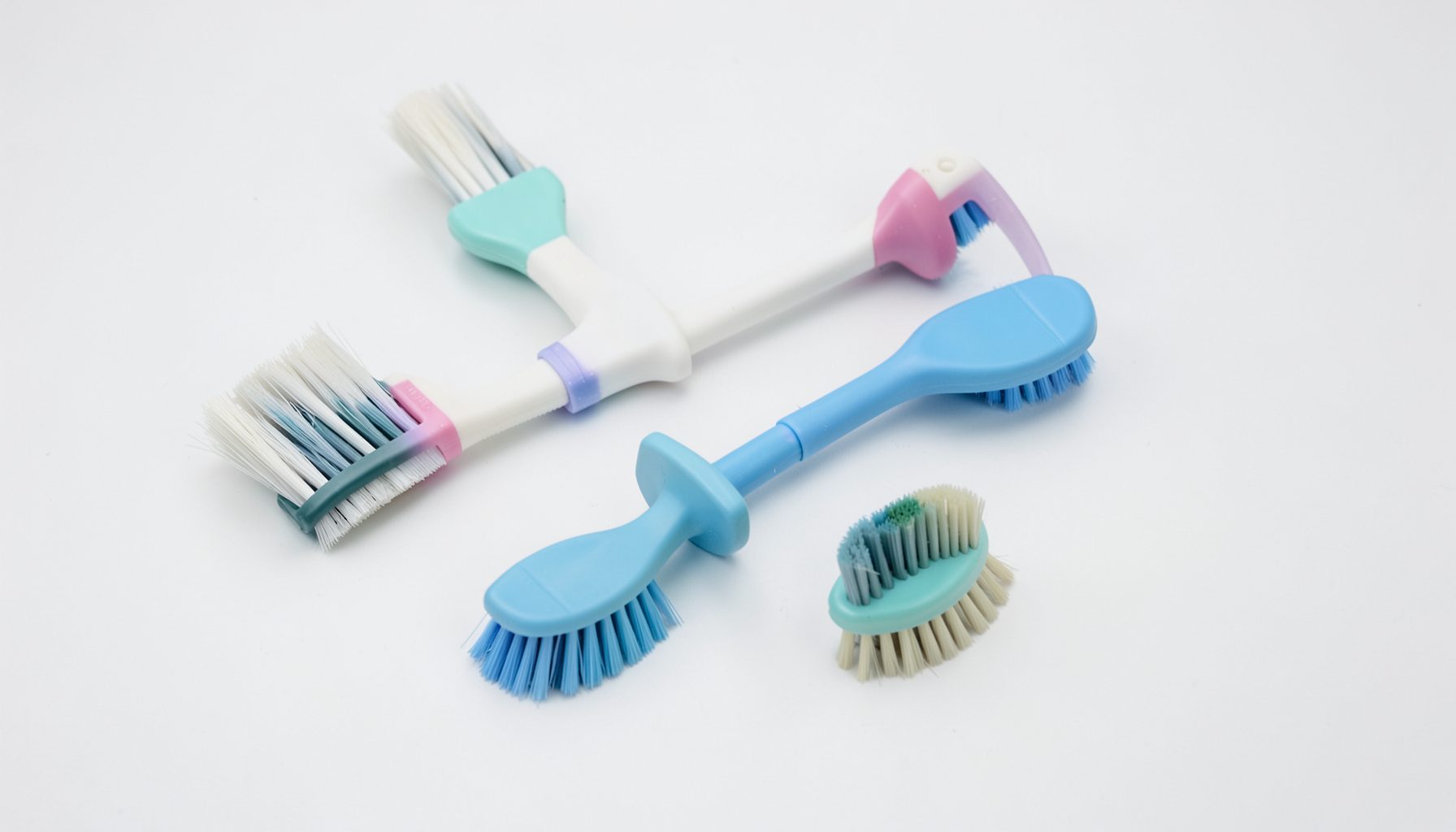
From the basic ResQRinse Nasal Rinse System ($19.99) to 90-day complete kits, saline packets, cleaning brushes, and Sinoptim Nasal Mist.
Browse all products →Get Started with ResQRinse
Ready to experience a better nasal rinse? Fill out the form below and we'll help you find the right product — or follow the simple steps to begin rinsing today.
Request More Information
How to Use ResQRinse
Fill the Bottle
Fill the ResQRinse squeeze bottle with distilled or previously boiled water and add one premixed saline packet.
Position the Tip
Place the comfort tip gently against one nostril. No head-tilting or awkward neck angles needed.
Squeeze & Breathe
Squeeze the bottle gently while breathing through your mouth. Nasal Lock™ keeps saline in your nasal passages and out of your throat.
Repeat & Clean
Switch nostrils and repeat. After use, rinse the bottle and let it air dry. Use ResQRinse Premium Cleaning Brushes for thorough cleaning.
Sinus pressure and headaches: why they happen and what helps
A blocked nose can make your face feel heavy, tender, or unusually full. For some people, that pressure is followed by pain around the forehead, cheeks, eyes, or nose. The discomfort may be mild and dull, or it may become intense enough to interfere with work, sleep, and concentration.
Sinus pressure and headaches are often connected, but the relationship is more nuanced than it first appears. Swollen nasal passages can restrict drainage and create a feeling of fullness, while allergies, viral infections, dehydration, and migraine can produce similar symptoms. Understanding the likely cause makes it easier to choose appropriate relief.
Nasal irrigation, humidity, fluids, rest, and medical care when needed can all have a place in a congestion-management routine. The right approach depends on how long symptoms last, what triggers them, and whether warning signs are present.
What sinus pressure feels like
The sinuses are air-filled spaces around the nose, cheeks, eyes, and forehead. Their lining produces mucus that normally drains through small openings into the nasal passages. When that lining becomes inflamed, the openings may narrow, slowing drainage and making the nose feel blocked.
This inflammation can create pressure or tenderness in the cheeks, between the eyes, across the brow, or near the bridge of the nose. Bending forward may make the sensation more noticeable. Some people also experience thick mucus, a reduced sense of smell, postnasal drip, cough, or discomfort in the upper teeth.
Pressure does not always mean that bacteria are causing the problem. A common cold, seasonal allergies, irritants, dry air, and changes in atmospheric pressure can all contribute to nasal swelling. In many cases, the head pain improves as congestion and inflammation settle.
How blocked nasal passages can cause head pain
Nasal congestion can affect the way pressure and sensation are perceived in the face. Inflamed tissue may stimulate sensitive nerve branches around the nose and eyes, while trapped mucus and swelling contribute to a sensation of fullness. Poor sleep from a blocked nose can then make headaches feel stronger the next day.
Mouth breathing may also dry the throat and reduce comfort overnight. If congestion leads to repeated coughing, straining, or disrupted sleep, secondary tension can develop in the scalp, neck, and shoulders. These factors can overlap, making the source of pain difficult to identify by location alone.
A sinus headache is commonly described as steady pressure rather than a pulsing sensation. It may occur with nasal symptoms, facial tenderness, or thick drainage. However, a migraine can also cause nasal stuffiness, watery eyes, facial pressure, and pain around the sinuses, which is why symptom patterns matter.
Sinus pain or migraine?
Many headaches labeled as “sinus headaches” are actually migraines or tension-type headaches. Migraine pain may be throbbing or pounding and can become worse with movement. Light sensitivity, sound sensitivity, nausea, or visual changes are also useful clues. Some people experience nasal congestion or watery eyes during a migraine because the nerves that influence the face and nasal passages are involved.
A headache linked more closely to congestion is likely to occur alongside a blocked or runny nose, reduced smell, facial tenderness, and changes in mucus. It may improve when the nasal passages open and drainage becomes easier. Still, these signs are not a substitute for a clinical evaluation, especially when symptoms are severe or recurring.
| Symptom pattern | More consistent with nasal inflammation | More consistent with migraine |
|---|---|---|
| Main sensation | Pressure, fullness, or facial tenderness | Pulsing, throbbing, or intense head pain |
| Nasal symptoms | Congestion, drainage, reduced smell | Possible stuffiness or watery eyes |
| Common triggers | Cold, allergies, irritants, dry air | Sleep changes, stress, certain foods, hormones |
| Other features | Postnasal drip, cough, facial discomfort | Nausea, light or sound sensitivity, aura |
| Helpful focus | Saline care, fluids, humidity, medical guidance | Migraine treatment plan and trigger management |
The two conditions can occur together. A cold or allergy flare may trigger a migraine in someone who is prone to one. If headaches repeatedly return without clear nasal symptoms, or if standard congestion care does not help, discuss the pattern with a healthcare professional.
Ways to ease congestion at home
Gentle saline irrigation can help rinse away mucus, allergens, and other particles while adding moisture to irritated nasal passages. A squeeze-bottle system may offer controlled flow and an easier angle than a traditional neti pot. Products such as ResQRinse nasal systems are designed for comfortable nasal rinsing, with features intended to help direct saline through the nasal passages.
Use only distilled or sterile water, or tap water that has been boiled and cooled according to public health guidance. Mix the solution with the correct amount of saline powder, and follow the device instructions rather than guessing the concentration. Clean and air-dry the bottle, nozzle, and any removable parts after each use.
Warm showers, a cool-mist humidifier, adequate fluids, and rest may also make congestion easier to manage. Avoid very hot steam close to the face, since it can cause burns. If a humidifier is used, keep it clean; a poorly maintained unit can circulate mold or other irritants.
When recurring symptoms deserve attention
Most congestion from a cold gradually improves. Symptoms that continue for longer than expected, repeatedly return, or become progressively worse deserve a closer look. Recurrent episodes may be associated with allergies, nasal polyps, structural narrowing, irritant exposure, inadequate treatment, or an infection that requires professional assessment.
The pattern matters as much as the duration. A person who improves and then suddenly worsens may need medical advice, particularly if fever, increasing facial pain, or thick drainage develops. Learning about recurring sinus infections can help explain why symptoms sometimes return, but online information should not replace an examination.
Seek prompt medical care for swelling or redness around the eyes, vision changes, severe headache unlike usual, confusion, stiff neck, repeated vomiting, or a high fever. Medical evaluation is also appropriate when pain is severe, headaches are frequent, symptoms affect daily life, or over-the-counter treatments are used often without lasting relief.
Creating a comfortable nasal care routine
Consistency can be more useful than using many products at once. During allergy season or a mild cold, some people benefit from rinsing at a convenient time of day, such as after outdoor exposure or before bed. A nasal rinse should feel gentle rather than forceful. Stop if it causes significant pain, ear pressure, nosebleeding, or worsening symptoms.
Children need age-appropriate products and supervision. A child should be able to cooperate with the process, and caregivers should follow the manufacturer’s instructions carefully. Saline mist may be a simpler option for mild dryness or for people who are not ready to use a full-volume rinse.
A clean device is essential. Replace parts as recommended, do not share a nasal irrigation bottle, and store it only after it is fully dry. Reading customer experiences may offer practical insight into how different people fit nasal care into their routines, but individual results can vary.
Practical steps for reducing pressure-related discomfort
A few habits can support clearer breathing and help you recognize when symptoms are changing:
- Use a properly prepared saline rinse or mist when congestion, allergies, or nasal dryness are affecting comfort.
- Drink fluids, rest, and use a clean humidifier if dry air worsens nasal irritation.
- Track headache timing, nasal symptoms, possible triggers, sleep quality, and medication use.
- Avoid smoke, strong fragrances, and other known irritants during a flare.
- Arrange medical care for persistent, recurrent, unusually severe, or concerning symptoms.
The goal is to address the nasal symptoms without assuming that every headache comes from the sinuses. Notice whether pain improves when congestion settles, whether migraine features appear, and whether symptoms follow a predictable trigger. That information can make conversations with a healthcare professional more useful.
When facial pressure and head pain are mild and connected to temporary congestion, gentle nasal hygiene may provide meaningful comfort. A well-designed rinse, safe water practices, proper cleaning, and attention to warning signs can make the routine both effective and reassuring. Explore ResQRinse options to find a nasal care approach that fits your household and use the system as directed for comfortable, consistent relief.