ResQRinse is the nasal irrigation squeeze bottle that eliminates head-tilting and awkward neck positions. Using proprietary Nasal Lock™ technology, it delivers a comfortable, gag-free sinus cleanse — no more saline dripping down your throat.

Relief From Fall Sneezes
Now sold on Walmart.com. Free shipping on orders $30+. Try ResQRinse today with your everyday purchases.
Shop at WalmartWhy ResQRinse?
Nasal rinsing helps relieve congestion from colds, allergies, sinusitis, hay fever, and environmental pollutants. ResQRinse makes it comfortable enough to become a daily habit.
Nasal Lock™ Technology
Isolates sinuses from the throat using natural choanal occlusion — like inflating a balloon — so saline stays where it belongs.
Learn more →
Drug-Free Relief
Uses premixed saline packets with distilled water. No medications, no preservatives — just a natural cleanse for your nasal passages.
How to rinse →
For Kids Too
ResQRinse for Kids features a comfort nasal tip right-sized for smaller nostril openings, making rinsing gentle and easy for children.
Shop kids' version →
Breath-Controlled Flow
You control the saline flow with your own breath pressure — high volume, low pressure irrigation that's comfortable and effective.
Watch how-to videos →
Better Compliance
Designed to overcome the gagging and discomfort that cause people to abandon traditional neti pots and nasal rinse systems.
Our story →
Complete Kits Available
From the basic ResQRinse Nasal Rinse System ($19.99) to 90-day complete kits, saline packets, cleaning brushes, and Sinoptim Nasal Mist.
Browse all products →Get Started with ResQRinse
Ready to experience a better nasal rinse? Fill out the form below and we'll help you find the right product — or follow the simple steps to begin rinsing today.
Request More Information
How to Use ResQRinse
Fill the Bottle
Fill the ResQRinse squeeze bottle with distilled or previously boiled water and add one premixed saline packet.
Position the Tip
Place the comfort tip gently against one nostril. No head-tilting or awkward neck angles needed.
Squeeze & Breathe
Squeeze the bottle gently while breathing through your mouth. Nasal Lock™ keeps saline in your nasal passages and out of your throat.
Repeat & Clean
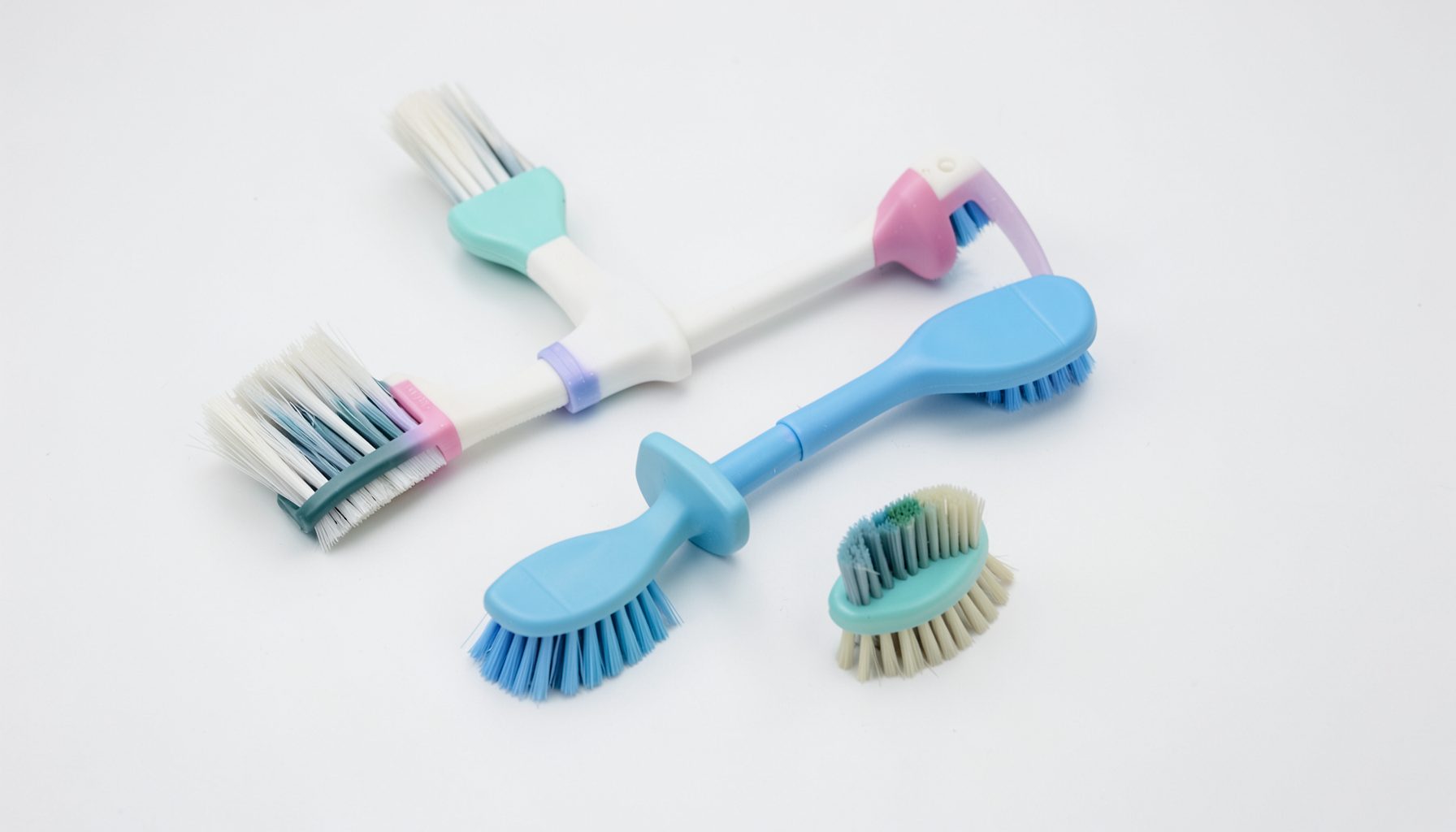
Switch nostrils and repeat. After use, rinse the bottle and let it air dry. Use ResQRinse Premium Cleaning Brushes for thorough cleaning.
Nasal rinsing and fewer sinus headaches
Nasal pressure can turn a familiar ache into a debilitating headache. Congestion, thick mucus, postnasal drip and facial tenderness may build around the cheekbones and eyes, especially when bending forward or sleeping. For people exposed to dust, pollen or mould, clearing those irritants can also reduce the nasal swelling that contributes to the discomfort.
The connection is promising, but it needs a realistic definition of “fewer”. Nasal rinsing cannot prevent every type of headache, and research on migraine or tension headache does not automatically apply to sinus pain. Its clearest role is supporting people with rhinosinusitis or allergy-related congestion by washing away mucus and irritants, which may lessen pressure and the need for repeated symptom relief.
Recognising a sinus-related headache
A sinus-related headache is more likely when facial pain or pressure occurs alongside a blocked nose, coloured discharge, reduced smell or symptoms that change with posture. Weather, airborne irritants and an infection can all trigger the pattern. Pain centred on the forehead, temples or behind the eyes can also occur, although location alone cannot identify the cause.
Migraine may cause throbbing on one side, nausea or light sensitivity, while tension-type pain often feels tight across the head. Neither should be assumed to be sinus-related. A clinician considers the whole symptom pattern, examines the nose and may order imaging when the diagnosis is uncertain or another condition needs to be excluded.
This distinction matters because a rinse may help nasal congestion without treating the underlying disorder behind a recurrent headache. Keeping a simple diary of pain, nasal symptoms, possible triggers and the timing of attacks can reveal whether symptoms cluster after exposure to pollen, dust or a cold. Such a record also gives a GP or pharmacist more useful information.
How irrigation can reduce sinus pressure
Irrigation works by flushing the nasal passages with saline, loosening mucus and clearing allergens, irritants and inflammatory debris. That reduces the feeling of fullness and may ease pressure near the sinuses. It can also reduce postnasal drip and mouth breathing, both of which may contribute to discomfort or a poor night’s sleep, although these effects vary between people.
Clinical evidence is strongest for improving symptoms of chronic rhinosinusitis with regular saline irrigation; evidence for preventing headaches is less direct. A reduction in congestion may translate into fewer sinus-pressure episodes for some people, but a rinse is not a guaranteed headache treatment. The brand’s Nasal Lock technology explains how its squeeze-bottle design aims to make controlled delivery more comfortable.
A traditional neti pot can work well when used correctly, but its larger opening and gravity-led flow may be less comfortable for beginners. A squeeze bottle gives the user control over pressure and volume. ResQRinse describes the Nasal Lock mechanism as helping the bottle sit securely against the nostril, which can reduce leakage while the solution passes through the nasal cavity.
Building a safe rinsing routine
Start with the instructions supplied with the chosen system. Use the recommended saline packet with sterile water, or water boiled and cooled according to the product directions. Do not use hot tap water. Wash your hands, fill the bottle as directed and attach the nozzle securely before bringing it near your face. Dedicated distilled or sterile water is useful when safe boiled water is unavailable.
Lean your head slightly forward and to one side over a sink, rather than tipping the head far back. Insert the nozzle only as far as it goes comfortably, open your mouth and breathe through it, then squeeze gently so the solution flows through the upper passage and exits the other nostril. Stop if there is pain, severe pressure or dizziness; force is never needed. Repeat on the other side only as the product guide advises.
After use, empty and rinse the device with sterile or previously boiled and cooled water, then allow it to air-dry completely. A clean brush can help reach the bottle’s interior and nozzle, but it should also be washed and dried. Children should use an age-appropriate product with close adult supervision, and the bottle must never be shared between users.
Choosing saline and equipment
Most everyday kits use isotonic saline, which has a salt concentration close to body fluids and is generally well tolerated. Hypertonic packs contain more salt and may feel stronger; they can sometimes reduce swelling more effectively, although they may also cause temporary dryness, stinging or ear pressure. Follow the labelled concentration rather than making stronger mixtures at home.
ResQRinse offers squeeze-bottle rinses, children’s versions, saline packets, cleaning brushes, complete kits and nasal mist, allowing a household to choose a complete setup or add only what it needs. Replacement packets and a dedicated brush are useful for regular users. A nasal mist may offer a gentler option for mild congestion, but a substantial rinse and a light mist are not interchangeable for every blocked nose.
Comfort depends on the right combination of bottle, nozzle and technique, not on an elaborate gadget. People who like tracking routines can set a phone reminder, while UniverzalSoft resources provide a separate software-focused reference for broader digital interests. Neither an app nor a software tool can diagnose the source of a headache, so fitting instructions and clinical advice should remain the deciding factors.
Comfort, cleanliness and side effects
Expect a little warmth or mild pressure during a first rinse. Persistent burning, nosebleeds, foul-smelling discharge or ongoing ear fullness means the routine should stop and the cause should be checked. People with recent nasal surgery, a bleeding disorder, a perforated eardrum or significant ear problems should ask their clinician before irrigating, because advice may differ.
Equipment cleanliness matters because contaminated water or an unclean bottle can introduce infection. Air-drying after each use reduces the damp environment microbes prefer. Do not top up old solution, share nozzles or use a cracked bottle, and replace a device that no longer seals properly. Saline packets should remain sealed and dry, and the solution should be prepared fresh for each session.
Irritation after repeated rinses may mean the flow is too forceful, the concentration is unsuitable or the device needs a better clean. Gentle pressure and room-temperature saline usually feel better. If congestion remains severe despite sensible technique, repeatedly using topical decongestants can cause rebound swelling, so medical advice is preferable to escalating a rinse routine without review.
Australian conditions and shopping
Australian conditions make nasal care particularly relevant in different ways. Sydney’s spring can bring intense grass and plane-tree pollen, while Melbourne’s quick shifts between dry heat, wind and damp weather can keep the nose irritated. In Brisbane, humidity and indoor mould can sustain symptoms, and Adelaide’s dusty northerlies often arrive with dry air that leaves the nasal passages uncomfortable. Local triggers deserve attention rather than assuming every ache is sinus-related.
Track the local pattern: when symptoms rise during a high-pollen week, after a windy day, during a humid spell or after exposure to dust. A saline rinse can clear irritants, but it cannot replace appropriate allergy treatment, and masks do not prevent all airborne particles. A pharmacist can help with product choices, while recurring symptoms may need a GP review and an allergy assessment.
ResQRinse products are sold through Amazon and Walmart in supported markets, but Australia has no general Walmart store network. Local shoppers should check Amazon Australia listings, dispatch locations, returns and any potential GST or customs handling charges before ordering. After sinus surgery, timing also matters: follow the operating surgeon’s directions first, and use the company’s post-surgery rinsing guidance only within the approved recovery plan.
Knowing when to seek medical help
Seek urgent medical care for a sudden “worst headache” of your life, new weakness or numbness, confusion, trouble speaking, vision changes, fever with a stiff neck, swelling around an eye, or severe facial pain with illness. These signs can point beyond routine sinus pressure. In Australia, call 000 for an emergency or urgent care immediately; do not attempt to manage the headache with rinsing alone.
Arrange a GP appointment when congestion, facial pain or headaches persist, keep returning or regularly disrupt sleep and work. A pharmacist can advise on saline products and general symptom care, but recurrent headaches may need a tailored plan from a GP or ENT specialist.
Make a clear plan today: choose a comfortable squeeze-bottle system, keep spare saline and a cleaning brush ready, and use only the technique and water preparation specified in its instructions. Notice how your nose and head feel over the next week and share that pattern with a clinician if symptoms continue. Comfortable, consistent care gives nasal rinsing the best chance to ease congestion and reduce sinus-pressure headaches without adding unnecessary complexity.