ResQRinse is the nasal irrigation squeeze bottle that eliminates head-tilting and awkward neck positions. Using proprietary Nasal Lock™ technology, it delivers a comfortable, gag-free sinus cleanse — no more saline dripping down your throat.

Relief From Fall Sneezes
Now sold on Walmart.com. Free shipping on orders $30+. Try ResQRinse today with your everyday purchases.
Shop at WalmartWhy ResQRinse?
Nasal rinsing helps relieve congestion from colds, allergies, sinusitis, hay fever, and environmental pollutants. ResQRinse makes it comfortable enough to become a daily habit.
Nasal Lock™ Technology
Isolates sinuses from the throat using natural choanal occlusion — like inflating a balloon — so saline stays where it belongs.
Learn more →
Drug-Free Relief
Uses premixed saline packets with distilled water. No medications, no preservatives — just a natural cleanse for your nasal passages.
How to rinse →
For Kids Too
ResQRinse for Kids features a comfort nasal tip right-sized for smaller nostril openings, making rinsing gentle and easy for children.
Shop kids' version →
Breath-Controlled Flow
You control the saline flow with your own breath pressure — high volume, low pressure irrigation that's comfortable and effective.
Watch how-to videos →
Better Compliance
Designed to overcome the gagging and discomfort that cause people to abandon traditional neti pots and nasal rinse systems.
Our story →
Complete Kits Available
From the basic ResQRinse Nasal Rinse System ($19.99) to 90-day complete kits, saline packets, cleaning brushes, and Sinoptim Nasal Mist.
Browse all products →Get Started with ResQRinse
Ready to experience a better nasal rinse? Fill out the form below and we'll help you find the right product — or follow the simple steps to begin rinsing today.
Request More Information
How to Use ResQRinse
Fill the Bottle
Fill the ResQRinse squeeze bottle with distilled or previously boiled water and add one premixed saline packet.
Position the Tip
Place the comfort tip gently against one nostril. No head-tilting or awkward neck angles needed.
Squeeze & Breathe
Squeeze the bottle gently while breathing through your mouth. Nasal Lock™ keeps saline in your nasal passages and out of your throat.
Repeat & Clean
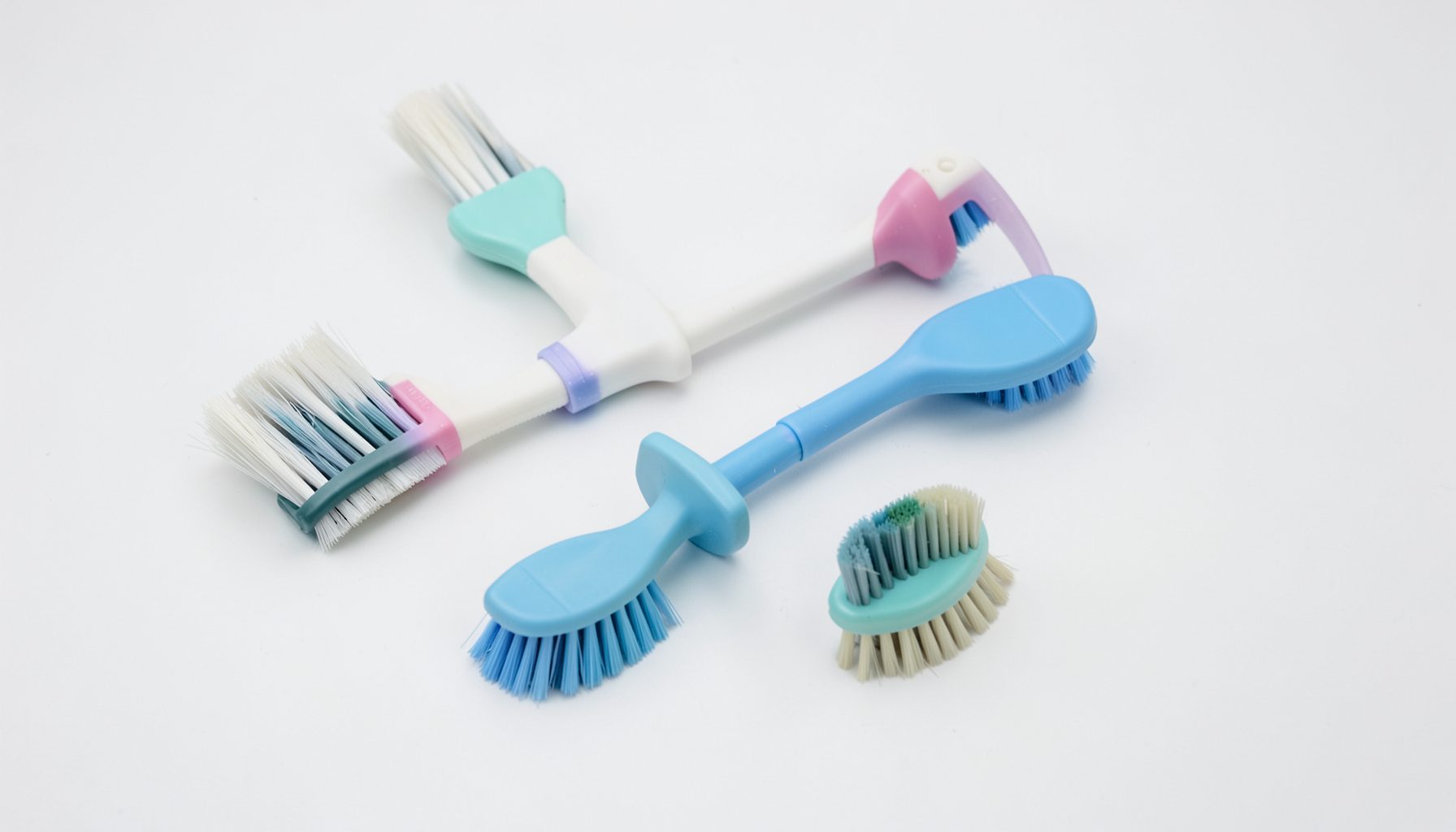
Switch nostrils and repeat. After use, rinse the bottle and let it air dry. Use ResQRinse Premium Cleaning Brushes for thorough cleaning.
Can Nasal Irrigation Reduce Reliance On Allergy Medication?
For many Australians, seasonal allergies are a recurring part of life. Grass pollen in Melbourne, flowering plants around Brisbane, dust in Adelaide, and airborne irritants in Sydney can all contribute to a blocked or runny nose. When symptoms return each year, it is common to reach for antihistamines, steroid nasal sprays, or decongestant products.
Nasal irrigation offers a practical way to wash mucus, pollen, dust, and other particles from the nasal passages. A well-designed rinse may ease congestion and improve nasal comfort, which can reduce how often some people feel they need symptom-relief medication. It does not cure allergies, and it should not replace prescribed treatment without medical advice.
The relationship between rinsing and medication use depends on the cause and severity of symptoms, the consistency of the routine, and safe technique. Understanding what irrigation can do helps people build a sensible approach to allergy management rather than treating it as a complete substitute for medical care.
Why Allergies Make Breathing Difficult
Allergic rhinitis occurs when the immune system reacts to otherwise harmless substances such as pollen, mould spores, dust mites, or pet dander. The nasal lining becomes inflamed and produces extra mucus. This can lead to sneezing, itching, a watery discharge, post-nasal drip, and the familiar feeling of having to breathe through the mouth.
During a high-pollen period, particles can remain on the nasal lining after outdoor activities, gardening, sport, or a commute through busy urban areas. A rinse physically helps remove these irritants. It also loosens thick mucus, allowing the nose to clear more effectively. For background on the brand and its approach to nasal care, ResQRinse’s background provides useful context.
Medication works differently. Antihistamines reduce the effect of histamine, while corticosteroid sprays calm inflammation over time. Irrigation does not block the allergic response throughout the body, but it may reduce the amount of allergen sitting inside the nose and ease the congestion that follows.
How Rinsing May Reduce Medication Reliance
A regular saline rinse can support allergy control in several ways. Removing pollen and mucus may reduce nasal blockage, improve drainage, and help the nose feel less irritated. Some people find that they can use an antihistamine less frequently during milder periods, or that they need fewer additional products to manage overnight congestion.
The benefit is usually greatest when irrigation is part of a wider plan. Someone with occasional hay fever may use a rinse after gardening or before bed during spring. A person with persistent allergic rhinitis may combine daily saline irrigation with a prescribed nasal spray. By clearing mucus first, irrigation can also help a medicated spray contact the nasal lining more evenly, although users should follow their clinician’s instructions.
Research generally supports saline irrigation as a useful add-on for nasal symptoms, but individual results vary. Reduced reliance should mean using medication only as needed or as advised, not abruptly stopping treatment. People with asthma, recurrent sinus infections, nasal polyps, or severe allergies may need a more structured management plan.
Medication And Irrigation Have Different Roles
Saline is not a decongestant drug, and it does not create the rebound congestion associated with overusing some medicated nasal sprays. It works through fluid movement and gentle cleansing rather than by narrowing blood vessels or changing the immune response. That makes it suitable for regular use for many people, provided the system and water are used correctly.
Antihistamines may still be important when sneezing, itching, watery eyes, or widespread allergy symptoms are prominent. Intranasal corticosteroids are often used for ongoing inflammation and may take several days to provide their full effect. Short-term decongestant sprays should be used strictly according to label directions because frequent or prolonged use can worsen blockage.
Anyone considering a major change to prescribed allergy medicine should speak with a GP, pharmacist, or allergy specialist. This is particularly important for children, pregnant people, people taking several medicines, and those whose symptoms interfere with sleep, work, school, or exercise.
Australian Allergy Patterns And Everyday Use
Australia’s allergy seasons differ between regions. Grass pollen can be a major issue in southern states during spring and early summer, while warmer climates may expose people to mould, dust, and plant allergens for longer periods. A resident of Canberra may notice a strong seasonal pattern, whereas someone in coastal Queensland may experience nasal symptoms at different times of year.
Local routines can also influence when rinsing is useful. A rinse after a dusty weekend in the garden, an afternoon at the MCG, a bushwalk near Perth, or time spent around dry inland roads may help remove particles before bed. In homes with air conditioning, regular cleaning of filters and reduction of indoor dust can complement nasal care.
Australian users should pay close attention to water safety. Use sterile or distilled water, or tap water that has been boiled and cooled according to Australian health guidance. Do not use untreated tank water, creek water, or ordinary water from an uncertain source in a nasal irrigation device. Saline packets formulated for irrigation are preferable to making a highly concentrated mixture by guesswork.
Choosing A Comfortable Rinse System
Comfort affects whether a person maintains a nasal irrigation routine. A squeeze-bottle system can provide controlled flow and may feel easier to handle than a traditional neti pot for people who prefer a more direct rinse. The bottle should be used gently, without excessive pressure, especially when the nose is very blocked or tender.
ResQRinse’s Nasal Lock design is intended to support a secure fit and help direct the rinse through the nasal passages. A comfortable seal can make the process less messy and easier to repeat. Children should use an age-appropriate system with adult supervision, and they should never be forced to continue if they feel pain or distress.
A rinse should feel like a mild cleansing flow rather than sharp pressure in the ears or face. Leaning over a sink, breathing through the mouth, and keeping the head slightly forward can help fluid pass through the nose without running into the throat. Stop if there is significant pain, ear pressure, bleeding, or worsening symptoms.
A Simple Routine For Allergy Seasons
Consistency often matters more than using a large amount of saline at once. The ideal timing depends on symptoms and personal preference, but many people find an evening rinse useful after outdoor exposure. Others prefer rinsing in the morning before using a prescribed nasal spray. Follow product instructions for the correct saline volume and cleaning process.
Keep the bottle clean and fully dry between uses. Rinse and wash it as directed, then allow air to circulate through the parts. Advice on the best drying method can help reduce moisture left inside the bottle, where contamination may become a concern.
A replaceable or reusable system should also be inspected regularly for cracks, cloudiness, residue, or worn components. Do not share a nasal irrigation bottle, even within a family. Saline packets should remain sealed and should be mixed exactly as directed.
Helpful Habits And Safety Checks
Small habits can make rinsing easier to maintain and may improve the chance of reducing unnecessary allergy medicine use. The following practices fit well into an Australian allergy routine:
- Rinse after high-pollen outdoor activities or dusty household tasks.
- Keep windows closed during local high-pollen periods when practical.
- Wash face, hair, and clothing after extended time outdoors.
- Track symptoms alongside medication use for several weeks.
Safe preparation is equally important. A simple checklist can prevent common mistakes:
- Use sterile, distilled, or correctly boiled and cooled water.
- Prepare fresh saline according to the packet instructions.
- Wash and dry every bottle component after use.
- Stop and seek advice if pain, bleeding, fever, or ear pressure develops.
Recognising When Medical Advice Matters
Nasal irrigation is generally a supportive measure, but persistent symptoms deserve proper assessment. Blockage on one side, repeated nosebleeds, facial swelling, fever, reduced sense of smell, or thick discharge that does not improve may point to a condition other than straightforward hay fever. A GP can assess for sinusitis, nasal polyps, structural problems, infection, or another cause.
Medication needs can also change over time. A person who previously managed spring allergies with occasional tablets may require a different approach after developing year-round symptoms. Conversely, someone whose symptoms have settled may be able to reduce treatment under professional guidance. Keeping a record of rinses, triggers, sleep quality, and medicines can make that discussion more useful.
The goal is comfortable, effective control with the least unnecessary treatment, not avoidance of every medicine. Used safely, nasal irrigation can remove allergens, support clearer breathing, and form a practical part of a personalised allergy plan.
Choose an irrigation system that suits your routine, prepare it with safe water, and use it consistently during periods of congestion or pollen exposure. If you are considering reducing allergy medication, speak with a pharmacist or healthcare professional while continuing to follow prescribed directions. Explore ResQRinse products, saline options, and cleaning accessories through the brand’s authorised online retail channels to create a nasal care routine that fits everyday life in Australia.