ResQRinse is the nasal irrigation squeeze bottle that eliminates head-tilting and awkward neck positions. Using proprietary Nasal Lock™ technology, it delivers a comfortable, gag-free sinus cleanse — no more saline dripping down your throat.

Relief From Fall Sneezes
Now sold on Walmart.com. Free shipping on orders $30+. Try ResQRinse today with your everyday purchases.
Shop at WalmartWhy ResQRinse?
Nasal rinsing helps relieve congestion from colds, allergies, sinusitis, hay fever, and environmental pollutants. ResQRinse makes it comfortable enough to become a daily habit.
Nasal Lock™ Technology
Isolates sinuses from the throat using natural choanal occlusion — like inflating a balloon — so saline stays where it belongs.
Learn more →
Drug-Free Relief
Uses premixed saline packets with distilled water. No medications, no preservatives — just a natural cleanse for your nasal passages.
How to rinse →
For Kids Too
ResQRinse for Kids features a comfort nasal tip right-sized for smaller nostril openings, making rinsing gentle and easy for children.
Shop kids' version →
Breath-Controlled Flow
You control the saline flow with your own breath pressure — high volume, low pressure irrigation that's comfortable and effective.
Watch how-to videos →
Better Compliance
Designed to overcome the gagging and discomfort that cause people to abandon traditional neti pots and nasal rinse systems.
Our story →
Complete Kits Available
From the basic ResQRinse Nasal Rinse System ($19.99) to 90-day complete kits, saline packets, cleaning brushes, and Sinoptim Nasal Mist.
Browse all products →Get Started with ResQRinse
Ready to experience a better nasal rinse? Fill out the form below and we'll help you find the right product — or follow the simple steps to begin rinsing today.
Request More Information
How to Use ResQRinse
Fill the Bottle
Fill the ResQRinse squeeze bottle with distilled or previously boiled water and add one premixed saline packet.
Position the Tip
Place the comfort tip gently against one nostril. No head-tilting or awkward neck angles needed.
Squeeze & Breathe
Squeeze the bottle gently while breathing through your mouth. Nasal Lock™ keeps saline in your nasal passages and out of your throat.
Repeat & Clean
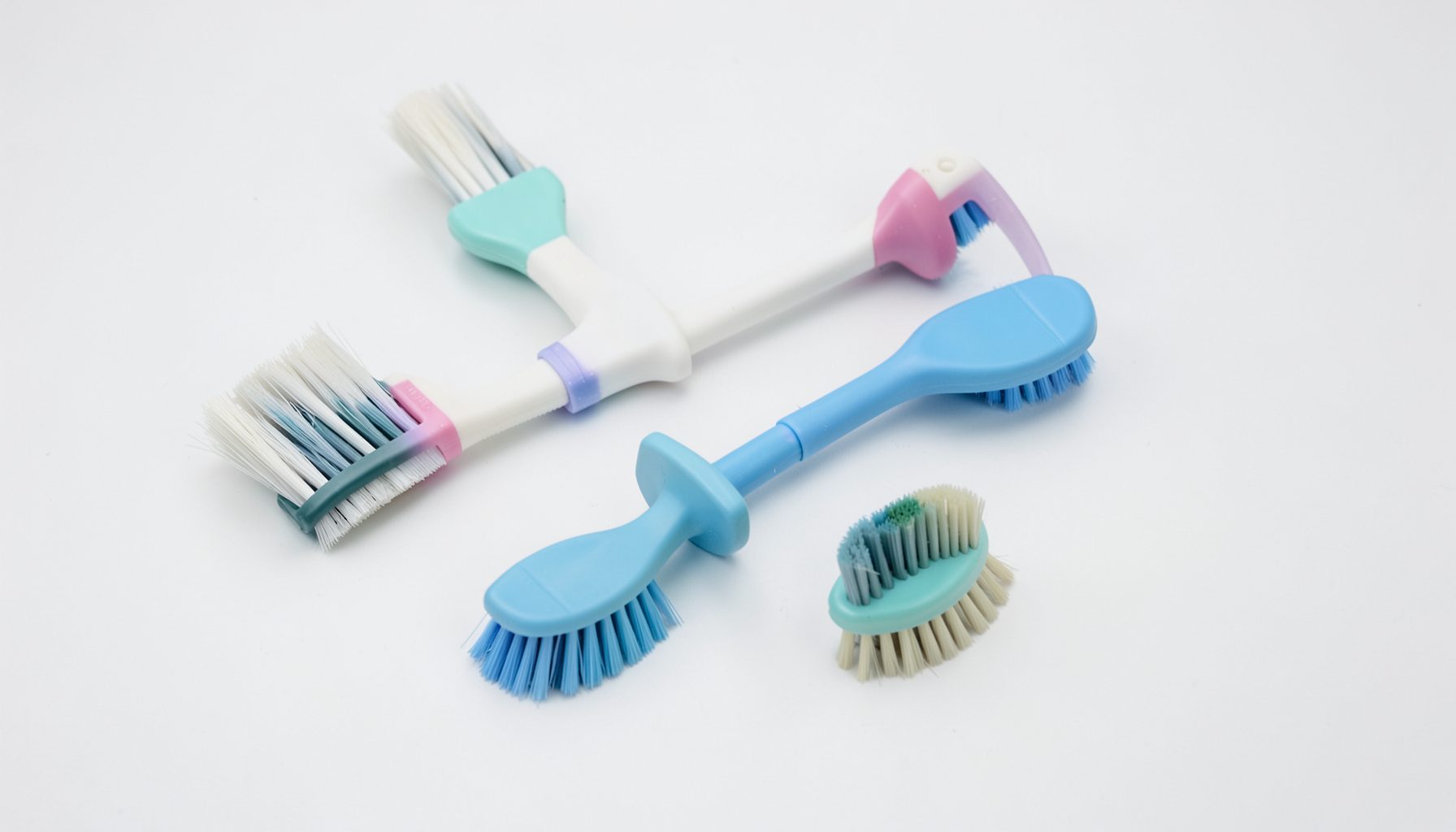
Switch nostrils and repeat. After use, rinse the bottle and let it air dry. Use ResQRinse Premium Cleaning Brushes for thorough cleaning.
How To Dry A Squeeze Bottle Without Creating Odours
A nasal rinse bottle can look clean after washing and still develop a stale or musty smell. Small amounts of water may remain inside the cap, nozzle, threads and flexible bottle, where warmth and poor airflow allow residue to linger. The issue is especially noticeable when the bottle is stored closed immediately after use.
The best drying routine is simple: rinse every component thoroughly, shake out trapped droplets, separate the parts and let them dry in moving air. For Australian households dealing with Brisbane humidity, Melbourne’s cooler winter weather or dusty summer conditions in Adelaide, a little extra attention can keep a squeeze-bottle irrigation system fresher between uses.
Why Nasal Rinse Bottles Develop Odours
Odours usually come from moisture mixed with saline residue, mucus or traces of tap water. A bottle may appear empty while a thin film remains around the opening or inside the cap. If it is sealed before that moisture evaporates, the enclosed space stays damp for hours.
The flexible plastic can also retain droplets in folds and seams. The nozzle and cap are frequent problem areas because their narrow channels restrict ventilation. A quick rinse alone may remove visible residue but will not necessarily dry these hidden surfaces.
A smell does not automatically mean the bottle is unsafe, but it is a clear reason to stop using it until it has been washed and dried properly. If the odour remains after cleaning, replacing the affected part is usually more sensible than trying to disguise it with scented products.
Rinse Every Part Straight Away
Wash the bottle as soon as possible after each nasal irrigation session. Empty the remaining saline, rinse the bottle with clean water, and squeeze it several times so water passes through the nozzle and internal channel. This helps remove salt deposits before they dry and become harder to shift.
Take apart the cap, nozzle and any removable pieces according to the product instructions. Rinse each component separately, paying attention to screw threads, seals and the area beneath the cap. A soft cleaning brush can help reach narrow sections without scratching the plastic.
Use water that is suitable for nasal irrigation when preparing the next solution, following the product directions and local health advice. Cleaning water and irrigation water serve different purposes: washing removes residue, while the water used in the saline mixture must be appropriately safe for nasal use.
Use Airflow Instead Of Trapping Heat
After washing, shake the bottle firmly with the opening facing down. Give the cap and nozzle a few gentle taps against a clean towel to dislodge droplets, then leave every piece separated. Do not screw the lid back on while any component is visibly wet.
Place the bottle upside down on a clean, well-ventilated drying rack. The opening should not be pressed flat against a bench, because that can block airflow and trap water inside. A dish rack is often better than a closed cupboard, provided the area is protected from splashes, food particles and household dust.
Allow the parts to air-dry completely before reassembly. A fan can improve circulation in a humid home, but avoid high heat from a hairdryer or heater. Excessive heat may distort soft plastic, weaken seals or make the bottle less comfortable to squeeze.
Store The Bottle With Room To Breathe
Once dry, keep the bottle uncapped or loosely assembled until the next use. Storing the nozzle and cap beside the bottle can improve airflow and makes it easier to see whether moisture remains. If the product design requires the parts to stay together, leave the cap in a position that does not create an airtight seal.
Choose a clean, dry location away from the shower, sink splash and direct sunlight. In a Sydney bathroom, steam from hot showers can undo careful drying, while in Brisbane’s humid climate a closed cabinet may keep moisture trapped for longer. A shaded shelf in a bedroom or linen cupboard may provide better conditions.
Avoid placing the bottle in a sealed plastic bag for routine storage. Travel cases are useful when moving between home, work or holidays, but the bottle should be fully dry before going into one. Open the case when you arrive and let the equipment breathe.
Clean Carefully Without Adding Irritants
Follow the manufacturer’s cleaning instructions rather than using bleach, disinfectant, perfume or essential oils unless the instructions specifically approve them. These substances can leave residues that irritate the nose, damage plastic or create a new smell that is difficult to remove.
Do not use products designed for unrelated skin problems inside a nasal irrigation bottle. For example, nail fungus treatments belong on the areas stated on their labels, not in equipment used for nasal care. A rinse bottle needs thorough washing with suitable materials, not cosmetic or medicated additives.
If there is visible buildup, use a clean, soft brush where permitted and rinse repeatedly afterwards. Never share a personal nasal rinse bottle, even within the same family. Children’s systems require the same separation of parts and drying routine, with an adult checking that the equipment is clean before storage.
Match Your Routine To Australian Conditions
Australian tap water quality and household plumbing can vary by location, so follow the directions supplied with the rinse system and use sterile, distilled or appropriately boiled and cooled water for the saline solution when required. The water used for mixing should never be assumed safe for nasal irrigation simply because it is safe to drink.
In Melbourne, a cool bathroom may slow evaporation during winter. In Perth or Adelaide, dry air may help the outside dry quickly while droplets remain inside the cap. In tropical North Queensland, stronger ventilation and a longer drying period can be useful. These local differences make visual inspection important rather than relying on a fixed drying time.
People who shop locally may find nasal irrigation products through an Australian pharmacy, a medical supply retailer or an online marketplace. ResQRinse products, including squeeze bottles, saline packets and nasal mist, may also be available through the brand’s listed online channels; check ResQRinse information for product-specific instructions and availability.
Know When To Replace The Bottle
A bottle should be replaced if it remains odorous after a full wash and complete air-dry, or if the plastic becomes cloudy, cracked, sticky or difficult to clean. Scratches and worn seals can create places where residue accumulates. A damaged nozzle may also affect the flow and comfort of the rinse.
Replace disposable or limited-life parts according to the manufacturer’s schedule rather than extending their use indefinitely. A fresh saline packet should be used whenever required, and leftover solution should not be stored for another session unless the instructions expressly allow it.
If you take prescription medicines or have a condition affecting your nose, sinuses or immune system, ask a pharmacist or doctor about safe nasal irrigation practices. People using medicines such as clopidogrel should rely on their healthcare professional for clopidogrel dosage information, rather than changing medication or assuming that a nasal rinse can address treatment-related symptoms.
Pair Drying With Safe Nasal Care
Drying prevents lingering moisture and odours, but it is only one part of a good routine. Prepare saline exactly as directed, use the correct water, check the bottle before each use and stop if the equipment looks damaged. The Nasal Lock technology in compatible ResQRinse systems is designed to support a controlled, comfortable rinse, but it does not replace cleaning and drying.
Persistent congestion, facial pain, fever, repeated nosebleeds or symptoms that do not settle should be discussed with a healthcare professional. Post-nasal drainage can sometimes contribute to an ongoing cough; the guidance on sinus rinsing for cough explains how that symptom may relate to nasal mucus, while recognising that a persistent cough can have other causes.
A fresh-smelling bottle should have no strong chemical, sour or musty odour. If it does, take it out of use, clean all components, dry them separately and replace the bottle or affected accessories when necessary.
Make the habit easy by rinsing the bottle immediately, separating the parts, shaking out hidden droplets and leaving everything open on a clean rack. Shop for a suitable ResQRinse system, saline refill or cleaning accessory through the brand’s available Australian purchasing channels, and build complete air-drying into every nasal care routine.