ResQRinse is the nasal irrigation squeeze bottle that eliminates head-tilting and awkward neck positions. Using proprietary Nasal Lock™ technology, it delivers a comfortable, gag-free sinus cleanse — no more saline dripping down your throat.

Relief From Fall Sneezes
Now sold on Walmart.com. Free shipping on orders $30+. Try ResQRinse today with your everyday purchases.
Shop at WalmartWhy ResQRinse?
Nasal rinsing helps relieve congestion from colds, allergies, sinusitis, hay fever, and environmental pollutants. ResQRinse makes it comfortable enough to become a daily habit.
Nasal Lock™ Technology
Isolates sinuses from the throat using natural choanal occlusion — like inflating a balloon — so saline stays where it belongs.
Learn more →
Drug-Free Relief
Uses premixed saline packets with distilled water. No medications, no preservatives — just a natural cleanse for your nasal passages.
How to rinse →
For Kids Too
ResQRinse for Kids features a comfort nasal tip right-sized for smaller nostril openings, making rinsing gentle and easy for children.
Shop kids' version →
Breath-Controlled Flow
You control the saline flow with your own breath pressure — high volume, low pressure irrigation that's comfortable and effective.
Watch how-to videos →
Better Compliance
Designed to overcome the gagging and discomfort that cause people to abandon traditional neti pots and nasal rinse systems.
Our story →
Complete Kits Available
From the basic ResQRinse Nasal Rinse System ($19.99) to 90-day complete kits, saline packets, cleaning brushes, and Sinoptim Nasal Mist.
Browse all products →Get Started with ResQRinse
Ready to experience a better nasal rinse? Fill out the form below and we'll help you find the right product — or follow the simple steps to begin rinsing today.
Request More Information
How to Use ResQRinse
Fill the Bottle
Fill the ResQRinse squeeze bottle with distilled or previously boiled water and add one premixed saline packet.
Position the Tip
Place the comfort tip gently against one nostril. No head-tilting or awkward neck angles needed.
Squeeze & Breathe
Squeeze the bottle gently while breathing through your mouth. Nasal Lock™ keeps saline in your nasal passages and out of your throat.
Repeat & Clean
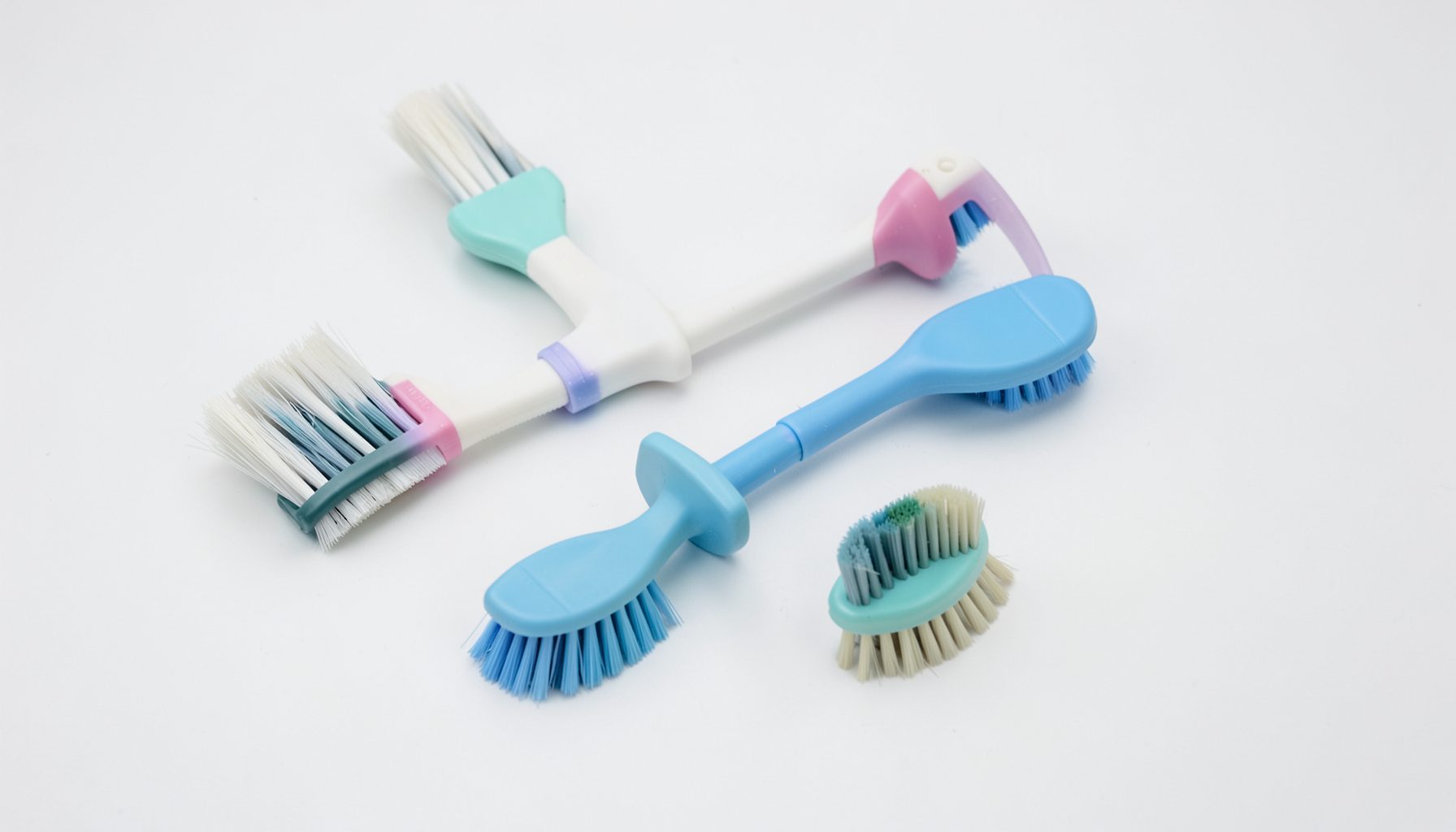
Switch nostrils and repeat. After use, rinse the bottle and let it air dry. Use ResQRinse Premium Cleaning Brushes for thorough cleaning.
When to Replace Your Squeeze Bottle Cap
A squeeze bottle cap is a small part of a nasal irrigation system, but it plays an important role in hygiene, comfort, and flow control. It helps keep the saline solution contained, supports a secure fit against the nostril, and directs the rinse where it needs to go.
The best replacement time is before the cap becomes visibly damaged or difficult to clean. A cap may look usable while developing tiny cracks, a loose seal, mineral buildup, or residue around the nozzle. These changes can affect the rinse experience and make proper cleaning more difficult.
There is no single replacement date that fits every household. Frequency of use, water quality, cleaning habits, storage conditions, and the cap’s material all influence its useful life. A person using a bottle several times a day may need a replacement sooner than someone who rinses occasionally.
Why The Cap Deserves Regular Attention
The cap is exposed to saline, moisture, handling, and contact with the bottle opening each time the system is used. Salt crystals can collect around the nozzle or threads, especially when the cap is not rinsed thoroughly after use. Over time, dried solution may leave a rough surface or interfere with the seal.
A compromised cap can also change how the solution flows. A loose or distorted opening may cause dribbling, spraying, or uneven pressure. That can make nasal irrigation less comfortable and may discourage consistent use when a rinse is needed for congestion, allergies, or sinus symptoms.
Cleanliness matters as much as appearance. A cap that stays damp inside a closed bottle can retain moisture and residue. Rinsing the cap with safe water, washing it according to the product directions, and allowing it to dry completely can help extend its service life, but cleaning cannot restore a cap that is cracked or misshapen.
Signs It Is Time For A New Cap
Inspect the cap after washing and before the next use. Look closely at the nozzle, threads, sealing surfaces, and any soft or flexible sections. A bright, well-lit area makes small defects easier to identify.
Replace the cap promptly if you notice a split, pinhole, warped edge, discoloration that does not wash away, or a nozzle that no longer holds its shape. A cap that feels unusually soft, brittle, sticky, or loose should also be treated as worn. These signs indicate that the material or fit may no longer be reliable.
A persistent odor or residue is another reason to stop using the cap until it has been replaced. Do not try to scrape the inside of the nozzle with a sharp object, since this can damage the surface and create small grooves that are harder to clean. If the cap cannot be cleaned using the recommended method, replacement is the safer choice.
How Usage Changes Replacement Timing
For someone who uses a squeeze bottle every day, checking the cap weekly is sensible. A heavily used cap may need replacement every few months, particularly when it is handled frequently, exposed to hard water, or stored while still damp. The calendar is a helpful reminder, but its condition should guide the final decision.
Occasional users may go longer between replacements, provided the cap remains intact, cleanable, and properly fitted. However, infrequent use can create its own issue if the bottle is stored with moisture trapped inside. Before using it again, wash the components as directed, inspect them, and confirm that the cap has no residue or damage.
Use the product’s packaging and care instructions as the primary authority, since different materials and designs have different service expectations. ResQRinse offers nasal rinse systems designed for comfortable irrigation, and the specific care guidance for the model should take priority over a general calendar rule.
Replacement Timing At A Glance
The following guide can help organize routine checks. It is not a substitute for inspecting the cap or following the manufacturer’s instructions.
| Situation | What To Do | Reason |
|---|---|---|
| First sign of a crack, split, or hole | Replace immediately | Damage can affect hygiene and the seal |
| Loose fit or leaking during use | Stop using and replace | The cap may no longer direct solution correctly |
| Residue or odor that remains after cleaning | Replace promptly | The surface may be difficult to clean effectively |
| Daily or frequent use | Inspect weekly and consider a periodic replacement schedule | Repeated handling and saline exposure increase wear |
| Occasional use | Inspect before every use and store completely dry | Long storage can allow residue or moisture to remain |
| Cap appears intact and cleans easily | Continue using while monitoring it | There may be no need to replace a sound component early |
Cleaning And Storage Habits That Extend Its Life
Use only the type of water recommended for nasal irrigation. In general, nasal rinses should be made with distilled or sterile water, or tap water that has been boiled and cooled according to public health guidance. Water safety applies to the solution itself and does not remove the need to clean the bottle and cap.
After use, empty leftover saline rather than storing it in the bottle. Rinse and wash the cap as directed, paying attention to the nozzle and threaded areas. A cleaning brush can be useful for compatible components, but it should not be forced through a narrow opening or used in a way that scratches the plastic.
Allow the cap and bottle to air-dry fully in a clean location before reassembling or storing them. Keeping the cap loosely placed, when the product instructions allow it, can improve airflow. Avoid sharing a nasal rinse system, and replace components that cannot be cleaned thoroughly.
Saline Quality And Cap Wear
The solution used in a squeeze bottle can influence how quickly residue builds up. Correctly mixed saline generally leaves less undissolved material than a poorly measured homemade mixture. For a clear explanation of formulation differences, see how saline packets compare.
Always mix packets according to their directions and use the recommended amount of water. A solution that is too concentrated may feel irritating, while one that is too weak may be uncomfortable and provide less suitable nasal hydration. Neither problem is solved by changing the cap, so correct preparation should be part of the routine.
If a bottle is used during a period of recurring congestion or sinus symptoms, it may be tempting to keep using the same components indefinitely. Pay attention to the cap as well as the symptoms. Ongoing or repeated problems deserve medical attention; information about recurring sinus infections can help explain why symptoms may return and when professional advice may be appropriate.
A Simple Cap Replacement Routine
A short inspection routine can prevent most unpleasant surprises. Check the cap before filling the bottle, then look at it again after cleaning. Confirm that it fits firmly, the nozzle is open and unobstructed, and no moisture or residue is trapped in hard-to-reach areas.
Keep a spare compatible cap available if nasal irrigation is part of your regular allergy or congestion care. A backup can be useful when the original is lost, damaged, or still drying. Only use replacement parts designed for the bottle, since an apparently similar cap may not create the intended seal or flow pattern.
Use these practical reminders:
- Inspect the cap weekly when the bottle is used frequently.
- Replace it immediately after cracks, warping, leaks, persistent odor, or difficult-to-remove residue appear.
- Wash and air-dry the cap after every use, following the product’s care instructions.
- Treat a three-to-six-month check as a reminder for frequent use, not as a guarantee that the cap is still suitable.
- Follow the manufacturer’s replacement and cleaning guidance whenever it differs from general advice.
A well-maintained cap supports a cleaner, more predictable rinse, but it is only one part of safe nasal irrigation. Replace worn components, prepare saline correctly, use appropriate water, and stop if the process causes significant pain, bleeding, or worsening symptoms.
Keep your squeeze bottle and cap in good condition so relief is available when congestion or allergy symptoms interfere with daily life. Review the care directions for your ResQRinse system, inspect the cap before your next rinse, and replace it as soon as its fit, cleanliness, or condition is no longer dependable.