ResQRinse is the nasal irrigation squeeze bottle that eliminates head-tilting and awkward neck positions. Using proprietary Nasal Lock™ technology, it delivers a comfortable, gag-free sinus cleanse — no more saline dripping down your throat.

Relief From Fall Sneezes
Now sold on Walmart.com. Free shipping on orders $30+. Try ResQRinse today with your everyday purchases.
Shop at WalmartWhy ResQRinse?
Nasal rinsing helps relieve congestion from colds, allergies, sinusitis, hay fever, and environmental pollutants. ResQRinse makes it comfortable enough to become a daily habit.
Nasal Lock™ Technology
Isolates sinuses from the throat using natural choanal occlusion — like inflating a balloon — so saline stays where it belongs.
Learn more →
Drug-Free Relief
Uses premixed saline packets with distilled water. No medications, no preservatives — just a natural cleanse for your nasal passages.
How to rinse →
For Kids Too
ResQRinse for Kids features a comfort nasal tip right-sized for smaller nostril openings, making rinsing gentle and easy for children.
Shop kids' version →
Breath-Controlled Flow
You control the saline flow with your own breath pressure — high volume, low pressure irrigation that's comfortable and effective.
Watch how-to videos →
Better Compliance
Designed to overcome the gagging and discomfort that cause people to abandon traditional neti pots and nasal rinse systems.
Our story →
Complete Kits Available
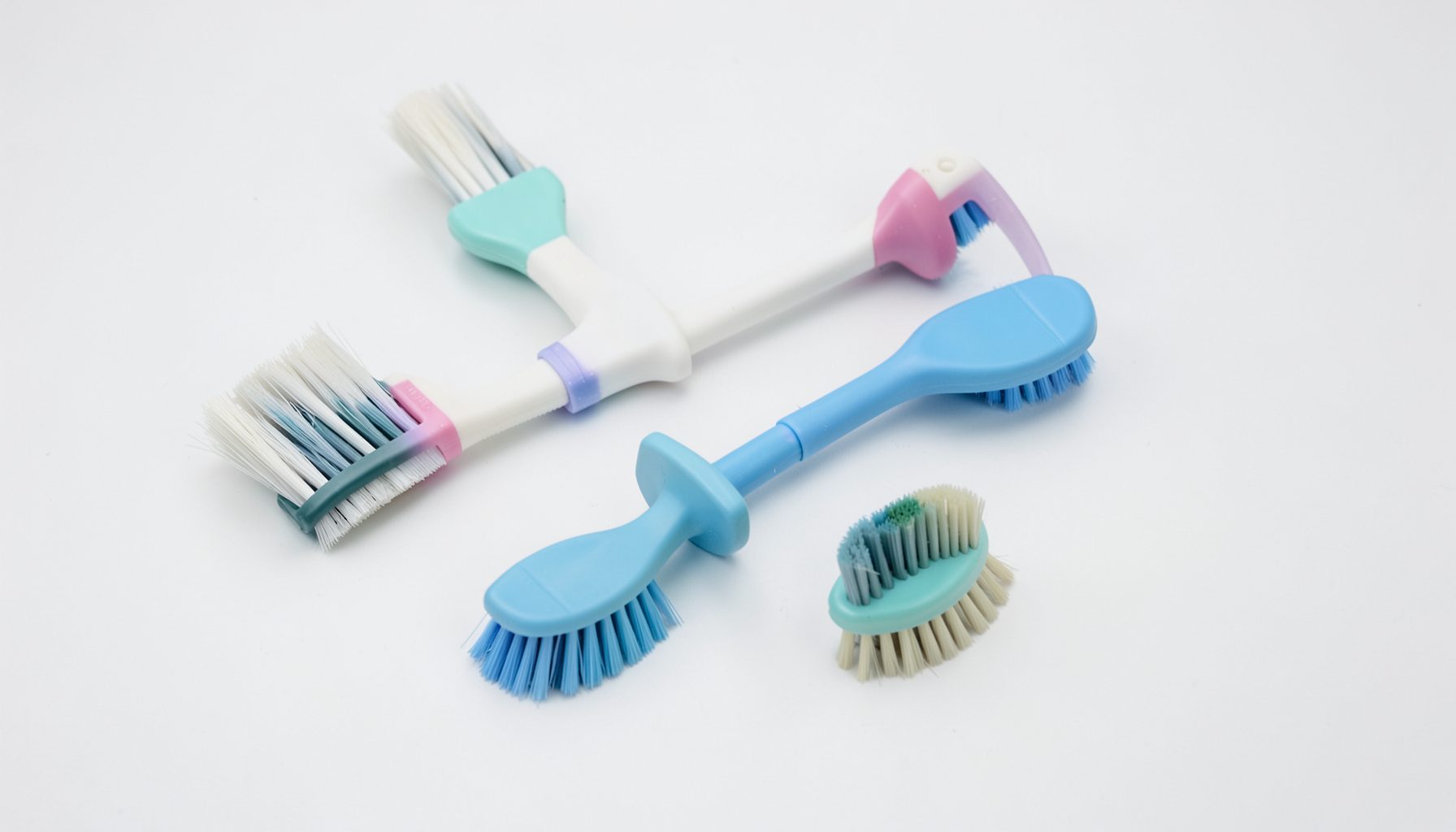
From the basic ResQRinse Nasal Rinse System ($19.99) to 90-day complete kits, saline packets, cleaning brushes, and Sinoptim Nasal Mist.
Browse all products →Get Started with ResQRinse
Ready to experience a better nasal rinse? Fill out the form below and we'll help you find the right product — or follow the simple steps to begin rinsing today.
Request More Information
How to Use ResQRinse
Fill the Bottle
Fill the ResQRinse squeeze bottle with distilled or previously boiled water and add one premixed saline packet.
Position the Tip
Place the comfort tip gently against one nostril. No head-tilting or awkward neck angles needed.
Squeeze & Breathe
Squeeze the bottle gently while breathing through your mouth. Nasal Lock™ keeps saline in your nasal passages and out of your throat.
Repeat & Clean
Switch nostrils and repeat. After use, rinse the bottle and let it air dry. Use ResQRinse Premium Cleaning Brushes for thorough cleaning.
Why pre-wetting your sinuses boosts nasal spray results
Australians spend billions each year on over-the-counter nasal sprays to tackle hay fever, sinusitis, and the lingering congestion that comes with winter colds. From pharmacy chains like TerryWhite and Chemist Warehouse to the antihistamine aisles at Coles, relief options are everywhere. Yet many people spray medication into dry, irritated passages and wonder why results feel inconsistent or short-lived. The missing step often happens before the bottle even comes out of the bag, and understanding the role of moisture can change the effectiveness of every treatment that follows.
Pre-wetting the nasal lining with a gentle saline rinse transforms how well medicated sprays perform. By clearing away mucus crusts, allergens, and inflammatory debris, the rinse creates a clean, hydrated surface where active ingredients can settle and absorb properly. In a country where pollen counts spike in spring and air conditioning runs through long summers, this small adjustment can make a measurable difference in daily comfort. It also complements other healthy habits, from staying hydrated during heatwaves to using humidifiers during the cooler months inland.
The problem with dry nasal passages
When the delicate mucosa inside the nose loses moisture, it becomes a less effective environment for medication. Dry tissue swells unevenly, develops micro-cracks, and produces thicker mucus that blocks spray droplets from reaching the deeper sinus openings. In cities like Sydney and Brisbane, where office buildings run air conditioning for months on end, many workers notice a persistent dry feeling that no over-the-counter spray seems to fix. Indoor heating in Canberra during winter produces a similar effect, leaving the nose parched by morning.
The issue worsens during seasonal transitions. In Melbourne, spring brings high grass pollen counts that trigger histamine reactions and leave the lining raw and inflamed. Without adequate moisture, the nose struggles to trap and clear new allergens, creating a cycle of irritation that peaks in October and November. Adelaide residents often face similar challenges during dry summer heat, while those in Hobart deal with cold, dry winter air that chap the nasal membranes just as badly. Each climate zone in Australia presents its own version of the same underlying problem: moisture loss that undermines both comfort and treatment.
How saline pre-wetting enhances spray delivery
A saline rinse works on several levels. The isotonic solution matches the body's natural salt concentration, which means it hydrates without stinging. As the fluid passes through the nasal cavity, it loosens dried mucus, washes out trapped particles, and supports the cilia, the tiny hair-like structures that sweep debris toward the throat. Once these cilia move freely again, the mucosal blanket can do its job of filtering and humidifying incoming air more efficiently.
With the surface clean and damp, a follow-up medicated spray behaves differently. Corticosteroid or antihistamine formulations reach the tissue more evenly, and the reduced barrier of crusty buildup means the active compounds linger where they are needed. Studies on nasal drug delivery consistently show that hydrated mucosa improves absorption rates compared to dry, inflamed tissue, which is why allergy specialists in Australia often recommend rinsing before prescribed sprays. The rinse also reduces the amount of medication wasted on runoff, meaning a single dose goes further and works faster.
Timing and conditions for pre-wetting across Australia
The best moments to pre-wet vary by region and lifestyle. In Perth, where summer afternoons are hot and dry, a morning rinse after showering helps counteract overnight moisture loss. In tropical Darwin, humidity is high, but air-conditioned homes and cars still strip moisture from the nose, so a midday rinse can be useful. For Sydney commuters, rinsing after the train ride removes accumulated pollution and prepares the nose for evening medication. Gardeners in Adelaide and weekend bushwalkers in the Blue Mountains also benefit from rinsing soon after coming indoors, when pollen and dust are still sitting on the lining.
Spring demands extra attention, especially in the southern capitals. Canberra and Melbourne frequently record extreme pollen counts during October and November, often triggering thunderstorm asthma events that hospitalise thousands. A quick saline rinse after coming indoors, followed by a prescribed nasal spray, helps remove residual grass pollen before it can cause overnight symptoms. For those managing chronic sinus issues, exploring reliable online pharmacy options for prescription antihistamines and related medications can complement a daily rinsing routine, though the rinse itself remains the foundation that makes everything else work better.
Building a consistent sinus care routine
Consistency turns a good habit into lasting relief. A simple morning sequence works for most Australians: rinse with saline, gently blow the nose to clear loosened debris, wait five to ten minutes for the lining to settle, then apply the medicated spray. The short pause prevents dilution of the active ingredients while ensuring the surface is ready to absorb them. Evening routines follow a similar pattern, particularly for people who wake with congestion or struggle with post-nasal drip during the night.
Children and teenagers often need shorter rinse times and gentler pressure, which is why many parents in Melbourne and Brisbane start with a children's rinse kit before moving to a standard system. When a cold or flu strikes, the routine may need adjustment. Congestion often thickens mucus, and the nose can feel blocked even after rinsing. In those cases, using a rinse before bed helps reduce post-nasal drip that causes coughing through the night. For more detailed guidance on managing these acute situations, including specific steps on how to rinse your nose when you have a sore throat, the resource page offers practical adjustments that keep the practice comfortable during illness.
Comparing pre-wetting techniques and tools
Not all rinsing methods work the same way. Traditional neti pots rely on gravity and head tilting, which can feel awkward for first-time users and may not reach the upper sinuses effectively. Squeeze-bottle systems offer more control over flow rate and pressure, making them easier for children and adults who prefer a steady stream. Ultrasonic mist devices deliver fine droplets that hydrate without flooding the cavity, though they are less effective at clearing heavy congestion caused by a winter cold.
The choice depends on personal preference and specific symptoms. Those with narrow passages or frequent crusting often prefer a gentle squeeze bottle with isotonic saline packets, while people seeking quick hydration between meetings might opt for a portable mist. Cost and availability matter too, particularly for families buying in bulk. Squeeze bottles and disposable saline packets are widely stocked at major Australian pharmacies, and complete kits can be ordered online for home delivery, making it easy to stick with a routine regardless of where someone lives.
Supporting long-term sinus health across seasons
Year-round care adapts to the calendar. During Australian summer, staying hydrated and using rinses after swimming in chlorinated pools prevents chemical irritation that often affects keen swimmers in Bondi or the Gold Coast. Autumn brings mould spores in the eastern states, when a nightly rinse can clear spores before they trigger congestion. Winter dry air calls for richer saline concentrations or shorter intervals between rinses, while spring demands the most disciplined approach given the pollen load and the risk of thunderstorm asthma in inland Victoria and New South Wales.
Pairing pre-wetting with other strategies strengthens results. Drinking plenty of water, using a humidifier in dry climates, and avoiding known irritants like cigarette smoke all support the mucosa. When symptoms persist beyond a few weeks, a visit to a general practitioner under Medicare can identify whether prescription treatment is needed, ensuring that the pre-wetting routine works alongside professional care rather than replacing it.
Building a routine that actually works starts with the right preparation. Exploring the ResQRinse blog reveals more practical guides on integrating these steps into daily life, from travel tips to seasonal checklists tailored to Australian conditions. The squeeze-bottle systems, children's versions, and saline kits are available through Amazon, making it easy to start a routine that supports better breathing through every season. With the right preparation, each medicated spray can finally do the job it was designed to do.