ResQRinse is the nasal irrigation squeeze bottle that eliminates head-tilting and awkward neck positions. Using proprietary Nasal Lock™ technology, it delivers a comfortable, gag-free sinus cleanse — no more saline dripping down your throat.

Relief From Fall Sneezes
Now sold on Walmart.com. Free shipping on orders $30+. Try ResQRinse today with your everyday purchases.
Shop at WalmartWhy ResQRinse?
Nasal rinsing helps relieve congestion from colds, allergies, sinusitis, hay fever, and environmental pollutants. ResQRinse makes it comfortable enough to become a daily habit.
Nasal Lock™ Technology
Isolates sinuses from the throat using natural choanal occlusion — like inflating a balloon — so saline stays where it belongs.
Learn more →
Drug-Free Relief
Uses premixed saline packets with distilled water. No medications, no preservatives — just a natural cleanse for your nasal passages.
How to rinse →
For Kids Too
ResQRinse for Kids features a comfort nasal tip right-sized for smaller nostril openings, making rinsing gentle and easy for children.
Shop kids' version →
Breath-Controlled Flow
You control the saline flow with your own breath pressure — high volume, low pressure irrigation that's comfortable and effective.
Watch how-to videos →
Better Compliance
Designed to overcome the gagging and discomfort that cause people to abandon traditional neti pots and nasal rinse systems.
Our story →
Complete Kits Available
From the basic ResQRinse Nasal Rinse System ($19.99) to 90-day complete kits, saline packets, cleaning brushes, and Sinoptim Nasal Mist.
Browse all products →Get Started with ResQRinse
Ready to experience a better nasal rinse? Fill out the form below and we'll help you find the right product — or follow the simple steps to begin rinsing today.
Request More Information
How to Use ResQRinse
Fill the Bottle
Fill the ResQRinse squeeze bottle with distilled or previously boiled water and add one premixed saline packet.
Position the Tip
Place the comfort tip gently against one nostril. No head-tilting or awkward neck angles needed.
Squeeze & Breathe
Squeeze the bottle gently while breathing through your mouth. Nasal Lock™ keeps saline in your nasal passages and out of your throat.
Repeat & Clean
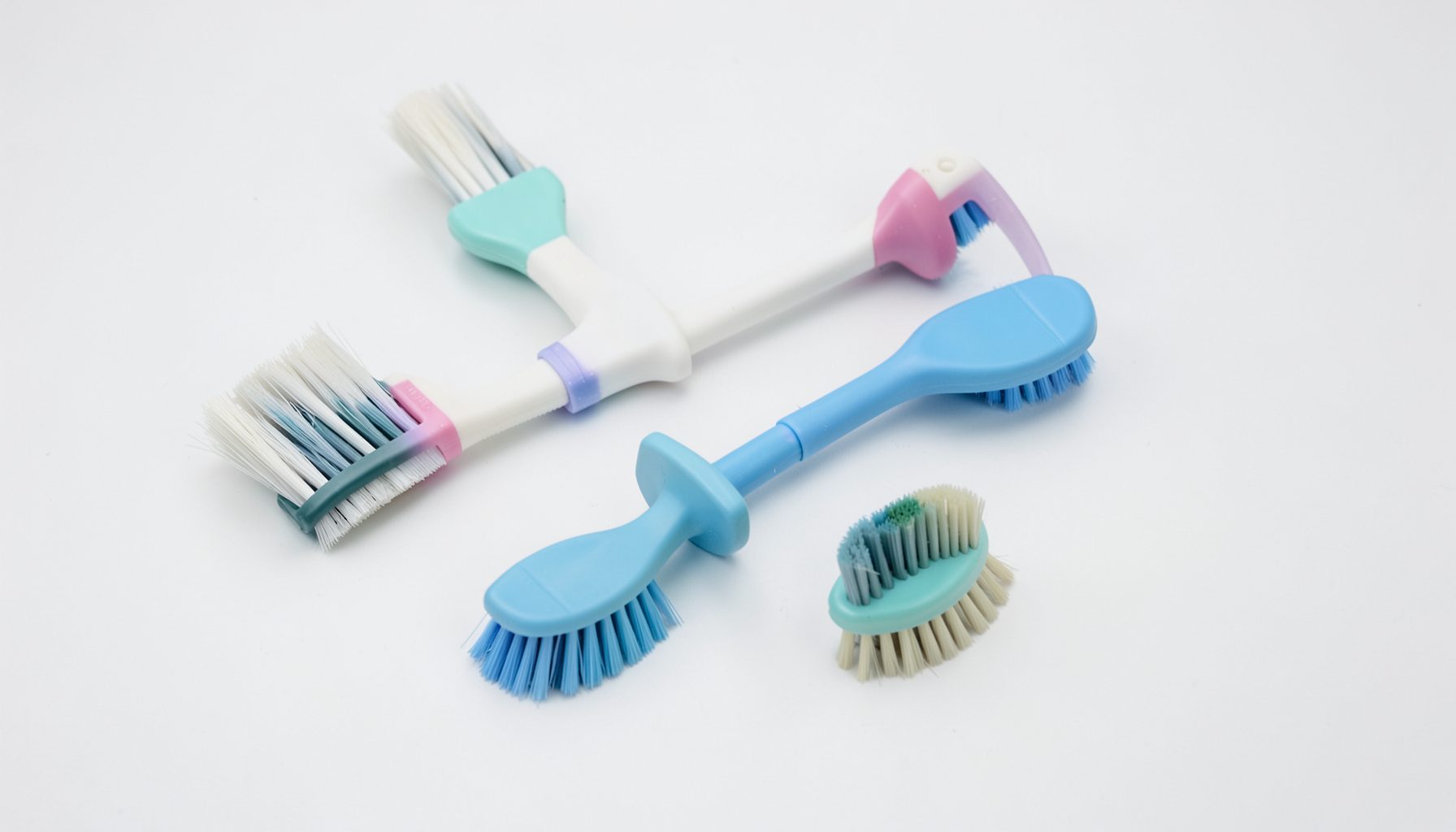
Switch nostrils and repeat. After use, rinse the bottle and let it air dry. Use ResQRinse Premium Cleaning Brushes for thorough cleaning.
Sinus relief when cold weather triggers a flare-up
Cold air can make an already irritated nose feel tighter, drier, and more congested. Indoor heating adds another source of dryness, while seasonal viruses, dust, and changing weather patterns may increase mucus production. For people prone to sinusitis, these conditions can turn mild nasal symptoms into pressure, blocked drainage, and facial discomfort.
A saline nasal rinse can help wash away thick mucus, airborne irritants, and allergens while adding moisture to the nasal passages. Used correctly, it may support clearer breathing during a cold-weather flare-up and help saline medication reach the nasal lining more evenly.
A rinse is supportive care, not a substitute for medical evaluation. Severe pain, swelling around the eyes, high fever, vision changes, or symptoms that persist or worsen should be assessed by a healthcare professional. Safe water handling and gentle technique also matter as much as the product itself.
Why winter air can aggravate sinus symptoms
Cold, dry air can irritate the nasal lining and cause blood vessels inside the nose to react. Heated indoor air may lower humidity further, leaving mucus thicker and harder to move. When mucus does not drain efficiently, pressure can build in the cheeks, forehead, or area around the nose.
Winter also brings more time indoors, where dust, pet dander, and shared respiratory viruses may circulate. A person with allergies may experience swelling that narrows the sinus drainage pathways. A person with a respiratory infection may produce thicker mucus that remains trapped for longer.
Nasal irrigation works mechanically. A properly prepared saline solution flows through the nasal passages, loosening secretions and rinsing away particles. This can provide temporary relief from congestion and support the body’s natural clearance process without relying on a decongestant.
Choosing a comfortable saline rinse
The solution should contain the right balance of salt and water. Plain tap water can irritate delicate tissue and may carry microorganisms that are unsafe for nasal use. Use distilled or sterile water, or tap water that has been boiled and cooled according to current public health guidance. Follow the saline packet directions rather than adding salt by guesswork.
Water temperature affects comfort. Lukewarm fluid is generally easier to tolerate than water that is cold or hot. A solution that feels sharply cold may increase discomfort during a winter flare-up, while hot water can damage nasal tissue. Test a small amount on the inside of your wrist before use.
A squeeze-bottle system can provide a controlled flow and may feel easier to direct than an open neti pot. ResQRinse systems use Nasal Lock technology to help create a comfortable seal around the nostrils, while different sizes and saline options can suit adults and children. Product details, customer experiences, and instructions can help households choose an appropriate setup.
How to rinse during a flare-up
Start by washing your hands and preparing fresh saline. Lean over a sink, tilt your head slightly forward and to one side, and keep your mouth open so you can breathe through it. Place the nozzle gently against the upper nostril without forcing it into the nose.
Apply light, steady pressure. The solution should travel through the nasal passage and drain from the other nostril or mouth. If it runs toward the throat, spit it out rather than swallowing a large amount. Avoid squeezing forcefully, since excessive pressure can cause ear fullness or discomfort.
After rinsing, blow your nose gently, one side at a time. Do not immediately follow the rinse with vigorous nose blowing, especially if your passages are sore. Clean the device according to its instructions, allow it to dry fully, and avoid sharing it with other household members.
| Feature | Squeeze-bottle saline rinse | Traditional neti pot | Nasal mist |
|---|---|---|---|
| Main action | Flushes mucus and irritants through the nasal passages | Uses gravity to deliver a larger rinse | Adds a light layer of moisture |
| Flow control | User controls pressure with gentle squeezing | Flow depends on head position | Usually limited volume and spray reach |
| Best suited for | Significant congestion or thick mucus | People comfortable with gravity-fed rinsing | Dryness, travel, or quick refreshment |
| Preparation needs | Saline solution and safe water | Saline solution and safe water | Ready-to-use product, depending on format |
| Cleaning needs | Rinse and dry bottle, nozzle, and accessories | Clean and dry pot after each use | Follow label directions for the container |
Preventing burning, pressure, and ear discomfort
Mild unfamiliar sensations can occur when someone first uses nasal irrigation, but burning or sharp stinging often points to a problem with the mixture, water temperature, or nasal irritation. Too much salt may sting, while too little salt can feel irritating because the solution is less compatible with nasal tissue. A packet designed for the device helps reduce measuring errors.
Stop if the rinse causes significant pain, bleeding, pronounced ear pressure, or worsening symptoms. Check that the nozzle is positioned gently and that the bottle is not being compressed too forcefully. People with a completely blocked nasal passage may need to wait, use another form of symptom care, or seek clinical advice rather than forcing fluid through.
For troubleshooting, ResQRinse explains why a rinse may sting and how to review common causes. Persistent burning, recurring nosebleeds, or new ear symptoms deserve professional guidance, particularly in children or people with a history of ear problems or nasal surgery.
Building a winter sinus-care routine
Timing can make irrigation easier. Many people prefer to rinse in the evening after exposure to outdoor air, workplace dust, or indoor allergens. Others use it in the morning to clear mucus that accumulated overnight. Follow the product directions and avoid using a rinse immediately before lying down if drainage tends to continue.
Humidity may also support comfort. A clean humidifier, adequate fluids, and avoiding smoke can reduce additional irritation. Humidifiers require regular cleaning because stagnant water can harbor mold and microorganisms. Keeping the bedroom comfortably humid is preferable to making the air damp.
A rinse should fit into a broader plan for recurring sinusitis. If symptoms are driven by allergies, a clinician may recommend allergy treatment or testing. If bacterial infection is suspected, antibiotics may or may not be appropriate depending on the clinical picture. Nasal irrigation can complement care, but it should not delay evaluation when symptoms are serious.
Practical habits for safer daily use
Small details help maintain both comfort and hygiene:
- Prepare each rinse with distilled, sterile, or properly boiled and cooled water.
- Use the recommended saline packet or measured formula for the bottle’s volume.
- Keep the nozzle and bottle clean, dry, and reserved for one person.
- Apply gentle pressure and stop if you feel sharp pain, bleeding, or strong ear pressure.
- Replace worn components and follow the manufacturer’s cleaning and storage instructions.
Cold-weather congestion often improves when the nasal passages are kept moist and clear, but symptoms can change quickly. Monitor whether pressure, discharge, fever, or facial pain is improving rather than relying on repeated rinses alone. A healthcare professional should evaluate symptoms that last longer than expected, recur frequently, or interfere with sleep and normal activity.
A comfortable saline rinse can be a useful part of a winter wellness routine when prepared safely and used gently. Explore the ResQRinse story, choose the format that matches your household’s needs, and keep a fresh supply of saline packets available before the next cold-weather flare-up.