ResQRinse is the nasal irrigation squeeze bottle that eliminates head-tilting and awkward neck positions. Using proprietary Nasal Lock™ technology, it delivers a comfortable, gag-free sinus cleanse — no more saline dripping down your throat.

Relief From Fall Sneezes
Now sold on Walmart.com. Free shipping on orders $30+. Try ResQRinse today with your everyday purchases.
Shop at WalmartWhy ResQRinse?
Nasal rinsing helps relieve congestion from colds, allergies, sinusitis, hay fever, and environmental pollutants. ResQRinse makes it comfortable enough to become a daily habit.
Nasal Lock™ Technology
Isolates sinuses from the throat using natural choanal occlusion — like inflating a balloon — so saline stays where it belongs.
Learn more →
Drug-Free Relief
Uses premixed saline packets with distilled water. No medications, no preservatives — just a natural cleanse for your nasal passages.
How to rinse →
For Kids Too
ResQRinse for Kids features a comfort nasal tip right-sized for smaller nostril openings, making rinsing gentle and easy for children.
Shop kids' version →
Breath-Controlled Flow
You control the saline flow with your own breath pressure — high volume, low pressure irrigation that's comfortable and effective.
Watch how-to videos →
Better Compliance
Designed to overcome the gagging and discomfort that cause people to abandon traditional neti pots and nasal rinse systems.
Our story →
Complete Kits Available
From the basic ResQRinse Nasal Rinse System ($19.99) to 90-day complete kits, saline packets, cleaning brushes, and Sinoptim Nasal Mist.
Browse all products →Get Started with ResQRinse
Ready to experience a better nasal rinse? Fill out the form below and we'll help you find the right product — or follow the simple steps to begin rinsing today.
Request More Information
How to Use ResQRinse
Fill the Bottle
Fill the ResQRinse squeeze bottle with distilled or previously boiled water and add one premixed saline packet.
Position the Tip
Place the comfort tip gently against one nostril. No head-tilting or awkward neck angles needed.
Squeeze & Breathe
Squeeze the bottle gently while breathing through your mouth. Nasal Lock™ keeps saline in your nasal passages and out of your throat.
Repeat & Clean
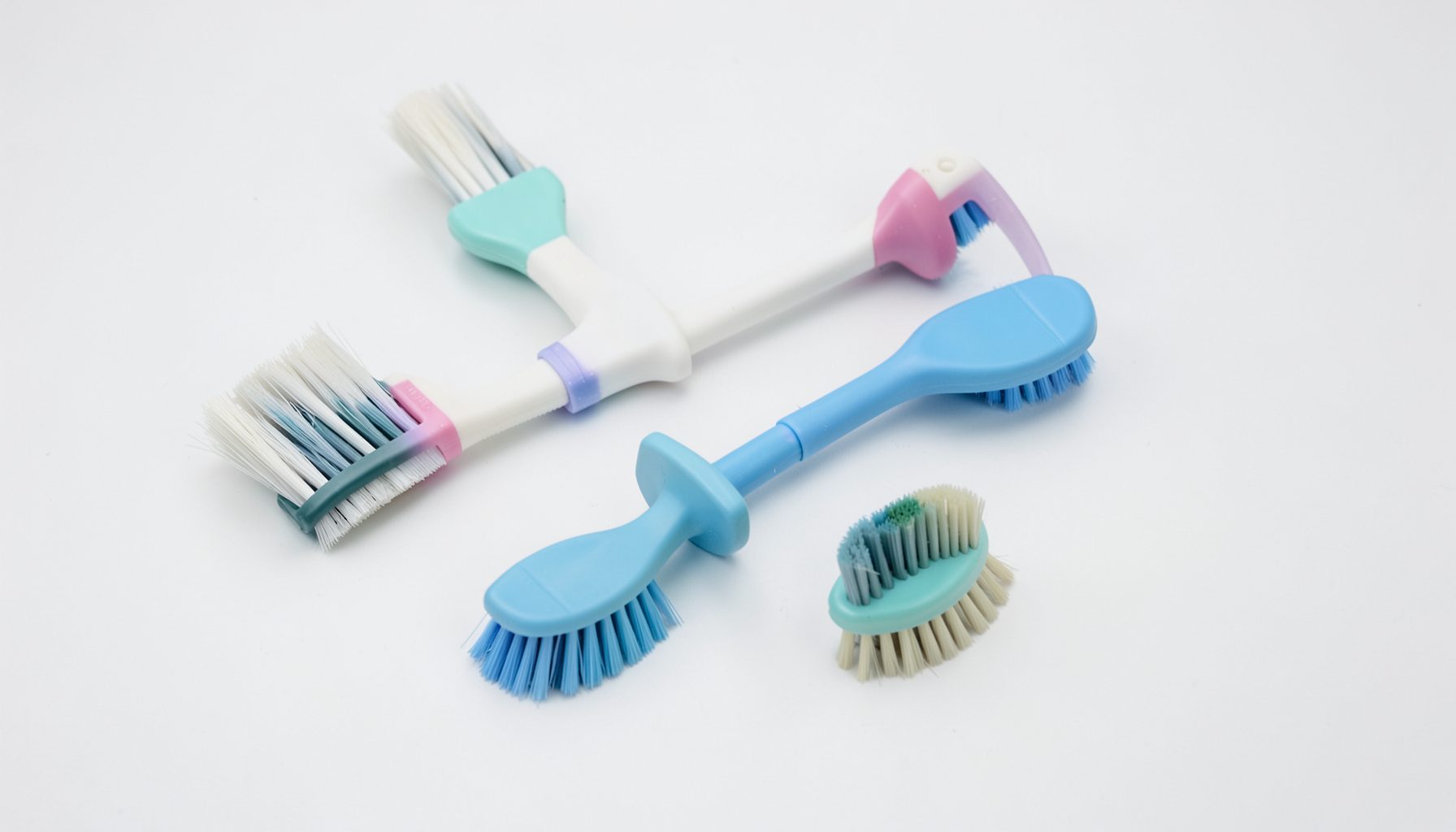
Switch nostrils and repeat. After use, rinse the bottle and let it air dry. Use ResQRinse Premium Cleaning Brushes for thorough cleaning.
Breathing easier after urban smoke with a daily nasal rinse
Australia's cities have grown familiar with smoke-filled summers. From the bushfire haze that turned Sydney's skyline orange in recent seasons, to hazard-reduction burns along the NSW coast, to inland smoke drift reaching Brisbane from afar, urban air quality can shift from crisp to hazardous within hours. Many residents in Melbourne, Adelaide, and Perth have lived through mornings when eyes sting and sinuses feel heavy before they reach the office.
Smoke particulates are microscopic solids and droplets that lodge in the upper airway, irritate the nasal lining, and trigger inflammation. As the mucosa swells and mucus thickens, drainage slows and the sense of smell dulls. People with allergies or sinusitis often find a smoky day makes their symptoms flare for days afterwards.
For these reasons, nasal rinsing has shifted from a niche post-surgery remedy to a mainstream daily habit across Australian households. It is recommended as a gentle, drug-free way to flush out trapped particles, soothe irritated tissue, and restore comfortable breathing — supported by pharmacists and ENT doctors as bushfire seasons grow longer.
This article walks through how smoke interacts with the nose, how a modern squeeze-bottle system compares with older methods like the neti pot, what saline concentration to use, how to fold rinsing into a smoke-season routine, and when to book a GP appointment.
How smoke particles reach and irritate your sinuses
The nasal cavity is a filtration system by design. Tiny hairs called cilia wave continuously to move mucus toward the throat, while immune cells in the lining stand guard against viruses and bacteria. When smoke rolls in, this filter is suddenly overwhelmed. Fine particulate matter, the same PM2.5 fraction measured by NSW air quality stations, can penetrate deep into the airways.
In Australian cities, smoke sources extend beyond distant bushfires. Controlled burn-offs around Canberra during autumn, agricultural burning across the Murray-Darling basin, and wood-fired heaters in suburbs of Hobart all contribute to background smoke levels. On cold winter evenings in Melbourne's inner north, neighbours smell woodsmoke long before any haze appears.
For the nose, the immediate effect is irritation. Combustion gases and tiny particles settle on the mucosa, causing it to swell and produce excess mucus. This is why so many people wake after a smoky night with a blocked nose, dull sense of smell, and pressure behind the eyes. The body's defence system has been triggered, producing cold-like symptoms even though no virus is involved.
A nasal rinse helps when this load becomes overwhelming. By flushing the cavity gently, it lifts trapped material, thins thickened mucus, and supports the cilia's natural rhythm. Many describe the result as similar to the relief after a long shower following a hot, dusty day — airways feel cleaner and easier to breathe through.
From neti pots to squeeze-bottle systems
A neti pot has been the traditional tool for nasal irrigation for centuries, and many Australian pharmacies still stock them. The user tilts their head to one side to let saline flow through one nostril and out the other. It works, but the posture required can be awkward, and the gravity-driven flow sometimes feels weak when sinuses are heavily blocked.
Squeeze-bottle rinse systems use gentle manual pressure to deliver a steadier stream of saline. The flow rate is controlled by how firmly the bottle is squeezed, which helps when sinuses are inflamed. For parents rinsing a child's nose after a smoky day, the bottle format is easier to manage than balancing a ceramic pot at an angle.
Modern designs focus on a soft tip that seals comfortably against the nostril so saline does not splash back. The bottle avoids air-pressure spikes where bubbles enter the sinus cavity and cause momentary discomfort. This makes the experience feel closer to a steady, predictable flow and far less intimidating for first-time users.
For Australians who travel frequently, the squeeze bottle is easier to pack than a traditional pot. It fits into a carry-on liquids bag, and saline packets store neatly in a dry place. Compared with over-the-counter decongestant sprays, which can cause rebound congestion if used for more than a few days, rinsing offers a non-habit-forming alternative for daily routines.
Saline concentration and water quality
The saline mixture matters as much as the device. Most ENT specialists in Australia recommend an isotonic solution, where salt concentration matches the body's own fluids. This is gentle on the mucosa and supports rather than overwhelms the natural cleaning system. Hypertonic solutions contain more salt and can feel more drawing, but may sting when the lining is already inflamed from smoke.
Tap water in major Australian cities such as Brisbane, Adelaide, and Darwin is generally safe for drinking, yet ENT guidance still recommends previously boiled and cooled water, distilled water, or filtered water for nasal rinsing. The nose does not have the same protective defences as the gut, and microscopic contaminants can occasionally cause infection. Pre-measured saline sachets from a pharmacy remove the guesswork.
The same care applies to swimming. Australians spend countless hours in chlorinated pools during summer, and chlorine irritates the nasal lining in a similar way to smoke. Anyone who has stepped out of a public pool with that familiar sting knows the feeling. A quick rinse afterwards can clear residual chlorine and reduce that tight, dried-out sensation.
Readers can find more detail about rinsing after swimming, which shares the same principles as post-smoke care of the mucosa.
Building a smoke-season routine
Rinsing once after a heavy smoke event is helpful, but a small daily habit during high-risk periods works better. Many Australian households keep a rinse bottle next to the bathroom sink during summer and autumn, treating it the way they would a toothbrush. The idea is similar to washing hands after coming inside from a dusty commute along Parramatta Road or a long walk through the Royal Botanic Garden on a hazy afternoon.
Timing matters too. Rinsing in the evening, after the day's exposure, clears particles that have accumulated since morning. Some people also rinse in the morning when pollen counts are high, which can compound smoke irritation for those near parkland in suburbs like East Brisbane or Unley. The whole process takes only a minute or two once the saline is mixed, and many users describe it as calming at the end of a long day.
For those who wear contact lenses or use makeup, rinsing can be done with the head tilted forward over a sink without disturbing the rest of the routine. For children, smaller bottles designed for younger users make the process feel less clinical, and parents often turn it into a short after-school ritual during fire season. Saline packets are easy to carry in a school bag or work satchel.
Pairing the rinse with other protective habits multiplies the benefit. Staying indoors on high-smoke days, using air purifiers with HEPA filters, keeping windows closed during peak haze, and drinking plenty of water all support the body's recovery. Combined, these small choices make smoke season feel far more manageable.
When rinsing alone is not enough
There are moments when a nasal rinse is useful but not a complete solution. If smoke exposure is followed by a fever, persistent facial pain, coloured nasal discharge lasting more than ten days, or a sudden loss of smell that does not return within a couple of weeks, it is worth booking a GP appointment. These can signal a secondary sinus infection needing targeted treatment.
Australians living with asthma should monitor their preventer medication during smoke events and follow their GP's advice or the Asthma Australia guidelines. Smoke is a known trigger for flare-ups, and rinsing complements rather than replaces proper asthma management. Anyone using prescribed nasal steroid sprays should continue them as directed and rinse before or well after the spray, so the medication has time to settle.
People who have recently had sinus surgery, or who have a deviated septum that fully blocks one side, should speak with their specialist before starting a rinse routine. Children need a slightly different approach, with smaller volumes and gentler pressure — which is why many Australian pharmacies stock dedicated children's rinse kits.
Smoke is not always the obvious culprit. Dust from construction sites, strong perfumes in office air-conditioning, and dry winter air in Adelaide can produce similar symptoms. If the pattern repeats in environments without smoke, a conversation with a pharmacist or GP can help identify the underlying cause.
For Australians ready to make rinsing part of their daily smoke-season routine, a squeeze-bottle system with pre-measured saline packets offers a practical starting place. ResQRinse is available through major Australian retailers including Walmart and Amazon, and the design is built around comfort and control. The bottle is easy to clean, the saline dissolves quickly, and the whole process takes only a minute or two — realistic even on the busiest weekday morning. Adding a bottle to the bathroom cupboard before the next smoky afternoon takes only a few clicks online.
If questions remain about technique, frequency, or suitability for children, the brand's FAQs page covers the most common queries from first-time users. It is worth a quick read before beginning, particularly for anyone with a history of sinus issues or recent surgery. Once the routine feels familiar, many find smoky days no longer derail their week, and breathing feels lighter even after a long afternoon in a haze-covered city.