ResQRinse is the nasal irrigation squeeze bottle that eliminates head-tilting and awkward neck positions. Using proprietary Nasal Lock™ technology, it delivers a comfortable, gag-free sinus cleanse — no more saline dripping down your throat.

Relief From Fall Sneezes
Now sold on Walmart.com. Free shipping on orders $30+. Try ResQRinse today with your everyday purchases.
Shop at WalmartWhy ResQRinse?
Nasal rinsing helps relieve congestion from colds, allergies, sinusitis, hay fever, and environmental pollutants. ResQRinse makes it comfortable enough to become a daily habit.
Nasal Lock™ Technology
Isolates sinuses from the throat using natural choanal occlusion — like inflating a balloon — so saline stays where it belongs.
Learn more →
Drug-Free Relief
Uses premixed saline packets with distilled water. No medications, no preservatives — just a natural cleanse for your nasal passages.
How to rinse →
For Kids Too
ResQRinse for Kids features a comfort nasal tip right-sized for smaller nostril openings, making rinsing gentle and easy for children.
Shop kids' version →
Breath-Controlled Flow
You control the saline flow with your own breath pressure — high volume, low pressure irrigation that's comfortable and effective.
Watch how-to videos →
Better Compliance
Designed to overcome the gagging and discomfort that cause people to abandon traditional neti pots and nasal rinse systems.
Our story →
Complete Kits Available
From the basic ResQRinse Nasal Rinse System ($19.99) to 90-day complete kits, saline packets, cleaning brushes, and Sinoptim Nasal Mist.
Browse all products →Get Started with ResQRinse
Ready to experience a better nasal rinse? Fill out the form below and we'll help you find the right product — or follow the simple steps to begin rinsing today.
Request More Information
How to Use ResQRinse
Fill the Bottle
Fill the ResQRinse squeeze bottle with distilled or previously boiled water and add one premixed saline packet.
Position the Tip
Place the comfort tip gently against one nostril. No head-tilting or awkward neck angles needed.
Squeeze & Breathe
Squeeze the bottle gently while breathing through your mouth. Nasal Lock™ keeps saline in your nasal passages and out of your throat.
Repeat & Clean
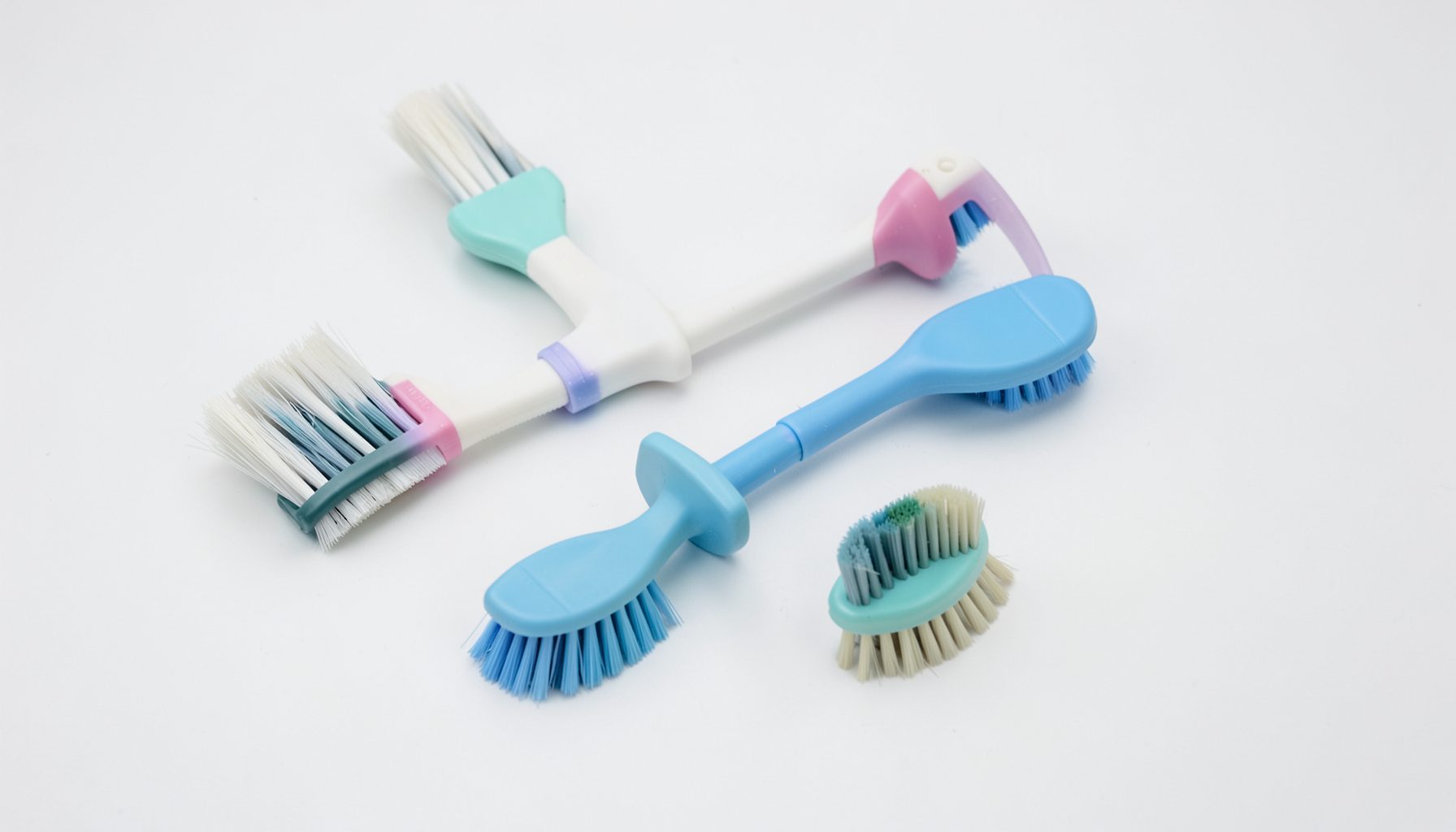
Switch nostrils and repeat. After use, rinse the bottle and let it air dry. Use ResQRinse Premium Cleaning Brushes for thorough cleaning.
Nasal rinsing for secondhand smoke exposure in public spaces
Secondhand smoke can irritate the nose within minutes. Smoke from cigarettes, cigars, pipes, and indoor vaping products may leave the nasal passages feeling dry, swollen, itchy, or congested. People with allergies, asthma, sinus problems, or sensitive airways may notice symptoms especially quickly in crowded venues, outdoor patios, transit areas, and shared buildings.
A nasal rinse can help wash away some particles, residue, and irritants that settle inside the nose. It may also loosen mucus and support a more comfortable breathing experience after leaving a smoky environment. However, nasal irrigation does not make secondhand smoke exposure safe or prevent all effects of inhaling smoke.
The most effective first step is to move away from the source and find cleaner air. Rinsing can then be part of a practical comfort routine, alongside hydration, handwashing, and attention to symptoms that need medical care.
How secondhand smoke affects the nose
Tobacco smoke contains fine particles and chemical irritants that can contact the nasal lining. This may trigger inflammation, increased mucus production, sneezing, postnasal drip, burning, or a blocked nose. Even when the visible smoke has cleared, particles can remain on clothing, hair, furniture, and other surfaces.
In a public setting, exposure may be brief but concentrated. A smoky restaurant patio, casino, concert entrance, or public transport platform can expose the nose to a high level of irritation before a person has time to relocate. People who already have allergic rhinitis or chronic sinus congestion may experience a stronger reaction.
Smoke exposure can also dry the nasal passages. When the lining becomes dry and irritated, mucus may become thicker and harder to clear. This can create a cycle of stuffiness and mouth breathing, which may further dry the throat and make discomfort more noticeable.
What a nasal rinse can do
A saline nasal rinse uses a saltwater solution to flush mucus and rinse the surfaces inside the nasal passages. After exposure to smoky air, this process may remove some deposited irritants and help thin secretions. It can provide temporary relief from congestion, a scratchy nasal feeling, and the sense that the nose is coated with residue.
Saline does not neutralize every chemical in smoke, repair irritated tissue instantly, or remove particles from the lungs. It should be viewed as a supportive hygiene and comfort measure rather than a shield against secondhand smoke. Leaving the area, improving ventilation, and avoiding repeated exposure remain more important.
A squeeze-bottle system may be easier for some people to control than a traditional neti pot because the user can guide the flow and pressure. A design such as Nasal Lock technology may also help create a more contained, comfortable rinse when used according to the product directions. Stop if the process causes sharp pain, significant ear pressure, or worsening symptoms.
Choosing comfortable water and saline
Water temperature can affect how pleasant a rinse feels, especially when the nasal lining is already irritated by smoke. Water that is too cold may feel startling, while very warm water can increase discomfort and should be avoided. The guidance in this article about rinse temperature explains how a comfortably lukewarm solution may make nasal irrigation easier to tolerate.
Only use distilled, sterile, or previously boiled water that has been cooled to a safe temperature. Do not use untreated tap water for nasal irrigation. The nose normally filters many airborne particles, but rinsing places water directly against sensitive tissue, making water safety essential.
Premeasured saline packets can help provide a consistent balance of salt and buffering ingredients. They are convenient when traveling or rinsing after time in public spaces. A comparison of saline packet options can help explain why a ready-made formula may be preferable to estimating ingredients at home.
Never rinse with plain water alone if a saline product is available. Plain water may sting and can make the experience less comfortable. Follow the packet directions, use the recommended volume, and prepare a fresh solution for each session.
When and how to rinse after smoke exposure
A rinse is generally most useful after leaving the smoky setting, rather than while standing in the contaminated area. First move outdoors or to a well-ventilated location, then allow breathing and irritation to settle briefly. Washing the face, changing smoke-exposed clothing, and drinking water may also improve overall comfort.
Use the system over a sink and lean forward slightly with the mouth open. Breathe through the mouth while allowing the saline to pass gently through one nostril and out the other, following the instructions supplied with the device. Do not forcefully squeeze if the nose is completely blocked or if pressure builds in the ears.
| Situation | Potential benefit of a saline rinse | Important limitation |
|---|---|---|
| Brief exposure near a smoky entrance | May wash away surface irritants and mucus | Does not undo inhaled smoke |
| Congestion after an indoor event | May loosen thick secretions and ease stuffiness | Relief may be temporary |
| Repeated exposure during commuting | Can support nasal comfort after reaching clean air | Avoiding the source is more protective |
| Smoke exposure with nose dryness | Adds moisture through a buffered saline solution | Do not use water that is too hot or untreated |
| Symptoms in a child | May help when age-appropriate and supervised | Use a child-specific product and follow medical guidance |
Do not share a nasal rinse bottle, even within a household. Rinse the device after use, allow it to dry fully, and clean it according to the manufacturer’s instructions. Replace worn parts and use a cleaning brush where appropriate. A damp, poorly cleaned device can become a source of contamination.
Handling smoke exposure while traveling
Public travel can combine secondhand smoke with dry cabin air, dust, seasonal allergens, and changes in altitude. Airports, stations, hotel entrances, and outdoor smoking zones may expose travelers before they reach a cleaner area. Packing saline packets and a compact rinse system can make post-exposure care easier when access to familiar supplies is limited.
Use only prepared safe water when traveling. Carrying sealed distilled water may be practical in some situations, while sterile water or an appropriate bottled option may be available at a pharmacy. For additional guidance on maintaining nasal comfort during a journey, see these high-altitude travel tips.
A nasal mist may be more convenient when a full rinse is not possible. It can add moisture during a long trip, but a mist does not flush the nasal passages as thoroughly as irrigation. Consider using the rinse after reaching a private location with safe water and a clean sink, rather than improvising in a public restroom.
People with frequent exposure should also pay attention to clothing and belongings. Smoke residue may cling to jackets, scarves, bags, and hair. Washing hands and face after leaving the area, laundering exposed clothing, and keeping smoke-contaminated items away from sleeping spaces can reduce ongoing contact with irritants.
A practical routine for sensitive noses
A simple routine can help manage occasional exposure without turning nasal irrigation into an excessive habit:
- Leave the smoky area as soon as possible and seek cleaner air.
- Wash your hands and face, and change or air out smoke-exposed clothing.
- Prepare a fresh saline solution with distilled, sterile, or boiled-and-cooled water.
- Use a gentle rinse after exposure, then clean and air-dry the device.
- Seek medical advice for breathing trouble, chest tightness, persistent wheezing, severe facial pain, fever, or symptoms that keep returning.
People with asthma should follow their prescribed action plan and use rescue medication exactly as directed. A nasal rinse cannot replace an inhaler or emergency treatment. Anyone who develops swelling, severe difficulty breathing, confusion, blue lips, or rapidly worsening symptoms needs urgent medical attention.
If nasal congestion, nosebleeds, sinus pressure, or postnasal drip continues after smoke exposure, speak with a healthcare professional. Recurrent symptoms may reflect allergies, infection, asthma, chronic sinus inflammation, or another condition requiring a more specific treatment plan.
Make a saline rinse part of your clean-air routine with a properly prepared solution, a comfortable device, and careful cleaning after every use. Explore ResQRinse rinse systems, children’s options, saline packets, and nasal mist products through the brand’s online retail partners to find a practical way to support nasal comfort after time in smoky public spaces.