ResQRinse is the nasal irrigation squeeze bottle that eliminates head-tilting and awkward neck positions. Using proprietary Nasal Lock™ technology, it delivers a comfortable, gag-free sinus cleanse — no more saline dripping down your throat.

Relief From Fall Sneezes
Now sold on Walmart.com. Free shipping on orders $30+. Try ResQRinse today with your everyday purchases.
Shop at WalmartWhy ResQRinse?
Nasal rinsing helps relieve congestion from colds, allergies, sinusitis, hay fever, and environmental pollutants. ResQRinse makes it comfortable enough to become a daily habit.
Nasal Lock™ Technology
Isolates sinuses from the throat using natural choanal occlusion — like inflating a balloon — so saline stays where it belongs.
Learn more →
Drug-Free Relief
Uses premixed saline packets with distilled water. No medications, no preservatives — just a natural cleanse for your nasal passages.
How to rinse →
For Kids Too
ResQRinse for Kids features a comfort nasal tip right-sized for smaller nostril openings, making rinsing gentle and easy for children.
Shop kids' version →
Breath-Controlled Flow
You control the saline flow with your own breath pressure — high volume, low pressure irrigation that's comfortable and effective.
Watch how-to videos →
Better Compliance
Designed to overcome the gagging and discomfort that cause people to abandon traditional neti pots and nasal rinse systems.
Our story →
Complete Kits Available
From the basic ResQRinse Nasal Rinse System ($19.99) to 90-day complete kits, saline packets, cleaning brushes, and Sinoptim Nasal Mist.
Browse all products →Get Started with ResQRinse
Ready to experience a better nasal rinse? Fill out the form below and we'll help you find the right product — or follow the simple steps to begin rinsing today.
Request More Information
How to Use ResQRinse
Fill the Bottle
Fill the ResQRinse squeeze bottle with distilled or previously boiled water and add one premixed saline packet.
Position the Tip
Place the comfort tip gently against one nostril. No head-tilting or awkward neck angles needed.
Squeeze & Breathe
Squeeze the bottle gently while breathing through your mouth. Nasal Lock™ keeps saline in your nasal passages and out of your throat.
Repeat & Clean
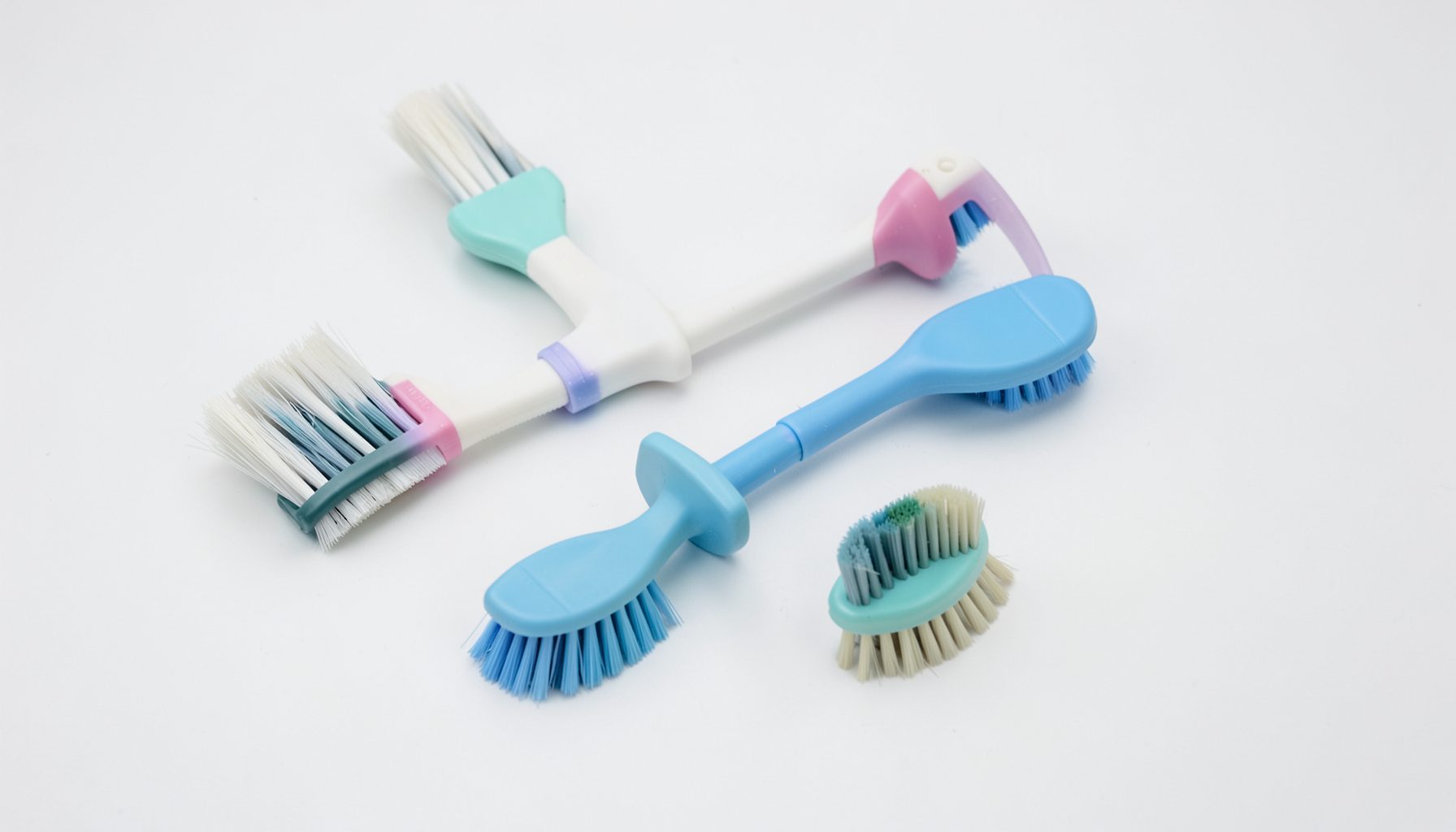
Switch nostrils and repeat. After use, rinse the bottle and let it air dry. Use ResQRinse Premium Cleaning Brushes for thorough cleaning.
Nasal Rinse for Comfort in Forced Air Heated Rooms
Australians rely heavily on climate control to keep indoor spaces liveable across the country's wildly different regions. In Hobart and Melbourne during winter, ducted gas heating runs for months on end, while in Brisbane and Perth, reverse-cycle air conditioners fight off both summer heatwaves and chilly winter mornings. When that air circulates through a forced-air system, it loses humidity fast, and the nasal passages pay the price. Dryness, crusting, and that annoying tight feeling across the bridge of the nose become almost inevitable by mid-winter.
A saline nasal rinse offers a practical way to counter that damage. By flushing the nasal cavity with a balanced isotonic solution, you restore moisture, clear out dust and pollen that the dry air has dragged in, and soothe membranes that have been stripped of their natural protective layer. For households from Adelaide to Canberra, it has become a small but reliable part of getting through the colder months without constantly reaching for tissues.
Why Forced Air Heat Dries Out Your Nose
Forced-air heating systems work by pulling cool air across a heat exchanger and pushing it back through ducts at a higher temperature. The process does not add moisture. In fact, the relative humidity inside a heated home can drop below 20 percent, which is drier than the air found in most deserts. The nose is built to warm and humidify each breath, and when the surrounding air is already so dry, it pulls moisture straight from the mucous membranes rather than depositing any.
Indoor air in Australian homes during a Canberra winter or a cold Adelaide snap tends to hold even less moisture once the heater is running for hours. People notice it as a scratchy throat on waking, a feeling of blockage that never quite shifts, or minor nosebleeds when the air feels almost papery. Children often show it differently, with restless sleep or a constant need to rub their nose. The problem is not an allergy or an infection; it is simply the absence of water in the air.
The dust that recirculates through the same ducts adds another layer of irritation. Pollen tracked in from the garden, pet dander, lint from bedding, and fine particles from the kitchen all get blown around the house repeatedly. Without moisture to weigh them down, they linger close to the face and settle into the nostrils. A dry nose cannot trap and expel them as effectively, so they sit against the lining and provoke the same low-grade inflammation that makes congestion feel relentless.
How Nasal Rinsing Eases the Symptoms
Saline nasal irrigation works by gently flushing the nasal cavity with a solution that matches the salt concentration of the body's own tissues. This isotonic rinse hydrates the mucous membranes, loosens dried mucus that would otherwise form stubborn crusts, and washes away the particles that have settled there. The relief is often immediate, with easier breathing within a minute or two of finishing the rinse.
The moisture that a rinse leaves behind is short-lived, which is why frequent use matters during the dry months. Many Australian users find that a morning rinse clears the overnight buildup, while an evening rinse washes out the irritants gathered during the day. Children, especially those prone to sniffles during a Melbourne winter, benefit from a gentle squeeze-bottle system designed for smaller noses, allowing parents to help them without any discomfort.
Beyond hydration, the rinse supports the nose's natural cleaning cycle. The cilia, which are tiny hair-like structures that move debris toward the throat, function better when they are wet. Dry air slows them down and can even paralyse them temporarily. Rinsing rehydrates the surface they sit on, so they can get back to sweeping dust and pollen toward the stomach, where they are harmlessly digested. It is a quiet restoration rather than a dramatic intervention.
The Nasal Lock Advantage Over Neti Pots
Neti pots have been around for centuries and remain a familiar sight in Australian pharmacies, including the well-stocked shelves at Chemist Warehouse. They work, but they require a particular head-tilt technique and rely on gravity alone to move the saline through the nasal passages. For anyone with neck issues, balance problems, or simply limited time in the morning, that posture can be awkward to hold. Squeeze-bottle systems solve this by giving the user control over the pressure and pace of the flow.
The Nasal Lock technology featured in modern rinse kits takes this further by sealing softly against the nostril during use. That seal prevents the solution from spilling down the chin or running out before it has done its work, which is a common complaint with looser systems. The result is a more even flush that reaches further into the cavity and a mess-free experience that fits easily into a busy routine.
Another practical difference is portability. Australians who travel between climates, perhaps driving from a cool Hobart winter to a warmer Brisbane week, can pack a squeeze bottle and a few saline sachets in a carry-on without worry. The sealed system stays hygienic in a bag, and refills are easy to find online or at major retailers. Compared with a ceramic neti pot, the whole kit is lighter, less fragile, and faster to use, which encourages the daily habit rather than turning it into a chore.
Building a Routine That Fits an Australian Home
The best time to rinse is whenever you can do it consistently. For most households running heating through the cold months, that means pairing the rinse with an existing habit. Many people keep their rinse bottle in the bathroom next to the toothbrush, which turns the morning flush into a one-step part of getting ready. For children, doing it while they brush their teeth or after a bath removes the need to negotiate a separate moment in a busy evening.
Water quality matters, particularly for anyone using tank water in regional South Australia or rural New South Wales. Tap water in metropolitan areas is generally safe when used according to instructions, but it should always be mixed with the supplied saline sachets rather than used on its own. The sachets contain pharmaceutical-grade salt and sodium bicarbonate in precise ratios, which means the solution matches the body's chemistry and does not sting. Substituting table salt or homemade mixes can upset that balance and lead to irritation rather than relief.
Temperature plays a role in comfort. Lukewarm water dissolves the sachet fully and feels soothing against a sore nose. Cold water can cause a brief head rush that puts some users off, while hot water risks burning the delicate membranes. A quick test on the inside of the wrist before each rinse takes only a moment and makes the whole process far more pleasant, especially for kids who are sensitive to anything that feels sharp.
Supporting the Rinse with Smart Habits
A rinse works best alongside other small changes that keep the air and the nose in better balance. Setting up a humidifier in the bedroom or living area adds back the moisture the heating system has stripped away, raising humidity back toward the 40 to 50 percent range that feels comfortable. Placing a few indoor plants around the home can also contribute, though their effect is modest compared with a proper humidifier.
Hydration from the inside matters as much as the rinse itself. Australians are not always great at drinking water consistently, particularly in winter when the thirst signal is weaker, but a dry nose is often a clue that the whole body is running low. Keeping a water bottle on the desk or the kitchen bench, and sipping through the day, supports the mucous membranes and improves how the rinse feels.
For people who also swim in chlorinated pools during the warmer months, the same rinse can help with the irritation that chlorine leaves behind. A separate look at chlorine sensitivity relief explains how a saline flush clears residual chemicals before they dry out the lining. The two issues, winter heat dryness and summer chlorine exposure, share an underlying cause: stripped moisture. Addressing both with a regular rinse keeps the nose resilient across the full Australian year.
Simple habits that make a nasal rinse easier to keep up:
- Keep the squeeze bottle, saline sachets, and cleaning brush together in a small caddy so nothing is missing when you are ready to rinse
- Rinse once after getting out of the shower in the morning and again before bed during the heaviest heating months
- Replace the squeeze bottle every few months, or sooner if it shows signs of wear, to keep the system hygienic
- Use the supplied cleaning brush after each session and let the bottle air-dry upside down on a clean towel
- Store saline sachets in a dry spot away from the bathroom steam so they do not clump together
Pick up a complete rinse kit online through Walmart or Amazon, and add it to your winter routine before the heating season really kicks in. The first rinse on a dry morning is the moment most Australians realise how much discomfort they had quietly accepted, and from there the habit tends to stick on its own.