ResQRinse is the nasal irrigation squeeze bottle that eliminates head-tilting and awkward neck positions. Using proprietary Nasal Lock™ technology, it delivers a comfortable, gag-free sinus cleanse — no more saline dripping down your throat.

Relief From Fall Sneezes
Now sold on Walmart.com. Free shipping on orders $30+. Try ResQRinse today with your everyday purchases.
Shop at WalmartWhy ResQRinse?
Nasal rinsing helps relieve congestion from colds, allergies, sinusitis, hay fever, and environmental pollutants. ResQRinse makes it comfortable enough to become a daily habit.
Nasal Lock™ Technology
Isolates sinuses from the throat using natural choanal occlusion — like inflating a balloon — so saline stays where it belongs.
Learn more →
Drug-Free Relief
Uses premixed saline packets with distilled water. No medications, no preservatives — just a natural cleanse for your nasal passages.
How to rinse →
For Kids Too
ResQRinse for Kids features a comfort nasal tip right-sized for smaller nostril openings, making rinsing gentle and easy for children.
Shop kids' version →
Breath-Controlled Flow
You control the saline flow with your own breath pressure — high volume, low pressure irrigation that's comfortable and effective.
Watch how-to videos →
Better Compliance
Designed to overcome the gagging and discomfort that cause people to abandon traditional neti pots and nasal rinse systems.
Our story →
Complete Kits Available
From the basic ResQRinse Nasal Rinse System ($19.99) to 90-day complete kits, saline packets, cleaning brushes, and Sinoptim Nasal Mist.
Browse all products →Get Started with ResQRinse
Ready to experience a better nasal rinse? Fill out the form below and we'll help you find the right product — or follow the simple steps to begin rinsing today.
Request More Information
How to Use ResQRinse
Fill the Bottle
Fill the ResQRinse squeeze bottle with distilled or previously boiled water and add one premixed saline packet.
Position the Tip
Place the comfort tip gently against one nostril. No head-tilting or awkward neck angles needed.
Squeeze & Breathe
Squeeze the bottle gently while breathing through your mouth. Nasal Lock™ keeps saline in your nasal passages and out of your throat.
Repeat & Clean
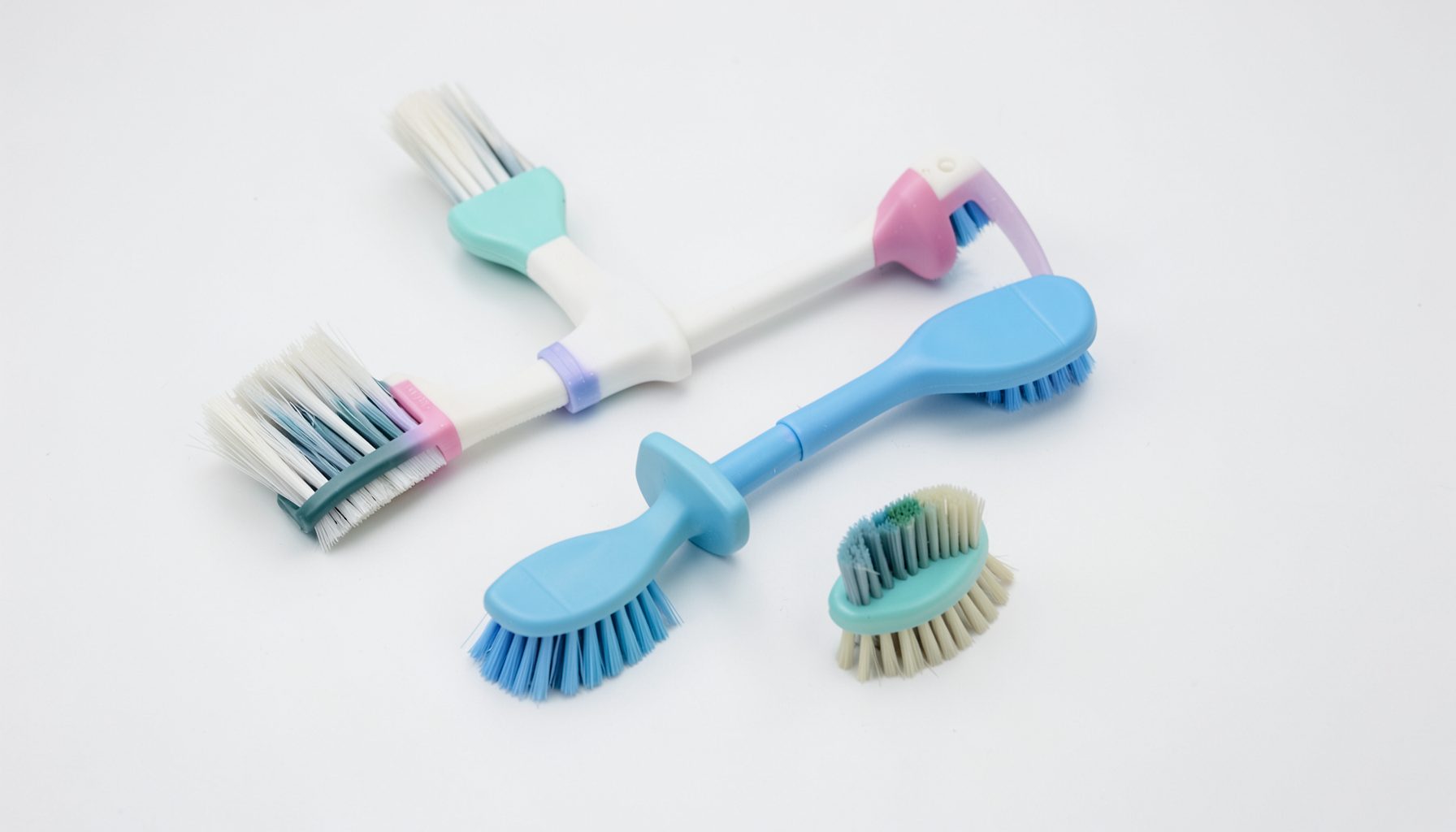
Switch nostrils and repeat. After use, rinse the bottle and let it air dry. Use ResQRinse Premium Cleaning Brushes for thorough cleaning.
Nasal rinsing for comfort after spicy meals
A spicy meal can leave more than a warm sensation in your mouth. Chili peppers contain capsaicin, a compound that stimulates nerves in the nose and face. This can cause watery nasal drainage, sneezing, a runny nose, or a temporary feeling of congestion. Some people experience these symptoms after only a small amount of heat, while others notice them mainly with very spicy dishes.
This response is often called gustatory rhinitis. It is a reflex reaction rather than a food allergy, although spicy meals may also contain ingredients that trigger allergies or sensitivities. Nasal irrigation may help wash away excess mucus and lingering airborne or nasal irritants, offering a cleaner, more comfortable feeling after the meal.
A rinse works best when it is gentle, properly prepared, and used for the right reason. It will not neutralize capsaicin throughout the body or treat a severe allergic reaction. However, it can be a useful part of personal care when spicy foods leave your nose dripping, irritated, or blocked.
Why spicy foods affect the nose
Capsaicin activates sensory nerve endings connected with heat and irritation. When those nerves respond, the nasal passages may produce extra fluid to help clear the perceived irritant. The result can be a sudden runny nose during or shortly after eating, along with repeated sneezing or postnasal drainage.
Temperature, aroma, and steam can intensify the effect. Hot soup, curry, chili, and pepper-heavy sauces may stimulate the nose through several pathways at once. People with existing allergic rhinitis, nonallergic rhinitis, or sensitive nasal tissue may notice a stronger reaction than those without ongoing nasal symptoms.
A spicy-food response usually settles as the trigger passes. If nasal symptoms occur with hives, swelling of the lips or throat, wheezing, vomiting, dizziness, or difficulty breathing, seek urgent medical care instead of relying on a nasal rinse. Those signs may indicate a serious allergic reaction.
How a nasal rinse may help
A saline rinse moves a mild saltwater solution through one nostril and out the other, carrying away mucus and particles. After a spicy meal, this may reduce the sensation of nasal fullness and help remove secretions that continue to drip. It can also moisturize tissue that feels dry or irritated from frequent nose blowing.
The benefit is physical cleansing rather than a chemical antidote to capsaicin. The rinse does not erase the body’s nerve response instantly, and it may not stop watery drainage if the reflex is still active. Many people find it most useful after the strongest sensation has eased and they want to clear residual mucus.
A squeeze-bottle system can provide a controlled flow without requiring the head position associated with some traditional neti pots. Features such as a soft seal and comfortable nasal fit may make the process easier for first-time users. ResQRinse products are designed for different needs, including complete kits, saline packets, children’s options, cleaning brushes, and nasal mist; you can view the complete rinse systems to compare available formats.
Selecting saline that feels comfortable
Saline concentration affects how a rinse feels. Isotonic saline has a salt concentration similar to the body’s natural fluids and is often a comfortable starting point for routine cleansing. Hypertonic saline contains more salt and may temporarily draw fluid from swollen nasal tissue, which can feel helpful during congestion but may also cause more tingling or dryness.
There is no single best concentration for every person or every situation. If your nose feels irritated after a spicy meal, an isotonic solution may be gentler. If swelling is your main concern, a hypertonic option could be considered, provided it feels comfortable and the product instructions support that use. This saline strength guide explains the practical differences between the two types.
| Saline option | How it may feel | When it may suit you | Points to remember |
|---|---|---|---|
| Isotonic | Mild and familiar | Routine rinsing, dryness, mild irritation | Often a good starting point |
| Hypertonic | Stronger or more noticeable | Temporary congestion or swelling | May sting or increase dryness |
| Plain tap water | Not suitable for nasal irrigation | None | Avoid using it directly in a rinse |
Water safety matters as much as salt concentration. Use distilled or sterile water, or tap water that has been boiled and cooled according to public health guidance. Do not improvise with untreated tap water, because the nasal passages provide a route into the body that requires careful hygiene.
Timing and technique after a meal
You do not need to rinse while you are still eating. Waiting until the meal is finished gives the nasal reflex time to settle and reduces the chance of mixing rinsing with coughing, swallowing, or active mouth irritation. A short pause can also make the process more comfortable if the food was very hot or heavily seasoned.
When ready, wash your hands, prepare the saline exactly as directed, and lean over a sink. Keep your mouth open and breathe through it while placing the nozzle or tip gently at the nostril. Use a steady, moderate squeeze rather than forcing the solution. The liquid should flow through the nasal passages and out of the opposite nostril or mouth.
Afterward, allow the remaining fluid to drain without aggressive nose blowing. Blow gently, one nostril at a time, and clean the device according to its instructions. Drying the components fully between uses helps reduce microbial growth and keeps the system ready for the next rinse.
Avoid irrigation if one side is completely blocked, if the process causes significant pain, or if you have a condition that makes nasal rinsing unsuitable without medical guidance. Ear pressure, repeated nosebleeds, or worsening symptoms are reasons to stop and consult a healthcare professional.
Building a simple post-meal routine
A nasal rinse does not have to become a complicated ritual. For occasional spicy-food symptoms, one gentle session may be enough. If you regularly experience congestion after meals, notice whether the reaction is linked to specific ingredients, serving temperature, alcohol, or a broader pattern of nasal sensitivity.
Keep saline packets and a clean device where they are easy to use, but avoid sharing the applicator with other people. Follow the manufacturer’s instructions for mixing, cleaning, and replacing parts. Children should use a system designed for their age and receive appropriate adult supervision.
These practical habits can make post-meal rinsing more comfortable:
- Choose isotonic saline first if your nose is sensitive or easily dried out.
- Wait until you have finished eating and can rinse while upright over a sink.
- Use sterile, distilled, or properly boiled and cooled water every time.
- Apply gentle pressure and stop if you feel pain, strong ear pressure, or bleeding.
- Clean and dry the bottle, nozzle, and other components after use.
If you need to rinse frequently because of persistent congestion, facial pain, thick discharge, reduced smell, or symptoms lasting beyond the meal-related episode, arrange an evaluation. Ongoing symptoms may reflect allergies, chronic rhinitis, sinus disease, medication effects, or another condition that needs more targeted care.
Knowing when rinsing is enough
For a brief runny nose or mild stuffiness after spicy food, saline irrigation may provide straightforward comfort. It can clear secretions, add moisture, and help you feel less congested without adding medication. Some people prefer a rinse over repeated nose blowing, especially when their nasal tissue is already irritated.
A rinse is less likely to solve symptoms caused by reflux, infection, a significant allergy, or persistent inflammation. Burning in the throat, sour taste, hoarseness, or coughing after meals may point toward reflux rather than a problem that begins in the nasal passages. Fever, facial tenderness, foul-smelling discharge, or symptoms that continue to worsen should also be assessed medically.
Use the response as useful information: if a gentle rinse consistently improves comfort, it may fit well into your routine. If it repeatedly causes stinging or dryness, switch to a milder approach or stop and seek professional advice. Comfort, safe water, and good device hygiene should guide every use.
A well-prepared nasal rinse can be a convenient way to clear post-meal mucus and settle the feeling of nasal congestion after spicy foods. Choose a system that fits your routine, follow the preparation instructions carefully, and use it as supportive relief rather than a replacement for diagnosis or urgent treatment. Explore the available ResQRinse options and keep a comfortable saline routine ready for the next meal that brings unexpected nasal symptoms.