ResQRinse is the nasal irrigation squeeze bottle that eliminates head-tilting and awkward neck positions. Using proprietary Nasal Lock™ technology, it delivers a comfortable, gag-free sinus cleanse — no more saline dripping down your throat.

Relief From Fall Sneezes
Now sold on Walmart.com. Free shipping on orders $30+. Try ResQRinse today with your everyday purchases.
Shop at WalmartWhy ResQRinse?
Nasal rinsing helps relieve congestion from colds, allergies, sinusitis, hay fever, and environmental pollutants. ResQRinse makes it comfortable enough to become a daily habit.
Nasal Lock™ Technology
Isolates sinuses from the throat using natural choanal occlusion — like inflating a balloon — so saline stays where it belongs.
Learn more →
Drug-Free Relief
Uses premixed saline packets with distilled water. No medications, no preservatives — just a natural cleanse for your nasal passages.
How to rinse →
For Kids Too
ResQRinse for Kids features a comfort nasal tip right-sized for smaller nostril openings, making rinsing gentle and easy for children.
Shop kids' version →
Breath-Controlled Flow
You control the saline flow with your own breath pressure — high volume, low pressure irrigation that's comfortable and effective.
Watch how-to videos →
Better Compliance
Designed to overcome the gagging and discomfort that cause people to abandon traditional neti pots and nasal rinse systems.
Our story →
Complete Kits Available
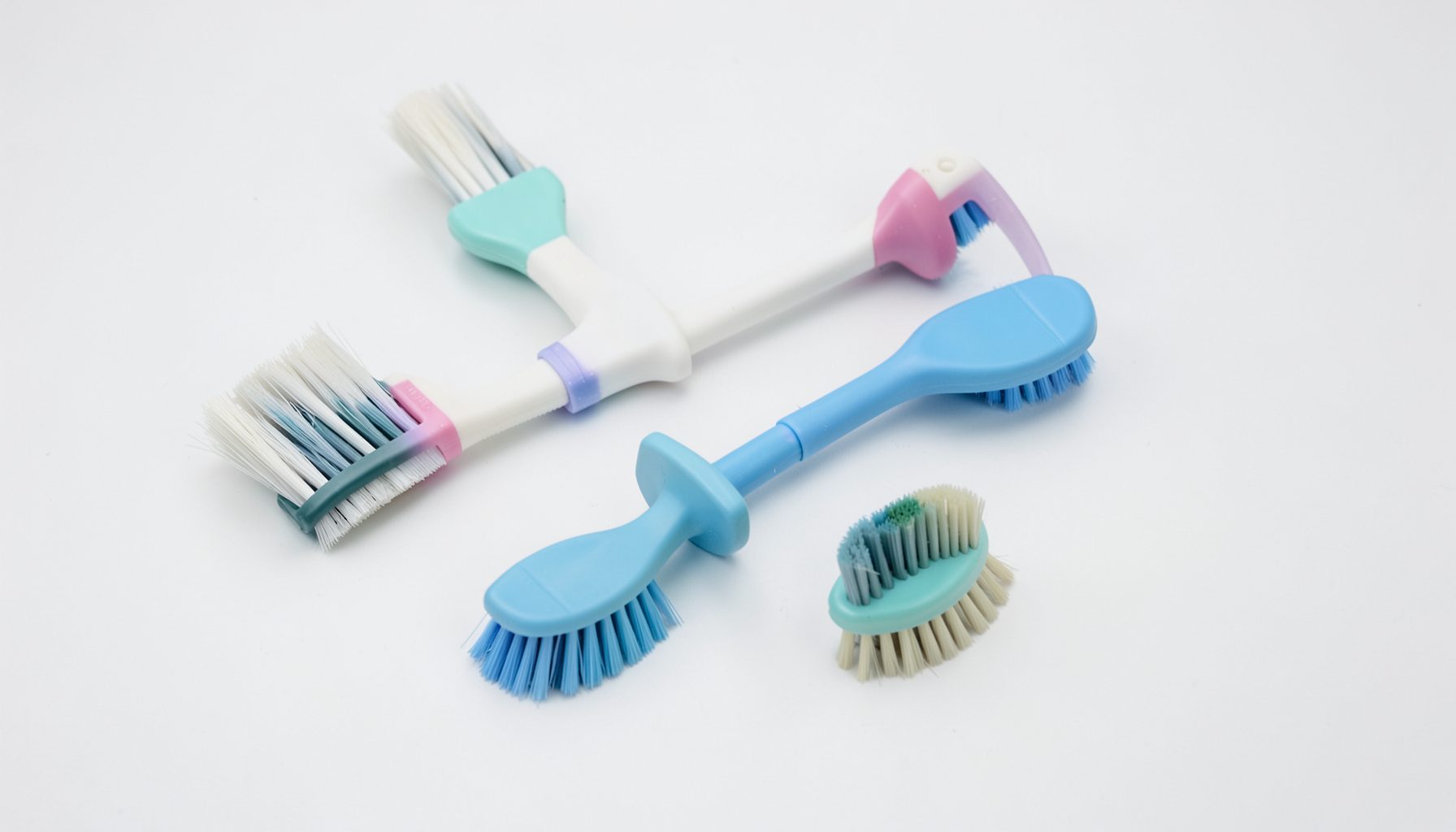
From the basic ResQRinse Nasal Rinse System ($19.99) to 90-day complete kits, saline packets, cleaning brushes, and Sinoptim Nasal Mist.
Browse all products →Get Started with ResQRinse
Ready to experience a better nasal rinse? Fill out the form below and we'll help you find the right product — or follow the simple steps to begin rinsing today.
Request More Information
How to Use ResQRinse
Fill the Bottle
Fill the ResQRinse squeeze bottle with distilled or previously boiled water and add one premixed saline packet.
Position the Tip
Place the comfort tip gently against one nostril. No head-tilting or awkward neck angles needed.
Squeeze & Breathe
Squeeze the bottle gently while breathing through your mouth. Nasal Lock™ keeps saline in your nasal passages and out of your throat.
Repeat & Clean
Switch nostrils and repeat. After use, rinse the bottle and let it air dry. Use ResQRinse Premium Cleaning Brushes for thorough cleaning.
Nasal Rinse Support for Dusty Workplaces
Construction crews, farmers, landscapers, miners and outdoor maintenance workers regularly deal with airborne particles that can irritate the nose and upper airways. Concrete dust, soil, grain, pollen, sawdust and road dust may leave the nose feeling blocked, dry, itchy or coated by the end of a shift.
A nasal rinse can help wash away this unwanted material and loosen thick mucus, making it easier to breathe comfortably after work. It should support, rather than replace, workplace controls such as ventilation, wet-cutting methods, suitable respiratory protection and good personal hygiene.
Why Dust Can Make Your Nose Feel Blocked
Dust does not affect every worker in the same way. A person cutting masonry may inhale fine silica-containing particles, while someone harvesting grain may encounter chaff, mould spores and organic dust. On Australian farms, dry conditions, strong winds and long periods outdoors can increase the amount of material settling around the face and inside the nasal passages.
The nose is designed to filter airborne particles with hairs, mucus and tiny moving structures called cilia. When exposure is heavy, mucus can become thick and sticky. This may cause congestion, sneezing, post-nasal drip, a dry or burning sensation and the urge to blow your nose repeatedly.
Seasonal conditions can add another layer. Wattle pollen, grass pollen and smoke from planned burns or bushfires may affect workers in regional areas, while traffic pollution and construction dust can be common around Sydney, Melbourne, Brisbane and Perth. A rinse may help clear irritants from the nasal passages, although it cannot prevent an allergic reaction or treat a serious respiratory condition.
How Nasal Irrigation Helps After A Shift
Nasal irrigation uses a saline solution to flush the nasal passages. Unlike simply blowing your nose, rinsing can reach areas where mucus and fine particles have collected. The fluid may thin secretions and provide temporary relief from the dry, congested feeling that often follows dusty work.
A squeeze-bottle system can offer a controlled stream that moves through one nostril and out the other. Many people find this easier to manage than a traditional neti pot, particularly when they want a consistent flow after changing out of work clothes. A comfortable device and correctly mixed saline can make the routine easier to maintain.
Rinsing is generally most useful after exposure, rather than as permission to work without protection. Workers should remove dusty clothing, wash their face and hands, and avoid carrying contaminated dust into the home or vehicle. If symptoms include wheezing, chest tightness, persistent coughing or breathlessness, seek medical advice promptly rather than relying on nasal irrigation.
Selecting A System For Dusty Work
For frequent use, look for a nasal rinse kit that is straightforward to fill, easy to grip and simple to clean. A squeeze bottle may suit workers who want a portable option in a bathroom or break-room setting. Saline packets can help provide a measured amount of salt, reducing the chance of an overly weak or concentrated mixture.
A child-sized system may be appropriate for younger family members exposed to farm dust, but children should use it with adult supervision and according to the product instructions. Nasal mist can be useful when the main problem is dryness or when a full rinse is impractical, though a mist does not flush the passages in the same way as an irrigation bottle.
ResQRinse describes its product range, design approach and nasal care purpose on the ResQRinse about page. Whichever system you choose, check that the bottle, cap and nozzle can be washed thoroughly and allowed to dry completely between uses.
Safe Water And Correct Technique
Never use untreated tap water directly in a nasal rinse. Use sterile or distilled water, or tap water that has been boiled and allowed to cool, following Australian health guidance and the product directions. Water should be comfortably warm, not hot. Clean hands and a clean bottle are equally important.
Mix the saline exactly as directed. Too little salt can sting, while too much may increase dryness or irritation. Lean over a sink, keep your mouth open, breathe normally and use gentle pressure. Forcing the solution can create discomfort or pressure around the ears.
After rinsing, allow the fluid to drain and blow your nose gently rather than forcefully. Wash the bottle and parts according to the instructions, then leave them to air-dry. Do not share a nasal rinse device, even within the same household. Replace components when they become worn, cracked or difficult to clean.
Workplace Dust Controls Still Matter
In Australia, work health and safety duties require employers to identify hazards and control risks. Fine respirable crystalline silica is a particular concern in construction, engineered-stone work, quarrying and masonry tasks. State and territory rules vary, but workplace controls commonly include wet methods, local exhaust ventilation, isolation, fit-tested respiratory protection and worker training.
A nasal rinse cannot remove particles from the lungs and is not a substitute for a properly selected respirator. Dust masks that do not seal correctly may provide limited protection, especially for workers with facial hair. Employers and workers should follow the relevant state or territory regulator’s requirements and the site’s safe work procedures.
For farmers, practical controls may include avoiding unnecessary dry sweeping, dampening dusty areas, maintaining machinery, using enclosed cabs where available and checking ventilation filters. A quick rinse and shower after work can reduce the amount of dust transferred to bedding, sofas and family members, especially when the workday ends in a small regional home or shared accommodation.
Adjusting Saline For Dryness And Irritation
A standard saline solution suits many people, but conditions can vary. Very dry air, prolonged exposure, heavy mucus or repeated daily rinsing may leave some users needing a different concentration. Increasing the salt without guidance can worsen stinging, so changes should be made carefully and according to reliable instructions.
The ResQRinse guide on stronger saline concentration explains situations in which a more concentrated solution may be considered and why correct preparation matters. It is sensible to stop if rinsing causes persistent pain, bleeding or worsening irritation.
People with frequent nosebleeds, recent nasal surgery, severe blockage or ongoing sinus symptoms should speak with a pharmacist or doctor before starting regular irrigation. In Australia, a local GP, community pharmacist or healthdirect can help distinguish ordinary dust irritation from infection, allergy or another condition requiring treatment.
Building A Routine That Fits Australian Work
The easiest routine is one that matches the end of the shift. Keep the rinse system away from dusty tools, rinse after washing your hands and face, and use it before relaxing in the house. FIFO workers, seasonal farmhands and crews travelling between regional sites may prefer a compact kit with sealed saline packets and a clearly labelled water bottle for boiled or distilled water.
For workers commuting through heavy traffic in Melbourne or Sydney, rinsing after a dusty site may also help clear a mixture of construction particles and urban pollutants. In dry inland areas, it may be more useful to focus on gentle irrigation and moisture support, particularly when air conditioning or low humidity makes the nose feel raw.
The ResQRinse blog provides additional guidance about nasal rinsing, saline use and related concerns. Product instructions should always take priority, especially when using a children’s system, nasal mist or a complete cleaning kit.
Practical Recommendations For Dust-Exposed Workers
- Use a properly fitted respirator and follow the site’s dust-control procedures before relying on any after-work nasal care.
- Rinse after washing your hands and face, using sterile, distilled or correctly boiled and cooled water.
- Choose measured saline packets and a bottle that can be fully cleaned and dried.
- Keep dusty work clothes, boots and equipment out of bedrooms and living areas.
- Arrange medical advice for breathlessness, persistent cough, repeated nosebleeds, facial pain or symptoms that do not settle.
A nasal rinse can be a simple addition to an end-of-shift hygiene routine for people working around soil, grain, concrete, pollen and other airborne irritants. Select a suitable system, prepare the solution safely and treat respiratory protection as the first line of defence.
Explore the available ResQRinse systems, saline supplies and cleaning accessories through the brand’s online retail channels, including Amazon and Walmart where available. Use nasal irrigation consistently and carefully to help keep dusty-work days from lingering in your nose after the shift ends.