ResQRinse is the nasal irrigation squeeze bottle that eliminates head-tilting and awkward neck positions. Using proprietary Nasal Lock™ technology, it delivers a comfortable, gag-free sinus cleanse — no more saline dripping down your throat.

Relief From Fall Sneezes
Now sold on Walmart.com. Free shipping on orders $30+. Try ResQRinse today with your everyday purchases.
Shop at WalmartWhy ResQRinse?
Nasal rinsing helps relieve congestion from colds, allergies, sinusitis, hay fever, and environmental pollutants. ResQRinse makes it comfortable enough to become a daily habit.
Nasal Lock™ Technology
Isolates sinuses from the throat using natural choanal occlusion — like inflating a balloon — so saline stays where it belongs.
Learn more →
Drug-Free Relief
Uses premixed saline packets with distilled water. No medications, no preservatives — just a natural cleanse for your nasal passages.
How to rinse →
For Kids Too
ResQRinse for Kids features a comfort nasal tip right-sized for smaller nostril openings, making rinsing gentle and easy for children.
Shop kids' version →
Breath-Controlled Flow
You control the saline flow with your own breath pressure — high volume, low pressure irrigation that's comfortable and effective.
Watch how-to videos →
Better Compliance
Designed to overcome the gagging and discomfort that cause people to abandon traditional neti pots and nasal rinse systems.
Our story →
Complete Kits Available
From the basic ResQRinse Nasal Rinse System ($19.99) to 90-day complete kits, saline packets, cleaning brushes, and Sinoptim Nasal Mist.
Browse all products →Get Started with ResQRinse
Ready to experience a better nasal rinse? Fill out the form below and we'll help you find the right product — or follow the simple steps to begin rinsing today.
Request More Information
How to Use ResQRinse
Fill the Bottle
Fill the ResQRinse squeeze bottle with distilled or previously boiled water and add one premixed saline packet.
Position the Tip
Place the comfort tip gently against one nostril. No head-tilting or awkward neck angles needed.
Squeeze & Breathe
Squeeze the bottle gently while breathing through your mouth. Nasal Lock™ keeps saline in your nasal passages and out of your throat.
Repeat & Clean
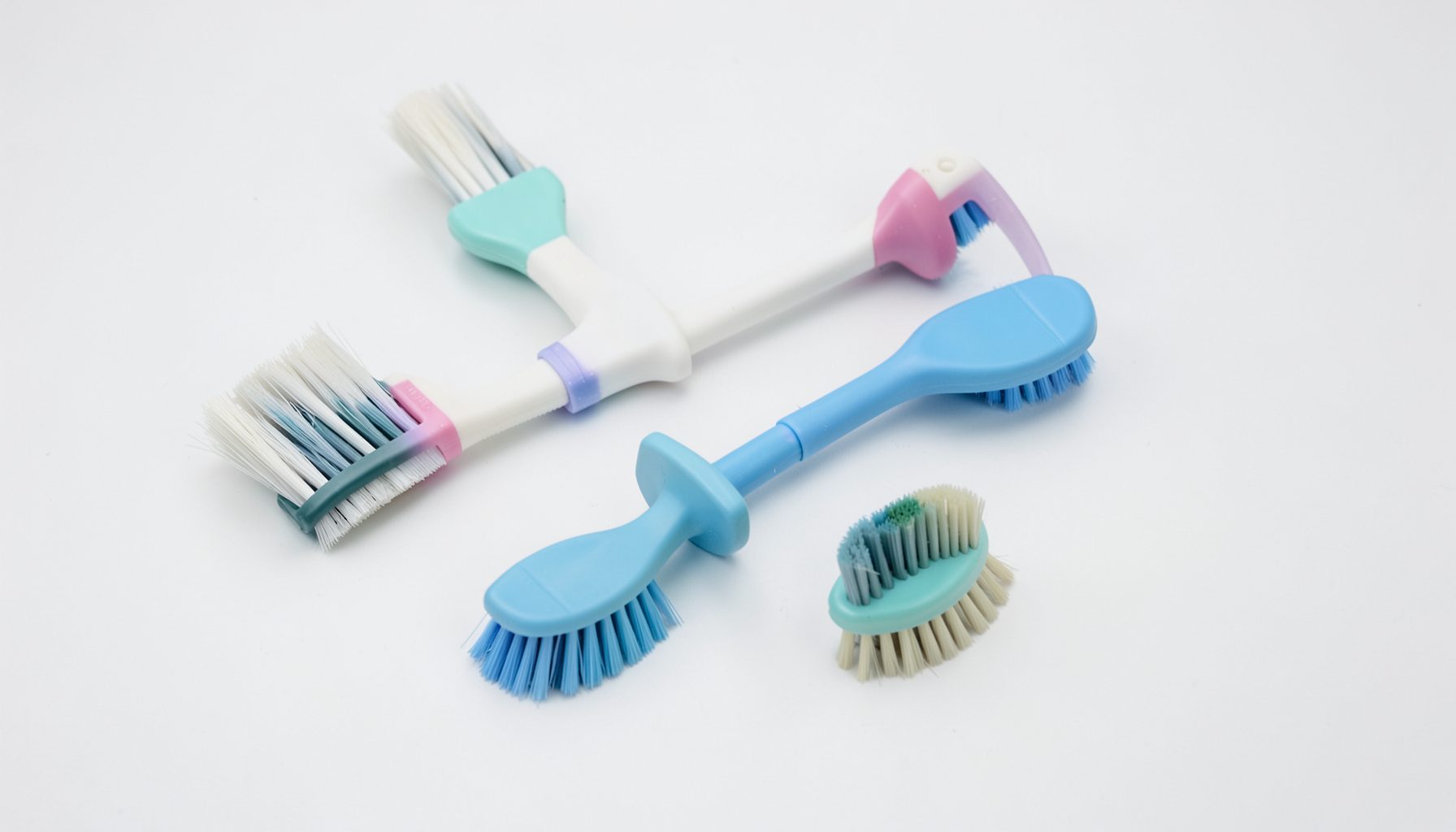
Switch nostrils and repeat. After use, rinse the bottle and let it air dry. Use ResQRinse Premium Cleaning Brushes for thorough cleaning.
Nasal Rinse for Chronic Rhinosinusitis Management
Chronic rhinosinusitis is a long-lasting inflammatory condition affecting the nose and sinus spaces. Symptoms may continue for 12 weeks or longer and can include nasal blockage, thick drainage, facial pressure, reduced sense of smell, cough, and postnasal drip. The condition may involve allergies, nasal polyps, infection, irritants, or changes in sinus drainage.
A saline nasal rinse can help wash away mucus, allergens, and airborne particles while adding moisture to irritated nasal passages. It does not cure every cause of chronic rhinosinusitis, but it can be a useful part of a broader care plan recommended by a healthcare professional.
Consistent technique matters as much as the device itself. Water safety, comfortable pressure, regular cleaning, and an appropriate schedule can make nasal irrigation easier to maintain. A squeeze-bottle system such as ResQRinse is designed to provide controlled flow, while Nasal Lock technology helps create a more secure fit during use.
Understanding Chronic Rhinosinusitis
Chronic rhinosinusitis differs from a short-term cold or occasional allergy flare. The inflammation may persist between noticeable symptom increases, leaving the nasal lining swollen and drainage pathways narrowed. Some people experience constant congestion, while others mainly notice pressure, thick mucus, fatigue, or a diminished ability to smell.
A clinician may evaluate symptoms, examine the nasal passages, and consider allergies, asthma, dental concerns, structural blockages, or nasal polyps. Treatment can include saline irrigation, prescribed nasal medication, allergy management, or additional care depending on the underlying cause. A rinse should support this plan rather than replace professional diagnosis or prescribed therapy.
Saline irrigation works mechanically. The solution moves through the nasal passages, loosening secretions and rinsing away irritants. This may reduce the amount of material sitting against inflamed tissue and can make the nose feel clearer before other treatments are used.
How Saline Irrigation Supports Symptom Relief
For many people, the most noticeable benefit is improved mucus clearance. A rinse can soften crusted or thick secretions, helping them leave the nose more easily. Moisture may also reduce the dry, tight sensation that often accompanies indoor heating, air conditioning, medication use, or ongoing inflammation.
Rinsing can be especially useful after exposure to dust, pollen, smoke, or other airborne irritants. People with seasonal allergies may use it during periods of increased exposure, while those with chronic symptoms may prefer a regular routine. The ideal frequency varies, and using a rinse more often is not automatically better.
Comfort is an important factor in long-term adherence. Water that is too cold or too warm may make the experience unpleasant, while excessive pressure can irritate sensitive tissue. These warming rinse tips explain how to prepare water at a comfortable temperature without compromising safety.
Selecting A Rinse System
A squeeze bottle gives the user direct control over the speed and pressure of the saline flow. This can be helpful for people who want a portable, straightforward system that is easy to use at a sink. The bottle should feel easy to grip, and the tip should sit comfortably without requiring force.
Traditional neti pots rely on gravity and may suit people who prefer a slower flow. However, some users find it difficult to maintain a consistent angle or avoid spills. A squeeze-bottle design can offer a more guided experience, especially when the nozzle is shaped to fit the nostril securely.
ResQRinse systems include adult and children’s options, saline packets, cleaning brushes, complete kits, and nasal mist. Nasal Lock technology is intended to help stabilize the nozzle and direct the saline flow. Product selection should reflect age, hand strength, comfort preferences, and the ability to clean and store the equipment correctly.
| Feature | Squeeze-Bottle Rinse | Neti Pot | Nasal Mist |
|---|---|---|---|
| Flow control | User-controlled pressure | Primarily gravity-fed | Light spray or fine mist |
| Best suited for | Mucus and irritant removal | Gentle, low-pressure rinsing | Moisture and quick refreshment |
| Portability | Generally easy to carry | Requires careful handling | Compact and convenient |
| Cleaning needs | Bottle, tip, and accessories | Pot and spout | No-rinse or limited-rinse design varies |
| Saline volume | Usually larger rinse volume | Moderate rinse volume | Usually smaller amount |
Using Nasal Irrigation Safely
Water safety is essential. Use distilled or sterile water, or tap water that has been boiled and cooled according to public health guidance. Do not use untreated water directly from the tap for nasal irrigation. Prepared saline packets can simplify mixing and help provide the intended salt balance when used with the recommended volume of water.
Wash your hands before preparing the rinse. Follow the device instructions, use the correct amount of saline, and avoid sharing the bottle or nozzle with another person. After use, empty remaining solution, rinse the components as directed, and allow them to dry fully in a clean area. A cleaning brush can help reach internal surfaces that are difficult to wash by hand.
The flow should feel gentle rather than forceful. Lean over a sink, breathe through your mouth, and let the solution travel through without trying to create extra pressure. Stop if you experience sharp pain, significant bleeding, severe ear pressure, or worsening symptoms. For additional guidance on recognizing excessive use, review these signs of over-rinsing.
Building A Sustainable Routine
A chronic condition often requires a routine that can be maintained during ordinary workdays, travel, and symptom flare-ups. Some people rinse once daily, while others use irrigation less often or follow a clinician’s specific instructions. If the nose feels increasingly dry, sore, or irritated, reduce frequency and seek advice rather than continuing automatically.
The timing of a rinse can also affect comfort. Many users prefer it after outdoor exposure or before bedtime, when clearing mucus may make rest easier. If a healthcare professional has prescribed a nasal spray, ask whether irrigation should occur before the medication so the spray is applied to a cleaner nasal surface.
Keep the system in a dry, ventilated location rather than a closed, damp container. Replace components when they become cracked, cloudy, difficult to clean, or worn. Review manufacturer instructions for cleaning and replacement intervals, because materials and designs differ between devices.
When To Seek Additional Care
Persistent symptoms deserve medical attention, particularly when they interfere with sleep, work, exercise, or the sense of smell. A clinician can determine whether chronic rhinosinusitis, allergy, a structural issue, nasal polyps, or another condition is contributing to the problem. Recurrent symptoms after temporary relief may signal the need to reassess the treatment plan.
Seek prompt medical care for swelling around the eyes, vision changes, severe headache, high fever, confusion, neck stiffness, or rapidly worsening facial swelling. Frequent nosebleeds, severe one-sided blockage, or substantial pain during every rinse also warrant evaluation.
A rinse may loosen mucus and improve day-to-day comfort, but it cannot remove a polyp, correct a deviated septum, or treat every infection. Using it alongside professional care provides a more appropriate approach than relying on irrigation alone.
Practical Ways To Improve Daily Use
A few simple habits can make saline irrigation more comfortable and consistent:
- Prepare fresh saline solution for each use instead of storing leftover mixture.
- Use sterile, distilled, or properly boiled and cooled water.
- Keep the pressure gentle and let the saline flow naturally.
- Clean and dry the bottle, nozzle, and accessories after every use.
- Track irritation, bleeding, pressure, or symptom changes and discuss concerns with a healthcare professional.
Families should choose a children’s system only when the child can cooperate safely with the process and an adult can supervise. A child should never be pressured to tolerate painful flow or use another person’s device.
People who want product information, care instructions, and updates can browse the ResQRinse updates section. Complete kits and replacement supplies are available through major online retailers, including Walmart and Amazon, making it easier to maintain the equipment needed for a regular routine.
Used correctly, nasal irrigation can be a practical supportive measure for chronic rhinosinusitis management. Choose a comfortable system, prepare saline with safe water, clean every component, and follow the guidance of a qualified healthcare professional. Explore ResQRinse products and select the rinse format that fits your symptoms, routine, and comfort needs.