ResQRinse is the nasal irrigation squeeze bottle that eliminates head-tilting and awkward neck positions. Using proprietary Nasal Lock™ technology, it delivers a comfortable, gag-free sinus cleanse — no more saline dripping down your throat.

Relief From Fall Sneezes
Now sold on Walmart.com. Free shipping on orders $30+. Try ResQRinse today with your everyday purchases.
Shop at WalmartWhy ResQRinse?
Nasal rinsing helps relieve congestion from colds, allergies, sinusitis, hay fever, and environmental pollutants. ResQRinse makes it comfortable enough to become a daily habit.
Nasal Lock™ Technology
Isolates sinuses from the throat using natural choanal occlusion — like inflating a balloon — so saline stays where it belongs.
Learn more →
Drug-Free Relief
Uses premixed saline packets with distilled water. No medications, no preservatives — just a natural cleanse for your nasal passages.
How to rinse →
For Kids Too
ResQRinse for Kids features a comfort nasal tip right-sized for smaller nostril openings, making rinsing gentle and easy for children.
Shop kids' version →
Breath-Controlled Flow
You control the saline flow with your own breath pressure — high volume, low pressure irrigation that's comfortable and effective.
Watch how-to videos →
Better Compliance
Designed to overcome the gagging and discomfort that cause people to abandon traditional neti pots and nasal rinse systems.
Our story →
Complete Kits Available
From the basic ResQRinse Nasal Rinse System ($19.99) to 90-day complete kits, saline packets, cleaning brushes, and Sinoptim Nasal Mist.
Browse all products →Get Started with ResQRinse
Ready to experience a better nasal rinse? Fill out the form below and we'll help you find the right product — or follow the simple steps to begin rinsing today.
Request More Information
How to Use ResQRinse
Fill the Bottle
Fill the ResQRinse squeeze bottle with distilled or previously boiled water and add one premixed saline packet.
Position the Tip
Place the comfort tip gently against one nostril. No head-tilting or awkward neck angles needed.
Squeeze & Breathe
Squeeze the bottle gently while breathing through your mouth. Nasal Lock™ keeps saline in your nasal passages and out of your throat.
Repeat & Clean
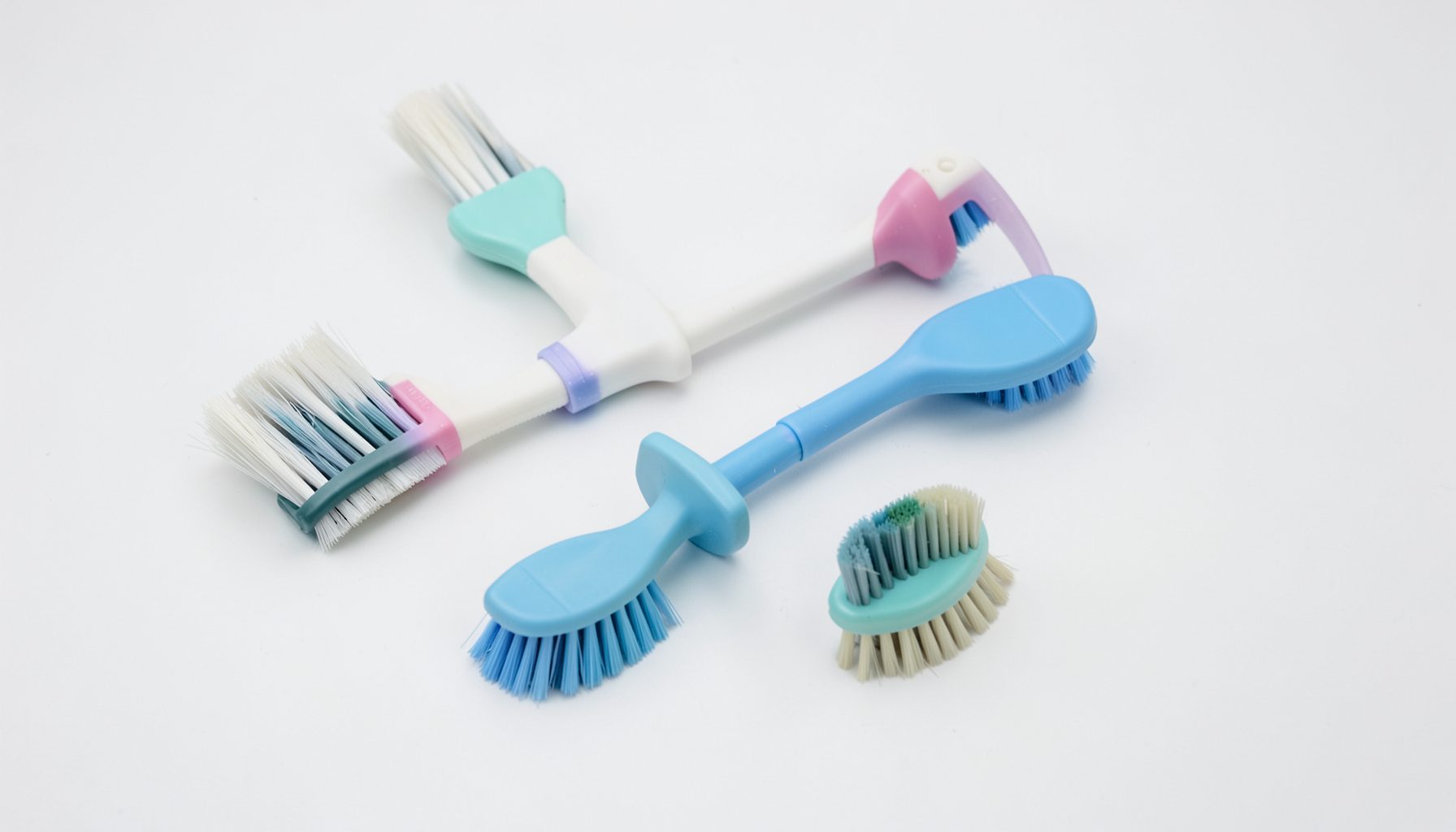
Switch nostrils and repeat. After use, rinse the bottle and let it air dry. Use ResQRinse Premium Cleaning Brushes for thorough cleaning.
Nasal irrigation solutions for truckers facing dry cabin air
Driving a B-double across the vast stretches between Sydney and Perth, hauling freight through the dry interior, means spending entire shifts sealed inside a climate-controlled cab. Many Australian truckers log twelve-hour days behind the wheel, often running heating or air-conditioning for the full duration to manage everything from frosty alpine passes to scorching Pilbara afternoons. That constant airflow quietly strips moisture from the mucous membranes inside the nose, leaving passages parched, irritated, and vulnerable to the dust that works its way past even the best cabin filters.
The discomfort tends to build gradually. A driver might notice a scratchy throat first, then persistent congestion that no amount of throat-clearing fixes. By the time the rig pulls into a roadhouse near Broken Hill or rolls into Adelaide for a rest break, the sinuses often feel blocked, heavy, and sore. Over weeks and months, that cycle of dryness, irritation, and incomplete recovery can wear down concentration, disturb sleep in the sleeper berth, and make every kilometre feel longer than it should.
A simple saline rinse can interrupt that pattern. Flushing the nasal passages with a balanced solution clears out the dust, pollens, and dried mucus that accumulate during long stints behind the wheel, while restoring the moisture that recirculated cabin air pulls from the tissue. For professional drivers spending five or more days a week inside a sealed environment, a small daily routine can make the difference between finishing a run feeling drained and finishing it ready for the next one.
Why long-haul cabs become a desert for your sinuses
Climate control systems in heavy vehicles are designed to keep drivers alert and comfortable, not to preserve the humidity inside the cab. Heaters push out warm, bone-dry air through the dashboard vents, while air-conditioners cool and dehumidify at the same time. Over a twelve-hour shift from Melbourne to Brisbane, the cabin humidity can drop to levels similar to those found in aircraft cabins, which researchers have linked to faster moisture loss from nasal tissue.
Cabin air filters help, but they cannot remove every grain of red dust stirred up on outback roads, nor the fine particulate matter that drifts in whenever a driver opens a window at a roadhouse to grab a coffee. Add pollen from regional centres like Wagga Wagga or the wheat belts of Western Australia during harvest season, and the nasal cavity ends up fighting a constant, low-level battle against irritants. The body responds with swelling, mucus production, and that familiar blocked-up feeling that settles in around the eyes and forehead.
Compounding the problem, drivers often breathe through the mouth when congestion sets in, which further dries the upper airways and disrupts sleep once the rig is parked for the night. That mouth-breathing habit is one of the strongest signals that nasal tissue needs more than just water from a bottle — it needs the kind of targeted rinse that can reach the deeper passages where the irritation starts.
How saline rinses counteract hours of dry, recirculated air
A saline rinse works in two ways at once. The fluid physically washes out particles, allergens, and excess mucus, while the salt content helps the tissue retain moisture and reduces the swelling that narrows the airways. For drivers who clock up long stints on routes such as the Barrier Highway or the cross-continental corridor to Darwin, even a brief rinse after a shift can leave breathing noticeably clearer the next morning.
Modern squeeze-bottle systems are a practical step up from the traditional neti pot. Where a neti pot relies on gravity and head tilting, a bottle delivers a steady, gentle stream that can be controlled with one hand, which is useful when a driver is still wearing work boots and standing in a tight sleeper berth. The sealed bottle also means no spilling across the bunk, and the saline packets are tidy enough to pack into a duffel alongside a thermos and a clean cap.
Used consistently, rinses help restore the natural rhythm of the tiny hairs called cilia, which line the nasal passages and sweep contaminants toward the throat. When those cilia dry out, they slow down, allowing irritants to linger longer. Keeping them moist and active is one of the simplest defences a driver can build against the cumulative load of cabin air.
Picking a portable system that fits a sleeper berth
Space is precious inside a truck cab, so any new item has to earn its place. A compact squeeze bottle, a small stack of pre-measured saline sachets, and a cleaning brush can all live in a single container roughly the size of a lunchbox, tucked beside a thermos or stored in the overhead console. The whole kit weighs almost nothing and is easy to grab during a rest stop at a Caltex or a regional depot.
Look for a system designed around a sealed bottle rather than an open vessel. Open-top designs can splash during bumpy sections of road, and a wet sleeper berth in the middle of a night run is nobody's idea of comfort. Bottles with one-way valves also reduce the chance of solution running down the back of the throat in an unpleasant rush, which can put drivers off rinsing altogether. For a closer look at the mechanics of that sensation, the guide on preventing solution from dripping walks through the posture and breathing tricks that make the experience much smoother.
Children's kits and gentler mist sprays are worth considering for drivers who are new to irrigation and want to start with a lighter touch. A quick squirt of saline mist during a fuel stop in Dubbo can be enough to take the edge off midday congestion before climbing back into the cab for the next leg.
Building a rinse routine around driving windows
The best routine is the one a driver will actually keep, and the structure of the trucking day makes that fairly easy to map out. A morning rinse after washing up at the roadhouse sets up clean passages for the hours ahead. A second rinse after the longest driving stretch — often the afternoon run before a mandatory break — clears out everything that has settled during the day and helps the sinuses recover before sleep.
For drivers who sleep in the cab, a rinse just before bed is especially valuable. It reduces overnight mouth-breathing, eases the pressure that builds when lying flat, and makes it easier to drift off even after a long haul from Port Augusta to Whyalla or the final stretch into a freight terminal in Fremantle. Some drivers prefer a third, lighter mist spray halfway through a shift, particularly during summer when air-conditioning runs flat-out and the cabin feels drier than usual.
The routine only takes a few minutes once it is established, and the payoff shows up in how the next morning feels. Eyes feel less heavy, the head feels clearer, and the first coffee of the day goes down without that gritty, congested sensation that often follows a bad night in a dry cab.
Pairing irrigation with smart hydration on the road
Rinsing works best when the rest of the hydration picture is in order. Air-conditioned cabs can leave a driver dehydrated without them noticing, especially on long climbs through the Great Dividing Range where the heating system runs on full. Keeping a water bottle within reach and sipping steadily through the day helps the body produce the thin, healthy mucus that protects the sinuses, rather than the thick, sticky mucus that builds up when fluid intake drops.
Electrolyte sachets designed for drivers can be useful in moderation, particularly during summer runs through northern Queensland where the heat pushes fluid loss through sweat. Just be mindful that heavily sweetened drinks can leave the mouth feeling drier in the long run, which can indirectly affect how the nasal passages feel. A rinse in the morning, steady water through the day, and another rinse before bed covers most of what the sinuses need.
Drivers who have stepped away from smoking often find that irrigation speeds up the recovery of their sense of smell and reduces that persistent background congestion. Combined with reduced cabin air recirculation when conditions allow — for example, opening a window briefly in clean countryside air between towns — the result is a noticeably easier shift.
Common mistakes drivers make with on-the-road rinses
The most common slip-up is rinsing with water that is not properly prepared. Tap water should always be either boiled and cooled, filtered through a fine membrane, or replaced with a pre-mixed sterile saline solution. Skipping that step risks introducing organisms that the nose is not designed to handle, and the consequences can linger far longer than a blocked sinus. Bottled or distilled water from a roadhouse fridge is a perfectly safe backup if a driver runs out mid-run.
Another mistake is rinsing at the wrong angle. Tilting the head too far back sends fluid into the throat and ears rather than through the nasal cavity, which feels uncomfortable and discourages drivers from trying again. Leaning forward over a sink with the chin tucked slightly toward the chest keeps the flow where it needs to be and makes the whole process far more pleasant.
Finally, some drivers give up after a single try and declare the technique not for them. Like any new habit, the first rinse feels unfamiliar, and a small amount of trial and error with timing, angle, and saline strength is normal. Watching a quick demonstration can help, and the short clips on the ResQRinse video page show the technique in real time so drivers can see exactly what a comfortable rinse should look and feel like.
Beyond comfort: long-term respiratory benefits for drivers
The immediate reward is easier breathing, but the longer-term picture matters just as much. Drivers who rinse consistently through a working week tend to report fewer sinus infections, less reliance on over-the-counter decongestants, and better quality sleep in the cab. That combination adds up to sharper focus on the road, which is the single most important safety metric in the profession.
Over months and years, keeping the nasal tissue healthy and the cilia functioning properly reduces the cumulative wear that constant exposure to dry, dusty air can cause. It is a small daily investment that pays back every kilometre of the Sydney-to-Perth run, every night parked beside a loading bay in Townsville, and every morning a driver wakes up feeling ready to turn the key.
ResQRinse nasal irrigation systems are available online through major Australian retailers, with everything needed to start a routine bundled into complete kits. Drivers heading out on the next run can order a kit, tuck it into the cab, and begin a routine that turns hours of dry, recirculated air into a far more comfortable working environment.