ResQRinse is the nasal irrigation squeeze bottle that eliminates head-tilting and awkward neck positions. Using proprietary Nasal Lock™ technology, it delivers a comfortable, gag-free sinus cleanse — no more saline dripping down your throat.

Relief From Fall Sneezes
Now sold on Walmart.com. Free shipping on orders $30+. Try ResQRinse today with your everyday purchases.
Shop at WalmartWhy ResQRinse?
Nasal rinsing helps relieve congestion from colds, allergies, sinusitis, hay fever, and environmental pollutants. ResQRinse makes it comfortable enough to become a daily habit.
Nasal Lock™ Technology
Isolates sinuses from the throat using natural choanal occlusion — like inflating a balloon — so saline stays where it belongs.
Learn more →
Drug-Free Relief
Uses premixed saline packets with distilled water. No medications, no preservatives — just a natural cleanse for your nasal passages.
How to rinse →
For Kids Too
ResQRinse for Kids features a comfort nasal tip right-sized for smaller nostril openings, making rinsing gentle and easy for children.
Shop kids' version →
Breath-Controlled Flow
You control the saline flow with your own breath pressure — high volume, low pressure irrigation that's comfortable and effective.
Watch how-to videos →
Better Compliance
Designed to overcome the gagging and discomfort that cause people to abandon traditional neti pots and nasal rinse systems.
Our story →
Complete Kits Available
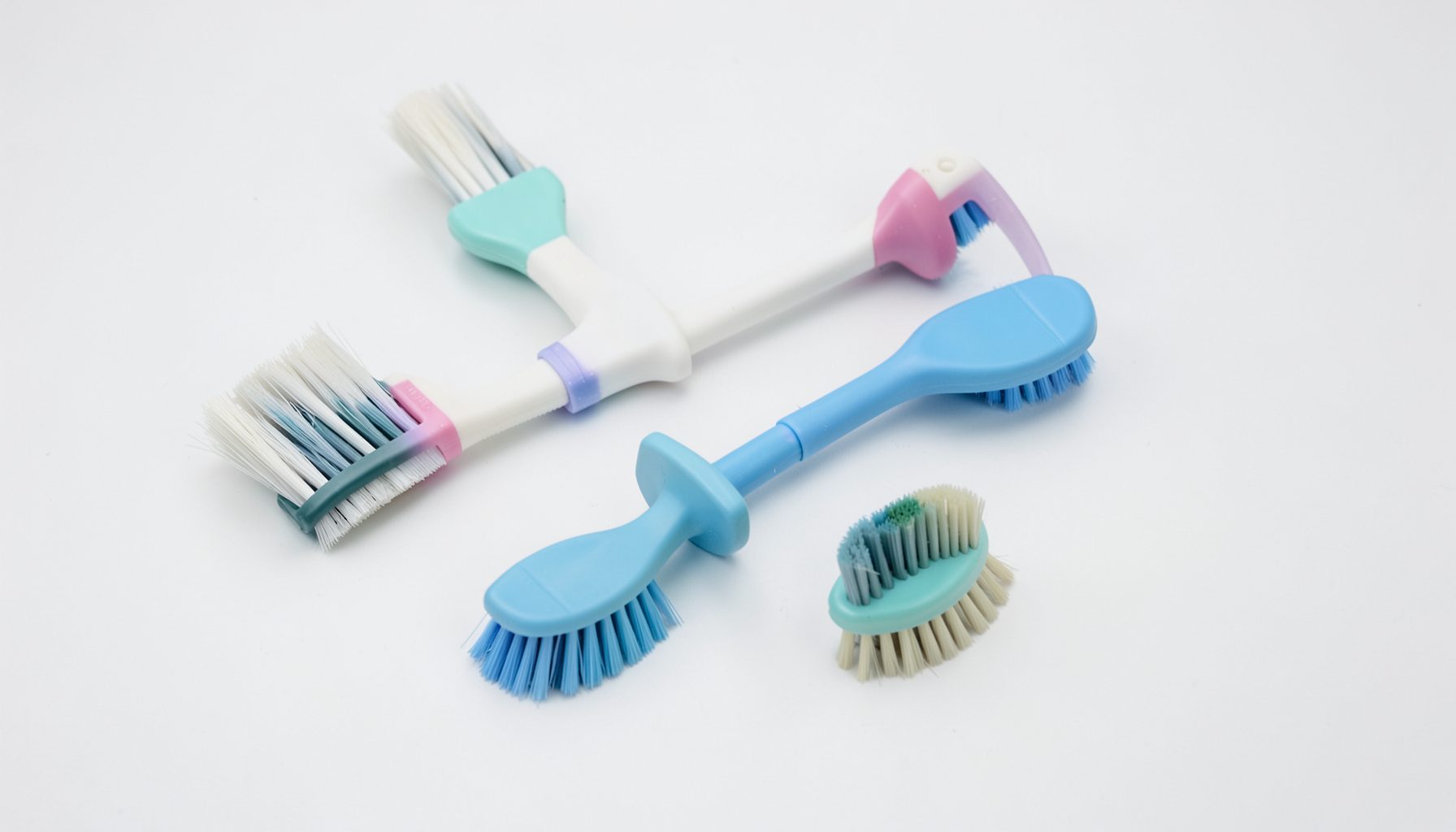
From the basic ResQRinse Nasal Rinse System ($19.99) to 90-day complete kits, saline packets, cleaning brushes, and Sinoptim Nasal Mist.
Browse all products →Get Started with ResQRinse
Ready to experience a better nasal rinse? Fill out the form below and we'll help you find the right product — or follow the simple steps to begin rinsing today.
Request More Information
How to Use ResQRinse
Fill the Bottle
Fill the ResQRinse squeeze bottle with distilled or previously boiled water and add one premixed saline packet.
Position the Tip
Place the comfort tip gently against one nostril. No head-tilting or awkward neck angles needed.
Squeeze & Breathe
Squeeze the bottle gently while breathing through your mouth. Nasal Lock™ keeps saline in your nasal passages and out of your throat.
Repeat & Clean
Switch nostrils and repeat. After use, rinse the bottle and let it air dry. Use ResQRinse Premium Cleaning Brushes for thorough cleaning.
Nasal Irrigation for Fragrance Sensitivity Relief in Australia
Walking into a fragrance-heavy lift in a Brisbane high-rise or standing beside a colleague doused in cologne at an open-plan Sydney desk can turn a calm morning streaming and sneeze-filled. Aussies with perfume sensitivity know the routine: blocked sinuses, itchy eyes, and that heavy pressure behind the forehead. Many reach for antihistamines, but a growing number are turning to nasal irrigation to physically rinse scent residues from the passages before they trigger a full reaction.
Squeeze-bottle saline systems, such as those built around Nasal Lock technology, slot neatly into a busy Australian day. Whether navigating a packed commute, ferrying kids to Saturday netball, or trying to enjoy a quiet arvo on a balcony while a neighbour burns scented candles, having a gentle rinse on hand shortens recovery time and reduces reliance on medication.
Why fragrance sensitivity feels overwhelming in Australian life
Australian workplaces and social spaces run heavily fragranced. Open-plan offices in Sydney and Melbourne, EOFY functions at the pub, even the local chemist run — strong perfumes, body mists, and heavily scented laundry detergents are everywhere. The TGA notes that scent-related complaints have risen alongside broader workplace diversity policies, yet many shared environments still lack fragrance-free guidelines.
Layer the harsh climate on top. Summer brings bushfire smoke that already stresses airways, while spring unleashes wattle pollen along the eastern seaboard. When smoke and pollen mix with a stranger's perfume drifting through a shopping-centre food court, the nasal lining copes with three triggers at once. Rinsing afterwards helps lift the load rather than letting it sit and inflame.
Then there is the sunscreen reality. Many Australians wear SPF50 blended with coconut or vanilla scents, especially at a mate's backyard barbie. On a windy Bondi afternoon, that scented aerosol drifts and lands on anyone nearby. Anyone reactive can feel their nose respond within minutes, making a discreet lunch-break rinse genuinely useful.
What happens inside the nose when scent particles land
Fragrance molecules are tiny, volatile, and lipid-soluble, so they slip easily into the soft tissues lining the nasal cavity. Once there, they bind to sensory nerve endings and, in sensitive people, trigger immune cells to release histamine and other inflammatory chemicals. Blood vessels swell, mucus production climbs, and the airway narrows.
This reaction is not the same as hay fever, even though symptoms overlap. Hay fever is driven by pollen proteins recognised by IgE antibodies. Fragrance sensitivity often involves a mix of irritant effects and immune responses, particularly to synthetic musks, aldehydes, and certain essential oils used in plug-in air fresheners.
Rinsing works because it physically displaces the molecules before they bind deeply. A steady, low-pressure flow of isotonic saline washes the vestibule and the deeper turbinate areas where scent residues sit. Doing so lowers the inflammatory burden and gives the mucous membranes a calm window to recover.
How gentle saline flushing clears reactive tissue
A squeeze-bottle rinse delivers a broad, gentle stream that reaches both nostrils at once, unlike a neti pot which relies on gravity through one side. The continuous flow sweeps across the nasal floor, lifting trapped particles and excess mucus. For a raw nose after exposure to perfume in a crowded Westfield, that sweeping motion brings quick relief.
Isotonic saline, matched to the body's natural salt concentration, is the standard choice for everyday rinsing. It cleans without stinging or drying the mucosal lining. People who feel particularly inflamed after a heavy-fragrance event can use a slightly hypertonic mix for a few days, returning to isotonic once symptoms ease.
Frequency matters more than volume for sensitive users. A morning rinse clears overnight buildup, and an evening rinse removes the day's accumulation. During a particularly heavy exposure — such as a wedding reception or a Melbourne Cup luncheon — a discreet rinse in the bathroom soon after leaving can prevent a delayed reaction from peaking that night.
Squeeze bottles versus neti pots for everyday Aussies
Neti pots have a long history and work well for some, yet they require a head-tilt that many Australians find awkward in a small office bathroom. They also pour with gravity, meaning the flow slows as the pot empties and solution sometimes sits in one side. Squeeze bottles put the user in control of pressure and pace.
Systems built around Nasal Lock technology create a soft seal inside the nostril so solution flows where it should without leaking down the throat. The angled tip follows the natural floor of the nasal passage, reducing the gagging or ear-popping that puts some people off rinsing for life. For anyone ready to upgrade from a neti pot or start fresh, the complete rinse kits include bottle, saline packets, and cleaning brush in one purchase.
Children's versions use a softer tip and a smaller volume, useful for school-aged kids reacting to classroom air fresheners or strongly scented classmates. Travelling adults appreciate the leak-proof cap, which keeps things tidy inside a work tote or a carry-on bag for a flight from Perth to Hobart.
Building a rinse habit around arvo meetings and summer pollen
Rinsing works best when it slots into a routine rather than happening only after a crisis. Many Australians keep a bottle in the bathroom and another in a desk drawer, ready for the moment someone walks past trailing heavy scent. A two-minute rinse between meetings is easier to manage than waiting until the headache sets in.
Pollen counts climb sharply in Australian spring, especially for wattle on the coast and ryegrass inland around the Riverina. Pairing morning irrigation with a shower keeps both skin and nasal passages clear before leaving home. After a long day in an air-conditioned office or on a dusty building site, an evening rinse prevents overnight congestion that disturbs sleep.
Storage and hygiene matter in the Australian heat. Bacteria multiply quickly in warm, damp environments, so the bottle should be emptied, rinsed, and air-dried after each use. A weekly clean with the included brush and a sterilising solution keeps the system safe, particularly when sharing a bathroom with kids or flatmates who also rinse.
Saline quality, water temperature, and packet preparation
Always start with cooled, previously boiled water or filtered water to avoid introducing pathogens. In regional areas where tank water is common, boiling is especially important. The water should be lukewarm — close to body temperature — to prevent the faint stinging that cold water can cause and that turns beginners off the practice.
Pre-measured saline packets take the guesswork out of concentration, but they occasionally clump or sit at the bottom of the bottle. Knowing what to do when your saline packet does not dissolve fully saves frustration and ensures every rinse delivers the right strength. Most packets dissolve within a few gentle shakes; if not, a few extra drops of warm water and a longer swirl usually finish the job.
Travelling Australians should keep a few spare packets in a dry bag, as humidity in tropical Cairns or Darwin can cause clumping inside foil wrappers. Replacing the bottle every few months keeps the silicone seal fresh and the flow consistent.
Navigating high-trigger seasons from wattle to dust storms
Different regions bring different nasal challenges. Sydney and the east coast face the wattle explosion from late winter into early spring, while inland areas contend with agricultural dust during seeding and harvest. Melbourne's northerly winds can whip up dust storms that coat everything in a fine layer, and Perth's summer easterlies carry inland heat and smoke whenever a bushfire burns to the north.
During these seasons, rinsing once or twice daily helps people sensitive to layered triggers — pollen plus perfume plus smoke — stay ahead of symptoms. A handy tip for public transport users is to rinse on arrival at the office rather than immediately after stepping off the train, giving the lining a moment to settle after the rapid air-pressure changes of underground stations.
Pairing saline care with fragrance-free moisturiser and laundry products strengthens the overall barrier and reduces the body's reaction load.
Practical adjustments that make a real difference
- Keep a small rinse bottle in the car for use immediately after leaving a high-fragrance venue such as a department store or dinner party.
- Choose fragrance-free sunscreen where possible, particularly for the face, to reduce scented aerosol drifting into the nose on windy days.
- Politely request a fragrance-free zone in shared workspaces, referencing TGA guidance if needed.
- Rinse before bed during pollen season to reduce morning congestion and improve sleep quality.
- Stay well hydrated with plain water, as mucosal tissues work better when the body is hydrated.
- Replace the bottle every three to six months, or sooner if the silicone shows wear.
- Store packets in an airtight container to prevent humidity-driven clumping during the wet season up north.
Take control of fragrance-triggered congestion today by exploring the full range of rinse systems, saline supplies, and children's options through ResQRinse. A simple daily rinse can reshape how the nose responds to the heavily scented world Australians move through, from city offices to coastal weekends, without leaning solely on medication.