ResQRinse is the nasal irrigation squeeze bottle that eliminates head-tilting and awkward neck positions. Using proprietary Nasal Lock™ technology, it delivers a comfortable, gag-free sinus cleanse — no more saline dripping down your throat.

Relief From Fall Sneezes
Now sold on Walmart.com. Free shipping on orders $30+. Try ResQRinse today with your everyday purchases.
Shop at WalmartWhy ResQRinse?
Nasal rinsing helps relieve congestion from colds, allergies, sinusitis, hay fever, and environmental pollutants. ResQRinse makes it comfortable enough to become a daily habit.
Nasal Lock™ Technology
Isolates sinuses from the throat using natural choanal occlusion — like inflating a balloon — so saline stays where it belongs.
Learn more →
Drug-Free Relief
Uses premixed saline packets with distilled water. No medications, no preservatives — just a natural cleanse for your nasal passages.
How to rinse →
For Kids Too
ResQRinse for Kids features a comfort nasal tip right-sized for smaller nostril openings, making rinsing gentle and easy for children.
Shop kids' version →
Breath-Controlled Flow
You control the saline flow with your own breath pressure — high volume, low pressure irrigation that's comfortable and effective.
Watch how-to videos →
Better Compliance
Designed to overcome the gagging and discomfort that cause people to abandon traditional neti pots and nasal rinse systems.
Our story →
Complete Kits Available
From the basic ResQRinse Nasal Rinse System ($19.99) to 90-day complete kits, saline packets, cleaning brushes, and Sinoptim Nasal Mist.
Browse all products →Get Started with ResQRinse
Ready to experience a better nasal rinse? Fill out the form below and we'll help you find the right product — or follow the simple steps to begin rinsing today.
Request More Information
How to Use ResQRinse
Fill the Bottle
Fill the ResQRinse squeeze bottle with distilled or previously boiled water and add one premixed saline packet.
Position the Tip
Place the comfort tip gently against one nostril. No head-tilting or awkward neck angles needed.
Squeeze & Breathe
Squeeze the bottle gently while breathing through your mouth. Nasal Lock™ keeps saline in your nasal passages and out of your throat.
Repeat & Clean
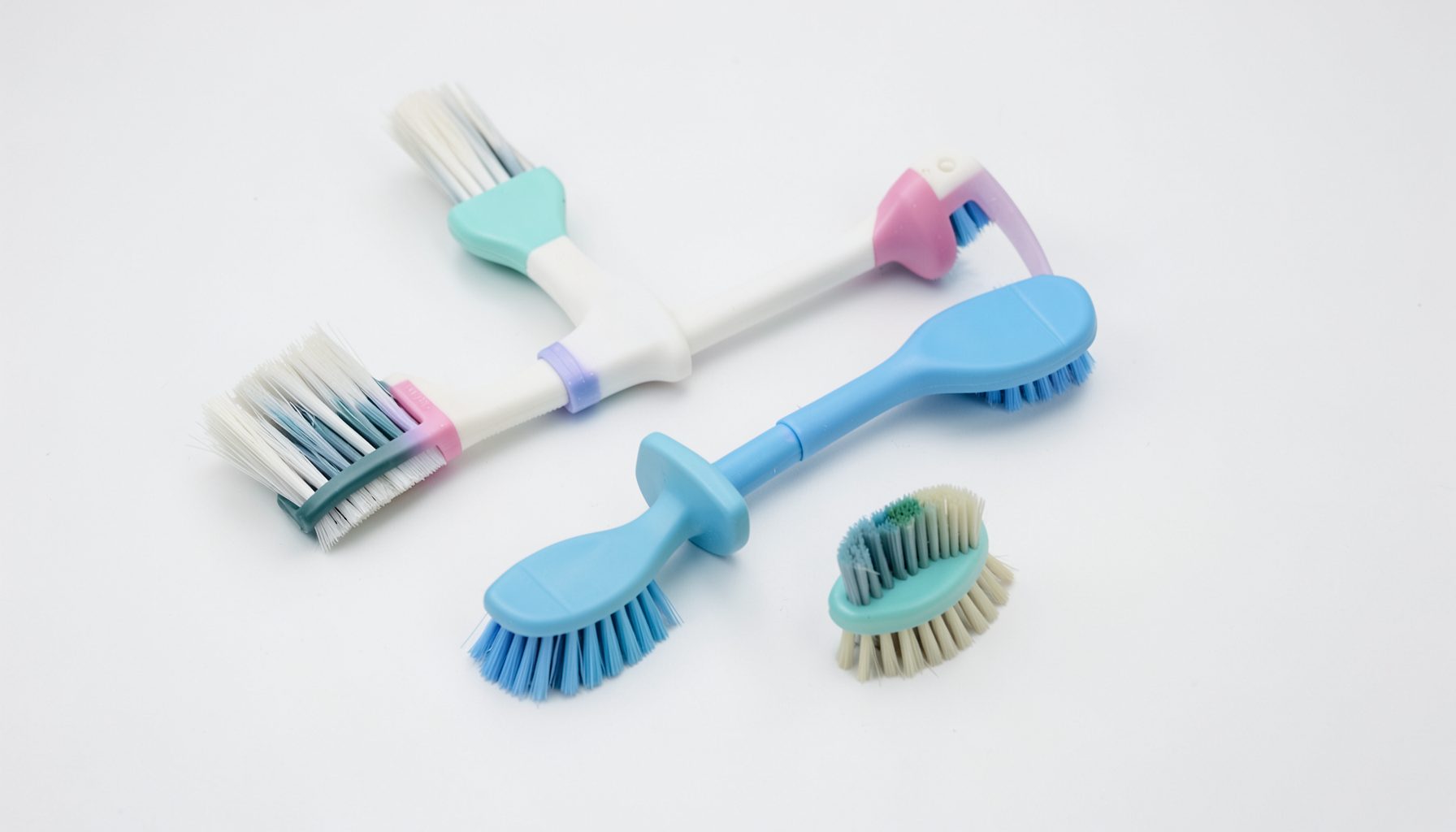
Switch nostrils and repeat. After use, rinse the bottle and let it air dry. Use ResQRinse Premium Cleaning Brushes for thorough cleaning.
Nasal Irrigation for Relief from Hormonal Pregnancy Rhinitis in Australia
Hormonal pregnancy rhinitis can make nasal congestion unusually persistent, especially during the second and third trimesters. Changes in oestrogen increase blood flow to the nasal lining, causing it to swell and produce extra mucus. For some women, this leads to facial pressure, disrupted sleep and difficulty exercising even when there is no infection.
Nasal irrigation can support clearer breathing by washing mucus and trapped irritants from the nasal passages. It is a practical way to manage symptoms while the hormonal changes continue, and it may also help when allergies or a cold add to the congestion. Used with sterile water and a clean device, saline rinsing is generally considered compatible with pregnancy; an obstetric clinician should guide care in complex or high-risk cases.
Why Hormonal Changes Cause Congestion
During pregnancy, oestrogen-driven changes affect the blood vessels and tissues throughout the body. In the nose, the nasal mucosa becomes engorged, narrowing the airway and encouraging mucus production. The effect can feel stronger at night because lying down changes drainage, and it may amplify snoring or mouth breathing. Symptoms often ease after delivery, although the timing varies.
Pregnancy-related rhinitis can resemble other conditions, so the label is not always self-evident. A viral infection, allergy, sinusitis and structural narrowing can produce similar symptoms. Melbourne’s spring grass-pollen season and sudden wind changes are familiar local triggers, while damp weather in Sydney can encourage indoor mould. When allergens coincide with hormonal swelling, ResQRinse’s allergy flare-up guidance explains why combining allergen management with a saline rinse may be useful.
What Saline Irrigation Can Do
A properly prepared saline rinse loosens thickened mucus and carries it out of the nose. The brief flushing action can also reduce the sensation of fullness and make breathing feel more comfortable before sleep. For a pregnant person who feels blocked but does not tolerate sprays well, a gentle rinse may provide a manageable alternative for day-to-day symptom relief.
Rinsing supports the nasal lining; it does not correct the hormonal changes causing it, and it should not replace treatment for an infection or another diagnosis. Use plain, sterile saline without essential oils, herbal additives or homemade salt mixtures. If symptoms are worsening, a clinician can consider pregnancy-appropriate medicines in addition to irrigation rather than relying on rinsing alone.
Choosing a Comfortable Rinse System
ResQRinse offers squeeze-bottle systems, single-use saline packets, cleaning brushes and complete kits, along with a nasal mist and options designed for children. The squeeze bottle is portable and lets the user control the pressure and flow more easily than a traditional neti pot. The brand’s Nasal Lock technology is designed to make the rinse feel controlled and comfortable, which matters when congestion makes insertion and breathing technique more challenging.
Choosing the kit is easier when the main priorities are comfort, cleanability and a steady supply of suitable saline. A bottle that separates the water and salt components can reduce measurement errors, while replaceable brushes help maintain the device. Australian shoppers can find products through online marketplaces such as Amazon and Walmart, but should confirm the seller, delivery arrangements, package contents and manufacturer instructions before ordering.
Using a Bottle Safely
Safe water is the foundation of nasal irrigation. Fill the bottle only with sterile or distilled water, or with water that has been boiled and cooled according to current health guidance. Commercial sterile saline packets are another convenient choice. Never rinse with untreated tap water, and do not add anything to the packet or bottle unless the manufacturer explicitly approves it.
Wash hands, fill the bottle and lean over a sink with the head slightly forward. Insert the nozzle only as far as it feels comfortable, open the airway and squeeze slowly, breathing through the mouth as directed. Stop if there is pain, forceful resistance, dizziness or bleeding. Comfortable technique matters more than trying to flush as much solution as possible, particularly during pregnancy.
After each use, empty the bottle, wash it as directed and let it air-dry in a clean, open space. A dedicated brush can reach recessed areas, and the bottle should be kept away from shared bathroom splashes. Replace components according to the instructions, and do not use a cracked or difficult-to-clean bottle. Cleaning reduces the chance of introducing contaminants into already irritated passages.
Fitting Rinsing Into Australian Daily Life
A consistent time often works better than an occasional rescue rinse. Many Australian homes and offices use air-conditioning through hot summers, and indoor dust, workplace irritants or mould spores may circulate in those sealed environments. A rinse before bed or before heading into a climate-controlled office can fit neatly into an existing routine.
Physical activity adds another possible trigger because heat, posture and fast breathing can make congestion feel worse. Pregnancy activity should remain within the advice of the obstetric team, but a comfortable nasal rinse may support clearer breathing around exercise. ResQRinse’s information on exercise related congestion provides useful context on saline rinsing and physical activity, without replacing individualised pregnancy guidance.
Australian Health and Medication Guidance
Australia’s Therapeutic Goods Administration regulates medicines and medical devices, while therapeutic goods intended for supply must meet applicable registration, listing or inclusion requirements. Medical devices generally must have sponsor inclusion in the Australian Register of Therapeutic Goods before lawful supply, unless an exemption applies. Buyers should check the supplier’s identity, product instructions, sterile consumables and any ARTG listing that applies to the specific product.
A pharmacist at a local Australian chemist can help identify medicated nasal sprays and explain the labelling of Pharmacy Only and Pharmacist Only Medicines. Oral decongestants and multi-symptom cold products may need extra review during pregnancy, so ask a pharmacist or maternity clinician before starting them. If clopidogrel has already been prescribed for another reason, it should not be stopped because of a blocked nose; a pharmacist can review Plavix generic dosage information and the pregnancy-specific risks with the treating clinician.
Knowing When Congestion Needs Assessment
Some symptoms need prompt medical review rather than another rinse. Seek urgent care for difficulty breathing, severe headache, visual changes, marked facial or neck swelling, high fever, or one-sided blockage with significant bleeding. These signs can point to problems that saline cannot address. Pregnancy-related hypertension and infection also need assessment, particularly when congestion develops suddenly or is much worse than usual.
For milder symptoms, keep a simple record of when blockage occurs, whether mucus changes colour, how sleep is affected and which medicines have been tried. Bring those notes to a GP, midwife or obstetrician, especially if rhinitis persists, causes repeated nosebleeds or interferes with work and rest. Identifying allergy, reflux, sinusitis or another cause allows treatment to be tailored instead of allowing a rinse routine to mask it.
Choose a comfortable ResQRinse squeeze-bottle system, a supply of sterile saline packets and a clean brush, then establish a short routine that suits your day. Start gently, use only properly prepared water and stop if the nose becomes painful or bleeds. For shoppers in Australia, compare the available kits through the brand’s online retail options and confirm that every component is included.
Make the next decision with both comfort and safety in mind: prepare the bottle cleanly, use it consistently and note the changes in breathing and sleep. Nasal irrigation can be a useful part of managing pregnancy rhinitis while clinical advice addresses the hormonal cause and any symptoms that need more care.