ResQRinse is the nasal irrigation squeeze bottle that eliminates head-tilting and awkward neck positions. Using proprietary Nasal Lock™ technology, it delivers a comfortable, gag-free sinus cleanse — no more saline dripping down your throat.

Relief From Fall Sneezes
Now sold on Walmart.com. Free shipping on orders $30+. Try ResQRinse today with your everyday purchases.
Shop at WalmartWhy ResQRinse?
Nasal rinsing helps relieve congestion from colds, allergies, sinusitis, hay fever, and environmental pollutants. ResQRinse makes it comfortable enough to become a daily habit.
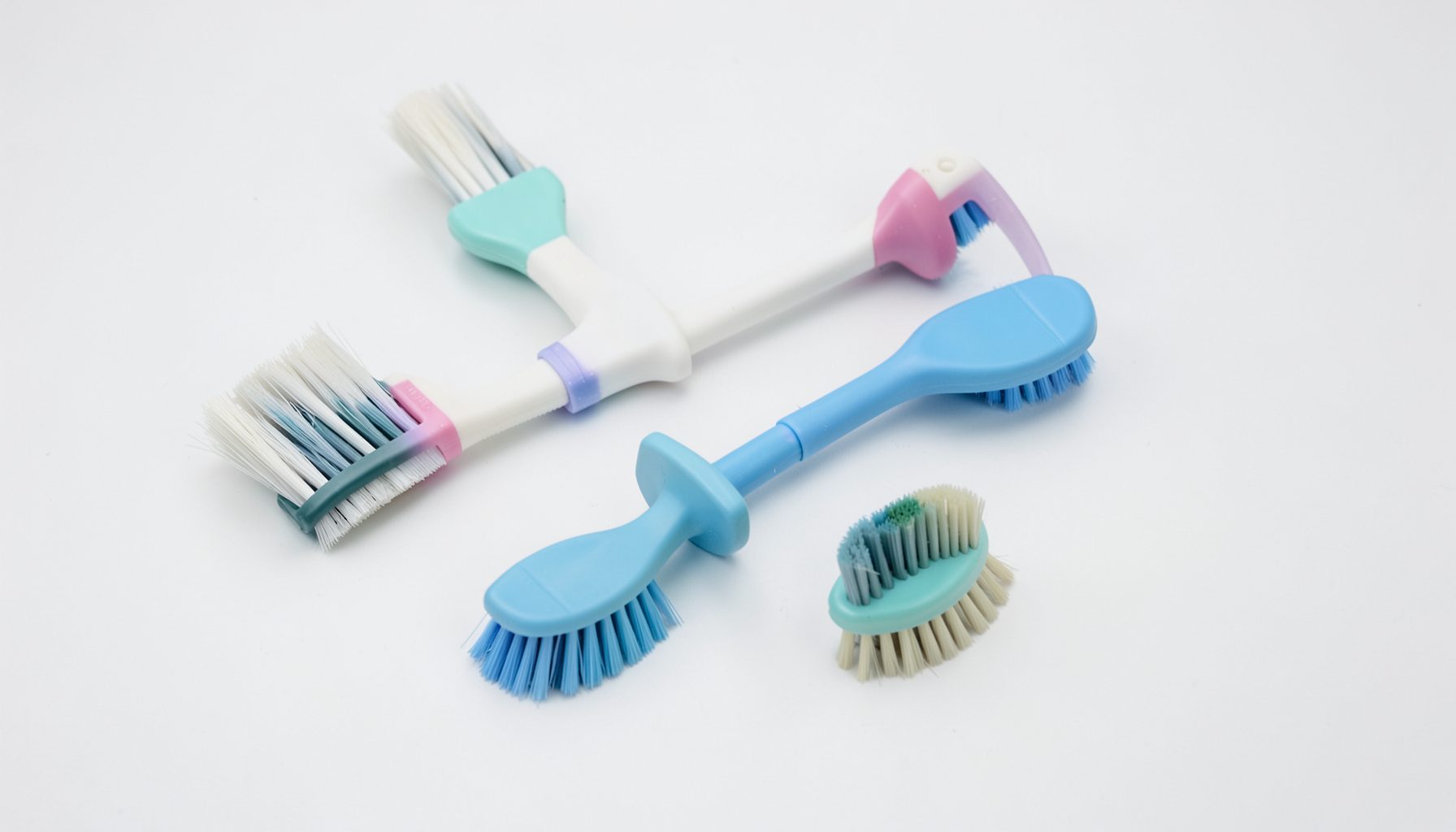
Nasal Lock™ Technology
Isolates sinuses from the throat using natural choanal occlusion — like inflating a balloon — so saline stays where it belongs.
Learn more →
Drug-Free Relief
Uses premixed saline packets with distilled water. No medications, no preservatives — just a natural cleanse for your nasal passages.
How to rinse →
For Kids Too
ResQRinse for Kids features a comfort nasal tip right-sized for smaller nostril openings, making rinsing gentle and easy for children.
Shop kids' version →
Breath-Controlled Flow
You control the saline flow with your own breath pressure — high volume, low pressure irrigation that's comfortable and effective.
Watch how-to videos →
Better Compliance
Designed to overcome the gagging and discomfort that cause people to abandon traditional neti pots and nasal rinse systems.
Our story →
Complete Kits Available
From the basic ResQRinse Nasal Rinse System ($19.99) to 90-day complete kits, saline packets, cleaning brushes, and Sinoptim Nasal Mist.
Browse all products →Get Started with ResQRinse
Ready to experience a better nasal rinse? Fill out the form below and we'll help you find the right product — or follow the simple steps to begin rinsing today.
Request More Information
How to Use ResQRinse
Fill the Bottle
Fill the ResQRinse squeeze bottle with distilled or previously boiled water and add one premixed saline packet.
Position the Tip
Place the comfort tip gently against one nostril. No head-tilting or awkward neck angles needed.
Squeeze & Breathe
Squeeze the bottle gently while breathing through your mouth. Nasal Lock™ keeps saline in your nasal passages and out of your throat.
Repeat & Clean
Switch nostrils and repeat. After use, rinse the bottle and let it air dry. Use ResQRinse Premium Cleaning Brushes for thorough cleaning.
Saline rinses for cold air congestion: an Australian winter guide
Winter mornings in Melbourne, Canberra, and Hobart have a particular bite that catches many people off guard. Australians often associate the colder months with rain and wind chill rather than snow, yet the temperature drops in July and August are sharp enough to make a routine bushwalk around Mount Buller or an early morning commute through Carlton feel genuinely frosty. That same chill hits the airways hard, narrowing the tiny blood vessels lining the nasal passages and leaving behind that stubborn, blocked-up feeling that lingers long after you have stepped back inside.
Saline irrigation has quietly become the most reliable home remedy for this kind of weather-driven stuffiness. A gentle rinse with a balanced saltwater solution washes out thickened mucus, soothes raw membranes, and helps the nose recover its natural warming and humidifying function. It is also one of the few interventions that addresses the underlying mechanical problem rather than merely masking the symptoms a person already feels.
This guide covers why cold air has such a strong effect on the nose, how isotonic and hypertonic solutions differ during the colder months, and what an Australian winter routine can look like with products available locally through Chemist Warehouse, Priceline, and the major online marketplaces.
Why cold air stiffens the nose
Cold air is dry air, and dry air is exactly what the delicate tissues inside the nose were not designed to handle for long. The mucosa react by constricting blood flow to conserve heat, then rapidly dilating once you return to warmth. This seesaw effect is the engine behind what ENT specialists call vasomotor rhinitis, and it is particularly common in people who already have narrow passages, a deviated septum, or a tendency toward chronic sinusitis. The result is a nose that feels alternately blocked and runny, often with a dull pressure behind the cheeks and forehead that can mimic the start of a common cold.
There is also a behavioural element. People retreat indoors, crank up the heater, and spend hours in recycled air that has even less moisture than the wintry outdoors. Living rooms in Brisbane rentals and apartments across the inner west of Sydney are notorious for dropping below thirty percent humidity once the ducted heating runs overnight. The nasal mucosa slowly dehydrate, the protective mucus layer thickens, and the small hairs called cilia that sweep debris out of the sinuses lose their rhythm. A simple rinse brings back the moisture the heating system has stripped away and gives the cilia a chance to recover.
Comparing saline rinses with other winter remedies
Menthol rubs, steamy showers, eucalyptus inhalations, and over-the-counter decongestant sprays all have their place, but each comes with a trade-off. Menthol and eucalyptus give a pleasant cooling sensation without actually clearing the mucus. Steam offers temporary relief before it cools and condenses in the nasal cavity. Decongestant sprays can be wonderfully effective for two or three days, then rebound congestion kicks in and leaves the nose feeling worse than before. Saline rinses fall into a different category because they physically remove what is causing the blockage rather than just tricking the nerves into feeling more open.
Understanding the difference between isotonic and hypertonic saline is especially useful during the colder months. An isotonic mix matches the salt concentration of the body, making it ideal for everyday maintenance and for sensitive noses in children. A hypertonic solution has a higher salt content and pulls more fluid out of swollen tissues, which can be helpful when a cold snap has left you feeling completely blocked. The detailed comparison at this breakdown walks through the timing, comfort, and indications for each so you can match the rinse to the season.
A steady routine also avoids the sharp swings that come from reaching for strong sprays on bad days and then suffering withdrawal symptoms later. Combined with humidification in the bedroom and adequate hydration, a daily rinse tends to flatten the worst of the winter peaks.
Choosing the right mix and water temperature
The salt packet is only half of the comfort equation in winter. Water temperature matters just as much. A room-temperature or slightly warm solution is much easier on already-irritated membranes, and it helps the body accept the rinse without triggering a gasp reflex. Australians travelling for ski weekends to Thredbo or Falls Creek often keep a thermos of pre-measured warm water alongside their kit so they can rinse comfortably in a cold chalet rather than waiting until they are back at the hotel.
For purely weather-related congestion, an isotonic rinse used once or twice a day is usually enough. When symptoms flare after a sudden drop in temperature or a long flight into a chilly destination, switching to a hypertonic mix for a few days can bring swelling down more aggressively. Some people find a small amount of bicarbonate in the mix softens the sting, while others add nothing and keep things very simple. The most important thing is consistency, because daily rinsing during the cold months prevents the slow build-up of crusty secretions that turn into painful sinus pressure later in the season.
Tap water across most Australian metro systems is safe for rinsing when used with the correct amount of saline, but country travellers relying on tank water should boil and cool the rinse first or use filtered water to keep the experience gentle and predictable.
Why a squeeze bottle often beats a neti pot
Traditional neti pots rely on gravity to move fluid through the nose, which works well but tends to be slow and posture-dependent. Squeeze-bottle systems give a steady, controlled flow that many people prefer when they are feeling blocked, achy, or rushing out the door to beat the Sydney or Perth traffic. The controlled pressure means the rinse reaches further into the upper sinuses rather than just the front of the nose, which can make a noticeable difference during a cold snap.
The Nasal Lock technology built into modern systems such as the ResQRinse range addresses two of the most common frustrations with both neti pots and earlier squeeze bottles. The seal prevents solution from running down the back of the throat unexpectedly, and the soft tip rests comfortably against the nostril without forcing it open. For people whose noses are already tender from a week of winter dryness, those design touches turn a chore into something approaching a small daily ritual. Practical details about cleaning, salt ratios, and safe water sources are covered on the FAQs page.
Building a simple winter routine
A reliable winter routine is short enough to actually stick. Most Australians find that rinsing after the morning shower and again after coming in from a windy evening walk is plenty. Saline packets are stocked at Chemist Warehouse and Priceline, while complete kits with cleaning brushes and spare bottles are easier to order online and ship to regional addresses in places like Ballarat, Launceston, or Toowoomba where local pharmacy shelves can be sparse during busy flu-season weeks.
Hygiene matters more in winter because the same kit lives in a slightly damp bathroom with poor air circulation. Rinsing the bottle and tip with warm soapy water after each use, then allowing them to air-dry upside down, prevents the build-up of biofilm that can cause a strange smell or, worse, introduce new bacteria into an already irritated nose. Once a week, a soak in a dilute white vinegar solution or a sterilising tablet keeps everything fresh. Children using the kid-friendly version of the system usually only need a parent-guided rinse once a day, and the smaller bottle makes the process quicker on a frosty school morning.
Storing the kit somewhere visible on the bathroom bench, rather than tucked behind the scale, also helps families remember to actually use it. A spare set of packets and a travel bottle tucked into the glovebox makes mid-week rinses possible for commuters who spend hours in air-conditioned offices.
Reading the signals and knowing when to act
Saline rinsing resolves a great deal of weather-related congestion, but it is not a cure for everything. Blockage that lingers for more than ten days, one-sided facial pain, a fever, or a sudden loss of smell can point toward acute bacterial sinusitis that needs a clinician's review. People who have had recent dental work should also keep in mind that upper molar extractions and certain surgical procedures near the maxillary sinus can change the way fluid drains, and a dentist can explain what to expect. The surgical context for difficult extractions sometimes overlaps with sinus care, particularly when bone grafts or sinus lifts are involved, so it pays to ask the practitioner whether daily rinsing should be paused during healing.
The best reassurance usually comes from other households that have lived through a few Australian winters with the same products. The shared user experiences describe everything from Brisbane hay-fever sufferers who switched from sprays to rinses, to Hobart parents who managed their children's winter congestion without a single course of antibiotics. These snapshots, combined with the routines above, give a realistic picture of what a winter month of daily saline rinsing can look like across the country.
Putting it all into practice is straightforward. Pick up a complete system through the ResQRinse listings on Amazon or Walmart, keep a spare set of saline packets in the bathroom cupboard, and commit to a two-week winter trial. Most households find that clearer mornings, fewer nighttime mouth-breathing episodes, and faster sinus recovery once the weather warms up are the visible rewards of a few minutes of daily rinsing through the coldest part of the year.