ResQRinse is the nasal irrigation squeeze bottle that eliminates head-tilting and awkward neck positions. Using proprietary Nasal Lock™ technology, it delivers a comfortable, gag-free sinus cleanse — no more saline dripping down your throat.

Relief From Fall Sneezes
Now sold on Walmart.com. Free shipping on orders $30+. Try ResQRinse today with your everyday purchases.
Shop at WalmartWhy ResQRinse?
Nasal rinsing helps relieve congestion from colds, allergies, sinusitis, hay fever, and environmental pollutants. ResQRinse makes it comfortable enough to become a daily habit.
Nasal Lock™ Technology
Isolates sinuses from the throat using natural choanal occlusion — like inflating a balloon — so saline stays where it belongs.
Learn more →
Drug-Free Relief
Uses premixed saline packets with distilled water. No medications, no preservatives — just a natural cleanse for your nasal passages.
How to rinse →
For Kids Too
ResQRinse for Kids features a comfort nasal tip right-sized for smaller nostril openings, making rinsing gentle and easy for children.
Shop kids' version →
Breath-Controlled Flow
You control the saline flow with your own breath pressure — high volume, low pressure irrigation that's comfortable and effective.
Watch how-to videos →
Better Compliance
Designed to overcome the gagging and discomfort that cause people to abandon traditional neti pots and nasal rinse systems.
Our story →
Complete Kits Available
From the basic ResQRinse Nasal Rinse System ($19.99) to 90-day complete kits, saline packets, cleaning brushes, and Sinoptim Nasal Mist.
Browse all products →Get Started with ResQRinse
Ready to experience a better nasal rinse? Fill out the form below and we'll help you find the right product — or follow the simple steps to begin rinsing today.
Request More Information
How to Use ResQRinse
Fill the Bottle
Fill the ResQRinse squeeze bottle with distilled or previously boiled water and add one premixed saline packet.
Position the Tip
Place the comfort tip gently against one nostril. No head-tilting or awkward neck angles needed.
Squeeze & Breathe
Squeeze the bottle gently while breathing through your mouth. Nasal Lock™ keeps saline in your nasal passages and out of your throat.
Repeat & Clean
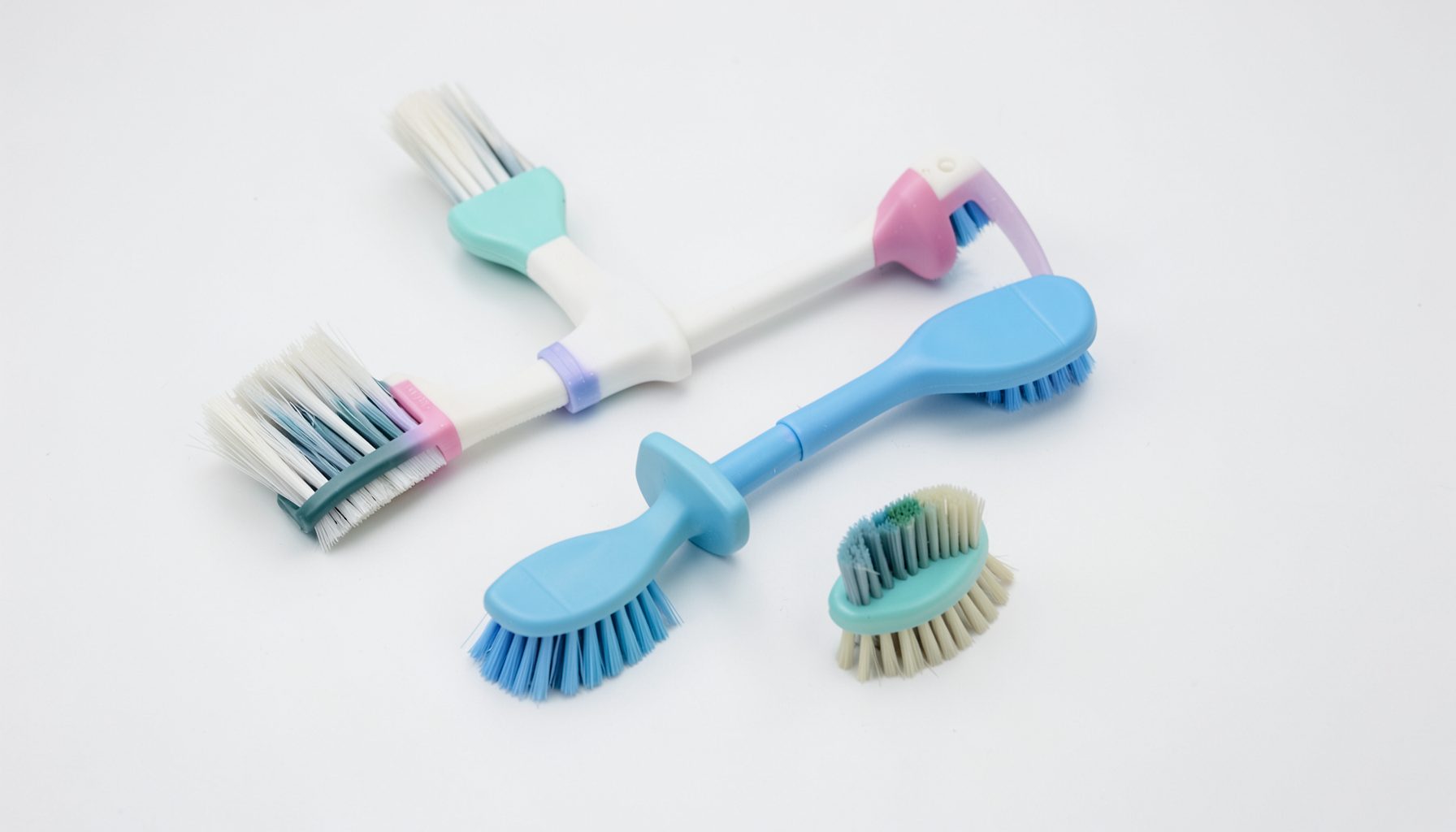
Switch nostrils and repeat. After use, rinse the bottle and let it air dry. Use ResQRinse Premium Cleaning Brushes for thorough cleaning.
Nasal Irrigation for People with Frequent Nosebleeds from Dryness
A dry, crusted nose can bleed when irritated, especially when crusts are picked or a blocked nostril is scratched. In Australia, dry inland air around Alice Springs and Mildura, heated winter rooms and air-conditioning can make the nasal lining feel tight. A persistent blocked or stuffy nose is common during pollen seasons, while bushfire smoke in NSW and Victoria can add irritation.
Saline nasal irrigation can rinse away loose crusts, pollen and other irritants while leaving the lining moist. It may ease congestion caused by allergies or sinusitis and can be gentler on the nose than repeatedly blowing or probing irritated passages. It does not repair fragile blood vessels, however, so relief from one rinse should not be mistaken for a cure for recurrent bleeding.
Frequent nosebleeds deserve assessment for their cause. Possible contributors include persistent dryness, infection, certain nasal sprays, hypertension, bleeding disorders and medicines such as apixaban or warfarin. An Australian chemist can help with saline supplies, but a GP should review repeated episodes, particularly if bruising is easy or bleeding occurs elsewhere.
Used carefully, a nasal rinse can support an overall dryness-control plan alongside humidified indoor air, adequate fluids and treatment of confirmed allergy or sinus problems. The routine must use clean water, controlled pressure and a clean device, and it should be paused whenever fresh bleeding begins.
Why a Dry Nose Keeps Bleeding
The nasal mucosa contains many small blood vessels close to the surface. If it becomes dry, minor inflammation or crusting can make those vessels fragile, so a sneeze, forceful nose-blowing or a blast of dry air-conditioning may trigger an anterior nosebleed. Saline helps by clearing debris and keeping the surface moist, but vigorous blowing immediately after rinsing can undo that benefit.
Seasonal triggers often drive both congestion and irritation. Pollen can produce a stuffy, watery nose and sinus pressure, while smoke, dust and workplace irritants add to the problem. A structured spring allergy routine can help people in Melbourne, Adelaide and Canberra combine a saline rinse with suitable allergy treatment; rinsing works best as one step, not a substitute for medical advice.
Repeated bleeding, often called recurrent epistaxis, is different from an occasional crust-related bleed. One episode after a particularly dry week may be manageable, while several episodes, bleeding from both nostrils or blood reaching the back of the throat need medical review. Medication effects matter too: never stop apixaban, warfarin or another prescribed blood thinner because a rinse seems easier.
When to Rinse and When to Seek Help
Do not irrigate through a fresh nosebleed. Sit upright, lean forward, pinch the soft part of the nose for 10 to 15 minutes and breathe through the mouth. Irrigation adds fluid and pressure to an already irritated passage, and a nozzle can disturb a forming clot. If bleeding restarts, stop the rinse, allow the nose to settle and seek advice if the pattern is recurring.
Seek urgent medical care if bleeding is heavy, continues after 20 minutes of firm pressure, follows a head injury, or occurs with dizziness, breathlessness or chest pain. Call 000 for severe or rapidly worsening symptoms. A nosebleed that starts in a child, follows facial trauma or requires frequent emergency attention also warrants prompt assessment.
Before building a routine, use reliable medical guidance alongside advice from your GP. A GP can assess the source of bleeding and may refer you to an ear, nose and throat specialist; Medicare-subsidised specialist care usually requires a GP referral, although private fees may still apply. For children, an adult should prepare the rinse, and a paediatric clinician or GP should guide use when episodes recur.
Set Up a Safe, Repeatable Routine
A brief pre-rinse check helps prevent avoidable irritation:
- No fresh bleeding is present, and any recent nose injury, surgery or nasal procedure has been cleared by a clinician.
- A GP has advised rinsing if episodes are frequent, heavy or linked to blood-thinning medication.
- Sealed saline packets are within date, and any added water is sterile, distilled or boiled and cooled according to the instructions.
- The bottle, nozzle and towel are clean, and the sink is easy to reach comfortably.
Once the check is clear, keep each session calm and unhurried:
- Warm the saline solution in your hands rather than using boiling water or microwaving the container.
- Lean over the sink, turn your head slightly and place the nozzle just inside the nostril.
- Breathe through the mouth and squeeze gently, allowing fluid to drain instead of forcing it through.
- Pause between sides and stop immediately if pain, dizziness or renewed bleeding occurs.
Afterwards, blow out one nostril at a time very gently, let the face air-dry and avoid rubbing or forceful blowing. Clean and dry the bottle as directed. Over-rinsing can also irritate a sensitive lining, so follow the product directions and seek advice before using a squeeze bottle more often than recommended.
Clean Water, Equipment and Shared Spaces
Water quality and equipment hygiene are essential because a rinse introduces fluid into the nasal passages. Use sterile or distilled water, or water boiled and cooled in line with Australian health advice and the product instructions. Sealed single-use saline packets remove guesswork about salt concentration; mix only with the stated volume and discard unused solution after the session.
After every use, wash the bottle and removable nozzle according to the manual and let them air-dry on a clean surface. Use the supplied cleaning brush for narrow parts, and replace any brush with frayed bristles or component that will not come clean. Never share a nozzle. Keeping the equipment completely dry between sessions makes mould and residue less likely.
Shared houses and student boarding are familiar in Australia, so personal storage matters. An Indonesian shared-home routine guide covers a different wellness practice, but its emphasis on adapting routines to communal bathrooms reinforces a useful habit: give each person a labelled, dry storage place and keep personal nasal-care items separate from communal kitchenware.
Store packets in a dry cupboard away from heat and moisture, and replace the cleaning brush when it deteriorates. A clean humidifier can help dry bedrooms in Melbourne or Sydney, but empty and dry it regularly to prevent mould. A plain saline nasal mist may provide light moisture between rinses; check the label and avoid products that sting or contain ingredients you cannot tolerate.
Choose a System and Begin Carefully
A traditional neti pot depends on gravity and head position. A squeeze bottle gives more direct control over when solution enters the nose, which can make a gentle session easier for adults and children. ResQRinse’s Nasal Lock technology is designed to improve the nostril seal and flow control, helping reduce the familiar problem of solution running down the throat. Control still matters: squeeze only enough for a steady, comfortable flow.
ResQRinse offers squeeze-bottle rinse systems, a children’s version, sealed saline packets, cleaning brushes, complete kits and nasal mist. Choose the bottle that suits the user’s age and hand control, then keep spare packets and a brush nearby. A complete kit can simplify setup, but the routine and water preparation remain more important than extra accessories.
The range is sold online through Walmart and Amazon. Australian shoppers should compare the seller, AUD price, whether GST is included, delivery time and return rights; Walmart is not a normal local Australian storefront, so some listings may involve cross-border purchasing. If nosebleeds keep returning, book a GP review before ordering. Once your clinician confirms that rinsing is suitable, choose the appropriate bottle, stock sealed saline packets and a replacement brush, begin one gentle session, and record any further bleeding for the next consultation.