ResQRinse is the nasal irrigation squeeze bottle that eliminates head-tilting and awkward neck positions. Using proprietary Nasal Lock™ technology, it delivers a comfortable, gag-free sinus cleanse — no more saline dripping down your throat.

Relief From Fall Sneezes
Now sold on Walmart.com. Free shipping on orders $30+. Try ResQRinse today with your everyday purchases.
Shop at WalmartWhy ResQRinse?
Nasal rinsing helps relieve congestion from colds, allergies, sinusitis, hay fever, and environmental pollutants. ResQRinse makes it comfortable enough to become a daily habit.
Nasal Lock™ Technology
Isolates sinuses from the throat using natural choanal occlusion — like inflating a balloon — so saline stays where it belongs.
Learn more →
Drug-Free Relief
Uses premixed saline packets with distilled water. No medications, no preservatives — just a natural cleanse for your nasal passages.
How to rinse →
For Kids Too
ResQRinse for Kids features a comfort nasal tip right-sized for smaller nostril openings, making rinsing gentle and easy for children.
Shop kids' version →
Breath-Controlled Flow
You control the saline flow with your own breath pressure — high volume, low pressure irrigation that's comfortable and effective.
Watch how-to videos →
Better Compliance
Designed to overcome the gagging and discomfort that cause people to abandon traditional neti pots and nasal rinse systems.
Our story →
Complete Kits Available
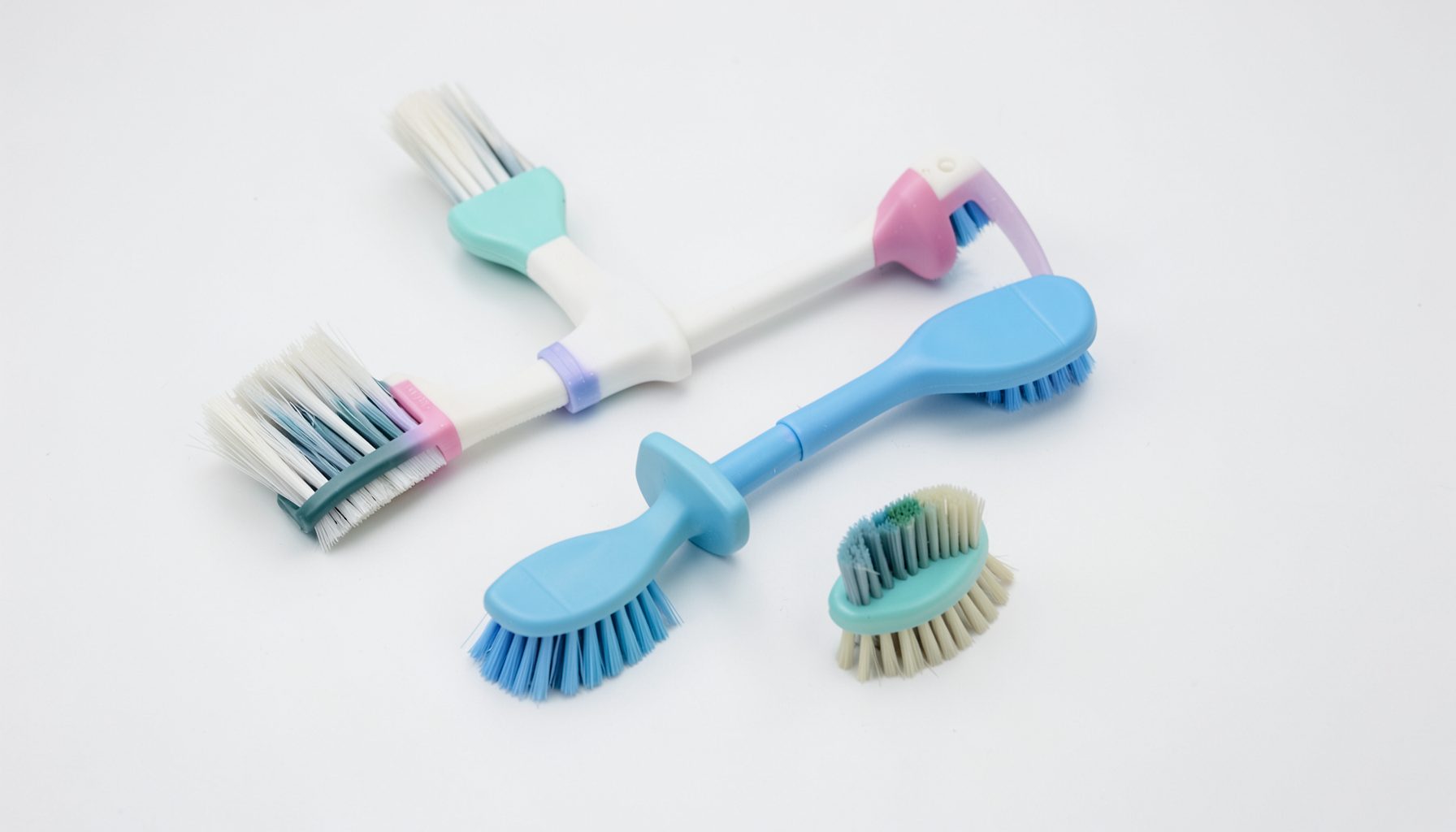
From the basic ResQRinse Nasal Rinse System ($19.99) to 90-day complete kits, saline packets, cleaning brushes, and Sinoptim Nasal Mist.
Browse all products →Get Started with ResQRinse
Ready to experience a better nasal rinse? Fill out the form below and we'll help you find the right product — or follow the simple steps to begin rinsing today.
Request More Information
How to Use ResQRinse
Fill the Bottle
Fill the ResQRinse squeeze bottle with distilled or previously boiled water and add one premixed saline packet.
Position the Tip
Place the comfort tip gently against one nostril. No head-tilting or awkward neck angles needed.
Squeeze & Breathe
Squeeze the bottle gently while breathing through your mouth. Nasal Lock™ keeps saline in your nasal passages and out of your throat.
Repeat & Clean
Switch nostrils and repeat. After use, rinse the bottle and let it air dry. Use ResQRinse Premium Cleaning Brushes for thorough cleaning.
How to Build a Sinus Rinse Routine for Spring Allergies
Spring can bring warmer weather, open windows, fresh growth, and a heavy load of airborne irritants. Pollen from trees, grasses, and weeds may settle inside the nose, where it can contribute to sneezing, itching, congestion, drainage, and pressure. A consistent nasal care routine can help wash away these irritants before they remain in contact with sensitive nasal tissues for hours.
Nasal irrigation is one practical way to support daily allergy management. A saline rinse uses a saltwater solution to flush mucus and particles from the nasal passages, while a saline mist can provide lighter moisture between rinses. The most useful routine is one that fits your symptoms, schedule, and comfort level rather than one that feels difficult to maintain.
Understand Your Spring Allergy Triggers
A successful routine begins with recognizing when and where symptoms appear. If congestion is worse after gardening, walking through wooded areas, or spending time outdoors on windy days, pollen exposure may be a major factor. Symptoms that increase after cleaning, opening windows, or returning home with outdoor clothing can also point to lingering allergens indoors.
Keep a simple record for several days. Note the time of day, activities, weather conditions, and symptoms such as blocked breathing, postnasal drip, or watery eyes. This can reveal whether a morning rinse makes sense, whether an evening rinse is more useful, or whether both are needed during high-pollen periods.
A rinse does not remove the source of an allergy, and it should not replace prescribed treatment. However, clearing the nasal passages after exposure may reduce the amount of pollen and thick mucus left behind. Pairing the routine with practical steps such as showering after outdoor activities, washing bedding regularly, and keeping windows closed during peak pollen hours can provide broader support.
Set A Timing Pattern You Can Maintain
Many people find it helpful to rinse in the evening. A nighttime rinse can clear particles collected during the day and may make it easier to breathe comfortably while sleeping. It also gives the saline solution time to work before lying down, rather than immediately exposing the nose to outdoor allergens again.
A morning rinse may be preferable when congestion is strongest after waking. Overnight mucus can become thicker, especially in dry rooms, and a gentle saline wash may help loosen it. During periods of intense pollen exposure, some people may use a morning and evening routine, provided the product directions support that frequency and the nose remains comfortable.
Start with one rinse per day for several days instead of suddenly increasing use. Pay attention to burning, dryness, ear pressure, or irritation. These sensations can signal that the solution is too concentrated, the water flow is too forceful, or the frequency needs to be reduced. Persistent or severe symptoms deserve evaluation by a healthcare professional.
Prepare A Safe, Comfortable Rinse
Water safety is essential. Use distilled or sterile water, or tap water that has been boiled and cooled according to public health guidance. Do not use untreated tap water in a nasal irrigation device. Prepare the saline solution with packets designed for nasal rinsing, following the product’s instructions for the correct volume and mixing method.
Wash your hands before preparing the rinse. Check that the bottle, cap, and nozzle are clean, then use a cleaning brush where appropriate to remove residue from narrow areas. After use, empty any remaining solution, rinse the components as directed, and allow them to air-dry fully. Replace parts when they become worn or difficult to clean.
A squeeze-bottle system can make it easier to control the flow and angle than a traditional neti pot. ResQRinse’s Nasal Lock technology is designed to help create a more secure fit around the nostril, which may support a steadier, more comfortable rinse. Read the brand’s product FAQs for device-specific information before beginning.
Keep your head tilted slightly forward and breathe through your mouth during the rinse. Avoid squeezing aggressively. The goal is a gentle flow through the nasal passages, not forceful pressure. If you feel fluid in your ears, stop, reset your position, and use less pressure the next time.
Match The Method To Your Symptoms
Different nasal care products can serve different moments in an allergy routine. A full saline rinse is generally suited to clearing mucus and particles, while a mist may be convenient when you need moisture at work, in the car, or before going outdoors. A child-specific system can be useful when the design and instructions are appropriate for the child’s age and supervision needs.
| Nasal care option | Best suited for | How it can fit a spring routine | Key point |
|---|---|---|---|
| Squeeze-bottle rinse | Congestion, thick mucus, outdoor allergen exposure | Morning or evening cleansing | Use gentle pressure and safe water |
| Children’s rinse system | Age-appropriate family use | Supervised routine during allergy season | Follow age guidance and never force the rinse |
| Saline packets | Consistent solution preparation | Daily or occasional rinsing | Use the correct packet-to-water ratio |
| Cleaning brush | Device maintenance | After regular use | Clean narrow areas and let parts dry |
| Saline mist | Dryness or light moisture needs | Between rinses or before outdoor exposure | It does not replace a full rinse for heavy congestion |
| Complete rinse kit | Starting or simplifying a routine | Home setup for the whole season | Keep supplies together for consistent use |
A rinse can also help clear postnasal drainage that contributes to an unpleasant mouth taste or odor. It is not a universal solution for bad breath, since dental, throat, digestive, and other health factors may be involved, but this nasal rinse information explains how nasal congestion and drainage may play a role.
Build A Routine For The Whole Household
Adults can usually manage their own preparation and cleaning, but children need close supervision. Choose a child-appropriate product, explain what will happen in simple language, and allow the child to see the bottle before using it. A calm, predictable routine is often easier than introducing a rinse when the child is already uncomfortable.
Do not share nasal rinse bottles, nozzles, or other personal components without following the manufacturer’s guidance. Label family members’ supplies if several people use similar products. Cleaning and drying each device thoroughly helps support hygienic use and reduces the chance of transferring residue or germs.
Travel can interrupt even a well-established allergy plan. Keep saline packets, a clean device, and a small cleaning brush together in a designated pouch. When traveling by air or staying somewhere new, pay particular attention to the water used for preparation. A saline mist may be convenient during transit, while a full rinse can take place once you have access to safe water and a clean setup.
Make The Routine Easier To Follow
The best allergy routine is simple enough to repeat during busy weeks. Place the rinse supplies near the bathroom sink, set a reminder during the first week, and connect the rinse with an existing habit such as brushing your teeth in the evening. Avoid preparing more solution than you will use, and check the device before every rinse.
Use these practical habits to keep the routine consistent:
- Rinse after significant outdoor exposure, especially on windy or high-pollen days.
- Choose a regular time, such as after an evening shower, so the routine becomes predictable.
- Keep distilled or sterile water and saline packets available before allergy season peaks.
- Use a saline mist when your nose feels dry between full rinses, following its directions.
- Pause and seek medical advice for repeated nosebleeds, severe pain, fever, worsening symptoms, or persistent one-sided blockage.
Allergy symptoms can change as pollen levels shift. A routine that works during an early spring tree pollen season may need adjustment later when grass or weed pollen becomes more prominent. Review your symptoms every week and make small changes rather than increasing rinsing force or frequency abruptly.
Carry Relief Through Allergy Season
A spring sinus rinse routine works best as one part of a broader plan. Safe water, correctly mixed saline, gentle technique, proper cleaning, and sensible timing all matter. So do environmental habits that reduce exposure, along with medical guidance when symptoms are intense, prolonged, or interfering with sleep and daily activities.
Prepare your supplies before pollen counts rise, choose the rinse schedule that matches your exposure, and use a ResQRinse system according to its instructions. A few consistent minutes of nasal care can help make seasonal congestion easier to manage and keep outdoor days more comfortable.